To increase your bench press without a spotter, focus on safety first. Use a power rack with safety bars set at the right height. Follow a consistent workout routine, progressively increasing weights over time. Fuel your body with proper nutrition, including lean protein and complex carbs, while ensuring adequate hydration. Vary your bench press grip and angles to engage different muscles, and don’t forget to schedule rest days for maximum recovery. You’ll find even more tips to elevate your performance ahead.
Key Takeaways
- Utilize a power rack with safety bars to safely perform heavy lifts and reduce injury risk.
- Incorporate bench press variations, such as incline and decline, to target different muscle groups and enhance strength.
- Follow a structured workout schedule with consistency to promote adaptation and strength gains over time.
- Gradually increase weights in small increments to build confidence and strength without compromising safety.
- Prioritize proper nutrition and hydration to support muscle recovery and performance during bench press workouts.
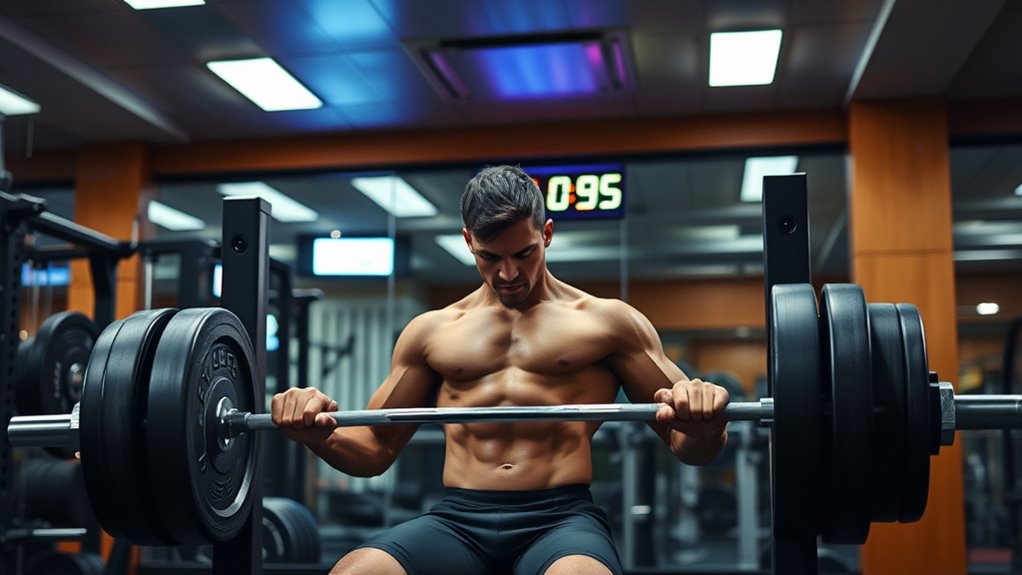
If you want to boost your bench press numbers, focusing on the right techniques and strategies is essential. One of the first things you need to contemplate is proper nutrition. Fueling your body with the right nutrients makes a significant difference in performance and recovery. Incorporate plenty of lean protein, healthy fats, and complex carbohydrates into your meals. This combination will help repair muscles and provide the energy you need during your workouts. Aim for a balanced diet that includes whole foods, and don’t forget to hydrate. Staying properly hydrated keeps your muscles functioning at their best, which is especially important when you’re pushing yourself in the gym.
Next, you can’t underestimate the importance of workout consistency. If you want to increase your bench press, you need to commit to a structured routine. Set specific days for bench press workouts and stick to them. Consistency helps your body adapt and grow stronger over time. Additionally, make sure you’re progressively increasing the weight you lift. This doesn’t mean you should jump from lifting 135 to 225 pounds overnight, but rather, gradually add weight as you feel comfortable. Small increments can lead to significant gains over time.
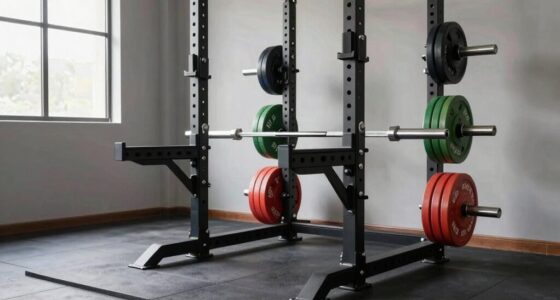
When you’re bench pressing without a spotter, safety becomes a priority. One of the best techniques for this is using a power rack or squat rack with safety bars set at an appropriate height. This way, if you find yourself struggling with a lift, you can safely lower the bar onto the safety bars without the risk of injury. You’ll feel more confident pushing your limits without worrying about getting stuck under the bar.
Another strategy is to incorporate various bench press variations into your routine. Try different grips, such as wide or close grip, to target different muscle groups. You might also consider incline or decline bench presses to work on your overall strength. These variations can help you build muscle and improve your bench press numbers.
Lastly, don’t forget to give your body time to rest and recover. Overtraining can lead to injuries and setbacks. Schedule rest days into your program, and listen to your body. If you’re feeling fatigued or sore, take a step back and allow yourself to recover. With the right combination of proper nutrition, workout consistency, and smart training techniques, you’ll see improvements in your bench press, even without a spotter. Additionally, incorporating outdoor ovens into your training regimen can provide healthy meal options, enhancing your overall nutrition strategy.
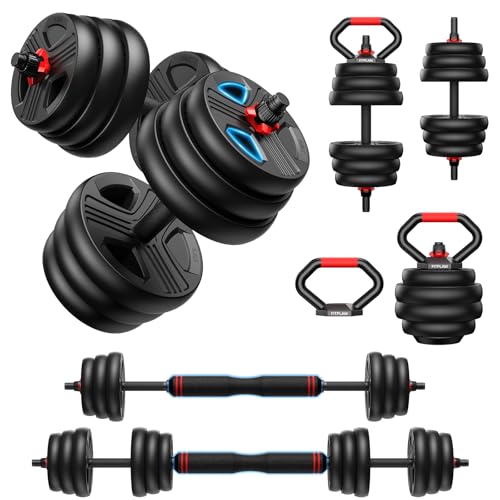
FDS1 Adjustable dumbbell set, 45lbs Free Weights set with upgraded nut, 5 in 1 Weight Set Used as Kettlebells, Barbell, Push up Stand, Fitness Exercise for Home Gym Suitable Men/Women
【5 in 1 Multifunctional Dumbbell Set】This versatile dumbbell set 45lb total (22.5lb each) quickly converts into dumbbells, barbells,...
As an affiliate, we earn on qualifying purchases.
Frequently Asked Questions
What Equipment Can Help Increase My Bench Press Without a Spotter?
To boost your bench press without a spotter, consider using safety equipment like a power rack with safety bars. This allows you to lift heavier weights safely. Training accessories like resistance bands can also help you build strength and stability. Another valuable tool is a bench press pad to enhance comfort and stability during your lifts. Utilizing these options will help you progress while minimizing the risk of injury.
How Often Should I Train Bench Press for Best Results?
To maximize your bench press gains, aim to train it 2-3 times a week. This training frequency helps you build strength while allowing adequate recovery. An ideal schedule might involve focusing on different aspects each session, like heavy lifts one day and lighter, technique-focused work another. You’ll notice improvements over time, and your body will adapt. Just listen to your body and adjust as needed for the best results.
What Are the Best Warm-Up Exercises for Bench Pressing?
To warm up effectively for bench pressing, focus on dynamic stretching and shoulder mobility exercises. Start with arm circles and band pull-aparts to engage your shoulders. Incorporate push-ups or incline push-ups to activate your chest and triceps. You can also do a few light sets of the bench press with a lower weight to prepare your muscles. These warm-ups’ll help improve your performance and reduce the risk of injury.
Can Diet Affect My Bench Press Performance?
Absolutely, diet can make or break your bench press performance. If you want to hit the nail on the head, prioritize your nutrition focus. Eating the right balance of protein, carbs, and fats fuels your muscles. Meal timing matters too—having a solid meal an hour or two before your workout can give you the energy boost you need. Don’t underestimate the power of proper nutrition; it’s essential for maximizing your strength.
What Are Some Common Mistakes to Avoid While Bench Pressing?
To avoid common mistakes while bench pressing, focus on your form and grip. Make sure your hands are positioned correctly on the bar, maintaining a stable grip throughout the lift. Don’t forget your breathing technique; inhale as you lower the bar and exhale while pressing it back up. This keeps your core tight and aids in stability. Finally, avoid bouncing the bar off your chest, as this can lead to injury and reduce effectiveness.

FEIERDUN Adjustable Dumbbells, 50lbs Free Weight Set with Connector, 4 in1 Dumbbells Set Used as Barbell, Kettlebells, Push up Stand, Fitness Exercises for Home Gym Suitable Men/Women
1 set. 5 Functions: No more buying dumbbells, kettlebells, barbells, push-up stands, and plates separately. This all-in-one adjustable...
As an affiliate, we earn on qualifying purchases.
Conclusion
In the quest to boost your bench press, remember, it’s not just about lifting weights; it’s about lifting your spirit. Embrace those solo sessions like a lone wolf, honing your strength and technique. Visualization can be your guiding star, illuminating the path to your goals. With patience and persistence, you’ll transform those plates into stepping stones toward success. So, grab that bar, dig deep, and watch your hard work blossom into a powerful performance—no spotter needed!

CAP ADJUSTABELL Adjustable Dumbbell Set, Premium Quick Select Adjustable Weights for Home Gym Strength Training, Hex, 55 LB Pair, Copper Grip Handle
PATENTED QUICK-SELECT WEIGHT SYSTEM – Powered by the patented ADJUSTABELL weight adjustment system (U.S. Patent No. 11,285,354), this...
As an affiliate, we earn on qualifying purchases.

UNNMIIY Adjustable Dumbbells, 20/30/45/70/90lbs Free Weight Set with Connector,5 in1 Dumbbells Set Used as Barbell, Kettlebells, Push up Stand, Fitness Exercises for Home Gym Suitable Men/Women
5 in 1 Multifunctional Dumbbell Set:With UNNMIIY adjustable dumbbell set, you can get a pair of dumbbells also...
As an affiliate, we earn on qualifying purchases.