To monitor your heart rate during cardio workouts, invest in wearable technology like a smartwatch or fitness tracker. These devices give real-time data on your heart rate, helping you maintain your effort within a target range, usually 50% to 85% of your maximum heart rate. Regularly check your device to guarantee you’re not exceeding safe limits or falling too low. This approach not only boosts efficiency but also enhances your overall fitness journey. There’s more to explore on effective heart rate tracking.
Key Takeaways
- Use wearable technology like smartwatches or fitness trackers for accurate heart rate readings during workouts.
- Calculate your target heart rate by subtracting your age from 220 and finding 50%-85% of that number.
- Periodically check your heart rate during exercise to ensure it stays within your target zone.
- Adjust your workout intensity based on real-time heart rate data to optimize performance and safety.
- Track your heart rate over time to monitor fitness progress and improvements in cardiovascular endurance.
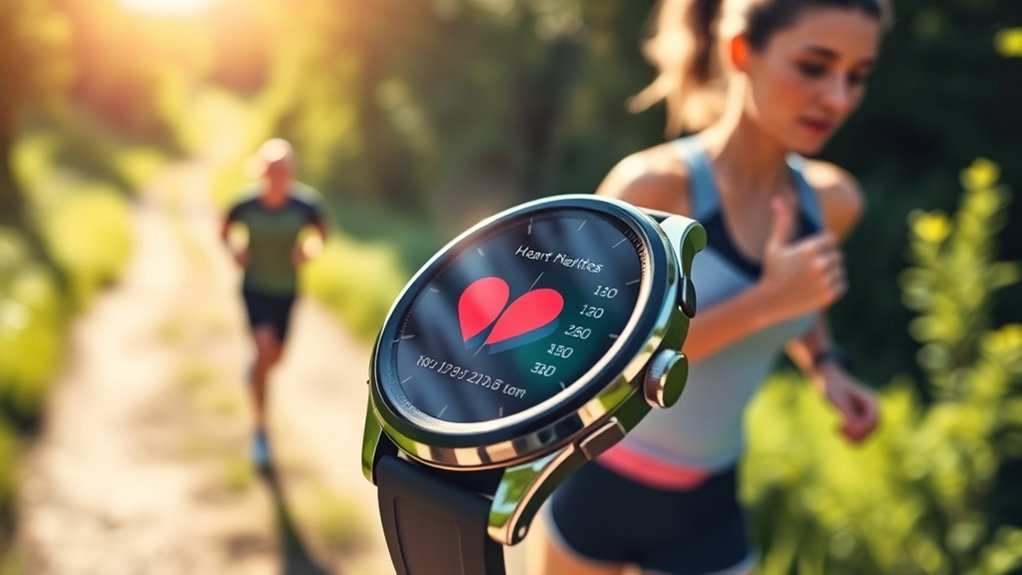
When you’re diving into cardio workouts, monitoring your heart rate isn’t just a nice-to-have; it’s crucial for maximizing your performance and ensuring safety. Keeping an eye on your heart rate helps you understand how hard your body is working during exercise, allowing you to adjust your intensity levels accordingly. This isn’t just about pushing yourself; it’s about doing so in a way that’s beneficial and sustainable.
With the rise of wearable technology, tracking your heart rate has never been easier. Devices like smartwatches and fitness trackers provide real-time data, making it simple to monitor your performance as you go. These gadgets typically come equipped with heart rate sensors that deliver accurate readings, enabling you to stay within your desired range. Knowing your target heart rate can help you optimize your workout, ensuring you’re not just burning calories but also improving your cardiovascular health.
To determine your target heart rate, start by calculating your maximum heart rate. A common method is to subtract your age from 220. For example, if you’re 30, your maximum heart rate would be 190 beats per minute (bpm). Your target heart rate usually falls between 50% and 85% of your maximum, depending on your fitness level and workout goals. So, if you’re aiming for a moderate intensity workout, you’d want your heart rate to be around 95 to 133 bpm.
Once you know your target heart rate, you can use your wearable technology to keep track. During your cardio workout, glance at your device periodically to ensure you’re within that range. If you notice your heart rate climbing too high, it’s a sign to dial back the intensity. Conversely, if it’s too low, consider increasing your effort. This active monitoring helps you make real-time adjustments, maximizing the effectiveness of your workout.
Don’t forget that consistent tracking over time offers valuable insights into your fitness progress. By observing trends in your heart rate, you can gauge improvements in your cardiovascular endurance. Plus, when you see your heart rate recover more quickly after exercise, it’s a clear indication that your fitness levels are increasing. Additionally, just like with proper aftercare for piercings, ensuring you monitor your heart rate can prevent potential issues during workouts.
Incorporating heart rate monitoring into your cardio workouts isn’t just a smart move; it’s a game changer. By leveraging wearable technology and understanding your target heart rate, you’re setting yourself up for safer, more effective workouts that lead to real results.

Fitness Tracker with Heart Rate/Blood Oxygen/Sleep Monitor, 20+ Sports Modes Smart Watches for Women/Men, Activity & Step Tracker Smart Watch for Android/iOS Phones (Pink)
- Heart Rate Monitoring: Real-time heart rate and blood oxygen
- Sleep Monitoring: Tracks sleep stages and quality
- Multiple Sports Modes: Supports 25 sports activities
As an affiliate, we earn on qualifying purchases.
As an affiliate, we earn on qualifying purchases.
Frequently Asked Questions
What Are the Benefits of Tracking Heart Rate During Workouts?
Tracking your heart rate during workouts helps you understand your heart rate zones, ensuring you’re exercising at the right intensity. By monitoring your heart rate, you can optimize your workout intensity for better fat burning, improved endurance, and enhanced performance. It helps you avoid overtraining or undertraining, keeping your fitness journey safe and effective. Plus, it allows you to set and achieve specific fitness goals more efficiently.
Can I Monitor My Heart Rate Without a Device?
Yes, you can monitor your heart rate without a device! Ever felt your pulse racing during an intense moment? You can manually measure it by placing your fingers on your wrist or neck. Count the beats for 15 seconds and multiply by four. You can also pay attention to visual cues, like how hard you’re breathing or if you’re sweating. These signs can help you gauge your effort level effectively.
How Often Should I Check My Heart Rate During Exercise?
You should check your heart rate every 5 to 10 minutes during exercise. This helps you stay within your desired heart rate zones, ensuring you’re hitting the right exercise intensity for your goals. If you’re aiming for fat burning, you want to be in a lower zone; for endurance, a moderate zone works better. Regularly checking lets you adjust your effort and maximize your workout effectiveness. Stay tuned in to your body’s signals!
What Is the Ideal Heart Rate for Fat Burning?
The ideal heart rate for fat burning typically falls within 60-70% of your maximum heart rate. This range, known as the fat-burning zone, helps your body utilize fat as its primary fuel source. To find your maximum heart rate, subtract your age from 220. Once you know that, you can easily calculate your target heart rate zones. Staying in this zone during your workouts maximizes fat burning and improves your fitness level.
How Does Hydration Affect Heart Rate During Workouts?
Hydration levels considerably impact your heart rate during workouts. When you’re dehydrated, your heart has to work harder to pump blood, which can lead to an increased heart rate. Maintaining proper hydration guarantees ideal electrolyte balance, helping your body function efficiently. If you drink enough fluids, you’ll notice a more stable heart rate, allowing you to perform better and reduce fatigue. So, keep those hydration levels up to support your workout!

Smart Watch Fitness Tracker with 24/7 Heart Rate, Blood Oxygen Blood Pressure Monitor Sleep Tracker 120 Sports Modes Activity Trackers Step Calorie Counter IP68 Waterproof for Andriod iPhone Women Men
- Vibrant 1.58'' High-Res Display: Clear, colorful touch screen with always-on clock
- 24/7 Heart Rate & Health Monitoring: Real-time heart rate, blood pressure, blood oxygen tracking
- Sleep Tracking & Analysis: Monitors sleep stages and wake times for better rest insights
As an affiliate, we earn on qualifying purchases.
As an affiliate, we earn on qualifying purchases.
Conclusion
Monitoring your heart rate during cardio workouts can make the difference between just exercising and truly pushing your limits. While it’s easy to get lost in the rhythm of your routine, keeping an eye on your heart rate guarantees you’re in the ideal zone for burning fat or improving endurance. So, whether you’re sprinting on the treadmill or cycling through a park, remember: awareness fuels progress, and progress ignites motivation. Stay in tune with your heart, and feel the burn!

Zeacool Fitness Tracker with 24/7 Heart Rate, Blood Oxygen Blood Pressure Sleep Monitor, Activity Trackers 5 ATM Waterproof,Step Calorie Counter Pedometer Health Smart Watch for Women Men (Black)
- Heart Rate Monitoring: 24/7 real-time heart rate tracking
- Blood Oxygen & Pressure: Monitor blood oxygen and blood pressure
- Sleep & Temperature Tracking: Track sleep patterns and body temperature
As an affiliate, we earn on qualifying purchases.
As an affiliate, we earn on qualifying purchases.
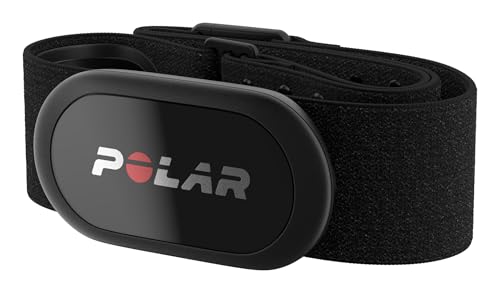
Polar H10 Heart Rate Monitor Chest Strap – ANT + Bluetooth, Waterproof HR Sensor for Men and Women, Black, M-XXL
- Compatibility: Works with all HRM-compatible devices
- Accuracy: Highly accurate heart rate measurement
- Connectivity: Bluetooth, ANT+, and 5 kHz support
As an affiliate, we earn on qualifying purchases.
As an affiliate, we earn on qualifying purchases.