
TL;DR
New research shows that drinking coffee regularly can lower risks of dementia, liver disease, and other health issues. Experts now consider coffee a beneficial part of a healthy diet, overturning decades of misconceptions.
Recent scientific research confirms that drinking coffee regularly is associated with multiple health benefits, including lower risks of dementia, liver disease, and mortality, challenging long-held negative perceptions about the beverage.
A study published in JAMA in March analyzed data from over 131,000 American healthcare workers followed for 43 years, finding that those who consumed two to three cups of caffeinated coffee daily were 18 percent less likely to develop dementia. This aligns with previous research indicating coffee’s protective effects against various diseases. A 2019 meta-analysis covering 40 cohort studies identified an optimal intake of about 3.5 cups daily for reducing all-cause mortality. Additional research links coffee consumption to a 29 percent reduction in diabetes risk, with both caffeinated and decaffeinated varieties providing benefits—suggesting polyphenols, not caffeine, are key. Furthermore, coffee appears to significantly lower the odds of liver cirrhosis and liver cancer, with reductions of up to 44 percent for those drinking two or more cups daily.
Why It Matters
This emerging evidence shifts the narrative around coffee from a potentially harmful stimulant to a beverage with tangible health benefits. For millions worldwide, coffee’s positive effects on brain health, liver health, and longevity could influence dietary guidelines and daily habits, promoting its role as a health-promoting beverage.

BLACK+DECKER 12-Cup Drip Coffee Maker with Vortex Brewing
- 12-Cup Glass Carafe: Durable glass with measurement markings
- Sneak-A-Cup Drip Prevention: Stops flow for pouring mid-brew
- Easy-View Water Window: Displays water level clearly
As an affiliate, we earn on qualifying purchases.
As an affiliate, we earn on qualifying purchases.
Background
For decades, coffee was considered potentially carcinogenic and linked to health risks, mainly due to confounding factors like smoking. Recent large-scale, well-controlled studies have clarified that moderate coffee intake is safe and beneficial. The shift in scientific consensus reflects improved research methods and understanding of coffee’s active compounds, such as chlorogenic acids and polyphenols.
“The evidence now overwhelmingly supports that coffee can be part of a healthy diet and may even confer protective effects against several chronic diseases.”
— Dr. Walter Willett, Harvard T.H. Chan School of Public Health
“Our findings suggest that moderate coffee consumption is associated with a lower risk of dementia, supporting previous evidence of coffee’s neuroprotective effects.”
— Lead researcher in the JAMA study

Low Acid Coffee, Blend of Natural Low Acidic Coffee, Whole Bean, Medium Roast, Fresh Roasted, 16-ounces
- Low Acid Content: Reduced acidity for sensitive stomachs
- Smooth Flavor: Mellow taste without harsh bitterness
- Stomach-Friendly: Ideal for acid reflux and digestion
As an affiliate, we earn on qualifying purchases.
As an affiliate, we earn on qualifying purchases.
What Remains Unclear
While current studies are promising, it remains unclear whether coffee directly causes these health benefits or if it is associated with other healthy behaviors. Long-term randomized controlled trials are needed to establish causality definitively.
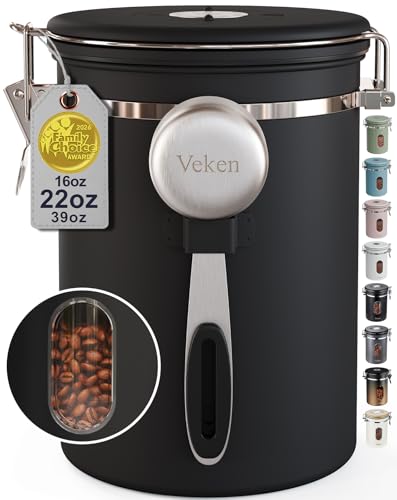
Veken Coffee Canister with Window, Airtight Stainless Steel Container, 22OZ
- Gift for Coffee Lovers: Stylish and functional coffee storage gift
- Date Tracker and Window: Track expiry dates and view contents easily
- Includes Free Coffee Scoop: Comes with a stainless steel scoop
As an affiliate, we earn on qualifying purchases.
As an affiliate, we earn on qualifying purchases.
What’s Next
Researchers plan to investigate the mechanisms behind coffee’s protective effects further and explore optimal consumption levels. Public health guidelines may gradually incorporate these findings, encouraging moderate coffee intake as part of a healthy lifestyle.

QHH Cold Brew Coffee Maker, 64 oz Mason Jar Pitcher with Stainless Steel Filter, Pour Spout Handle Lid, Airtight & Leak-Proof for Iced Coffee,Tea & Lemonade
- Maximum Safe Water Temperature: 60°C (140°F)
- Includes Mason Jar and Accessories: Pitcher, filter, brush
- Large 64 oz Capacity: Suitable for daily use
As an affiliate, we earn on qualifying purchases.
As an affiliate, we earn on qualifying purchases.
Key Questions
How much coffee is safe to drink daily?
Most studies suggest that up to four cups of coffee per day is safe for most adults and may offer health benefits. Pregnant women should limit intake to one or two cups, based on current guidelines.
Does decaffeinated coffee offer the same benefits?
Yes, research indicates that decaffeinated coffee provides similar protective effects, likely due to polyphenols and other compounds independent of caffeine.
Can coffee consumption help prevent specific diseases?
Evidence suggests coffee may reduce risks of dementia, liver cirrhosis, liver cancer, and type 2 diabetes. However, it is not a guaranteed preventive measure.
Are there any risks associated with drinking coffee?
For most people, moderate coffee consumption is safe. Excessive intake can cause sleep disturbances, increased heart rate, or gastrointestinal issues in some individuals.