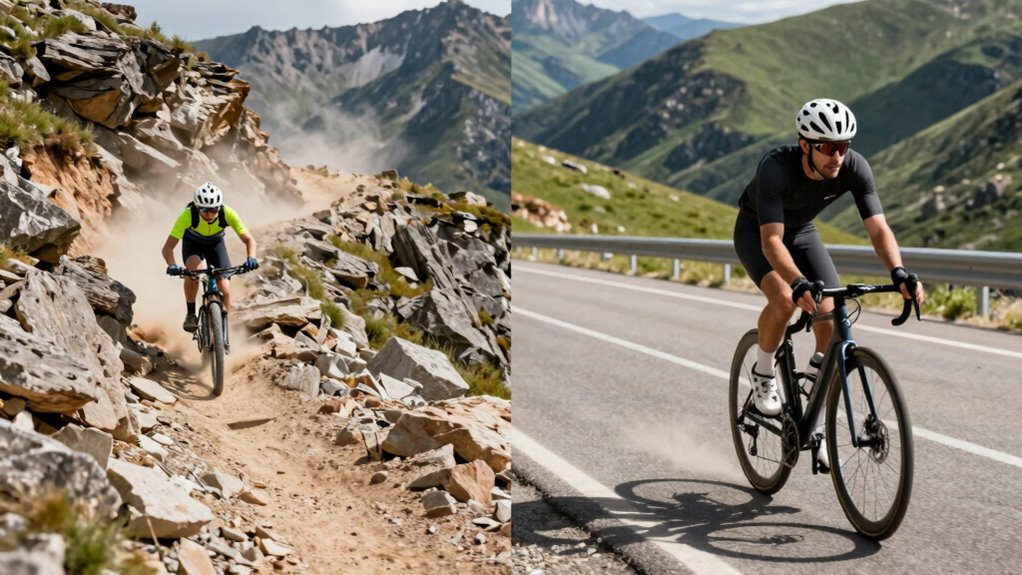

Choosing between mountain biking and road cycling isn’t about which is harder, but what suits you better. Mountain biking demands technical skills, quick reflexes, and resilience on rugged trails with obstacles, making it physically and mentally tough. Road cycling emphasizes endurance, pacing, and sustained effort on smooth surfaces. Both challenge you differently, depending on your strengths. If you want to discover more about how each sport pushes you, keep exploring how terrain and equipment influence their difficulty levels.
Listen free for 30 days with Audible
Thousands of audiobooks and originals — cancel anytime.
As an affiliate, we earn on qualifying purchases.
Key Takeaways
- Mountain biking requires navigating technical obstacles and rough terrain, demanding quick reflexes and specialized skills.
- Road cycling emphasizes endurance and sustained effort over long distances, testing cardiovascular stamina.
- Mountain biking causes more frequent wear on tires and suspension, leading to increased maintenance needs.
- Road cycling involves maintaining high speeds and steady pacing, requiring strong aerobic capacity.
- The perceived difficulty depends on individual skills and preferences for technical challenges or endurance riding.
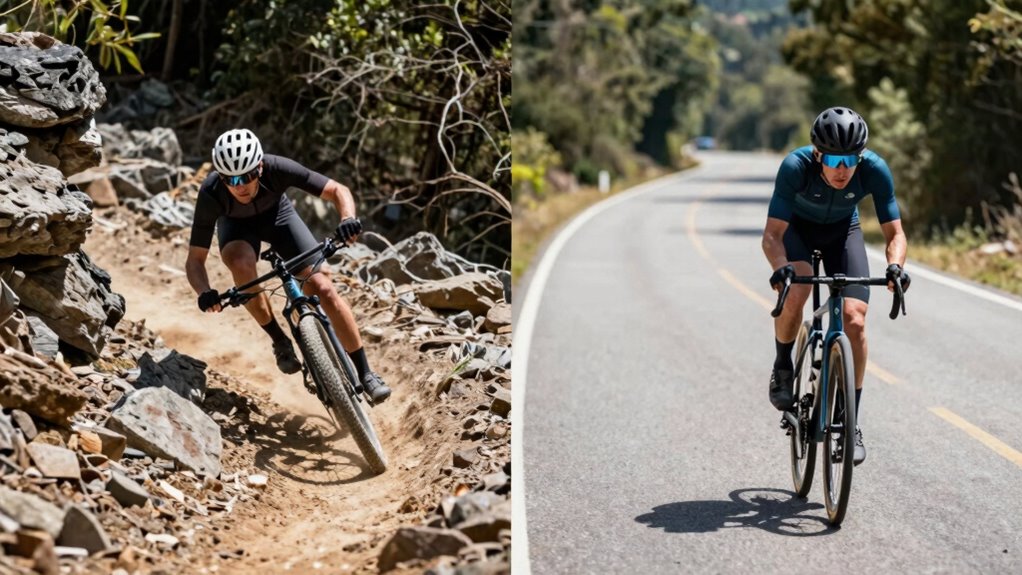
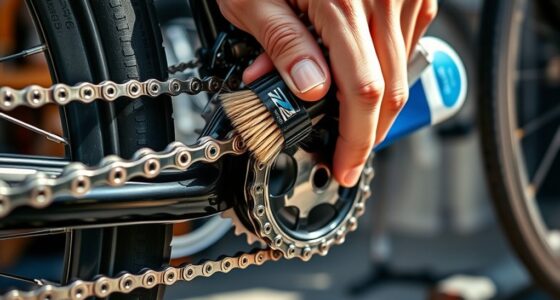
When choosing between mountain biking and road cycling, it’s important to understand how each sport caters to different preferences and terrains. Mountain biking often involves tackling rough, uneven trails, demanding more from your bike and your body. Road cycling, on the other hand, takes place on smoother surfaces, emphasizing endurance and speed. This fundamental difference influences not only your riding experience but also the level of difficulty involved. Mountain biking generally requires more technical skills, as you navigate obstacles like rocks, roots, and steep inclines, which can be physically taxing and mentally challenging. You’ll find yourself constantly adjusting your bike maintenance routine to keep your mountain bike in top shape, as the rugged terrain accelerates wear and tear, especially on tires, suspension, and drivetrain components. Proper bike maintenance is crucial to ensuring safety and optimal performance across different terrains.
Mountain biking demands technical skills and resilience for tackling rugged, obstacle-filled trails.
In contrast, road cycling involves longer distances and sustained effort, demanding excellent endurance and pacing. While it may seem less physically demanding than mountain biking, it can be equally challenging due to the need for precise control, aerodynamic positioning, and stamina. Your cycling apparel becomes crucial here—wearing the right gear enhances comfort and reduces fatigue during long rides, whether it’s padded shorts, moisture-wicking jerseys, or aerodynamic helmets. Proper cycling apparel also helps in maintaining focus and performance, especially on extended rides, making your experience more enjoyable and less tiring. Additionally, understanding terrain adaptability can help cyclists choose the right equipment and strategies for different riding conditions, ensuring both safety and efficiency. Recognizing the importance of routine maintenance can further extend the lifespan of your bike and improve your riding experience, especially on demanding terrains.
The difficulty level also ties into the mental aspect. Mountain biking often presents unpredictable obstacles, requiring quick reflexes and problem-solving skills. You need to be prepared for sudden technical challenges and changing trail conditions, which can be mentally exhausting. Road cycling, while more predictable, tests your ability to maintain a steady pace over hours, pushing your cardiovascular limits. Both sports demand dedication—mountain biking might require more frequent bike maintenance due to the harsher conditions, while road cycling could push you to your physical and mental limits over long distances. Recognizing emerging trends in digital publishing and integrating them can enhance how you learn about and prepare for these sports. Ultimately, neither sport is inherently harder than the other; it depends on your strengths and preferences. If you thrive on technical challenges and rough terrain, mountain biking might feel more demanding. If you prefer sustained effort and speed over long stretches, road cycling can be equally tough. Whichever you choose, investing in proper bike maintenance and appropriate cycling apparel will help you handle the physical demands and keep your ride smooth and enjoyable.
mountain bike tires and suspension
As an affiliate, we earn on qualifying purchases.
As an affiliate, we earn on qualifying purchases.
Frequently Asked Questions
How Do Injury Risks Compare Between Mountain Biking and Road Cycling?
You face more injury risks mountain biking due to trail hazards like rocks, roots, and steep descents, which demand helmet safety awareness. While road cycling involves fewer trail hazards, you still risk crashes from high speeds, traffic, or uneven surfaces. Mountain biking’s rugged terrain increases the chance of falls and serious injuries, but proper helmet safety and caution can help minimize risks in both sports.
Which Cycling Discipline Requires More Technical Skills?
You’ll find mountain biking demands more technical skills, especially in bike handling and terrain navigation. Ironically, steering through rocky trails and tricky descents sounds simple, but it takes finesse and quick reflexes. Road cycling feels more straightforward—mostly smooth, predictable surfaces. Yet, mastering mountain trails pushes you to develop precision and control, making it a more skill-intensive discipline. So, if you’re after a real challenge, mountain biking’s your answer.
How Do Maintenance Needs Differ for Mountain Bikes Versus Road Bikes?
You’ll find that mountain bikes generally require more maintenance than road bikes, mainly due to their demanding terrain. Mountain bike frames need extra attention for durability, as they endure rough trails, and you’ll have to check tire pressure and tread more frequently. Road bikes, however, typically need less frequent tire maintenance and have more durable frames suited for smooth pavement, making upkeep a bit simpler and less time-consuming.
What Are the Environmental Impacts of Each Cycling Type?
Like Icarus soaring, you might wonder about cycling’s environmental impact. Mountain biking often stays on eco-friendly trails, helping preserve nature, but can disturb delicate ecosystems if not careful. Road cycling, on the other hand, can reduce urban pollution by encouraging eco-conscious transportation. Both help cut emissions, but responsible riding on designated paths minimizes environmental harm. Your choices, like Icarus’s wings, can either damage or protect our planet’s fragile balance.
Which Cycling Form Offers Better Longevity for Joints and Muscles?
You’ll find that road cycling generally offers better longevity for your joints and muscles because it involves smoother, more consistent movements, reducing joint strain. It also helps build muscle endurance steadily without the sudden impacts found in mountain biking. Mountain biking, on the other hand, can put more stress on your joints due to rough terrain and jumps. So, if you want to preserve your joint health long-term, road cycling might be the smarter choice.
As an affiliate, we earn on qualifying purchases.
Conclusion
Ultimately, mountain biking pushes you through rugged terrain, demanding strength and agility, while road cycling tests your endurance on smooth surfaces. Imagine tackling a steep, rocky trail after a long day—your muscles burn, but the thrill keeps you going. Conversely, on a flat, endless highway, your stamina is put to the test. Both are challenging in their own way, but it’s your goals and preferences that determine which is harder for you.
As an affiliate, we earn on qualifying purchases.
As an affiliate, we earn on qualifying purchases.
NFL season / tailgating Picks
team gear
As an affiliate, we earn on qualifying purchases.