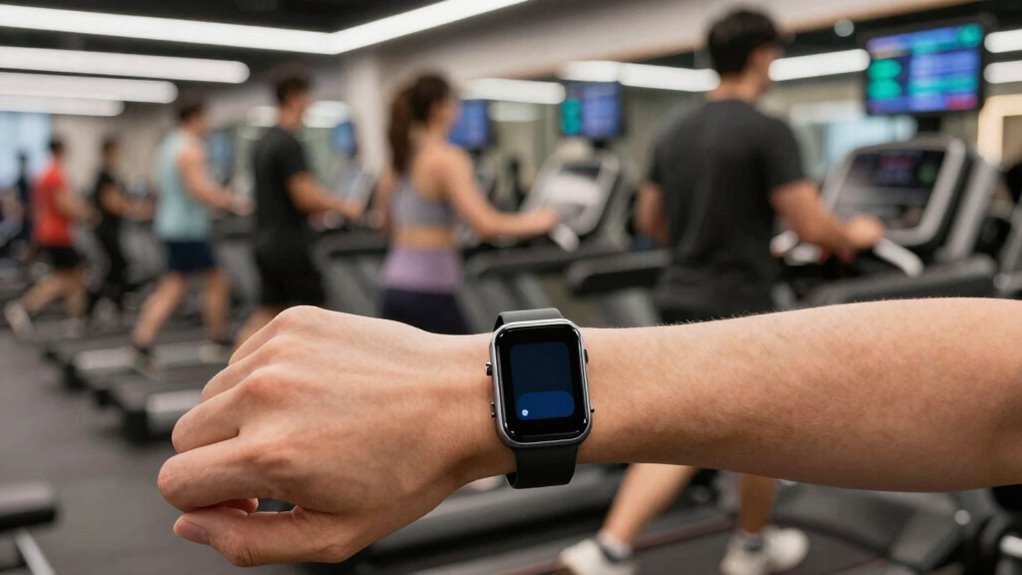

When you use a fitness tracker, your sensitive data is protected with encryption, which keeps it safe from hackers during transfer and storage. Companies usually have clear privacy policies that explain how your data is collected, shared, and controlled. You typically have options to limit or delete your information and can opt out of third-party sharing. Trustworthy companies are transparent about their security measures, so knowing what happens to your data helps you stay informed about your privacy.

Get workout gear delivered free — and shop member deals
- Fast, free delivery on millions of items
- Access to Prime Big Deal Days deals on October 6–7
- Prime Video, Amazon Music and more included
Key Takeaways
- Fitness trackers often collect sensitive health data that may be shared with third parties unless users opt out.
- Data is typically encrypted to protect it during transmission and storage, but privacy policies vary by company.
- Users should review privacy policies to understand how their data is used, shared, or sold.
- Companies may use aggregated data to improve services or develop new products, with transparency being essential.
- Users have control options, such as deleting data or restricting sharing, to better protect their privacy.

As fitness trackers become more popular, many people are increasingly concerned about how their personal data is collected, used, and stored. You want to enjoy the benefits of tracking your steps, heart rate, and sleep patterns without worrying about your information falling into the wrong hands. That’s where data encryption comes into play. Reputable fitness tracker companies implement data encryption to protect your sensitive information. This means your data is scrambled into a coded format, making it nearly impossible for hackers or unauthorized parties to access it. Encryption acts as a digital lock, ensuring that only authorized systems can decode and view your personal health details. However, encryption alone isn’t enough. You also need to be aware of how your data is being used and whether you’re giving informed user consent.
When you set up your fitness tracker, you’re often prompted to agree to the company’s privacy policy. This policy explains how your data will be collected, stored, and shared. It’s critical to read these documents carefully, so you understand what you’re agreeing to. User consent isn’t just a formality; it’s your legal protection. You have the right to know if your data might be shared with third parties, such as advertisers or research institutions. Some companies may use your aggregated data to improve their services or develop new products, but they should always seek your explicit permission before doing so. If you’re uncomfortable with certain uses of your data, you should have the option to opt out or restrict sharing.
Your privacy depends on the company’s commitment to transparency and security measures. Good companies will clearly outline their data practices and implement robust security protocols, including data encryption, to safeguard your information. They should also give you control over your data, allowing you to delete or restrict access at any time. While data encryption protects your data during transmission and storage, user consent ensures you’re aware of and agree to how your data is being utilized. Additionally, understanding projector technology can help you make informed choices when selecting devices that best suit your needs. Furthermore, being aware of data security practices is essential to understanding how your information is protected beyond encryption. Recognizing the importance of robust security protocols can help you better assess a company’s commitment to safeguarding your data. An understanding of modern toilet systems can also help you appreciate the importance of reliable, secure infrastructure in everyday life.
fitness tracker with data encryption
As an affiliate, we earn on qualifying purchases.
As an affiliate, we earn on qualifying purchases.
Frequently Asked Questions
Can Fitness Trackers Share Data With Third-Party Advertisers?
Yes, fitness trackers can share your data with third-party advertisers. They often do this through third-party sharing agreements or advertising partnerships, which allow companies to use your health and activity information for targeted ads. You should review your device’s privacy settings to understand how your data is shared and consider opting out if you’re uncomfortable with third-party sharing or advertising partnerships.
How Long Do Companies Retain My Fitness Data?
They often keep your fitness data for as long as necessary to provide services, comply with legal obligations, or for analytics. Think of it like “a watched pot never boils”—your data is retained until it’s anonymized or deleted. Companies should respect your user consent, and data anonymization helps protect your identity if they retain it longer. Still, always review privacy policies to know exactly how long your data stays stored.
Is My Location Data Stored Securely?
Your location data is usually stored securely, thanks to data encryption that protects it from unauthorized access. Fitness tracker companies often require your user consent before collecting or sharing your location data, ensuring you’re aware of how it’s used. However, it’s crucial to review their privacy policies to understand their security measures better and decide if you’re comfortable with how your data is being stored and protected.
Are There Legal Protections for Fitness Data?
You’re protected by legal laws that regulate your fitness data, but their strength varies. About 90% of countries have data protection laws, yet enforcement can be inconsistent. Your fitness data is safeguarded through data encryption, making it difficult for hackers to access. Additionally, your user consent is essential; companies must obtain it before collecting or sharing your information. Stay informed and review privacy policies to guarantee your data’s security.
Can I Delete My Data From Fitness Tracker Servers?
Yes, you can delete your data from fitness tracker servers. Usually, the company provides options for data deletion within their app or website. They use data encryption to protect your information during transmission and storage. However, your ability to delete data depends on your user consent and the company’s policies. Be sure to review their privacy settings and contact customer support if needed to guarantee your data is fully removed.
As an affiliate, we earn on qualifying purchases.
Conclusion
As you wear your fitness tracker, remember it’s like a double-edged sword—offering valuable insights but also slicing through your privacy. Your data is a precious treasure chest, easily opened by those with the right keys. Stay vigilant, read the fine print, and take control of what you share. Protecting your information is like guarding a fragile flame—it can easily flicker out if left unattended, so keep it burning brightly and wisely.
fitness tracker with data control options
As an affiliate, we earn on qualifying purchases.
As an affiliate, we earn on qualifying purchases.
As an affiliate, we earn on qualifying purchases.
Evergreen bestsellers Picks
bestsellers
As an affiliate, we earn on qualifying purchases.