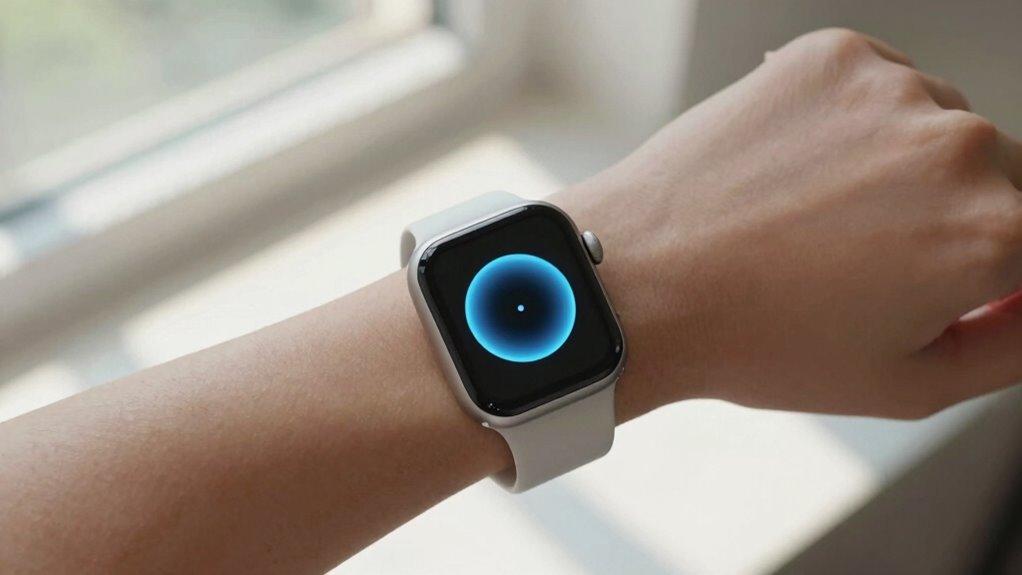

Wearable tech can help you manage stress and support your mental health by tracking essential signs like heart rate, sleep, and activity levels. These devices give real-time feedback and personalized alerts, encouraging you to take action, like breathing exercises, when needed. They also promote awareness of your mental state and healthier habits. As technology evolves, these tools become more reliable and user-friendly, making it easier for you to stay engaged and feel more in control. Keep exploring to discover more.

Get workout gear delivered free — and shop member deals
- Fast, free delivery on millions of items
- Access to Prime Big Deal Days deals on October 6–7
- Prime Video, Amazon Music and more included
Key Takeaways
- Wearables monitor physiological signals to detect early signs of stress, enabling timely intervention.
- Real-time feedback from devices encourages stress-reducing activities like breathing exercises.
- Personalized notifications and goal-setting boost user engagement and promote healthier mental health habits.
- Secure data privacy measures build user trust, increasing reliance on wearable stress management tools.
- Consistent device use and reliable operation enhance effectiveness in reducing stress over time.
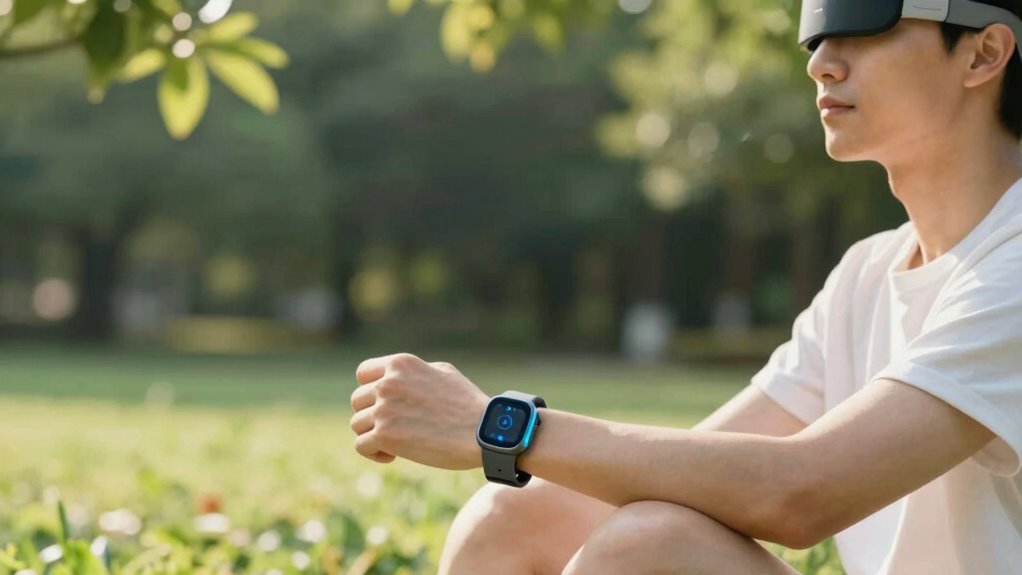
In recent years, wearable technology has emerged as a promising tool for supporting mental health. These devices, from smartwatches to fitness bands, track various physiological signals like heart rate, sleep patterns, and activity levels. By monitoring these metrics, wearable tech can help you identify early signs of stress and anxiety, providing real-time feedback that encourages you to take action. For example, if your heart rate spikes during a hectic day, the device might suggest breathing exercises or mindfulness practices to help you calm down. This immediate feedback can be a game-changer, making you more aware of your mental state and promoting healthier coping strategies.
Additionally, the integration of power safety considerations in wearable devices is crucial to ensure they operate reliably and securely, especially when used continuously. However, as you rely more on these devices, data privacy becomes a critical concern. The sensitive nature of mental health data means that you need to trust that your information is protected from breaches or misuse. Manufacturers are increasingly aware of this, implementing encryption and strict privacy policies to safeguard your data. Still, it’s essential to read the fine print and understand how your information is stored and shared. Knowing that your data remains confidential reassures you and encourages ongoing user engagement with the technology. When you feel confident about your privacy, you’re more likely to use the devices consistently and benefit from the ongoing insights they offer. Ensuring reliable operation is also essential to maintain trust and effectiveness over time. Moreover, understanding the capacity and display features of these devices can enhance your experience by providing clearer and more accurate visual feedback. Incorporating security measures in device design further protects your data from potential threats.
User engagement is another vital factor in determining whether wearable tech can genuinely reduce stress. If you find the device intrusive or difficult to use, you’re less inclined to stick with it over time. Manufacturers are designing user-friendly interfaces and offering personalized notifications to keep you motivated. For instance, some devices use gamification or set daily goals to make mental health management more engaging. When the device seamlessly fits into your routine, you’re more likely to stay committed, which enhances its effectiveness. The key is making the technology feel like a helpful companion rather than a burdensome task, encouraging you to keep using it even during stressful periods.
Ultimately, wearable devices have the potential to significantly reduce stress by providing personalized insights and coping tools. But their success depends on your trust in data privacy measures and your willingness to stay engaged with the technology. When these factors align, you can harness wearable tech to develop healthier habits, better understand your mental health, and find effective ways to manage stress daily. As the technology continues to evolve, so will its ability to support your mental well-being, making it a valuable addition to your mental health toolkit.
Frequently Asked Questions
How Accurate Are Wearable Devices in Detecting Mental Health Issues?
Wearable devices vary in sensor accuracy and data reliability when detecting mental health issues. While they can monitor indicators like heart rate and sleep patterns, their ability to accurately identify conditions like anxiety or depression isn’t perfect. You should see them as helpful tools for tracking trends rather than definitive diagnoses. Their sensor accuracy is improving, but they still require validation and should complement professional mental health assessments.
Can Wearable Tech Replace Traditional Therapy for Mental Health Treatment?
Wearable tech can’t replace traditional therapy because of device reliability issues and the need for personalized, professional care. While these devices can support mental health by tracking stress or mood, they lack the nuanced understanding and guidance a therapist provides. You might use wearables as a supplementary tool, but relying solely on them for therapy substitution isn’t effective. For all-encompassing mental health treatment, seek professional help alongside technology.
Are There Any Privacy Concerns With Mental Health Data From Wearables?
Like Pandora’s box, concerns around privacy with mental health data from wearables exist. You might worry about data security breaches or your sensitive information being exposed. To protect yourself, make sure devices prioritize user anonymity and have strong security measures in place. Always read privacy policies and choose reputable brands. Staying informed helps you keep your mental health data safe, just as you guard your personal treasures in everyday life.
How Long Does It Take to See Benefits From Using Mental Health Wearables?
You might start noticing benefits from mental health wearables within a few days to a few weeks, depending on your user engagement and how well you customize the device to fit your needs. Consistently tracking your stress levels and practicing recommended interventions helps. The more you actively engage and tailor the device’s features, the quicker you’ll likely see improvements in managing stress and enhancing your overall mental well-being.
Are Wearable Devices Suitable for All Age Groups?
Like the timeless wisdom of the ages, wearable devices suit many, but not all. You should consider age-specific usability and device design considerations before choosing one. Younger users might prefer sleek, high-tech features, while older adults may need simpler interfaces and larger displays. It’s essential to select a device tailored to your age group to maximize comfort, effectiveness, and ease of use, ensuring the technology truly benefits your mental health journey.
Conclusion
You might be surprised to learn that nearly 70% of wearable device users report feeling more in control of their stress levels. Wearable tech for mental health offers a promising way to manage daily pressures, helping you stay mindful and calm. As these devices continue to evolve, they could become essential tools in your wellness routine, making stress relief more accessible than ever. Embrace the technology that puts mental health support right on your wrist.
Fall Picks
fall essentials
As an affiliate, we earn on qualifying purchases.