
TL;DR
Nursing home operators Signature HealthCARE and Trilogy Health Services are expanding staff training and standardizing programs for wound care, infection prevention, behavioral health and other complex needs. Leaders describe dashboards, weekly clinical reviews and root-cause analysis as ways to spot problems, but the report does not provide comparative outcome data.
Nursing home operators Signature HealthCARE and Trilogy Health Services are expanding staff training, clinical certifications and monitoring programs to manage residents with higher acuity, multiple conditions and behavioral challenges, according to a report published by Skilled Nursing News in October 2026. The efforts cover areas including wound care, infection prevention, behavioral health and intravenous medications, as operators use dashboards and clinical reviews to identify problems and guide improvement work.

Get workout gear delivered free with Prime
- Fast, free delivery on millions of items
- Prime Video, Amazon Music and more included
- Member-only deals all year
Trilogy reviews a weekly summary of unplanned hospitalizations, antipsychotic use, infections, abnormal laboratory results and critical lab reports, said Rhonda Dempsey, the company’s senior vice president and chief nursing officer. Its medical director reviews the information, and recurring patterns can be brought to monthly Quality Assurance and Performance Improvement (QAPI) meetings for further investigation. Dempsey said those meetings can lead to focused projects intended to identify root causes.
For wound care, Trilogy has added a wound-care-certified nurse at every campus, provided staff training and used a dashboard to monitor services across facilities. Dempsey also described a standardized wound-care formulary, an approved list of products and treatments intended to support consistent practice. Signature, meanwhile, funds wound-care certification for two nurses per facility. Chief Nursing Officer Barbara Revelette said the company certified 150 nurses over the past two years, supported in part by $1 million in grant funding.
Both operators also described infection-prevention monitoring and training. Signature uses return demonstrations: a trainer teaches and demonstrates a task, then observes the employee performing it. Trilogy tracks infection measures against company targets and conducts a focused review when a facility falls short, Dempsey said. Revelette said Signature’s staff training also addresses behavioral health and crisis prevention, while nurses are administering and monitoring more IV medications as resident care becomes more complex.
Training Meets Higher Care Needs
The programs matter because a resident’s needs can involve several clinical and behavioral issues at once, placing demands on staff skills, time and facility resources. Certification, consistent procedures and regular reviews are intended to help operators identify gaps and provide care across multiple locations, rather than relying only on individual staff experience.
The report also describes a cost and staffing challenge. Revelette said IV medications require more nursing time and complex processes; she noted that payment rates may rise for such services, while costs rise too. The operators’ accounts show how they are responding, but they do not establish that the programs have improved resident outcomes or reduced hospital transfers, infections or medication use.
Products Worth Considering

Withings BeamO Contactless Smart Thermometer, ECG Monitor, and Digital Stethoscope
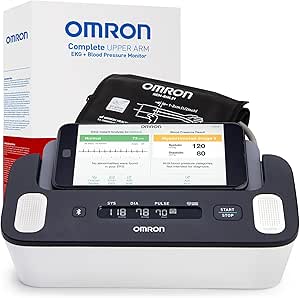
OMRON Complete 2-in-1 Upper Arm Blood Pressure Monitor with EKG

Levoit Vital 200S-P Smart Air Purifier for Large Rooms
As an affiliate, we earn on qualifying purchases.
How Operators Review Care
The report places these initiatives against a backdrop of rising resident acuity, comorbidities and behavioral challenges. It focuses on two Louisville-based operators and describes their approaches through comments from their nursing leaders. The material is a report on operational practices, not a regulatory announcement or a study comparing results across nursing homes.
Trilogy’s weekly review and monthly QAPI discussions form a cycle: clinical events are collected, medical leadership reviews them, and repeated patterns may prompt a targeted project. Dempsey also described a separate effort to pursue voluntary Joint Commission accreditation for Trilogy’s assisted-living properties. As part of QAPI work, staff worked with pharmacy teams to review medications at admission, check diagnoses and educate clinicians about antipsychotic use. She said the work drew attention to psychotropic medication use in assisted living.
Signature’s wound-care effort combines staff certification with support from a wound-care company, which helps with skin checks and data entry for root-cause review, according to Revelette. For infection prevention, she described standardized practices and enhanced onboarding. These examples show distinct approaches reported by the two companies; the article does not say that every nursing home follows the same programs.
“We set targets company wide, and then monitor what is happening.”
— Rhonda Dempsey, senior vice president and chief nursing officer at Trilogy Health Services
Outcomes and Costs Unreported
The report does not provide before-and-after results showing whether the described programs changed infection rates, wound outcomes, antipsychotic use, hospitalizations or staffing levels. It also does not specify the cost of each program beyond Signature’s reported $1 million in grant funding for wound-care training, or explain how that funding was distributed.
It remains unclear how widely these practices are used across the broader nursing home sector and whether the operators’ programs are comparable. The article reports leaders’ descriptions of their systems; it does not independently assess program effectiveness or establish that a particular training model caused a clinical change.
Operators Continue Clinical Reviews
According to the report, Trilogy’s teams will continue weekly clinical reviews and bring recurring trends to monthly QAPI meetings, where focused improvement projects may follow. Its infection-prevention program tracks results against company targets, while wound-care dashboards give leaders information across campuses.
Signature’s reported approach includes continued staff training, wound-care certifications and infection-prevention onboarding. The report does not identify a new deadline, forthcoming evaluation or published outcome measure for either operator. Further evidence about results would be needed to assess whether these investments change care outcomes or costs.
Key Questions
Which nursing home operators are described in the report?
The report focuses on Signature HealthCARE and Trilogy Health Services, drawing on comments from their nursing leaders. It does not claim that their practices represent all nursing homes.
What kinds of clinical training are the operators adding?
The examples include wound-care certification, infection-prevention instruction, return demonstrations and behavioral health or crisis-prevention training. Signature also described training nurses to administer and monitor IV medications as care needs grow more complex.
How does Trilogy monitor clinical issues?
Trilogy reviews weekly information that includes hospitalizations, antipsychotic use, infections and abnormal or critical lab results. Its medical director reviews the information, and recurring patterns may be discussed at monthly QAPI meetings.
Did the report show that these programs improved outcomes?
No comparative outcome results were provided. The report describes the operators’ training and monitoring practices but does not establish whether they reduced infections, hospitalizations, medication use or other clinical measures.
Source: rss