To build muscle with just bodyweight exercises, focus on mastering movements like push-ups, pull-ups, squats, and lunges. Start with proper form to prevent injuries, and gradually increase the challenge by elevating your feet or adding more reps. Aim for 3-4 workouts each week, targeting different muscle groups to guarantee balanced development. Stay consistent and keep challenging your muscles to prevent plateaus. Keep going to discover more effective techniques for your bodyweight training journey.
Key Takeaways
- Master fundamental exercises like push-ups, pull-ups, squats, and lunges to build a solid strength foundation.
- Incorporate progression techniques, such as increasing reps or adjusting exercise tempo, to continually challenge your muscles.
- Maintain a consistent workout schedule, targeting different muscle groups 3-4 times per week for balanced development.
- Focus on proper form to enhance effectiveness and reduce injury risk during bodyweight training.
- Utilize outdoor settings for workouts to boost motivation and enjoyment in your training routine.

While you might think building muscle requires heavy weights and fancy gym equipment, bodyweight exercises can be just as effective. You can sculpt your body using just your own weight, and the best part is, you can do it anywhere. The key to success lies in understanding how to apply progression techniques and manage your workout frequency effectively.
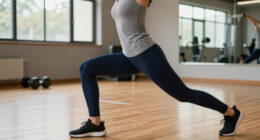
To start building muscle with bodyweight exercises, focus on mastering the fundamentals. Push-ups, pull-ups, squats, and lunges are excellent choices. Initially, you might find these moves challenging, but that’s okay. As you continue to practice, you’ll develop strength and technique. Remember, every time you successfully complete a set, you’re one step closer to your goals.
Once you’ve mastered the basic movements, it’s time to implement progression techniques. These techniques allow you to increase the difficulty of your workouts without needing weights. For instance, if you can perform ten standard push-ups with ease, try elevating your feet to make them more challenging. Alternatively, you can switch to one-arm push-ups or explosive push-ups to push your limits further. You can also increase the number of repetitions or sets to continue challenging your muscles.
Another effective progression technique involves varying your exercise tempo. Slowing down the eccentric phase of an exercise (the lowering portion) can increase time under tension, which is essential for muscle growth. If you’re doing squats, take three seconds to lower yourself and then explode upwards. This simple adjustment can considerably enhance your workout without requiring any additional equipment.
Workout frequency plays a significant role in building muscle through bodyweight exercises. Aim for at least three to four sessions per week, targeting different muscle groups each time. This frequency gives your muscles enough stimulus to grow while also allowing adequate recovery. Be mindful of giving specific muscle groups at least 48 hours to recuperate. You might alternate between upper body, lower body, and core workouts to keep things balanced.
Lastly, don’t underestimate the importance of consistency. Stick to your routine, and you’ll start noticing changes in your strength and physique. Keep challenging yourself with new progression techniques and maintain a regular workout frequency. Additionally, incorporating outdoor settings for workouts can enhance your motivation and enjoyment. Before you know it, you’ll be building muscle effectively with nothing but your body weight to rely on. So, get moving, stay disciplined, and enjoy the journey of transforming your body!

MQRW Push Up Board,Home Gym,Portable Exercise Equipment,Pilates Bar and 20 Fitness Accessories with Resistance Bands and Ab Roller Wheel,Full Body Workout at Home
- Versatile Workout Equipment: Includes multiple attachments for full-body workouts
- Innovative Push Up Board: Color-coded design targets specific muscle groups
- Portable Home Gym: Compact, space-saving design for on-the-go fitness
As an affiliate, we earn on qualifying purchases.
As an affiliate, we earn on qualifying purchases.
Frequently Asked Questions
Can Bodyweight Exercises Replace Weightlifting Completely?
Yes, bodyweight exercises can replace weightlifting for many, especially when you use advanced training techniques. You can incorporate equipment alternatives like resistance bands or suspension trainers to enhance your workouts. By progressively increasing the difficulty of moves—like shifting from push-ups to one-arm variations—you’ll continue to challenge your muscles. While both methods have their merits, bodyweight training offers flexibility and can effectively build strength without needing a gym or heavy weights.
How Long Does It Take to See Muscle Growth?
You’ve probably heard the saying, “Good things come to those who wait.” When it comes to muscle growth, you can typically start seeing changes in about 4 to 8 weeks of consistent workouts. This muscle adaptation happens as your body responds to the stress of your routine. Stay consistent, push your limits, and you’ll notice those gains. Remember, patience is key, so don’t rush the process!
What Nutrition Is Best for Muscle Gain With Bodyweight Exercises?
To gain muscle with bodyweight exercises, focus on your calorie intake and protein sources. You need to consume more calories than you burn to create a surplus. Aim for high-quality protein sources like lean meats, eggs, dairy, legumes, and nuts. This’ll help repair and build your muscles after workouts. Don’t forget to incorporate healthy fats and carbs to fuel your energy levels, ensuring your body has everything it needs to grow effectively.
Are There Specific Bodyweight Exercises for Different Muscle Groups?
You’ve got a treasure chest of bodyweight exercises to explore, each one a key to uncovering different muscle groups. Think of push-ups and dips for your chest and triceps, while squats and lunges sculpt those legs. Planks and mountain climbers target your core, providing exercise variation that keeps things exciting. By strategically choosing exercises, you’re not just moving; you’re engaging in a dance of muscle targeting that builds strength and definition beautifully.
How Often Should I Do Bodyweight Workouts for Maximum Results?
You should aim for bodyweight workouts three to five times a week for maximum results. This training frequency allows your muscles to adapt and grow while maintaining workout consistency. Make sure to mix up your exercises to target different muscle groups, which can prevent plateaus. Listen to your body; if you’re feeling fatigued, take a rest day. Staying consistent with your routine will lead to the best muscle-building outcomes.

ALLY PEAKS Pull Up Bar Thickened Steel Pipe Super Heavy Duty Steel Frame Upper Workout Bar| Multi-Grip Strength for Doorway | Indoor Chin-Up Bar Fitness Trainer for Home Gym Portable (silver2)
- Heavy Duty Steel Construction: Made of 1.7mm thick steel, supports 440 lbs
- Comfortable Non-Slip Handles: Foam-coated handles for grip and wear resistance
- Multi-Function Home Gym: Supports pull-ups, push-ups, dips, crunches
As an affiliate, we earn on qualifying purchases.
As an affiliate, we earn on qualifying purchases.
Conclusion
In the journey to build muscle with bodyweight exercises, remember that consistency is your best friend. Just like a sculptor chisels away at stone, you’ll shape your body through dedication and effort. Embrace the challenge, and don’t underestimate the power of your own body. With patience and persistence, you’ll be amazed at what you can achieve. So, why not start today? Your future self will thank you for it!

Push Up Bars Strength Training – Workout Stands With Ergonomic Push-up Bracket Board with Anti-Slip Sturdy Structure Portable for Home Fitness Training, Push Up Stands Handle for Floor Workouts
- Target Upper Body Muscles: Ideal for chest, triceps, abs, back
- Sturdy & Slip-Resistant: Made of high-quality polypropylene with rubber feet
- Ergonomic Wrist Protection: Design reduces wrist strain and injury
As an affiliate, we earn on qualifying purchases.
As an affiliate, we earn on qualifying purchases.

Heavy Resistance Bands for Working Out, 300LBS Exercise Bands with Handles, Workout Bands for Men, Weight Fitness Bands Set for Muscle Training, Strength, Slim, Yoga, Home Gym Equipment
- Heavy-duty Resistance: 300LB professional-grade resistance band
- Premium Material: Made from 100% natural latex
- Comfortable Handles: Breathable, sweat-resistant foam handles
As an affiliate, we earn on qualifying purchases.
As an affiliate, we earn on qualifying purchases.