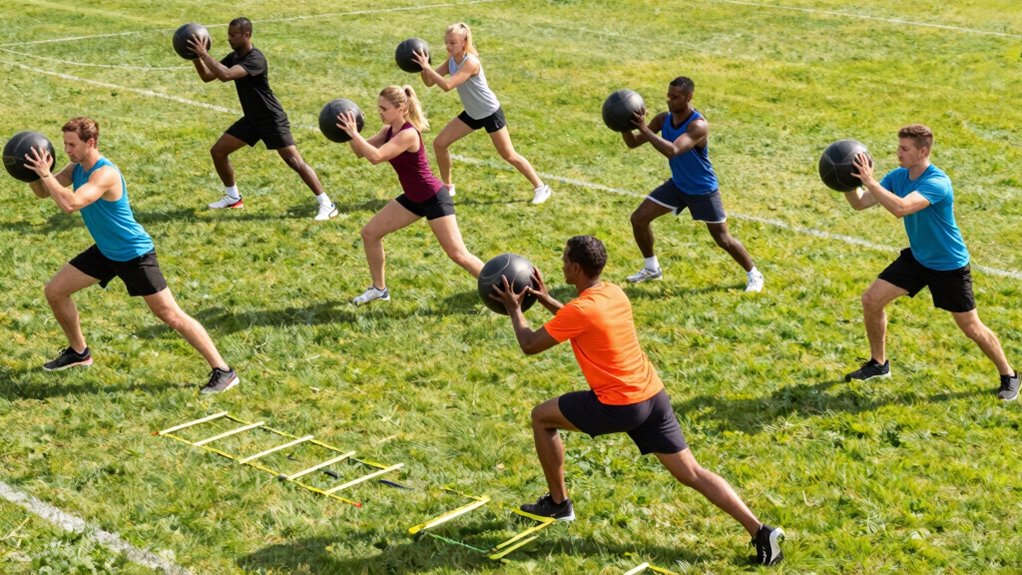

Cross-training helps you prevent injuries by targeting different muscle groups and allowing recovery from sport-specific stresses. It boosts your physical resilience and balance, improving coordination and reducing fall risks. Mentally, it keeps you motivated, sharpens focus, and builds confidence by trying new exercises. Cross-training promotes overall development, supporting stronger teamwork and resilience. For long-term success, it reduces injury risk and keeps you prepared for competitions. Keep exploring to discover even more ways it can benefit your game.
Key Takeaways
- Enhances injury prevention by targeting different muscle groups and reducing overuse injuries.
- Improves overall physical resilience, balance, and coordination for better on-field performance.
- Maintains motivation and mental sharpness through varied exercises, preventing burnout.
- Promotes balanced development and team cohesion through diverse training activities.
- Supports long-term athletic success by reducing injury risk and fostering mental and physical preparedness.
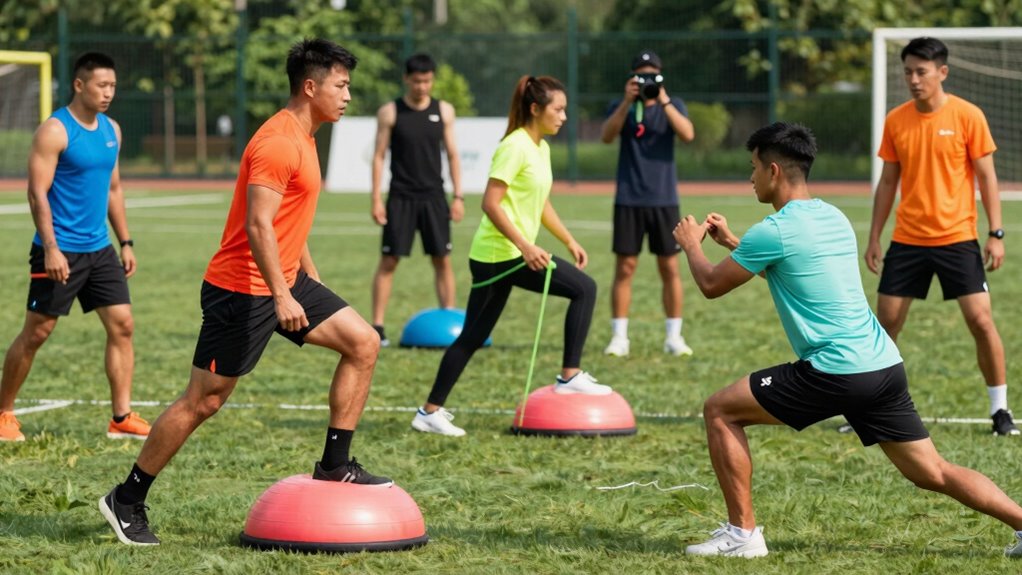
Cross-training offers numerous advantages for team sport athletes by enhancing overall performance and reducing the risk of injury. When you incorporate different types of exercises into your routine, you’re not only building varied muscle groups but also giving your body a chance to recover from specific sport-related stresses. This approach helps prevent overuse injuries, which are common among athletes who stick to the same movements day after day. By alternating activities—whether it’s cycling, swimming, or strength training—you target different muscles and joints, making your body more resilient and better equipped to handle the demands of your sport.
Cross-training builds resilience and prevents injuries by targeting different muscles and promoting recovery.
One of the key benefits of cross-training is injury prevention. Repetitive motions in your sport can lead to overuse injuries, but by diversifying your workouts, you reduce the strain on particular areas. For example, if you’re a soccer player, adding swimming sessions into your training can give your running muscles a break while still improving cardiovascular fitness. This variety not only minimizes wear and tear but also strengthens supporting muscles, tendons, and ligaments, making injuries less likely. Plus, cross-training enhances your overall balance and coordination, which are critical for avoiding falls and awkward movements during gameplay. Incorporating cross-training also promotes muscle balance, which is crucial for maintaining proper biomechanics and preventing imbalances that could lead to injury.
Beyond physical benefits, cross-training considerably boosts your mental resilience. Constantly engaging in the same routine can lead to mental fatigue and burnout, diminishing your performance and enthusiasm. When you switch things up, you keep your training fresh and engaging, which helps maintain your motivation. The mental challenge of learning new exercises or adapting to different training environments sharpens your focus and builds confidence. Facing and overcoming these new challenges prepares you mentally for the unpredictability of team sports, where quick thinking and adaptability are essential. This mental resilience translates into better focus during matches, quicker recovery from setbacks, and a more positive attitude toward your training.
Integrating cross-training into your schedule also promotes a more balanced development, which is essential for team cohesion. When your body is well-rounded and your mind is resilient, you approach team practices and games with greater energy and confidence. This holistic approach not only improves your physical capabilities but also enhances your mental toughness, helping you stay calm under pressure and bounce back from mistakes. Additionally, understanding the importance of injury prevention through diverse activities can motivate athletes to incorporate more variety into their routines. Ultimately, by prioritizing injury prevention and mental resilience through cross-training, you set yourself up for a longer, healthier, and more successful sporting career.
cross-training workout equipment
As an affiliate, we earn on qualifying purchases.
As an affiliate, we earn on qualifying purchases.
Frequently Asked Questions
How Often Should Athletes Incorporate Cross-Training Into Their Routine?
You should incorporate cross-training into your routine about 2 to 3 times a week for ideal scheduling. This training frequency allows you to build strength, improve endurance, and prevent injuries without overtraining. Adjust the intensity and type of cross-training based on your team’s season phase and personal recovery needs. Consistently mixing in cross-training ensures balanced fitness, boosts performance, and keeps your workouts engaging and effective.
Are There Specific Cross-Training Activities Best for Certain Team Sports?
Like a knight honing their skills, you can tailor cross-training activities to your sport. For soccer, focus on sport-specific drills to improve agility and ball control, while endurance exercises like cycling boost stamina. Basketball players benefit from plyometric drills for explosive power, and swimmers can enhance lung capacity with aerobic workouts. Choosing activities that mimic or complement your sport helps you stay sharp, prevent injuries, and elevate your game.
Can Cross-Training Help Prevent Specific Injuries in Team Sport Athletes?
Yes, cross-training can help prevent specific injuries in team sport athletes by addressing muscle imbalances and strengthening vulnerable areas. When you incorporate different activities, you reduce overuse injuries and improve overall balance. For example, adding swimming or cycling can protect your joints and enhance cardiovascular fitness, while targeted strength exercises help correct imbalances. This proactive approach minimizes injury risks, keeps you healthier, and boosts your on-field performance.
What Age Groups Benefit Most From Cross-Training in Team Sports?
You might think all age groups benefit equally from cross-training, but research shows age-specific adaptations matter. Youth athletes gain from cross-training because it promotes balanced development and reduces injury risk, supporting youth development. Older athletes can also benefit by maintaining fitness levels and preventing overuse injuries. So, while everyone benefits, youth and older athletes often see the most significant improvements through tailored cross-training programs that suit their developmental needs.
How Does Cross-Training Affect Team Cohesion and Communication?
Cross-training boosts team cohesion by fostering team trust as players learn new skills and rely on each other. It enhances communication effectiveness because athletes share experiences outside their usual roles, encouraging open dialogue and understanding. When everyone participates in diverse activities, it breaks down barriers, improves rapport, and promotes a unified team mindset. As a result, your team communicates better, works more seamlessly, and builds stronger bonds that carry over into game situations.
As an affiliate, we earn on qualifying purchases.
Conclusion
So, next time you’re tempted to stick to your boring routine, remember: cross-training isn’t just a fancy buzzword. It’s your secret weapon against burnout, injuries, and that nagging plateau. Embrace the variety, spice up your workouts, and watch your game improve — because why settle for just one skill when you can master them all? After all, who doesn’t love being the versatile athlete everyone envies? Go on, give it a whirl!
athletic balance and coordination tools
As an affiliate, we earn on qualifying purchases.
As an affiliate, we earn on qualifying purchases.

Amazon Basics High-Density Foam Roller for Exercise and Recovery, 18 Inches, Black
- Color: Black
- Usage: Exercise and recovery
- Size: 18 inches
As an affiliate, we earn on qualifying purchases.
As an affiliate, we earn on qualifying purchases.