Finding the best full-body strength workout equipment comes down to one big tradeoff: all-in-one weight-stack machines give you guided, joint-friendly resistance in a compact footprint, while Smith machines and suspension trainers offer more movement freedom at different price points. The JELENS H11 Multifunctional Home Gym earns my top spot for covering chest presses, lat pulldowns, leg work, and more off a single 150 lb stack with a small footprint. If you want room to grow, the GOIMU DM01 Dual-Station Smith Machine supports barbell-style training and heavier long-term progression, while the TRX All-in-One Suspension Trainer is the go-to for anyone short on space or budget. Bodyweight-focused buyers and strength-focused buyers want very different things from this category, so keep reading for the full breakdown.

Get workout gear delivered free — and shop member deals
- Fast, free delivery on millions of items
- Access to Prime Big Deal Days deals on October 6–7
- Prime Video, Amazon Music and more included
Complete the kit


Key Takeaways
- Weight-stack home gyms dominated this comparison because they cover press, pull, and leg movements in one footprint — the JELENS H11, Mikolo, and JEEKEE all delivered full circuits without swapping equipment.
- The leg press is the biggest differentiator between similarly priced machines: models like the JEEKEE and Sportsroyals include it, while the JELENS H11 and Mikolo trade it for a smaller footprint.
- Smith machines like the GOIMU DM01 and Gymusclo are the only picks here that support true progressive overload past roughly 150 lb, making them the right call for stronger lifters.
- Suspension trainers (TRX All-in-One and PRO3) can’t replace heavy resistance for building maximal strength, but they beat every machine on portability and core engagement.
- A 150 lb stack sounds generous until you factor in pulley friction and single-arm use — several mid-tier gyms feel lighter than their specs suggest, which shaped the rankings.
| JELENS H11 Multifunctional Home Gym with 150 lb Weight Stack |  | Best for Joint-Friendly Beginner Training | Model: H11 | Weight stack: 150 lb (146 lb stated in title) | Pulley positions: High, medium, and low | VIEW LATEST PRICE | See Our Full Breakdown |
| GOIMU DM01 Dual-Station Smith Machine Home Gym |  | Best for Training Partners | Model: DM01 | Weight stack: 140 lb selectorized | Frame tubing: 2 in × 2 in steel | VIEW LATEST PRICE | See Our Full Breakdown |
| JEEKEE 150LB Home Gym with Leg Press, LAT Pulldown & Chest Fly |  | Best Value All-in-One | Dimensions: 79″ H × 39″ W × 67″ D | Weight stack: 150 lbs selectorized | Frame material: Reinforced steel | VIEW LATEST PRICE | See Our Full Breakdown |
| All-in-One Home Gym System with 122.5 lb Weight Stack |  | Best for Heavier Users on a Budget | Weight stack: 122.5 lbs | Frame: 1.5-inch thickened steel tubing | Maximum user weight: 500 lbs | VIEW LATEST PRICE | See Our Full Breakdown |
| Mikolo Home Gym Station with 152 lb Weight Stack |  | Best for Exercise Variety | Brand: Mikolo | Weight stack: 152 lbs | Frame material: 14-gauge steel | VIEW LATEST PRICE | See Our Full Breakdown |
| Gymusclo All-in-One Smith Machine Home Gym with 150 lb Weight Stack |  | Best Machine Variety | Brand: Gymusclo | Model: YLSW-001 | Weight Stack: 150 lbs (12 × 12.5 lbs, pin-loaded) | VIEW LATEST PRICE | See Our Full Breakdown |
| Rubberbanditz Parallettes and Dip Station |  | Best Calisthenics Starter | Brand: Rubberbanditz | Material: Steel with foam-covered tops | Model Number: PUG-008 01 | VIEW LATEST PRICE | See Our Full Breakdown |
| XGSW Multi-Function Home Gym Workout Station |  | Best Warranty Coverage | Brand: XGSW | Dimensions (L×W×H): 69.1 in × 39.2 in × 78.7 in | Counterweight: 154 lbs, built-in | VIEW LATEST PRICE | See Our Full Breakdown |
| TRX All-in-One Suspension Trainer System | 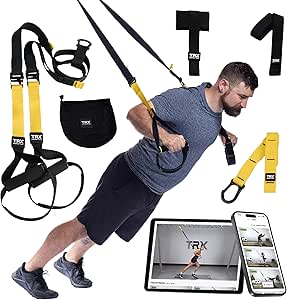 | Best for Small Spaces | Maximum Supported Weight: 700 lbs | Included Accessories: Indoor/outdoor anchors, mesh travel bag | Workout App: TRX Training Club free trial, 500+ on-demand workouts | VIEW LATEST PRICE | See Our Full Breakdown |
| TRX PRO3 Suspension Trainer Home Gym System |  | Best Premium Bodyweight Pick | Weight: 1.7 pounds | Material: Nylon straps with textured rubber-grip handles | Included Components: Suspension trainer, 3 anchors, handles, padded foot cradles, 8-week program | VIEW LATEST PRICE | See Our Full Breakdown |
| AEKE S1 Pro Smart Home Gym System |  | Best Smart Home Gym | Brand: AEKE | Model: S1 Pro | Maximum Digital Resistance: 220 lbs | VIEW LATEST PRICE | See Our Full Breakdown |
| Home Gym Machine with 148 lb Weight Stack |  | Best Budget All-in-One Station | Weight Stack: 148 lbs | Exercise Options: More than 35 | Frame: Commercial-grade steel | VIEW LATEST PRICE | See Our Full Breakdown |
| Multifunctional Home Gym System with 160 lb Weight Stack |  | Best Heavy-Duty Build | Weight Stack: 160 lbs vinyl selectorized | Frame Material: 1.5″ industrial-grade thickened steel tubing | Max User Weight: 500 lbs | VIEW LATEST PRICE | See Our Full Breakdown |
| SincMill Multifunctional Home Gym |  | Best for Simple Setup | Brand: SincMill | Equipment Type: Multifunctional home gym | Frame Material: Thick steel | VIEW LATEST PRICE | See Our Full Breakdown |
| Sportsroyals Multifunctional Home Gym with Leg Press |  | Best for Families | Brand: Sportsroyals | Model: DRZ-NEW | Exercise Functions: More than 35 | VIEW LATEST PRICE | See Our Full Breakdown |
| full-body strength workout equipment | Weight stack |
|---|---|
| JELENS H11 Multifunctional Hom | 150 lb (146 lb stated in title) |
| GOIMU DM01 Dual-Station Smith | 140 lb selectorized |
| JEEKEE 150LB Home Gym with Leg | 150 lbs selectorized |
| All-in-One Home Gym System wit | 122.5 lbs |
| Mikolo Home Gym Station with 1 | 152 lbs |
| Gymusclo All-in-One Smith Mach | 150 lbs (12 × 12.5 lbs, pin-loaded) |
| Rubberbanditz Parallettes and | — |
| XGSW Multi-Function Home Gym W | — |
| TRX All-in-One Suspension Trai | — |
| TRX PRO3 Suspension Trainer Ho | — |
| AEKE S1 Pro Smart Home Gym Sys | — |
| Home Gym Machine with 148 lb W | 148 lbs |
| Multifunctional Home Gym Syste | 160 lbs vinyl selectorized |
| SincMill Multifunctional Home | — |
| Sportsroyals Multifunctional H | 150 lbs adjustable |
More Details on Our Top Picks
JELENS H11 Multifunctional Home Gym with 150 lb Weight Stack
This option stands out for its butterfly arms with five adjustment levels, a feature most budget home gyms in this roundup skip entirely. Compared with the All-in-One Home Gym System’s 122.5 lb stack, the 150 lb weight stack here gives growing lifters more headroom on presses and rows, and the high, mid, and low pulley positions open up cable work beyond what the fixed stations on the JEEKEE 150LB can offer. The shock-absorbing foot pads keep the frame planted on hard floors without scuffing them.
The tradeoffs are real: the listing’s inconsistent stack weight (146 lb vs 150 lb) makes it hard to know exactly what you’re lifting, and the four-box delivery plus assembly means this is a weekend project, not a same-day setup.
Pros:- Butterfly arms with five adjustment levels fit a range of body sizes
- Three pulley heights enable cable exercises beyond fixed stations
- Shock-absorbing steel frame stays stable and protects flooring
- Adjustable seat and leg pedal accommodate different users in one household
Cons:- Listing inconsistency on stack weight (146 lb vs 150 lb) leaves the true resistance unclear
- Ships in four boxes with full assembly required
- Lighter effective resistance than dual-station machines like the GOIMU DM01
Best for: Beginners and casual lifters who want guided, machine-based movements that are easier on joints than free weights
Not ideal for: Strong intermediate lifters — the ~150 lb stack and single-station design will be outgrown quickly on pressing movements
- Model:H11
- Weight stack:150 lb (146 lb stated in title)
- Pulley positions:High, medium, and low
- Adjustable components:Seat cushion, leg extension pedal, butterfly arms (5 levels)
- Frame material:Steel with padded base
- Included accessories:Leg extension, preacher curl pad, rowing ropes
Our verdict“This pick makes the most sense for households new to strength training who want safe, adjustable machine movements without a barbell learning curve.”
GOIMU DM01 Dual-Station Smith Machine Home Gym
The dual-sided design is what separates the DM01 from every other machine in this batch — two people can train simultaneously, something the JELENS H11 and Mikolo stations simply cannot do. Beyond that, it folds a Smith machine, power rack, multi-station gym, and functional trainer into one frame with a stated 2,000 lb capacity, giving it far more exercise variety than the single-station JEEKEE 150LB. The selectorized 140 lb stack makes weight changes fast, which matters when two lifters are sharing the machine.
The compromises: this is the most space-hungry option here by a wide margin, and the 140 lb stack is the smallest in this lineup, which limits heavy lat pulldowns and rows for stronger users despite the massive frame rating.
Pros:- Dual stations allow two people to train at once
- Combines Smith machine, power rack, functional trainer, and cable gym in one unit
- Stated 2,000 lb frame capacity with 2-inch steel tubing
- Quick-adjust selectorized weight stack for fast transitions
Cons:- Large footprint requires substantial dedicated space
- 140 lb stack is lighter than the JELENS and Mikolo options despite the bigger frame
- Multi-function design adds complexity to assembly and adjustment between movements
Best for: Couples or workout partners who want to train at the same time without a commercial gym membership
Not ideal for: Anyone with a small home gym space — the multi-station footprint demands a dedicated room or large garage corner
- Model:DM01
- Weight stack:140 lb selectorized
- Frame tubing:2 in × 2 in steel
- Weight capacity:Up to 2,000 lb
- Exercise count:More than 20
- Stations:Dual-sided
- Warranty:2 years
Our verdict“If training with a partner is non-negotiable, this is the only machine in the roundup built for it — just make sure you have the floor space.”
JEEKEE 150LB Home Gym with Leg Press, LAT Pulldown & Chest Fly
This model hits the sweet spot between price and capability: a 7-in-1 function set covering chest press, lat pulldown, seated row, leg extension, ab crunch, preacher curl, and butterfly fly, all on a frame that measures a tighter 39 inches wide. Compared with the GOIMU DM01, you give up the dual-station and Smith machine functionality, but you also give up the massive footprint — and the JEEKEE still packs a slightly heavier 150 lb stack. The reinforced frame with extra stabilizing bars addresses the wobble complaint that plagues cheaper single-stack gyms, and the bundled lat bar, curl bar, and crunch belt mean no day-one accessory shopping.
The honest tradeoff: it’s compact for a home gym, not compact in absolute terms — very small rooms and apartments will still feel squeezed.
Pros:- Seven core functions cover the entire body in one station
- Reinforced frame with stabilizing bars eliminates wobbling under load
- Selectorized stack enables fast resistance changes between sets
- Complete accessory bundle included out of the box
Cons:- Assembly is a lengthy job despite the provided video guides
- Still a large footprint (79″ H × 67″ D) for truly small rooms
- No dual-station or free-weight capability unlike the GOIMU DM01
Best for: Budget-conscious lifters who want the most exercise variety per square foot and dollar in a garage or basement gym
Not ideal for: Strength-focused intermediates who will outgrow the 150 lb selectorized stack on rows and pulldowns
- Dimensions:79″ H × 39″ W × 67″ D
- Weight stack:150 lbs selectorized
- Frame material:Reinforced steel
- Functions:7-in-1 (Chest Press, Butterfly Fly, Lat Pulldown, Seated Row, Leg Extension, AB Crunch, Preacher Curl)
- Support:2-Year customer support
- Included accessories:LAT bar, cable curl bar, AB crunch belt
Our verdict“For most home lifters, this delivers the best balance of exercise variety, stability, and space efficiency without paying for features they won’t use.”
All-in-One Home Gym System with 122.5 lb Weight Stack
Two numbers define this machine: a 500 lb maximum user weight and a 1,000 lb tested cable capacity. That user rating is the standout in this lineup — most single-stack gyms here cap out lower — making it a safer pick for larger buyers starting a strength routine. The 15-pulley system also beats the JELENS H11’s three-position setup for exercise variety per dollar. On the flip side, its 122.5 lb stack is the lightest in this batch, so stronger lifters will max out the cable exercises quickly, and the five-box delivery can arrive split across days, leaving a half-built gym in the living room until everything shows up.
Compared with the JEEKEE 150LB, this model trades stack weight for user capacity and pulley count — the right trade only for specific buyers.
Pros:- 500 lb maximum user weight is the highest in this lineup
- 15 pulleys enable wide exercise variety from one station
- Thickened 1.5-inch steel tubing with 1,000 lb tested cables
- Generous accessory bundle including lat bar, ankle straps, and calf blocks
Cons:- Lightest weight stack (122.5 lb) among the gyms in this roundup
- Ships in five separate boxes that may not arrive together
- Assembly required with no pre-attached components
Best for: Heavier users or those returning to fitness who need a high user weight rating and low-impact machine work
Not ideal for: Already-strong lifters — the 122.5 lb stack will be too light for progressive pulls and presses within months
- Weight stack:122.5 lbs
- Frame:1.5-inch thickened steel tubing
- Maximum user weight:500 lbs
- Cable tested capacity:1000 lbs
- Footprint:42 × 76 × 80 inches
- Pulley count:15
- Included accessories:Lat bar, sponge handles, ankle straps, calf blocks
Our verdict“This is the pick for bigger-framed beginners who need the capacity rating more than the resistance ceiling.”
Mikolo Home Gym Station with 152 lb Weight Stack
With more than 90 exercise options, the Mikolo offers the deepest movement library of any single station in this roundup — the JEEKEE manages seven core functions and the JELENS a handful more. The removable preacher curl pad and leg press attachments are the mechanism: swap them on and off to reconfigure the machine rather than being locked into fixed stations. The 14-gauge steel frame and covered weight stack give it a cleaner, more durable feel than uncovered-stack budget gyms, and the 152 lb stack edges out everything else in this batch.
That flexibility has a cost: constant attachment swapping means circuit-style workouts drag, unlike the JEEKEE where stations are ready instantly. Assembly is a serious project, and the sheer function count adds adjustment fiddling between movements.
Pros:- 90+ exercise options is the largest variety in this lineup
- Heaviest stack here at 152 lbs
- 14-gauge steel frame with a covered weight stack for durability and a cleaner look
- Removable attachments double the machine’s configurations
Cons:- Frequent attachment changes needed to access the full exercise library
- Assembly is a lengthy multi-hour job
- Complexity of 90+ functions means more adjustment time between movements
Best for: Lifters who prioritize movement variety and progression over workout speed, and don’t mind reconfiguring between exercises
Not ideal for: Anyone who wants fast, circuit-style sessions — swapping attachments between every movement kills training pace
- Brand:Mikolo
- Weight stack:152 lbs
- Frame material:14-gauge steel
- Exercise options:90+
- Removable accessories:Preacher curl pad, leg press attachments
- Included components:D-handles (2), short cable bar, lat pulldown bar, tricep rope, fitness chain attachment, instruction manual, exercise sheet
- Assembly support:Assembly video access included
Our verdict“Buy this if variety keeps you motivated and you’re willing to trade quick transitions for a far deeper exercise menu.”
Gymusclo All-in-One Smith Machine Home Gym with 150 lb Weight Stack
Most home gyms in this roundup pick a lane — the JELENS H11 and JEEKEE focus on cable stations, while the TRX systems lean entirely on bodyweight. Gymusclo’s YLSW-001 refuses to choose, combining a Smith machine, cable crossover, lat pulldown, chest press, leg press, and pull-up bar under one steel frame. For a buyer who wants free-weight-style pressing and pin-loaded convenience, nothing else here covers both. The Smith bar safety catches matter if you train alone, since they let you press heavy without a spotter. The tradeoff is real, though: weight plates for the Smith bar are sold separately, so the true cost sits above the sticker, and the dual-station footprint demands a dedicated room rather than a corner. Compared with the GOIMU DM01, you get more exercise stations but a shorter one-year warranty.
Pros:- Combines Smith machine, cables, and over 50 exercises in one footprint
- Pin-loaded 150 lb weight stack removes plate-swapping for cable work
- Smith bar safety catches enable solo heavy lifting
- Adjustable backrest, seat, and preacher pad fit a range of body sizes
Cons:- Smith machine weight plates sold separately, adding hidden cost
- Large dual-station design requires substantial dedicated space
- One-year warranty is shorter than the XGSW’s 24-month frame coverage
Best for: Lifters with a spare room or garage who want Smith machine pressing and cable exercises in a single purchase
Not ideal for: Buyers on tight budgets or in small apartments — plates cost extra and the footprint is substantial
- Brand:Gymusclo
- Model:YLSW-001
- Weight Stack:150 lbs (12 × 12.5 lbs, pin-loaded)
- Frame:1.5 × 1.5 in industrial steel
- Adjustability:3-position backrest, 4-position seat, 5-position preacher pad
- Smith Bar:Fits 2-inch hole plates (plates not included)
- Warranty:1 year
Our verdict“This makes the most sense for a lifter who wants the exercise variety of a commercial gym at home and has both the space and budget to add plates.”
Rubberbanditz Parallettes and Dip Station
After the machine-heavy entries like the Gymusclo and Mikolo stations, this pick takes the opposite approach: no cables, no weight stack, no assembly marathon. The Rubberbanditz parallettes open up dips, L-sits, handstands, and plank variations using nothing but bodyweight, and the steel construction with non-skid feet keeps them planted during unstable movements. Compared with the TRX All-in-One, this option builds pushing and static strength rather than pulling — the two actually pair well together for balanced calisthenics. The compact footprint suits renters and travelers who cannot bolt anything to a wall. The honest drawback is the absence of published dimensions and weight capacity, which is a genuine problem for heavier users or anyone with larger hands. It also does nothing for legs or pulling, so it is a supplement rather than a complete gym.
Pros:- Supports dips, L-sits, handstands, planks, and push-ups
- Non-skid feet and foam-covered tops add stability and grip
- Lightweight and packable for travel or small apartments
- Scales from beginner to advanced calisthenics progressions
Cons:- No published weight capacity or dimensions to verify fit
- Covers pushing and core only — no pulling or lower-body training
Best for: Bodyweight-training enthusiasts and travelers who want pushing and core work without installing equipment
Not ideal for: Heavier lifters or buyers wanting a complete home gym — capacity is unlisted and there is no leg or pulling work
- Brand:Rubberbanditz
- Material:Steel with foam-covered tops
- Model Number:PUG-008 01
- Included Components:Push-up bar / parallettes
- Exercise Types:Push-ups, dips, handstands, L-sits, planks
- Portability:Compact and travel-friendly
Our verdict“This pick fits buyers who already train bodyweight and want a sturdy, portable platform for upper-body and core progressions.”
XGSW Multi-Function Home Gym Workout Station
Where the Gymusclo makes you buy plates separately, the XGSW builds a 154 lb counterweight directly into the frame, so it arrives ready to train with nothing left to purchase. That single decision removes the most common hidden cost in this category — something buyers comparing the JELENS H11 or Mikolo station should weigh carefully. The commercial-grade steel construction gives it a more gym-like feel than lighter home units, and the numbered parts plus video installation guide aim to soften what is still a demanding build. In fact, that build is the main tradeoff: the parts are heavy enough to require two people to assemble, and at roughly 69 by 39 inches the footprint rivals full Smith machines without offering free-weight pressing. For pure cable-based full-body training, though, it is one of the more complete plug-and-play options in the roundup.
Pros:- Built-in 154 lb counterweight eliminates separate plate purchases
- Commercial-grade steel frame feels more durable than budget home units
- Combined pulley, arm, and leg trainers cover full-body circuits
- 24-month frame warranty beats the one-year coverage on many rivals
Cons:- Roughly 69 × 39 in footprint is too large for small rooms
- Heavy components require two-person assembly
Best for: Buyers who want a no-extra-purchases cable gym with a longer frame warranty than typical budget stations
Not ideal for: Solo assemblers or anyone in tight quarters — it needs a second person to build and a sizable floor area
- Brand:XGSW
- Dimensions (L×W×H):69.1 in × 39.2 in × 78.7 in
- Counterweight:154 lbs, built-in
- Material:Commercial-grade steel
- Stations:Pulley system, arm trainer, leg trainer
- Frame Warranty:24 months basic
- Accessories Warranty:12 months
Our verdict“This model suits a buyer who wants everything included and a stronger warranty, and who can recruit a second person for assembly day.”
TRX All-in-One Suspension Trainer System
Every machine in this roundup — from the JEEKEE to the Sportsroyals — asks for a permanent slice of your floor plan. The TRX All-in-One asks for a door frame. That is the entire pitch: full-body strength, core, and cardio training from a bag that weighs a couple of pounds, anchored to doors, beams, trees, or posts. The 700 lb supported weight rating is generous and speaks to the build quality of the straps, and the included indoor/outdoor anchors mean apartment dwellers and campers are both covered. Compared with its sibling, the PRO3, this version is the simpler entry point — fewer anchors and standard rather than rubber-grip handles — but it covers the same fundamental movement library. The tradeoffs are structural: you need a reliable anchor point, and progress comes from angle and leverage rather than added plates, so heavy-strength purists may hit a ceiling.
Pros:- Full-body strength, core, cardio, and flexibility training from bodyweight
- Anchors to doors, beams, trees, or poles indoors and out
- Packs into an included mesh travel bag for true portability
- 700 lb supported weight rating with two-year warranty
Cons:- Requires a sturdy, suitable anchor point for every session
- Ongoing app access beyond the free trial means a subscription
Best for: Apartment dwellers, frequent travelers, and anyone who wants a full gym that fits in a drawer
Not ideal for: Lifters chasing maximal strength through added resistance — bodyweight leverage has limits
- Maximum Supported Weight:700 lbs
- Included Accessories:Indoor/outdoor anchors, mesh travel bag
- Workout App:TRX Training Club free trial, 500+ on-demand workouts
- Training Types:Strength, cardio, core, flexibility
- Anchor Options:Doors, beams, trees, poles, posts
- Warranty:Two years
Our verdict“This option stands out for people whose main constraint is space — it delivers genuine full-body training with almost zero footprint.”
TRX PRO3 Suspension Trainer Home Gym System
The PRO3 is the step-up sibling of the TRX All-in-One, and the differences are aimed squarely at people who train on straps several times a week. Rubber-grip handles resist sweat-slip during HIIT circuits, the padded foot cradles make inverted rows and knee tucks more comfortable, and the three included suspension anchors cover door, overhead, and outdoor setups without buying extras. Like the standard TRX, it needs an anchor point and leans on a subscription for long-term guided programming — but the bundled 8-week workout program gives structure out of the box that cheaper straps skip entirely. Against machine options like the SincMill or AEKE, this will never replicate a lat pulldown’s raw load, yet at 1.7 pounds it travels anywhere and stores in a drawer. Buyers choosing between the two TRX picks should ask whether grip comfort and extra anchors justify the premium.
Pros:- Rubber-grip handles and padded foot cradles improve comfort and grip during intense sessions
- Three suspension anchors cover door, overhead, and outdoor setups
- Includes an 8-week structured workout program plus app trial
- At 1.7 lbs, it is fully portable for home, gym, or travel
Cons:- Requires a suitable anchor point for every use
- Guided workouts beyond the free trial require a paid subscription
- Overlaps heavily with the cheaper standard TRX for casual users
Best for: Regular suspension-training users who want better grips, foot cradles, and multi-anchor versatility from day one
Not ideal for: Casual or first-time users — the standard TRX All-in-One covers the basics for less commitment
- Weight:1.7 pounds
- Material:Nylon straps with textured rubber-grip handles
- Included Components:Suspension trainer, 3 anchors, handles, padded foot cradles, 8-week program
- Programs:500+ on-demand workouts via TRX Training Club trial
- Color:Black
Our verdict“This model is better suited to committed suspension trainers who will actually use the upgraded handles, cradles, and extra anchors every week.”
AEKE S1 Pro Smart Home Gym System
This option stands out for bringing motor-driven digital resistance and AI motion tracking into a single compact station, which is something none of the traditional weight-stack gyms in this lineup — like the Sportsroyals DRZ-NEW or the 148 lb Home Gym Machine — can match. Instead of swapping a pin in a vinyl stack, resistance adjusts electronically up to 220 lbs, and the coaching feedback helps lifters who train alone keep their form honest. Compared with the SincMill Multifunctional Home Gym, the accessory package is more modern too: dip handles, a pull-up bar, and resistance bands round out cable-based training. The tradeoff is maturity — as a newer smart-gym entry, its track record is thinner, and if the electronics or software falter, the whole system depends on them. Buyers who want proven, dumb-simple mechanics may prefer a steel weight stack.
Pros:- Digital resistance up to 220 lbs with electronic adjustment
- AI coaching and motion tracking provide real-time form feedback
- Full-body coverage with cables, dip handles, pull-up bar, and bands
- Compact footprint for a full smart-gym system
Cons:- Entire system depends on electronics and software working correctly
- Newer product with a short track record and limited real-world ownership data
Best for: Tech-forward lifters who want guided, feedback-driven strength training without a personal trainer
Not ideal for: Buyers who distrust app-dependent fitness gear or want a purely mechanical system with nothing to update or troubleshoot
- Brand:AEKE
- Model:S1 Pro
- Maximum Digital Resistance:220 lbs
- Included Components:Adjustable pulley cable system, dip handles, main frame unit, pull-up bar, resistance bands
- Coaching Features:AI coaching and motion tracking
- Warranty:2 years
Our verdict“This pick makes the most sense for solo lifters who want built-in coaching and digital resistance in one sleek station, not for anyone who prefers analog simplicity.”
Home Gym Machine with 148 lb Weight Stack
For shoppers who want a traditional selectorized gym without paying for smart features, this model is the straightforward choice. It covers more than 35 exercises — chest press, lat pulldown, rows, leg work — on a commercial-grade steel frame with a covered weight stack that keeps noise down. Compared with the Multifunctional Home Gym with 160 lb Stack, it gives up a little resistance and the higher 500 lb user capacity, but it compensates with built-in storage and a tighter footprint that suits tighter budgets and smaller rooms. Like the JEEKEE 150LB Home Gym, the 148 lb stack is the ceiling here: stronger lifters will top out on presses and pulldowns, which is the real tradeoff for the lower cost. Assembly is required, though step-by-step videos soften that burden.
Pros:- More than 35 exercises covering chest, back, arms, and legs
- Covered weight stack and steel frame keep training quiet and stable
- Adjustable seat, pads, pedals, and butterfly arms fit multiple users
- Built-in storage keeps the station tidy in shared spaces
Cons:- Full assembly required with no option for professional setup
- 148 lb stack limits progression for stronger users on big movements
Best for: First-time home gym buyers who want maximum exercise variety per dollar in a compact footprint
Not ideal for: Intermediate-to-advanced lifters who will outgrow a 148 lb stack on compound presses
- Weight Stack:148 lbs
- Exercise Options:More than 35
- Frame:Commercial-grade steel
- Adjustability:Adjustable pedals, seat cushions, and butterfly arms
- Design:Compact, with built-in storage
- Assembly:Instructions and step-by-step installation videos included
Our verdict“A sensible entry point for households that want full-body variety on a budget, as long as nobody in the house is pushing serious weight.”
Multifunctional Home Gym System with 160 lb Weight Stack
Where most stations in this roundup compete on exercise count, this one differentiates on raw structural capacity. The 1.5-inch industrial-grade steel tubing and 500 lb max user rating put it a class above lighter stations like the SincMill or the 148 lb Home Gym Machine, and the 15 precision pulleys with 1000 lb-tested cables make for noticeably smooth, quiet pulls — a real advantage in apartments or shared homes. The 160 lb stack also edges out the Sportsroyals and JEEKEE options by a modest margin. The tradeoffs are logistical rather than functional: it arrives in five separate boxes that may show up on different days, and at 43 by 79 by 80 inches it still claims a serious corner of a room. Anyone wanting friction-free delivery should look elsewhere.
Pros:- 500 lb max user weight with a wobble-free heavy-duty steel frame
- Quiet, friction-free 15-pulley system with 1000 lb-tested cables
- 160 lb selectorized stack — the deepest resistance in this batch
- Full accessory kit including lat bar, ankle straps, and calf blocks
Cons:- Ships in five separate boxes that require coordinating during delivery
- Large overall dimensions strain very small rooms despite the compact claim
Best for: Heavier or taller users who need a 500 lb-rated frame and want gym-smooth cable action at home
Not ideal for: Buyers in very small rooms or anyone unprepared to track and coordinate five separate delivery boxes
- Weight Stack:160 lbs vinyl selectorized
- Frame Material:1.5″ industrial-grade thickened steel tubing
- Max User Weight:500 lbs
- Cable Strength:1000 lbs tested nylon-coated cables
- Pulley System:15 precision steel-shaft pulleys
- Dimensions:43″ W x 79″ L x 80″ H
- Included Accessories:Lat bar, sponge handles, ankle straps, calf blocks
Our verdict“The sturdiest pick in this batch, ideal for bigger lifters who prioritize stability and smoothness over delivery convenience.”
SincMill Multifunctional Home Gym
This model wins on assembly friendliness, which is the hidden pain point of every station in this roundup. Numbered screws, printed instructions, and a tutorial video make the build far less painful than unmarked-hardware competitors, and that matters for anyone who has ever stalled halfway through a gym build. Its leg exercise pedal targets multiple lower-body muscle groups in one movement — a more focused lower-body approach than the general leg stations on the 148 lb machine — while the thick steel frame and weight guards keep plates secure during workouts. Compared with the Sportsroyals DRZ-NEW, it is the plainer option: no stated exercise count, no published user height range, and less specificity about capacity. Buyers who want detailed specs and broader documented versatility should lean toward the Sportsroyals instead.
Pros:- Numbered hardware and tutorial video make assembly genuinely manageable
- Leg pedal targets multiple leg muscle groups in one station
- Thick steel frame and weight guards add safety and durability
- Covers the core full-body movement patterns for general strength
Cons:- Full assembly required with no pre-built delivery option
- Sparse published specifications make capacity and exercise range hard to verify
Best for: DIY-assemblers and casual lifters who want a no-frills full-body station they can build in a weekend
Not ideal for: Data-driven buyers who want published exercise counts, capacity ratings, and height-range specs before purchasing
- Brand:SincMill
- Equipment Type:Multifunctional home gym
- Frame Material:Thick steel
- Leg Exercise Pedal:Targets multiple leg muscle groups
- Safety Features:Steel weight guards
- Assembly:Numbered screws and nuts, instructions, tutorial video
Our verdict“A pragmatic pick for people who dread assembly more than they crave specs — choose it if a smooth build matters more than documented versatility.”
Sportsroyals Multifunctional Home Gym with Leg Press
The standout feature here is the 4’7″ to 6’3″ user height range — no other station in this batch publishes such broad adjustability, which makes it the obvious pick for households where a teenager and a tall parent share equipment. With more than 35 exercises, a 150 lb adjustable stack, and a true leg press plus preacher curl, it matches the 148 lb machine on variety while adding a lifetime frame warranty that the SincMill and the 160 lb system don’t offer. The tradeoff: the frame capacity is rated at 265 lbs, well below the 500 lb rating of the Multifunctional Home Gym with 160 lb Stack, so heavier users should steer toward that model instead. Like most here, it ships in multiple boxes and requires a full afternoon of assembly.
Pros:- Fits users from 4’7″ to 6’3″ — rare family-friendly adjustability
- More than 35 exercises including leg press, leg extension, and preacher curl
- Lifetime frame warranty backs long-term ownership
- 150 lb adjustable stack suits beginner and intermediate progression
Cons:- Frame capacity capped at 265 lbs, the lowest user rating in this batch
- Ships in four separate boxes with full assembly required
Best for: Families with mixed-age, mixed-height users who need one station to fit everyone
Not ideal for: Users over 265 lbs, who should choose the 500 lb-rated 160 lb system instead
- Brand:Sportsroyals
- Model:DRZ-NEW
- Exercise Functions:More than 35
- Weight Stack:150 lbs adjustable
- Frame Capacity:265 lbs
- User Height Range:4’7″–6’3″
- Frame Material:Commercial-grade steel, 70 × 50 mm, 2 mm thick
- Dimensions:75.2 × 51.5 × 81.1 in
- Warranty:Lifetime frame; 2-year limited on components
Our verdict“The best shared-household station in this roundup thanks to its unmatched height range, provided every user is under the 265 lb frame limit.”
How We Picked
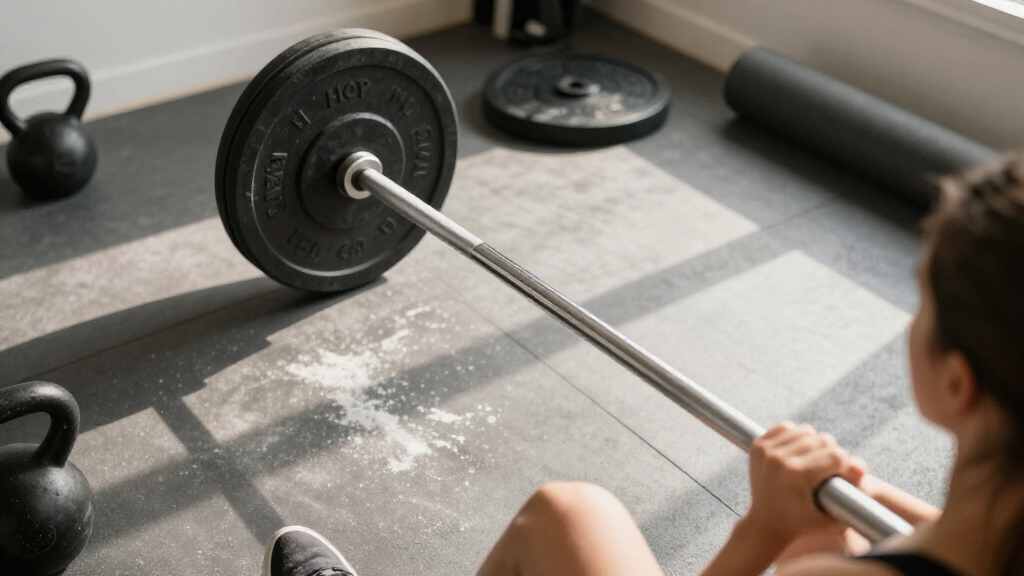
I judged every option against one question: how completely does it train the whole body, and for how long will it stay useful? That meant scoring movement coverage first — a true full-body tool needs a horizontal push, a vertical pull, a squat or leg press pattern, and some rowing or hip-hinge work. Then I weighed resistance ceiling and progression, because equipment that feels adequate in month one often becomes the limiting factor by month six. Build quality, footprint, assembly burden, and how safely a beginner could use it without a spotter rounded out the scoring.
The ranking favors versatility-per-square-foot, which is why compact weight-stack gyms and dual-station Smith machines cluster at the top, while single-purpose stations sit lower. Suspension trainers earned their place through portability and scalability rather than raw resistance, and they’re positioned for a specific buyer rather than a general one. Every pick has a real weakness documented — no entry here is right for everyone.
Factors to Consider When Choosing Best Full-body Strength Workout Equipment
Before choosing any of these 15 options, it helps to understand the structural differences between equipment types and the mistakes that send home gyms to the resale listing within a year.Machine Type: Weight Stack, Smith Machine, or Bodyweight
These 15 products fall into three categories that suit different training styles. Weight-stack home gyms (JELENS, Mikolo, JEEKEE, and similar) use cables and pulleys to guide your movement, which makes them safe and beginner-friendly but caps your resistance ceiling. Smith machines like the GOIMU DM01 and Gymusclo let you push a barbell along a fixed track, which supports far heavier loads and real long-term progression — the tradeoff is a bigger footprint and more cost. Bodyweight tools like the TRX and the Rubberbanditz parallettes scale by angle and leverage rather than added weight, which is elegant but slow for building maximal strength. A common mistake is buying the cheapest category and expecting it to behave like the most expensive one. Match the tool to how you actually like to train, not to the spec sheet.
Resistance Ceiling and Who It Actually Applies To
A 150 lb weight stack is the industry standard on mid-range home gyms, but that number is misleading in two ways. First, pulley friction and cable routing mean the felt resistance is often 10–20% lower than the label. Second, when a movement uses a single handle — like a one-arm row or a triceps pushdown — you’re limited to whatever one side of the stack provides. If you can already bench or squat more than your bodyweight, a fixed stack will become a bottleneck within months, and a Smith machine or plate-loadable setup is the smarter buy. Beginners and general fitness users, on the other hand, will rarely exhaust a 150 lb stack across a full exercise menu. Be honest about your current strength, not your ambition.
Footprint, Ceiling Height, and Delivery Reality
Measured floor space tells only half the story — you also need clearance for your full range of motion, including leg press extension, lat pulldown height, and Smith machine bar travel. Several dual-station machines need a footprint closer to a parked car than a yoga mat once you account for working room on both sides. Ceiling height matters more for Smith machines, where the bar starts high, and for pull-up attachments. Also plan for delivery: these arrive in multiple heavy boxes, some freight carriers only deliver curbside, and assembly on the larger machines is a two-person, multi-hour job. Buyers routinely underestimate this and end up with boxes blocking a garage for weeks.
Movement Coverage: What ‘Full-Body’ Should Actually Mean
Genuine full-body training needs five patterns: push (horizontal and vertical), pull (horizontal and vertical), squat or leg press, hinge, and carry. Many budget stations advertise dozens of exercises but really just vary the same chest and arm movements — that’s an upper-body gym wearing a full-body label. The presence of a leg press or leg developer is usually the tell that a machine takes lower-body training seriously. Suspension trainers are the opposite: they cover pulling and core brilliantly but need supplemental load for legs. Before buying, mentally run through your intended weekly routine on the machine and see if any pattern is missing — that gap is what determines whether you keep using it.
Durability, Cables, and Long-Term Ownership
Cables and pulleys are the failure points on every weight-stack gym, so look for nylon-coated cables, sealed pulley bearings, and a steel frame with a stated gauge or weight rating. Upholstery quality separates machines that look worn in a year from ones that last a decade, and replacement pads are rarely available for budget brands. Smart systems like the AEKE S1 Pro add electronic resistance and guided workouts, which is genuinely useful but introduces software dependence — if the app or company support ends, you own expensive hardware with less functionality. Smith machines are mechanically simpler and often outlive their cable counterparts, which partially justifies their higher price. Factor in replacement cable availability before committing to any single-brand ecosystem.
Smart Features: Worth It or Marketing?
App connectivity, electronic resistance, and guided classes are showing up across this category, and the value depends entirely on your discipline. If you train alone and struggle with programming, a guided-workout system can replace a personal trainer’s planning role and keep consistency high. If you already know how to program progressive overload, smart features mostly add cost and a subscription dependency. Electronic resistance also behaves differently from iron — smoother at the bottom of reps, sometimes lacking the feel of a true heavy eccentric. My advice for this roundup’s audience: buy the resistance and build quality first, and treat connectivity as a bonus rather than a deciding factor.
Frequently Asked Questions
Is a 150 lb weight stack enough for serious strength training?
For most general strength goals, yes — but with limits you should understand before buying. Because each exercise routes through pulleys, the resistance you feel is often slightly less than the label, and single-limb movements cap out at what one handle can access. Compound pressing and leg press movements are where you’ll hit the ceiling first, typically within the first year if you train consistently. If you already lift intermediate-level loads on barbells, a fixed stack will frustrate you, and a Smith machine like the GOIMU DM01 or Gymusclo is the better path. For beginners through early-intermediate lifters, 150 lb covers a full-body routine comfortably for a long time.
Smith machine or cable home gym — which is better for a beginner?
A cable home gym is almost always the friendlier starting point. Cables guide your path, keep constant tension without balance demands, and let you fail a rep safely without a spotter, which builds confidence early. Smith machines are also safe in that the bar is locked to a track with safety catches, but they require you to learn setup, racking, and proper positioning — a steeper learning curve. The counterpoint: beginners who progress quickly will outgrow a cable gym’s resistance ceiling, while a Smith machine scales for years. If you’re brand new to strength training and training alone, start with the cable gym; if you have a training partner or lifting background, the Smith machine is the longer-term purchase.
Can a suspension trainer like the TRX really replace a home gym machine?
For building general strength, muscle endurance, and core stability, a suspension trainer does a surprising amount — rows, presses, squats, curls, and core work all scale by changing your body angle. Where it falls short is lower-body strength and maximal loading: there’s no way to squat or hinge heavy with just your bodyweight on straps, and there’s a ceiling on pressing and pulling progress once you’re near horizontal. The PRO3 improves durability and anchor options over the standard All-in-One kit but doesn’t change that physics. The best use case is pairing a suspension trainer with a set of dumbbells, or using it as your primary tool if you travel constantly or have almost no space. As a sole piece of full-body strength equipment, it works best for newer lifters.
How much space do I need for one of these home gym machines?
Plan for more than the listed footprint, because manufacturers quote the frame dimensions, not your working space. A single-station weight gym generally needs a footprint of roughly 4 by 6 feet plus clearance for leg extension and cable arms, so budget about 50 square feet of usable floor. Dual-station and Smith machines need access on both sides, pushing realistic space needs toward a dedicated corner or half a garage. Ceiling height matters too — lat towers and Smith bar paths typically want at least 7 to 8 feet of clearance depending on your height. Measure your space with a tape measure including height, and check the machine’s assembled dimensions against it before ordering anything.
Are smart home gym systems like the AEKE S1 Pro worth the extra cost?
It depends on whether guided training solves a real problem for you. If you struggle to stay consistent or don’t know how to structure a program, the built-in coaching, progression tracking, and electronic resistance adjustments deliver genuine value that a basic stack can’t. Electronic resistance also enables features like adaptive loading and form feedback that feel futuristic compared to pin-selecting plates. The downsides are real: a higher entry price, potential subscription costs, and dependence on the company keeping its software alive — a risk fixed-weight machines don’t carry. If you’re a self-directed lifter who knows how to program, the same money buys a heavier, simpler machine that will outlive any app. Smart systems suit busy beginners and data-driven users; traditional gyms suit everyone else.
Conclusion
For the best overall choice, the JELENS H11 Multifunctional Home Gym covers the widest range of full-body movements in the most manageable footprint, which is exactly what most home lifters need. The best value goes to the JEEKEE 150LB Home Gym — its included leg press and lat pulldown deliver movement coverage that pricier rivals leave out. For the best premium option, the GOIMU DM01 Dual-Station Smith Machine supports genuine long-term progression and two-person training, while the AEKE S1 Pro is the pick if guided smart coaching matters more than raw iron. Beginners are best served by the Mikolo or XGSW stations, which keep exercises simple and safe without a spotter. If space is your constraint, the TRX All-in-One Suspension Trainer packs a full-body routine into a bag, and the Rubberbanditz Parallettes and Dip Station suits bodyweight-focused buyers who prioritize dips and core work. Stronger lifters who need load beyond 150 lb should skip the cable gyms entirely and go Smith machine. Whatever your profile, match the equipment to your actual strength level and space — that single decision predicts whether this purchase gets used for years or listed for resale by spring.
Fall Picks
fall essentials
As an affiliate, we earn on qualifying purchases.