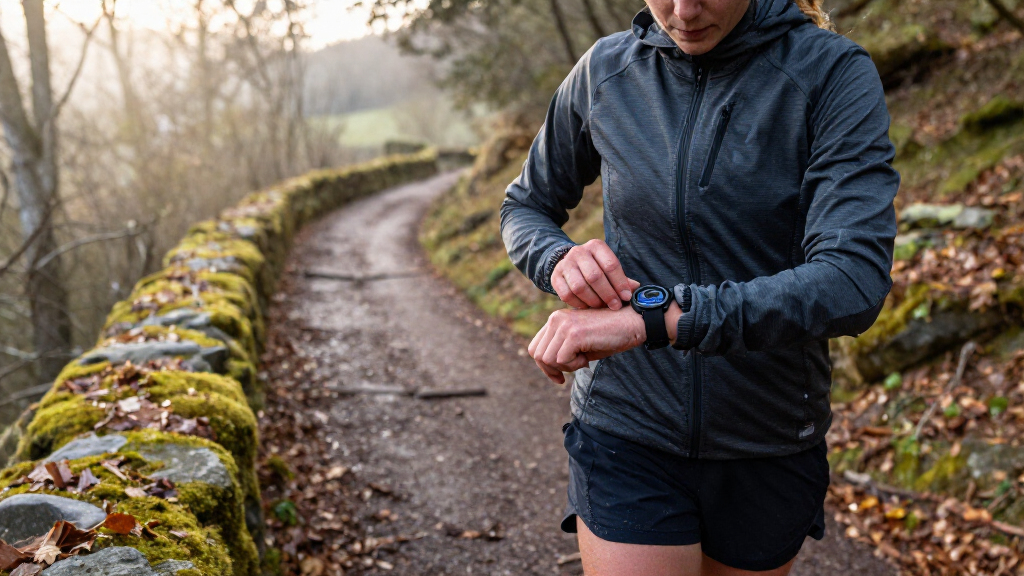

For most people comparing the best Garmin GPS watches, I’d start with the Garmin vívoactive 6: it balances everyday smartwatch features, fitness tracking, and a compact 42 mm fit. The Forerunner 970 is a stronger choice for serious runners and triathletes, while the Instinct 3 Solar suits people who prioritize ruggedness and extended battery life. The main tradeoffs are between training depth, screen style, battery needs, size, and specialized tools for golf or tactical use. A feature-rich watch can be wasted weight and complexity if you only need basic GPS and activity tracking. Read on for how I’d match all 15 models to different needs.

Get workout gear delivered free with Prime
- Fast, free delivery on millions of items
- Prime Video, Amazon Music and more included
- Member-only deals all year
Complete the kit



Key Takeaways
- The vívoactive 6 is the most balanced everyday pick. Its 42 mm case gives it broader daily appeal than the larger, more specialized outdoor and multisport watches.
- Serious training pushes the choice toward the Forerunner line. The Forerunner 970 is the advanced running and triathlon option; the Forerunner 165 offers a simpler route into GPS-based running, while the Forerunner 55 keeps the feature set basic.
- Instinct 3 models divide by power source and size. Solar versions prioritize battery life, AMOLED versions favor a brighter color display, and the 45 mm and 50 mm cases suit different wrists and preferences.
- Golf buyers should choose by how much wrist-based golf information they want. The Approach S12 is the focused GPS option, while the S44 and S50 are golf smartwatches with broader everyday appeal.
- More capability can mean more watch than a buyer needs. The fēnix 8 Sapphire and Forerunner 970 serve demanding users, while the Forerunner 55, vívoactive models, and Instinct E are easier to justify for simpler routines.
| Garmin Approach S44 Golf GPS Smartwatch, 43mm, Twilight |  | Best for Golfers | Case size: 43mm | Display: 1.2-inch color AMOLED | Case material: Anodized aluminum | VIEW LATEST PRICE | See Our Full Breakdown |
| Garmin Forerunner 55 GPS Running Watch, Black |  | Best for New Runners | GPS: Built-in | Battery life: Up to 2 weeks in smartwatch mode; up to 20 hours in GPS mode | Water resistance: 50 meters | VIEW LATEST PRICE | See Our Full Breakdown |
| Garmin Instinct 3 AMOLED Rugged GPS Smartwatch, 50mm, Charcoal |  | Best for Rugged Outdoor Use | Case size: 50mm | Display: 1.3-inch AMOLED | Case material: Fiber-reinforced polymer with metal-reinforced bezel | VIEW LATEST PRICE | See Our Full Breakdown |
| Garmin vívoactive 5 GPS Smartwatch, 42 mm, Black |  | Best for Everyday Fitness | Case size: 42mm | Display: AMOLED touchscreen | Weight: 1.31 ounces | VIEW LATEST PRICE | See Our Full Breakdown |
| Garmin fēnix 8 Sapphire GPS Smartwatch, 43 mm, Fog Gray/Dark Sandstone | 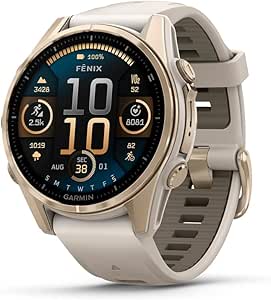 | Best Premium Compact Multisport Watch | Case size: 43mm | Display: 1.3-inch AMOLED | Lens: Scratch-resistant sapphire | VIEW LATEST PRICE | See Our Full Breakdown |
| Garmin Instinct 3 AMOLED Rugged GPS Smartwatch, 45 mm, Black |  | Best Rugged AMOLED Pick | Display: 1.2-inch AMOLED | Case size: 45 mm | Battery life: Up to 18 days in smartwatch mode | VIEW LATEST PRICE | See Our Full Breakdown |
| Garmin Forerunner 970 GPS Running and Triathlon Smartwatch, 47 mm, Carbon Gray Titanium, Black/Whitestone |  | Best for Serious Runners and Triathletes | Display: AMOLED touchscreen with button controls | Case size: 47 mm | Battery life: Up to 15 days smartwatch mode; up to 26 hours GPS mode | VIEW LATEST PRICE | See Our Full Breakdown |
| Garmin Approach S12 GPS Golf Watch, Black | 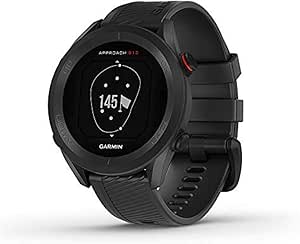 | Best Simple Golf GPS | Display: Sunlight-visible transflective MIP | Screen size and resolution: 2.3 cm; 176 × 176 | Preloaded courses: More than 42,000 | VIEW LATEST PRICE | See Our Full Breakdown |
| Garmin Instinct E Rugged GPS Smartwatch, 45 mm, Charcoal |  | Best Straightforward Rugged Watch | Case size: 45 mm | Battery life: Up to 16 days | Water resistance: 10 ATM; 100 meters | VIEW LATEST PRICE | See Our Full Breakdown |
| Garmin Forerunner 165 GPS Running Smartwatch, 43 mm, Black |  | Best Running Watch for Beginners | Display: AMOLED touchscreen with button controls | Case size: 43 mm | Battery life: Up to 11 days smartwatch mode; up to 19 hours GPS mode | VIEW LATEST PRICE | See Our Full Breakdown |
| Garmin Instinct 3 Solar GPS Smartwatch, 45 mm, Black |  | Best for Solar-Powered Outdoor Navigation | Display: 0.9 inches | Case size: 45 mm | Case material: Fiber-reinforced polymer | VIEW LATEST PRICE | See Our Full Breakdown |
| Garmin Approach S50 Golf GPS Smartwatch, 43 mm, Black |  | Best for Golf Course Guidance | Display: 1.2-inch color AMOLED touchscreen | Case size: 43 mm | Preloaded courses: More than 43,000 | VIEW LATEST PRICE | See Our Full Breakdown |
| Garmin Instinct 3 Solar Rugged GPS Smartwatch, 50 mm, Charcoal |  | Best for Maximum Solar Endurance | Display: 1.1 inches | Case size: 50 mm | Lens: Scratch-resistant | VIEW LATEST PRICE | See Our Full Breakdown |
| Garmin vívoactive 6 GPS Smartwatch, 42 mm, Slate |  | Best Everyday Fitness and Wellness Watch | Display: AMOLED touchscreen | Case size: 42 mm | Battery life: Up to 11 days in smartwatch mode | VIEW LATEST PRICE | See Our Full Breakdown |
| Garmin Instinct 3 Tactical Solar Smartwatch, 45mm, Black |  | Best for Tactical Features | Case size: 45 x 45 x 14.9 mm | Case material: Fiber-reinforced polymer with metal-reinforced bezel | Water resistance: 10 ATM (100 meters) | VIEW LATEST PRICE | See Our Full Breakdown |
| Garmin GPS watch | Case size | Display | Water resistance | Case material |
|---|---|---|---|---|
| Garmin Approach S44 Golf GPS S | 43mm | 1.2-inch color AMOLED | 50 meters | Anodized aluminum |
| Garmin Forerunner 55 GPS Runni | — | — | 50 meters | Resin |
| Garmin Instinct 3 AMOLED Rugge | 50mm | 1.3-inch AMOLED | 10 ATM (100 meters) | Fiber-reinforced polymer with metal-reinforced bezel |
| Garmin vívoactive 5 GPS Smartw | 42mm | AMOLED touchscreen | — | — |
| Garmin fēnix 8 Sapphire GPS Sm | 43mm | 1.3-inch AMOLED | — | Alloy steel |
| Garmin Instinct 3 AMOLED Rugge | 45 mm | 1.2-inch AMOLED | — | Fiber-reinforced polymer |
| Garmin Forerunner 970 GPS Runn | 47 mm | AMOLED touchscreen with button controls | 50 meters | — |
| Garmin Approach S12 GPS Golf W | — | Sunlight-visible transflective MIP | 164 ft | — |
| Garmin Instinct E Rugged GPS S | 45 mm | — | 10 ATM; 100 meters | — |
| Garmin Forerunner 165 GPS Runn | 43 mm | AMOLED touchscreen with button controls | 50 meters | — |
| Garmin Instinct 3 Solar GPS Sm | 45 mm | 0.9 inches | 10 ATM (100 meters) | Fiber-reinforced polymer |
| Garmin Approach S50 Golf GPS S | 43 mm | 1.2-inch color AMOLED touchscreen | 50 meters | — |
| Garmin Instinct 3 Solar Rugged | 50 mm | 1.1 inches | 10 ATM (100 meters) | — |
| Garmin vívoactive 6 GPS Smartw | 42 mm | AMOLED touchscreen | 50 meters | Fiber-reinforced polymer |
| Garmin Instinct 3 Tactical Sol | 45 x 45 x 14.9 mm | — | 10 ATM (100 meters) | Fiber-reinforced polymer with metal-reinforced bezel |
More Details on Our Top Picks
Garmin Approach S44 Golf GPS Smartwatch, 43mm, Twilight
The Approach S44 is the clearest fit here for golfers who want course information on their wrist without carrying a dedicated handheld GPS. Its 1.2-inch AMOLED display presents yardages and hazard views, while maps for more than 43,000 courses give it a much broader golf focus than the Forerunner 55. At 43mm, its slim, lightweight design is also better suited to all-day wear than the larger Instinct 3 AMOLED. The tradeoff is that this is a golf-first watch, not the strongest choice for broad training or outdoor navigation. Shot tracking needs separately purchased sensors, and some enhanced course details require a paid Garmin Golf membership. Fifteen hours of GPS battery life supports multiple rounds, but is less suited to long GPS outings than the Forerunner 55.
Pros:- Preloaded maps cover more than 43,000 golf courses worldwide.
- AMOLED display makes course maps and yardages easy to read.
- Slim, lightweight 43mm design suits extended wear on the course.
- Up to 15 hours of GPS battery life can cover multiple rounds.
Cons:- Club tracking requires separately purchased CT1 or CT10 sensors.
- Green contours and PlaysLike Distance require a paid Garmin Golf membership.
- GPS battery life is shorter than the Forerunner 55’s 20 hours.
Best for: Golfers who want course maps, hazard information, and yardages on a lightweight watch for regular rounds.
Not ideal for: Runners and multisport athletes seeking broad training features, or golfers who want sensor-based club tracking without buying accessories.
- Case size:43mm
- Display:1.2-inch color AMOLED
- Case material:Anodized aluminum
- Water resistance:50 meters
- GPS battery life:Up to 15 hours
- Satellite systems:GPS, GLONASS, Galileo
- Storage:4 GB
- Connectivity:Bluetooth, USB
Our verdict“Choose the Approach S44 if golf maps and on-course yardages matter more to you than all-purpose training features.”
Garmin Forerunner 55 GPS Running Watch, Black
The Forerunner 55 keeps the GPS-watch experience focused on running: it records pace, distance, and routes, then offers daily suggested workouts informed by training history and fitness level. That guidance gives newer runners a practical starting point without the broader, more complex outdoor toolkit of the Instinct 3 AMOLED. Compared with the vívoactive 5, it is less of an all-purpose lifestyle watch, but its running-specific tools and 20-hour GPS battery life make its priorities easy to understand. The tradeoff is a simpler screen and limited storage, so it is not the pick for someone seeking music storage or a premium smartwatch experience. PacePro also does not work with on-device courses, and customization through Connect IQ depends on a compatible smartphone.
Pros:- Built-in GPS tracks running distance, pace, and route.
- Daily workout suggestions adapt to training history and fitness level.
- Up to 20 hours of battery life in GPS mode.
- Activity profiles include running, cycling, pool swimming, and HIIT.
Cons:- PacePro is not compatible with on-device courses.
- The 32 MB storage capacity is limited compared with watches offering music storage.
- Connect IQ customization requires a compatible smartphone app.
Best for: New and recreational runners who want built-in GPS, adaptable workout suggestions, and long battery life without extensive outdoor-watch features.
Not ideal for: Runners who want on-device course-based PacePro, substantial music storage, or a more feature-rich AMOLED smartwatch.
- GPS:Built-in
- Battery life:Up to 2 weeks in smartwatch mode; up to 20 hours in GPS mode
- Water resistance:50 meters
- Storage:32 MB
- Connectivity:Bluetooth
- Band material:Silicone
- Case material:Resin
- Compatible smartphones:Android and iOS
Our verdict“Pick the Forerunner 55 if you want a straightforward running watch with helpful training prompts and little interest in golf or rugged navigation.”
Garmin Instinct 3 AMOLED Rugged GPS Smartwatch, 50mm, Charcoal
The Instinct 3 AMOLED is the lineup’s rugged choice, built around a 50mm case, 10 ATM water resistance, and a metal-reinforced bezel. Multi-band GPS with SatIQ supports positioning in challenging settings, while the LED flashlight adds practical utility after dark. Its up-to-24-day smartwatch battery life is a major advantage over the fēnix 8’s listed 10 days, though battery performance varies by use. The tradeoff is size: this is a substantial watch, unlike the more compact 43mm fēnix 8 or Approach S44. Its 1.3-inch AMOLED screen brings vivid color, but buyers choosing it for serious outdoor conditions should weigh the larger wrist presence against the fēnix 8’s sapphire lens, navigation features, and diving support. Health readings are estimates, not medical measurements.
Pros:- Up to 24 days of battery life in smartwatch mode.
- MIL-STD-810 construction, metal-reinforced bezel, and 10 ATM water resistance.
- Multi-band GPS with SatIQ supports positioning in demanding environments.
- Built-in LED flashlight offers variable intensities and strobe modes.
Cons:- The 50mm case may feel bulky compared with the 43mm fēnix 8.
- Health metrics, including Pulse Ox, are estimates rather than medical readings.
- Pulse Ox availability varies by country, and Garmin Pay requires a supported bank.
Best for: Outdoor users who prioritize a durable, water-resistant build, multi-band GPS, and long smartwatch battery life over a compact fit.
Not ideal for: Buyers with smaller wrists or anyone seeking a smaller case, sapphire lens, or golf-specific mapping.
- Case size:50mm
- Display:1.3-inch AMOLED
- Case material:Fiber-reinforced polymer with metal-reinforced bezel
- Water resistance:10 ATM (100 meters)
- Smartwatch battery life:Up to 24 days
- GPS:Multi-band GPS with SatIQ technology
- Sensors:3-axis compass, barometric altimeter, heart rate, Pulse Ox
- Storage:4 GB
Our verdict“Choose the Instinct 3 AMOLED if rugged construction and extended smartwatch battery life matter more than a compact case or sapphire lens.”
Garmin vívoactive 5 GPS Smartwatch, 42 mm, Black
The vívoactive 5 makes the most sense for buyers who want one GPS watch for daily health tracking and varied exercise, rather than a specialist tool for running or rugged adventures. Its more than 30 sports apps, sleep coaching, and nap detection give it a wider everyday-fitness remit than the Forerunner 55, while music storage and Garmin Pay add conveniences the Forerunner 55 does not list. At 42mm and 1.31 ounces, it is also a more approachable wear than the 50mm Instinct 3 AMOLED. The main compromise is that the supplied data gives no GPS-mode battery estimate, so it is harder to judge for long GPS sessions than the Forerunner 55. Music without a phone also requires wireless headphones, and health metrics are estimates.
Pros:- More than 30 built-in indoor and GPS sports apps.
- Sleep coaching, nap detection, and health monitoring support everyday wellness tracking.
- AMOLED touchscreen and up to 11 days of smartwatch battery life.
- Supports music storage, Garmin Pay, and smartphone notifications.
Cons:- Phone-free music listening requires wireless headphones.
- The supplied product data does not specify GPS-mode battery life.
- Health metrics are estimates, not medical measurements.
Best for: Fitness-minded users who want a lighter everyday watch with varied sport profiles, sleep features, music storage, and Garmin Pay.
Not ideal for: Long-distance GPS users who need a stated GPS-mode battery estimate, or athletes seeking rugged construction and multi-band navigation.
- Case size:42mm
- Display:AMOLED touchscreen
- Weight:1.31 ounces
- GPS:Built-in
- Smartwatch battery life:Up to 11 days
- Sports apps:More than 30
- Connectivity:Bluetooth, USB, Wi-Fi
- Dimensions:1.7 x 1.7 x 0.43 inches
Our verdict“Choose the vívoactive 5 for varied everyday workouts and smartwatch conveniences rather than specialist running or rugged outdoor use.”
Garmin fēnix 8 Sapphire GPS Smartwatch, 43 mm, Fog Gray/Dark Sandstone
The fēnix 8 Sapphire brings premium outdoor and multisport features into a 43mm case, making it a more compact alternative to the 50mm Instinct 3 AMOLED. Its sapphire lens, multi-band GPS with SatIQ, turn-by-turn routing, and support for diving to 40 meters suit buyers who want one watch for varied training and demanding outdoor activities. The built-in flashlight and speaker and microphone add utility beyond the golf-focused Approach S44. Its smaller size comes with a battery tradeoff: up to 10 days in smartwatch mode and 28 hours in GPS mode, compared with the Instinct 3 AMOLED’s listed 24 days in smartwatch mode. Calls also depend on a paired smartphone, and the product data does not specify water resistance beyond its stated dive support.
Pros:- Scratch-resistant sapphire lens adds protection for demanding use.
- Multi-band GPS with SatIQ and turn-by-turn routing supports outdoor navigation.
- 43mm case is more compact than the 50mm Instinct 3 AMOLED.
- Built-in LED flashlight and support for diving to 40 meters.
Cons:- Up to 10 days of smartwatch battery life is shorter than the Instinct 3 AMOLED’s listed 24 days.
- Calls require a paired smartphone.
- ECG and Pulse Ox availability varies by region.
Best for: Multisport athletes and outdoor users who want a compact premium watch with sapphire protection, advanced GPS, routing, and dive support.
Not ideal for: Buyers who prioritize the longest listed smartwatch battery life, want calls without a paired phone, or need a golf-first watch.
- Case size:43mm
- Display:1.3-inch AMOLED
- Lens:Scratch-resistant sapphire
- Case material:Alloy steel
- Smartwatch battery life:Up to 10 days
- GPS battery life:Up to 28 hours
- GPS:Built-in multi-band GPS with SatIQ
- Dive support:Up to 40 meters
- Connectivity features:Built-in speaker and microphone; calls require a paired smartphone
Our verdict“Pick the fēnix 8 Sapphire if you want premium multisport and navigation features in a smaller case and can accept more frequent charging than the Instinct 3 AMOLED.”
Garmin Instinct 3 AMOLED Rugged GPS Smartwatch, 45 mm, Black
The Instinct 3 AMOLED 45 mm suits buyers who want rugged navigation and a vivid screen without moving to a larger watch. Its multi-band GPS with SatIQ, compass, and barometric altimeter give it more navigation support than the running-focused Forerunner 165, while the built-in flashlight is useful around camp or on early starts. Battery life reaches 18 days in smartwatch mode, a strong balance for an AMOLED watch. The tradeoff is that its health and outdoor toolkit takes priority over dedicated running features; the Forerunner 970 offers built-in maps and more specialized multisport metrics. I’d choose this Instinct for outdoor use where durability, flashlight access, and a readable AMOLED display matter more than advanced training analysis. Pulse Ox availability varies by country, and Garmin Pay depends on a supported bank.
Pros:- Multi-band GPS, compass, and barometric altimeter support outdoor navigation.
- Up to 18 days of battery life in smartwatch mode.
- Built-in flashlight offers variable intensities and strobe modes.
- Metal-reinforced bezel and scratch-resistant lens add rugged protection.
Cons:- Does not offer the Forerunner 970’s built-in maps and running-focused metrics.
- Pulse Ox is unavailable in some countries.
- Garmin Pay requires a supported bank.
Best for: Hikers and outdoor users who want a rugged 45 mm watch with AMOLED, multi-band GPS, and a built-in flashlight.
Not ideal for: Runners and triathletes who want built-in maps and specialized training metrics, or buyers who prefer a simpler, lower-feature watch.
- Display:1.2-inch AMOLED
- Case size:45 mm
- Battery life:Up to 18 days in smartwatch mode
- GPS:Multi-band GPS with SatIQ technology
- Navigation sensors:3-axis compass and barometric altimeter
- Case material:Fiber-reinforced polymer
- Connectivity:Bluetooth, USB, and Wi-Fi
Our verdict“Choose the Instinct 3 AMOLED 45 mm for rugged outdoor tracking and a bright display; pick the Forerunner 970 if maps and advanced running features matter more.”
Garmin Forerunner 970 GPS Running and Triathlon Smartwatch, 47 mm, Carbon Gray Titanium, Black/Whitestone
The Forerunner 970 is the most training-focused choice in this group, combining multi-band GPS, built-in maps, multisport tracking, and wrist-based running dynamics. Its AMOLED touchscreen works alongside physical buttons, so controls remain available during sweaty workouts. Compared with the Forerunner 165, it adds maps, a sapphire lens, titanium bezel, and a flashlight, making it better suited to demanding training and longer events—but the 165 is the simpler fit for runners who mainly want GPS, heart-rate tracking, and guided plans. Battery life is up to 15 days in smartwatch mode and 26 hours in GPS mode. Some running metrics require a separately sold HRM 600 monitor, while calls and voice features depend on a paired smartphone. I’d pick it for its deeper training and navigation toolkit, not for a basic run-and-notifications routine.
Pros:- Built-in maps and multi-band GPS support route navigation and accurate tracking.
- Sapphire lens and titanium bezel provide durable, lightweight construction.
- AMOLED touchscreen combines with buttons for flexible workout control.
- LED flashlight and up to 26 hours of GPS-mode battery life support long training sessions.
Cons:- Some running metrics require a separately sold HRM 600 monitor.
- Wrist calls and voice assistant features require a paired smartphone.
- Its advanced multisport features exceed what many casual runners need.
Best for: Dedicated runners and triathletes who want built-in maps, multisport tracking, advanced running data, and durable premium materials.
Not ideal for: Casual runners who want straightforward GPS and training guidance without paying for maps, multisport tools, or premium construction.
- Display:AMOLED touchscreen with button controls
- Case size:47 mm
- Battery life:Up to 15 days smartwatch mode; up to 26 hours GPS mode
- GPS and navigation:Multi-band GPS with built-in maps
- Bezel and lens:Titanium bezel and sapphire lens
- Water resistance:50 meters
- Features:LED flashlight, microphone, speaker, and multisport tracking
- Band:Silicone
Our verdict“Choose the Forerunner 970 for serious run and triathlon training with maps; the Forerunner 165 is a better match for simpler everyday running.”
Garmin Approach S12 GPS Golf Watch, Black
The Approach S12 is the specialist choice here: it focuses on golf-course distances rather than trying to serve as a general training or outdoor watch. Its sunlight-visible transflective display shows distances to the front, middle, and back of the green, along with hazards and doglegs, while more than 42,000 preloaded courses make it useful across a wide range of rounds. Its up-to-30-hour GPS-mode battery life is suited to repeated course use. Compared with the Approach S44, the S12 is the straightforward pick for golfers who value core GPS distances over a broader smartwatch experience. The tradeoff is limited versatility: it does not offer the Instinct 3 AMOLED’s rugged outdoor navigation or the Forerunner 165’s running tools. Club tracking needs optional Approach CT10 sensors, and app syncing requires a compatible smartphone.
Pros:- Preloaded data covers more than 42,000 golf courses.
- Shows distances to the front, middle, and back of greens, plus hazards and doglegs.
- Sunlight-visible display is suited to outdoor rounds.
- Up to 30 hours of battery life in GPS mode.
Cons:- Club tracking requires separately sold Approach CT10 sensors.
- App syncing and weekly leaderboards need a compatible smartphone.
- Golf-focused features make it less useful than the Forerunner 165 for general fitness tracking.
Best for: Golfers who want clear course distances and a simple watch dedicated to on-course GPS.
Not ideal for: Buyers seeking one watch for golf, running, and outdoor navigation, or golfers who expect automatic club tracking without optional sensors.
- Display:Sunlight-visible transflective MIP
- Screen size and resolution:2.3 cm; 176 × 176
- Preloaded courses:More than 42,000
- Battery life:Up to 30 hours in GPS mode
- Water resistance:164 ft
- Connectivity:Bluetooth
- Storage:125 MB
Our verdict“Choose the Approach S12 for clear, dedicated golf GPS, but choose a multisport Garmin if you want running and outdoor tracking too.”
Garmin Instinct E Rugged GPS Smartwatch, 45 mm, Charcoal
The Instinct E 45 mm is the practical rugged pick for buyers who need dependable GPS navigation and long battery life without prioritizing an AMOLED screen or a built-in flashlight. Its multi-GNSS, compass, and barometric altimeter support outdoor route tracking, while the 10 ATM rating and thermal and shock resistance suit rougher use. Battery life reaches 16 days in smartwatch mode. Against the Instinct 3 AMOLED, the E gives up the vivid AMOLED display, multi-band GPS with SatIQ, and flashlight, but it still covers core outdoor and health tracking needs. That makes it a better fit for users who value a straightforward tool-watch feature set over the richer display and added hardware of its sibling. Some smart features need a compatible phone, and Pulse Ox availability varies by country.
Pros:- Up to 16 days of battery life in smartwatch mode.
- 10 ATM water resistance and thermal and shock resistance.
- Built-in GPS, multi-GNSS, compass, and barometric altimeter support navigation.
- Tracks heart rate, sleep, stress, hydration, and activity.
Cons:- Lacks the AMOLED display and built-in flashlight found on the Instinct 3 AMOLED.
- Pulse Ox is unavailable in some countries.
- Some smart features require a compatible smartphone.
Best for: Outdoor users who want a durable GPS watch with long battery life and core navigation sensors, without needing AMOLED or a flashlight.
Not ideal for: Buyers who want a vivid screen, multi-band GPS, or a built-in flashlight; the Instinct 3 AMOLED supplies those additions.
- Case size:45 mm
- Battery life:Up to 16 days
- Water resistance:10 ATM; 100 meters
- Durability:Engineered to MIL-STD-810 for thermal and shock resistance
- Navigation:Built-in GPS, multi-GNSS, 3-axis compass, and barometric altimeter
- Case and lens:Fiber-reinforced polymer case; scratch-resistant lens
- Health tracking:Heart rate, sleep, Pulse Ox, calories burned, hydration, and stress
- Connectivity:Bluetooth, USB, and Wi-Fi
Our verdict“Choose the Instinct E for core rugged GPS and long battery life, or spend up to the Instinct 3 AMOLED for a brighter display and flashlight.”
Garmin Forerunner 165 GPS Running Smartwatch, 43 mm, Black
The Forerunner 165 makes the most sense for runners who want a clear entry into GPS training without the Forerunner 970’s map-led, triathlon-ready feature set. Its AMOLED touchscreen and physical buttons keep workout controls accessible, while built-in GPS, wrist-based heart rate, personalized workouts, and race plans help turn everyday runs into structured training. Battery life reaches 11 days in smartwatch mode, with up to 19 hours in GPS mode. Compared with the Instinct E, the 165 is more directly focused on running and offers a more vivid display, but it gives up the Instinct’s rugged construction, 10 ATM water rating, compass, and altimeter. It is also less suited to advanced multisport navigation than the Forerunner 970. Smartphone-dependent safety and tracking features and regional Garmin Pay support are worth noting.
Pros:- AMOLED touchscreen is paired with physical button controls.
- Built-in GPS and wrist-based heart-rate tracking support everyday training.
- Personalized workouts and race training plans help structure runs.
- Up to 11 days of battery life in smartwatch mode.
Cons:- Does not have the Instinct E’s rugged 10 ATM construction or navigation sensors.
- Safety and tracking features require a compatible smartphone and network coverage.
- Garmin Pay availability depends on supported countries and payment networks.
Best for: New and recreational runners who want GPS, wrist-based heart rate, guided training, and a bright screen in a running-focused watch.
Not ideal for: Trail users who need rugged construction and compass-based navigation, or experienced triathletes who want the Forerunner 970’s maps and deeper multisport tools.
- Display:AMOLED touchscreen with button controls
- Case size:43 mm
- Battery life:Up to 11 days smartwatch mode; up to 19 hours GPS mode
- GPS:Built-in
- Activity profiles:More than 25
- Water resistance:50 meters
- Case and band:Fiber-reinforced polymer case; silicone band
- Connectivity and compatibility:Bluetooth, USB, and Wi-Fi; Android and iPhone
Our verdict“Choose the Forerunner 165 for approachable running features and guided plans; pick the Forerunner 970 for maps and advanced multisport training.”
Garmin Instinct 3 Solar GPS Smartwatch, 45 mm, Black
The 45 mm Instinct 3 Solar is my pick for outdoor users who want rugged navigation without moving to the larger 50 mm model. Its multi-band GPS, compass, and barometric altimeter help with route finding and elevation changes, while the built-in flashlight adds practical visibility after dark. The metal-reinforced bezel and 10 ATM water resistance also suit rough conditions better than the more everyday-focused vívoactive 6.
Solar charging can support unlimited smartwatch-mode battery life, but only with the specified outdoor exposure; it is not a guarantee for every wearer or season. The small 0.9-inch display is less spacious than the AMOLED screens on the vívoactive 6 and golf-focused Approach S50, and its rugged, utility-first design is less suited to buyers seeking a bright touchscreen experience.
Pros:- Multi-band GPS, compass, and barometric altimeter support outdoor route and elevation awareness.
- Solar charging can provide unlimited smartwatch-mode battery life under specified exposure conditions.
- Metal-reinforced bezel and MIL-STD-810 thermal and shock resistance suit demanding use.
- Built-in LED flashlight offers variable intensity and strobe modes.
Cons:- Unlimited solar-powered battery life depends on all-day outdoor exposure in specified light conditions.
- The 0.9-inch display is small compared with AMOLED Garmin watches.
- Incident detection and assistance require a paired phone and network connectivity.
Best for: Hikers and outdoor workers who want multi-band navigation, a flashlight, and a rugged watch in a more manageable 45 mm case.
Not ideal for: Buyers who prefer a large, bright touchscreen or cannot regularly spend time outdoors in strong light to benefit from solar charging.
- Display:0.9 inches
- Case size:45 mm
- Case material:Fiber-reinforced polymer
- Water resistance:10 ATM (100 meters)
- Navigation:Multi-band GPS, GLONASS, Galileo
- Sensors:3-axis compass and barometric altimeter
- Health tracking:Heart rate, sleep monitoring, Pulse Ox, stress
- Battery:Unlimited in smartwatch mode with solar charging under specified exposure conditions
Our verdict“Choose this Instinct if rugged navigation and solar endurance matter more than a large, colorful display.”
Garmin Approach S50 Golf GPS Smartwatch, 43 mm, Black
The Approach S50 makes the most sense for golfers who want course information at a glance, rather than an all-purpose outdoor watch with golf added on. Its 43,000-plus preloaded courses and distances to the front, middle, and back of the green help with club selection, while hazard and layup distances add useful context. PlaysLike Distance accounts for elevation changes, a course-specific advantage the vívoactive 6 does not emphasize.
The 1.2-inch AMOLED touchscreen is easier to read than the compact display on the Instinct 3 Solar, and the S50 also tracks health and other activities. The tradeoff is specialization: it lacks the Instinct’s rugged outdoor focus, and automatic shot tracking requires optional Approach CT1 or CT10 trackers. Its 15-hour GPS-mode battery life is suited to rounds, not extended GPS-heavy outings.
Pros:- More than 43,000 preloaded courses provide broad course coverage.
- Front, middle, and back green distances plus hazards and layups support on-course decisions.
- PlaysLike Distance adjusts yardage for elevation changes.
- Lightweight 1-ounce design with a nylon ComfortFit strap.
Cons:- Shot tracking requires optional Approach CT1 or CT10 club trackers.
- Up to 15 hours of battery in GPS mode is less suited to extended GPS outings.
- Music services may require subscriptions and downloaded playlists.
Best for: Golfers who want course maps, green and hazard distances, and elevation-adjusted yardages in a lightweight watch.
Not ideal for: Hikers or endurance athletes who need rugged multi-band navigation, or golfers who expect shot tracking without buying separate club trackers.
- Display:1.2-inch color AMOLED touchscreen
- Case size:43 mm
- Preloaded courses:More than 43,000
- Battery life:Up to 10 days smartwatch mode; up to 15 hours GPS mode
- Water resistance:50 meters
- Satellite navigation:GPS, GLONASS, Galileo
- Weight:1 ounce
- Compatibility:Android and iOS smartphones
Our verdict“Pick the Approach S50 if golf-course guidance is your priority and you accept the need for separate trackers for shot tracking.”
Garmin Instinct 3 Solar Rugged GPS Smartwatch, 50 mm, Charcoal
For buyers who want the Instinct’s outdoor toolkit in the largest case here, the 50 mm Instinct 3 Solar puts endurance and ruggedness ahead of compact wear. It pairs multi-band GPS with SatIQ, a compass, and a barometric altimeter, so it is better equipped for route finding than the more fitness-and-wellness-oriented vívoactive 6. The built-in flashlight, 10 ATM water rating, and thermal and shock resistance add practical value for remote or rough use.
Its solar system can support unlimited smartwatch-mode battery life, but the claim depends on all-day wear and three hours outdoors daily in specified light. The bigger 50 mm case is not for everyone, and its 1.1-inch display remains much less vivid than the Approach S50’s AMOLED. Compared with the 45 mm Instinct 3 Solar, this model favors a larger fit over a smaller wrist footprint.
Pros:- Solar charging can support unlimited smartwatch-mode battery life under specified exposure conditions.
- Multi-band GPS with SatIQ, compass, and barometric altimeter supports outdoor navigation.
- Rugged construction includes a metal-reinforced bezel and thermal and shock resistance.
- Built-in flashlight includes variable intensities and strobe modes.
Cons:- The 50 mm case may feel bulky on smaller wrists.
- Solar-powered unlimited battery life depends on sustained outdoor exposure in specified light.
- Garmin Pay requires a supported bank, while safety features require a connected phone and network.
Best for: Outdoor adventurers with larger wrists who prioritize solar-assisted endurance, rugged construction, and multi-band navigation.
Not ideal for: People with small wrists or buyers who want an AMOLED screen and do not need the Instinct’s rugged navigation features.
- Display:1.1 inches
- Case size:50 mm
- Lens:Scratch-resistant
- Water resistance:10 ATM (100 meters)
- Navigation:Multi-band GPS with SatIQ; GPS, GLONASS, Galileo
- Sensors:3-axis compass and barometric altimeter
- Durability:Designed to MIL-STD-810 thermal and shock resistance standards
- Battery:Unlimited in smartwatch mode with solar charging under specified conditions
Our verdict“Choose the 50 mm Instinct if you want the lineup’s rugged solar-navigation approach and have room for its larger case.”
Garmin vívoactive 6 GPS Smartwatch, 42 mm, Slate
The vívoactive 6 is the more natural choice for everyday fitness than either rugged Instinct 3 Solar: it trades their solar charging and multi-band navigation for a bright AMOLED touchscreen, wellness coaching, and a broad activity menu. More than 80 sports apps, suggested workouts, sleep coaching, and nap detection make it useful for people building routines across several activities, not just tracking a single sport. Its 42 mm case also wears smaller than the 50 mm Instinct.
Up to 11 days of smartwatch-mode battery life means fewer charging interruptions, though it does not match the Instinct’s potential solar-powered endurance in suitable conditions. Built-in GPS covers general activity tracking, but buyers who need multi-band route support should look to the 45 mm Instinct 3 Solar. Health data is an estimate, and Garmin Pay depends on local support.
Pros:- Bright AMOLED touchscreen is well suited to everyday use.
- Up to 11 days of battery life in smartwatch mode.
- More than 80 sports apps, suggested workouts, sleep coaching, and nap detection.
- 42 mm case and 50-meter water resistance suit daily wear and swimming.
Cons:- Built-in GPS does not offer the multi-band navigation listed for the Instinct 3 Solar models.
- No solar charging or built-in flashlight for extended outdoor use.
- Health metrics are estimates, and Garmin Pay availability depends on country and payment network.
Best for: Fitness-minded users who want a bright touchscreen, varied activity tracking, and wellness guidance in a relatively compact watch.
Not ideal for: Remote-area hikers seeking multi-band GPS and a flashlight, or buyers who want solar charging and a highly rugged build.
- Display:AMOLED touchscreen
- Case size:42 mm
- Battery life:Up to 11 days in smartwatch mode
- GPS:Built-in GPS
- Sports apps:More than 80
- Water resistance:50 meters
- Case material:Fiber-reinforced polymer
- Health metrics:Heart rate, menstrual cycle, sleep duration, step count
Our verdict“Choose the vívoactive 6 for an everyday fitness and wellness watch with a vivid screen, rather than a rugged navigation tool.”
Garmin Instinct 3 Tactical Solar Smartwatch, 45mm, Black
The Instinct 3 Tactical Solar is the specialized pick for buyers who need tactical functions alongside a rugged GPS watch. Stealth mode, a kill switch, night-vision compatibility, and a preloaded Applied Ballistics solver distinguish it from the standard 45 mm Instinct 3 Solar, which offers outdoor navigation and a flashlight without this tactical suite. Both share a rugged case approach, multi-band GPS, and solar charging for extended battery life in suitable outdoor conditions.
That specialization comes with a narrower audience. The ballistics solver requires a separate one-time purchase through the mobile app, and solar endurance depends on exposure rather than being a guaranteed everyday outcome. Compared with the vívoactive 6, this watch is far tougher and more purpose-built, but its tactical toolset is unnecessary for most fitness users. Health readings are estimates, not medical measurements.
Pros:- Stealth mode, kill switch, and night-vision compatibility provide specialized tactical functions.
- Preloaded Applied Ballistics solver adds field-oriented capability.
- Multi-band GPS with SatIQ supports navigation.
- Solar charging, built-in flashlight, and MIL-STD-810 construction suit demanding outdoor use.
Cons:- Advanced Applied Ballistics solver requires a separate one-time purchase through the mobile app.
- Solar battery extension depends on outdoor light exposure.
- Health metrics are estimates, and Pulse Ox availability varies by country.
Best for: Military, law-enforcement, and field users who need stealth controls, night-vision compatibility, and ballistics tools in a rugged GPS watch.
Not ideal for: Everyday fitness buyers who do not use tactical functions, or anyone seeking a bright AMOLED display and a simple wellness-focused interface.
- Case size:45 x 45 x 14.9 mm
- Case material:Fiber-reinforced polymer with metal-reinforced bezel
- Water resistance:10 ATM (100 meters)
- Durability:Designed to MIL-STD-810 standards
- GPS technology:Multi-band GPS with SatIQ
- Tactical features:Stealth mode, kill switch, night-vision compatibility
- Memory storage:128 MB
- Wrist circumference:137–204 mm
Our verdict“Choose the Tactical Solar only if its stealth and ballistics tools fit your work; otherwise, the standard Instinct 3 Solar is the simpler outdoor pick.”
How We Picked
I ranked these watches around the decisions buyers actually face: how reliably a model fits its intended activity, how easy it is to use day to day, how its case and display suit regular wear, and whether its feature set makes sense for its audience. I also weighed GPS and training purpose, battery approach, case size, and the value of activity-specific tools. A golf watch should not win a general-purpose ranking just because it excels on the course, and a rugged outdoor watch should not outrank a versatile everyday model for buyers who rarely leave pavement.
The order favors versatility first, then clear advantages for particular users. That puts the vívoactive 6 near the top for broad daily use, with the Forerunner 970 and Instinct 3 families placed according to their more specialized training and outdoor strengths. Golf, tactical, and entry-level watches appear lower in the overall order because their narrower purpose or simpler feature set will suit fewer buyers. I distinguish models by their intended role rather than treating similar names, sizes, or display types as interchangeable.
| Garmin GPS watch | Case material |
|---|---|
| Garmin Approach S44 Golf GPS S | Anodized aluminum |
| Garmin Forerunner 55 GPS Runni | Resin |
| Garmin Instinct 3 AMOLED Rugge | Fiber-reinforced polymer with metal-reinforced bezel |
| Garmin vívoactive 5 GPS Smartw | — |
| Garmin fēnix 8 Sapphire GPS Sm | Alloy steel |
| Garmin Instinct 3 AMOLED Rugge | Fiber-reinforced polymer |
| Garmin Forerunner 970 GPS Runn | — |
| Garmin Approach S12 GPS Golf W | — |
| Garmin Instinct E Rugged GPS S | — |
| Garmin Forerunner 165 GPS Runn | — |
| Garmin Instinct 3 Solar GPS Sm | Fiber-reinforced polymer |
| Garmin Approach S50 Golf GPS S | — |
| Garmin Instinct 3 Solar Rugged | — |
| Garmin vívoactive 6 GPS Smartw | Fiber-reinforced polymer |
| Garmin Instinct 3 Tactical Sol | Fiber-reinforced polymer with metal-reinforced bezel |
Factors to Consider When Choosing Best Garmin GPS Watches
Before choosing a Garmin, I’d narrow the decision by use case rather than by the longest feature list. These watches cover everyday fitness, structured running, golf, rugged outdoor use, and tactical needs, so the right model depends on what you’ll use repeatedly. The following factors help avoid paying for features that add little to your routine—or choosing a watch that feels limiting once your goals change.
Match the watch to your main activity
Start with the activity you expect to track most often, not the activity you might try once. A runner may benefit more from a Forerunner’s training focus than from a golf watch with course features, while frequent golfers have a reason to favor an Approach model. An all-purpose fitness watch can suit mixed workouts and daily health tracking without making one sport the center of the experience. A common mistake is buying for a hobby’s most advanced needs before knowing whether that hobby will become a regular routine. If your activities are varied, prioritize breadth; if one sport dominates your week, let its dedicated tools shape the choice.
Choose screen style with your habits in mind
A bright AMOLED display can make maps, workout screens, and notifications easier to read at a glance, especially indoors. A more restrained display approach may better fit buyers who favor a rugged tool-like watch and want to prioritize endurance over a vivid screen. Think about how often you check the watch during exercise, whether you need to read it in direct sunlight, and whether you’re comfortable charging more often if your settings and use call for it. Display type alone does not determine battery life; GPS use, screen settings, and activity duration also matter. Avoid choosing only from product photos, since the practical difference is how the screen behaves during your real routines.
Treat battery life as a use-pattern question
Battery needs depend on how often you record GPS activities, how long those sessions last, and how frequently you can charge. Solar models appeal most to people who spend regular time outdoors in suitable light, but solar charging should be seen as support rather than a substitute for checking the manufacturer’s stated conditions. A watch with a shorter interval between charges can still work well for commuting, gym sessions, and regular runs near home. Buyers who plan long outings or dislike frequent charging should compare battery expectations in the exact GPS mode they plan to use. The mistake is assuming a headline battery claim applies equally to every setting and activity.
Get the case size right before prioritizing features
Garmin’s 43 mm, 45 mm, 47 mm, and 50 mm options can feel noticeably different on the wrist, particularly during sleep or all-day wear. A larger case may give you a more expansive display and suit users who prefer a substantial watch, but it can feel cumbersome on a smaller wrist. A compact model is often easier to wear continuously, which matters if you want consistent activity and sleep records. Check case dimensions and fit preferences rather than assuming a smaller number always means a thin watch. Try to balance screen readability with comfort, since a watch left in a drawer cannot help track training.
Pay for training depth only if you will use it
Advanced running and multisport features can help athletes who plan workouts, monitor progress, and regularly review detailed training information. Newer or casual runners may get more practical value from clear GPS tracking, basic workout guidance, and a watch that feels simple to operate. Extra metrics are not automatically useful if you do not have a plan for acting on them. Consider whether you follow a structured program, race, or train across multiple sports before selecting a high-end model. A lower-complexity watch can be the better long-term fit when you want consistency rather than extensive analysis.
Separate specialist tools from everyday smartwatch needs
Golf course data, tactical functions, rugged construction, and everyday smart features solve different problems, even when they share GPS tracking. Before choosing a specialist model, list the features you would use weekly and those you only want as a backup. Also check compatibility and support for the phone functions you rely on, since smartwatch capabilities vary by model and phone. A dedicated golf watch may be a better course companion but a less natural fit for a buyer who wants one watch for workouts, notifications, and daily wear. Choosing by a short list of recurring needs helps prevent feature overload.
Frequently Asked Questions
Which Garmin GPS watch is the best choice if I want one watch for workouts and everyday wear?
I’d begin with the vívoactive 6 if you want a compact watch for general fitness and everyday use rather than a specialist training device. The vívoactive 5 is another option in the same broad category, so compare the specific features and design details that matter to you before choosing between them. If you plan to follow structured running or triathlon training, the Forerunner 970 is better aligned with that purpose. For mixed activities without an advanced training focus, a general-purpose model is often easier to live with.
Should I choose an AMOLED Garmin or a solar model?
Choose AMOLED if a bright, colorful display is a high priority for reading workout information and notifications. Choose a solar Instinct if your main concern is extending time between charges during outdoor use, while remembering that solar performance depends on light and usage conditions. Neither screen approach is automatically better for every buyer. Compare the expected battery behavior in your planned GPS mode, not only the display type or broad product claims. Your regular activities and charging habits should make the decision.
Is the Forerunner 970 worth choosing over a simpler Forerunner?
The Forerunner 970 makes the most sense if you train seriously, need a running and triathlon-focused watch, and will use its more advanced feature set. The Forerunner 165 offers a more approachable path for runners who want a GPS running smartwatch without making the same commitment to training depth. The Forerunner 55 is more basic still, which can suit someone who wants straightforward run tracking. If you do not follow structured training or review detailed metrics, the simpler models may serve you just as well.
Which Garmin should I choose for golf if I also want a smartwatch?
Consider the Approach S44 or S50 if you want a golf-focused watch that also has broader smartwatch appeal. The Approach S12 is more targeted at GPS golf use, making it a sensible direction if course information matters more than everyday smart features. Think about how often you play and whether you want the watch to serve as your regular daily device between rounds. A general fitness watch may be a better match if golf is occasional and you mainly want workout tracking. Check the specific golf functions you care about before settling on a model.
Do I need a 50 mm Garmin watch for outdoor use?
No. Case size should reflect your wrist comfort and display preference, not a belief that larger automatically means more capable. The 50 mm Instinct 3 options may suit buyers who prefer a bigger watch, while the 45 mm versions offer a smaller case in the same family. A larger model can be harder to wear during sleep or all day, especially on a smaller wrist. Compare the exact watch dimensions and your tolerance for bulk before choosing. Outdoor use alone does not require the largest case.
Conclusion
For the broadest mix of everyday fitness and smartwatch use, I recommend the vívoactive 6 as best overall. The Forerunner 55 is my best value-style pick for runners who want straightforward GPS tracking, while the Forerunner 970 is best for serious runners and triathletes seeking a more advanced training tool. Beginners who want to build a running habit can start with the Forerunner 165 for a more approachable feature set, or the Forerunner 55 if they prefer to keep things simple. For premium outdoor use, look to the fēnix 8 Sapphire; for rugged battery-focused outings, compare the Instinct 3 Solar models; and for golf or tactical needs, choose an Approach or Instinct Tactical model that matches the job. My final advice is to pick the watch you’ll wear and use regularly, rather than the one with the longest feature list.