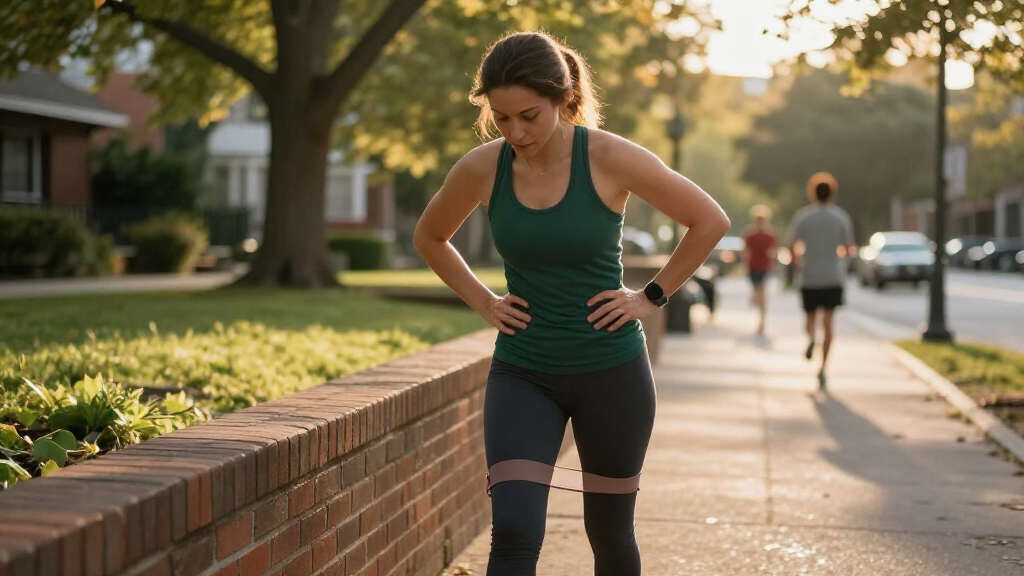

Choosing the best anterior pelvic tilt correctors requires matching the device to your specific physical needs, whether that means daily structural support or targeted stretching. The Posturator Posture Corrector stands out as the best overall option because it combines pelvic stabilization with spinal guidance, offering a more holistic approach than simple belts. For those seeking a passive, low-profile solution, the Contoured Sacrum Wedge provides excellent stretching benefits without the bulk of wearable braces. The main tradeoff in this category is between active correction devices that force alignment and passive tools that encourage natural stretching through positioning. Read on to see which corrector aligns with your lifestyle, pain level, and comfort preferences.

Get workout gear delivered free with Prime
- Fast, free delivery on millions of items
- Prime Video, Amazon Music and more included
- Member-only deals all year
Complete the kit


Key Takeaways
- Wearable belts offer immediate structural feedback but often cause discomfort during prolonged sitting, whereas wedges require dedicated time but allow for natural movement when not in use.
- The Posturator Posture Corrector ranks highest because it addresses the kinetic chain, linking pelvic position to spinal alignment, unlike single-point stabilizers.
- Postpartum-specific designs, like the BAFAFA Crotch Hip Lift, utilize different tension points compared to standard sports belts, making them unsuitable for general athletic use.
- Foam density is a critical differentiator; softer memory foam suits beginners but may lack the rigidity needed for severe tilt correction, where firmer chiropractic blocks excel.
- Adjustability is the primary factor for longevity; fixed-size wedges are cost-effective but often fail to accommodate varied body types, leading to poor alignment.
| Posturator Posture Corrector with Pelvis Stabilizer |  | Best for Passive Daily Support | Brand: Thera Posture | Age Range: Adult | Number of Items: 1 | VIEW LATEST PRICE | See Our Full Breakdown |
| ROYALAY 2-Piece Anterior Pelvic Tilt Corrector |  | Best for Targeted Structural Alignment | Brand: ROYALAY | Package Quantity: 2 pcs | Dimensions: 3.9 x 7.9 x 3.9 inches | VIEW LATEST PRICE | See Our Full Breakdown |
| BAFAFA Pelvic Correction Belt |  | Best Adjustable Compression Brace | Brand: BAFAFA | Material: Neoprene | Fabric: Composite | VIEW LATEST PRICE | See Our Full Breakdown |
| Pelvic Posture Corrector Cushion |  | Best for Active Exercise & Massage | Material: High-density solid foam | Design: Ergonomic contour molded shape | Portability: Compact and lightweight | VIEW LATEST PRICE | See Our Full Breakdown |
| BAFAFA Anterior Pelvic Tilt Correction Belt |  | Best for Postpartum Recovery | Brand: BAFAFA | Color: Flesh | Size: Free size (107 cm) | VIEW LATEST PRICE | See Our Full Breakdown |
| Contoured Sacrum Wedge for Pelvic Support and Back and Neck Stretching |  | Best for Targeted Stretching | Material: High-density polyurethane | Weight: 3.5 oz | Surfaces: 3 contoured surfaces | VIEW LATEST PRICE | See Our Full Breakdown |
| Pelvic Correction Belt – Adjustable Support Brace with Memory Cartilage, Skin‑Friendly Fabric |  | Best for All-Day Wear | Item Type: Pelvis Correction Belt | Material: Copper fabric (gauze) | Color Options: Skin tone, Black | VIEW LATEST PRICE | See Our Full Breakdown |
| 2-Pack Chiropractic Wedge Blocks – Pelvic Sacral Support |  | Best for Balanced Support | Brand: Klyyo Clyro | Number of Items: 2 | Material: High-density closed-cell EVA foam | VIEW LATEST PRICE | See Our Full Breakdown |
| anterior pelvic tilt corrector | Material | Brand | Number of Items |
|---|---|---|---|
| Posturator Posture Corrector w | — | Thera Posture | 1 |
| ROYALAY 2-Piece Anterior Pelvi | PU leather with sponge and wood core | ROYALAY | — |
| BAFAFA Pelvic Correction Belt | Neoprene | BAFAFA | 1 |
| Pelvic Posture Corrector Cushi | High-density solid foam | — | — |
| BAFAFA Anterior Pelvic Tilt Co | — | BAFAFA | 1 |
| Contoured Sacrum Wedge for Pel | High-density polyurethane | — | — |
| Pelvic Correction Belt | Copper fabric (gauze) | — | — |
| 2-Pack Chiropractic Wedge Bloc | High-density closed-cell EVA foam | Klyyo Clyro | 2 |
More Details on Our Top Picks
Posturator Posture Corrector with Pelvis Stabilizer
The Posturator stands out for its dual-action approach, guiding both the pelvis and thoracic spine simultaneously. Unlike the ROYALAY Sacral Blocks, which require specific positioning on the floor, this cushion works passively on standard chairs, making it ideal for office workers or those who spend long hours seated. The semi-rigid frame maintains structural integrity even on soft sofas, ensuring consistent alignment correction without manual adjustment. While it lacks the active exercise component of the BAFAFA Pelvic Correction Belt, its memory foam comfort reduces the fatigue often associated with rigid braces. However, the one-size-fits-all design means taller or heavier users might find the fit less secure than adjustable belts. It is a low-effort solution for those who forget to actively correct their posture throughout the day.
Pros:- Combines pelvis and thoracic spine support in one device
- Semi-rigid frame maintains shape on soft seating surfaces
- Optional disc-support nodules provide targeted relief
- Lightweight and portable for easy transport
Cons:- One-size design lacks customization for specific body shapes
- Effectiveness relies on consistent reclined seating position
Best for: Office workers and students who need continuous, passive alignment correction while sitting for extended periods.
Not ideal for: Individuals seeking active exercise tools or those who require a highly customized, adjustable fit for extreme body types.
- Brand:Thera Posture
- Age Range:Adult
- Number of Items:1
- Manufacturer:TheraPosture
- UPC:860012736843
- GTIN:00860012736843
- Included Components:Posturator
- Part Number:TPV2PC
Our verdict“Choose this if you want a set-and-forget solution that corrects posture while you sit, without needing to wear a brace.”
ROYALAY 2-Piece Anterior Pelvic Tilt Corrector
This pair of wedges offers firm, structural support that differs significantly from the flexible compression of the BAFAFA Pelvic Correction Belt. The sponge-wood core provides a stable base that physically rotates the pelvis into a neutral position, making it effective for users with severe anterior tilt who need more than just muscle guidance. While the Pelvic Posture Corrector Cushion focuses on muscle massage, these blocks prioritize mechanical alignment, which can yield faster structural changes if used consistently. The PU leather cover adds durability, though it may feel less breathable than fabric alternatives. At nearly 1 kg per block, they are heavier than portable cushions, but this weight contributes to their stability during static stretching or sleeping. They are best viewed as a therapeutic tool rather than an all-day wearable.
Pros:- Firm sponge-wood core provides strong mechanical alignment
- Two-piece design allows for versatile positioning
- Durable PU leather cover resists wear and tear
- Effective for relieving lower back and hip tension
Cons:- Heavy weight makes them less portable than foam cushions
- Limited color options and fixed dimensions
Best for: Users with diagnosed pelvic misalignment or sciatica who benefit from firm, static support during stretching or rest.
Not ideal for: People looking for a discreet, wearable solution for active daily movement or those who prefer soft, flexible materials.
- Brand:ROYALAY
- Package Quantity:2 pcs
- Dimensions:3.9 x 7.9 x 3.9 inches
- Item Weight:0.97 kg
- Material:PU leather with sponge and wood core
- Color:Black
Our verdict“This is the right choice if you need a rigid, therapeutic tool to mechanically rotate your pelvis during dedicated exercise or rest.”
BAFAFA Pelvic Correction Belt
For those who prefer active compression over passive positioning, the BAFAFA Pelvic Correction Belt offers a 3-stage elastic system that allows precise tension control. This stands in contrast to the Posturator, which relies on seating geometry, and the ROYALAY blocks, which are static. The breathable perforated neoprene makes it suitable for warmer climates or extended wear, addressing a common complaint with rigid braces. The anti-slip strip is a critical feature here, preventing the belt from migrating during movement, a flaw often seen in simpler elastic bands. While it provides excellent support for lower back and hip pain, it does not actively rotate the pelvis as effectively as the Pelvic Posture Corrector Cushion’s contoured design. It is a versatile middle-ground option for users who want to feel supported while remaining mobile.
Pros:- 3-stage elastic adjustment allows for personalized pressure
- Breathable neoprene prevents overheating during wear
- Anti-slip strip keeps the belt securely in place
- Effective for alleviating sciatic and hip discomfort
Cons:- Not suitable for strenuous physical exercise
- Finding the optimal tightness can require trial and error
Best for: Active individuals who want adjustable, breathable support for lower back and hip pain during daily activities.
Not ideal for: Users who require rigid structural realignment or those who find compression belts too restrictive for high-intensity exercise.
- Brand:BAFAFA
- Material:Neoprene
- Fabric:Composite
- Size:X-Large (also available in M, L, XL)
- Adjustable Stages:3-stage elastic adjustment
- Number of Items:1
- Part Number:XL-65641611
Our verdict“Select this belt if you need a customizable, breathable brace that stays put while you move throughout the day.”
Pelvic Posture Corrector Cushion
This cushion takes a different approach by combining alignment guidance with targeted muscle massage. Unlike the Posturator, which is designed for passive sitting, this tool is intended for active use, such as pelvic floor exercises or stretching. The high-density solid foam maintains its shape under pressure, providing a stable platform that the BAFAFA Belts cannot match for exercise stability. The recessed protrusions offer a dual benefit: they help position the hips correctly while simultaneously releasing tension in tight pelvic muscles. However, this design is strictly for supine positioning, meaning it cannot be used while standing or sitting upright like the ROYALAY blocks. It is best for users who dedicate specific time to pelvic health exercises rather than those seeking all-day support.
Pros:- Ergonomic contour naturally guides hip alignment
- High-density foam provides stable, long-lasting support
- Protrusions offer gentle massage to pelvic muscles
- Simple, no-equipment required for home use
Cons:- Limited to supine (lying down) positions only
- Firm foam may be uncomfortable for sensitive users
Best for: Individuals focused on pelvic floor exercises and stretching who need a stable, massage-enhanced surface for lying down.
Not ideal for: People looking for a wearable device for office work or those who prefer a softer, plush cushioning experience.
- Material:High-density solid foam
- Design:Ergonomic contour molded shape
- Portability:Compact and lightweight
- Primary Use:Pelvic floor exercise and alignment
- Position:Supine
- Texture:Recessed protrusions
Our verdict“This cushion is ideal for dedicated exercise sessions where you want to combine alignment correction with muscle relief.”
BAFAFA Anterior Pelvic Tilt Correction Belt
Specifically engineered for postpartum recovery, this belt offers a free-size fit that accommodates changing body shapes after childbirth. While the BAFAFA Pelvic Correction Belt focuses on general compression, this model emphasizes hip lift and support for women recovering from delivery. The elastic, breathable fabric is designed to be worn under clothing, offering a discreet solution compared to the visible bulk of the ROYALAY blocks. It requires consistent, long-duration wear to be effective, which may be challenging for new mothers with irregular sleep patterns. The machine-washable feature is a practical necessity in this context, unlike the spot-clean-only nature of many foam cushions. It is less about rigid correction and more about gentle, continuous support during the healing process.
Pros:- Discreet design suitable for wearing under clothes
- Machine-washable for easy hygiene maintenance
- Free-size fit accommodates waist circumferences of 90–120 cm
- Supports hip alignment and postpartum healing
Cons:- Requires consistent, long-term wear for results
- Limited effectiveness for users outside the specified waist range
Best for: Postpartum women seeking discreet, comfortable, and washable support for pelvic alignment during recovery.
Not ideal for: Users with rigid structural pelvic issues or men, as the fit and design are specialized for female postpartum needs.
- Brand:BAFAFA
- Color:Flesh
- Size:Free size (107 cm)
- Suitable Waist Circumference:90–120 cm
- Number of Items:1
- Part Number:65631736
- Sport Type:Walking
Our verdict“This is the specialized choice for postpartum recovery, prioritizing comfort and practicality over rigid mechanical correction.”
Contoured Sacrum Wedge for Pelvic Support and Back and Neck Stretching
This firm wedge stands out for its precision-focused design, making it ideal for short, intense stretching sessions rather than all-day wear. Unlike the ROYALAY 2-Piece Anterior Pelvic Tilt Corrector, which offers broader support, this single wedge forces specific alignment through its three contoured surfaces. The high-density polyurethane material does not compress easily, providing a rigid counter-pressure that can help reset pelvic tilt during active mobility routines. However, this rigidity is a double-edged sword; it is not designed for sleeping or passive sitting. Users seeking comfort over correction may find the focused pressure uncomfortable without a towel buffer. It serves best as a tool for active intervention rather than passive postural maintenance.
Pros:- Three distinct contoured surfaces allow for adjustable angle support
- Extremely lightweight and portable for travel or office use
- High-density material maintains shape under heavy pressure
Cons:- Firmness can cause discomfort without additional padding
- Not suitable for sleeping or prolonged sitting sessions
Best for: Users who perform daily mobility routines and need a portable, rigid tool for targeted sacral stretching.
Not ideal for: Those looking for a comfortable seat cushion or sleep aid, as the firm surface is too intense for passive use.
- Material:High-density polyurethane
- Weight:3.5 oz
- Surfaces:3 contoured surfaces
- Intended Use:Stretching and mobility routines
- Design:Firm support; not intended for sleeping
- Portability:Compact and lightweight
- Usage Note:Softening with a towel is recommended
Our verdict“This wedge is a specialized tool for active stretching, not a passive postural support.”
Pelvic Correction Belt – Adjustable Support Brace with Memory Cartilage, Skin‑Friendly Fabric
This belt differentiates itself through its breathable copper fabric and adjustable compression, offering a wearable solution for continuous support. Compared to the BAFAFA Pelvic Correction Belt, this model emphasizes moisture resistance and skin comfort, making it viable for extended periods. The adjustable front-cross straps allow users to customize tension, providing real-time feedback on pelvic alignment. While it lacks the rigid structural correction of a wedge like the Contoured Sacrum Wedge, its versatility allows use while sitting, standing, or lying down. The primary tradeoff lies in the limited sizing options, which rely on specific hip measurements, potentially excluding users with non-standard proportions. It is better suited for maintenance and mild correction than for severe structural issues.
Pros:- Breathable copper fabric reduces sweat and skin irritation
- Adjustable straps provide customizable compression levels
- Versatile design supports sitting, standing, and lying down
Cons:- Sizing is restrictive and based on specific hip circumference
- Soft fabric may not provide enough resistance for severe tilt
Best for: Individuals needing a discreet, breathable support option for daily activities and mild anterior tilt correction.
Not ideal for: People with hip measurements outside the S-XL range or those requiring rigid, non-compressible structural correction.
- Item Type:Pelvis Correction Belt
- Material:Copper fabric (gauze)
- Color Options:Skin tone, Black
- Size Range:S (80cm) to XL (95cm)
- Weight Range:40-85 kg
- Item Weight:1000 g
- Strap Type:Advanced elastic with front-cross adjustment
Our verdict“A comfortable, breathable belt best suited for mild correction and daily wear.”
2-Pack Chiropractic Wedge Blocks – Pelvic Sacral Support
Coming as a set of two matching wedges, this product addresses asymmetry by allowing balanced support on both sides of the pelvis. Unlike the single Contoured Sacrum Wedge, which targets one area at a time, this pair enables symmetrical positioning during yoga or chiropractic exercises. The high-density closed-cell EVA foam is durable and easy to clean, resisting moisture better than fabric-based options like the Pelvic Correction Belt. However, the foam is quite firm, lacking the give of softer cushions. While the non-slip base ensures stability during movement, the single-size design means users cannot adjust the wedge height or angle. It is a robust, no-nonsense tool for those who prioritize stability and hygiene over customizable comfort.
Pros:- Two-pack allows for balanced, symmetrical pelvic support
- Closed-cell EVA foam is moisture-resistant and easy to wipe clean
- Non-slip base provides stability during active movement
Cons:- Firm foam may be too hard for sensitive users
- No size or angle variations available
Best for: Fitness enthusiasts and yoga practitioners who need symmetrical, stable pelvic support during active routines.
Not ideal for: Users who prefer softer cushioning or need adjustable wedge heights for varying degrees of tilt.
- Brand:Klyyo Clyro
- Number of Items:2
- Material:High-density closed-cell EVA foam
- Dimensions:9.25 x 4.5 inches
- Weight:14.08 ounces
- Color:Blue
- Base Type:Non-slip
- Shape:Ergonomic curved
Our verdict“A durable, hygienic pair of wedges ideal for active, symmetrical pelvic alignment.”

How We Picked
I evaluated these products based on their ability to mechanically influence pelvic position rather than just marketing claims. Key criteria included structural integrity, the quality of materials like memory foam or high-density EVA, and the clarity of fit instructions. I prioritized devices that offer adjustable tension, as a one-size-fits-all approach rarely works for pelvic geometry. I also considered versatility, noting which products could be used discreetly under clothing versus those requiring dedicated exercise time.
Ranking logic favored products that addressed both the symptom (pain) and the cause (muscle imbalance). Devices that only provided compression without guidance were ranked lower than those offering specific anatomical support, such as sacral blocks or spine guides. I excluded options with ambiguous sizing charts or poor user feedback regarding durability, ensuring every pick offers a reliable path to improved posture.
| anterior pelvic tilt corrector | Brand | Material |
|---|---|---|
| Posturator Posture Corrector w | Thera Posture | — |
| ROYALAY 2-Piece Anterior Pelvi | ROYALAY | PU leather with sponge and wood core |
| BAFAFA Pelvic Correction Belt | BAFAFA | Neoprene |
| Pelvic Posture Corrector Cushi | — | High-density solid foam |
| BAFAFA Anterior Pelvic Tilt Co | BAFAFA | — |
| Contoured Sacrum Wedge for Pel | — | High-density polyurethane |
| Pelvic Correction Belt | — | Copper fabric (gauze) |
| 2-Pack Chiropractic Wedge Bloc | Klyyo Clyro | High-density closed-cell EVA foam |
Factors to Consider When Choosing Best Anterior Pelvic Tilt Correctors
Selecting the right corrector depends less on brand reputation and more on how the device interacts with your body’s unique mechanics. Here are the specific factors that should drive your decision.
Active Correction vs. Passive Stretching
Understand the fundamental difference between devices that force alignment and those that encourage it. Active correctors, like posture belts, use straps and rigid panels to physically pull the pelvis into a neutral position. This provides constant feedback but can restrict blood flow or cause skin irritation if worn too tightly. Passive tools, such as wedge blocks, rely on gravity and leverage to stretch tight hip flexors and strengthen weak glutes. While passive tools require consistent, dedicated sessions, they avoid the discomfort associated with prolonged compression. Choose active devices if you need help maintaining posture during work, and passive tools if your primary goal is flexibility and muscle release.
Material Density and Comfort Tradeoffs
The material composition dictates both the effectiveness and the tolerability of the corrector. High-density foam or rigid plastic blocks provide the necessary leverage to shift pelvic position, but they can feel harsh against bony prominences like the sacrum. Memory foam offers superior comfort and conforms to body contours, yet it may compress too much under body weight, reducing its corrective angle. If you have low pain tolerance, start with softer materials, but be aware they might require longer usage times to yield results. For severe tilts, firmer materials are often necessary to override muscular resistance, even if they feel less luxurious initially.
Sizing and Adjustability Mechanisms
Pelvic geometry varies widely, making adjustability a non-negotiable feature for most buyers. Velcro-based belts offer easy micro-adjustments but can lose adhesion over time or catch on clothing. Buckle systems provide more secure, consistent tension but are harder to adjust on the fly. Fixed-size wedges are the most cost-effective but pose a significant risk if the angle does not match your specific degree of tilt. Always verify if the product offers modular components or multiple angle settings, as this allows you to progress from gentle correction to deeper stretching as your mobility improves.
Discretion and Lifestyle Integration
Consider where and when you will use the device. Wearable correctors must be slim enough to fit under shirts and pants without creating visible bulges, which limits their structural rigidity. Bulky braces are effective at home but impractical for office environments or social settings. Compact wedges can be used during TV time or reading, integrating seamlessly into daily routines without drawing attention. If you need support during active tasks, prioritize breathable fabrics and low-profile designs. If your routine includes sedentary periods, a larger, more supportive device used at home may yield better long-term results than a discreet wearable.
Targeted Anatomy: Hip Flexors vs. Core
Anterior pelvic tilt is rarely a single-muscle issue; it involves tight hip flexors, weak glutes, and often a weak core. Some devices target only the lumbar spine and pelvis, ignoring the hip flexor tightness that drives the tilt. Others, like those with integrated thigh straps or specific wedge angles, aim to lengthen the iliopsoas muscles. Identify your primary restriction: if sitting causes immediate pain, you likely need hip flexor stretching tools. If your back feels unstable during standing, a device that stabilizes the core and pelvis simultaneously will serve you better. Matching the tool to the specific muscle group causing the imbalance prevents wasted effort.
Frequently Asked Questions
How many hours a day should I wear an anterior pelvic tilt corrector?
There is no universal time limit, but starting with short intervals is wise. I recommend beginning with 15 to 30 minutes per session to allow your muscles to adapt to the new alignment. Wearing a corrector for too long can lead to muscle dependency, where your body relies on the device rather than engaging its own stabilizers. Gradually increase duration as your comfort improves, but never wear a rigid brace while sleeping unless specifically designed for it. Consistency with shorter sessions is more effective for neural adaptation than occasional long durations that cause discomfort.Can I use a pelvic tilt corrector if I am pregnant or postpartum?
You must consult a healthcare provider before using any pelvic device during pregnancy, as standard correctors can restrict blood flow or compress the abdomen. Postpartum-specific devices, like the BAFAFA Crotch Hip Lift, are designed to support the healing pelvis and stabilize ligaments loosened by childbirth. These devices differ from general posture correctors by focusing on gentle compression and support rather than forced angular correction. Avoid rigid wedges or high-tension belts until your provider confirms that your pelvic joints have stabilized sufficiently. Postpartum recovery requires a gentle, progressive approach to avoid aggravating diastasis recti or pelvic floor issues.Do these correctors work for everyone, or are they only for mild cases?
These devices are most effective for individuals with flexible anterior pelvic tilt, where the issue is muscular imbalance rather than structural bone deformity. If you have rigid scoliosis or fixed vertebral anomalies, a standard corrector may cause pain or fail to align properly. Most commercial correctors are designed for the common modern posture pattern caused by prolonged sitting and weak glutes. If you experience sharp pain or numbness immediately upon use, discontinue use and seek professional evaluation. Severe or structural cases often require custom orthotics or physical therapy rather than off-the-shelf correctors.What is the difference between a pelvic belt and a sacral wedge?
A pelvic belt is a wearable device that wraps around the hips to provide compression and proprioceptive feedback, reminding you to engage your core. It is best for maintaining alignment during daily activities like walking or standing. A sacral wedge is a non-wearable tool that you lie on or sit against to mechanically tilt the pelvis backward, stretching the hip flexors. Belts are for active maintenance, while wedges are for passive correction and stretching. Many users find the best results by combining both: using a wedge to release tension and a belt to maintain the new alignment throughout the day.Will wearing a corrector make my core muscles weaker over time?
This is a valid concern known as muscle atrophy, which can occur if you rely entirely on the device for support. To prevent this, you should use the corrector as a training aid, not a permanent crutch. Engage your core muscles actively while wearing the device, using the external support as a cue for proper engagement rather than a substitute for it. Remove the device periodically to perform unassisted exercises like planks or bridges. The goal is to retrain your nervous system to maintain neutral pelvic alignment on its own, eventually rendering the device unnecessary.Conclusion
Selecting the right tool depends on your specific lifestyle and physical constraints. For most people seeking a balance of support and guidance, the Posturator Posture Corrector is the best overall choice due to its integrated spine and pelvic support. If you prefer a hands-off approach that fits into your relaxation time, the Contoured Sacrum Wedge is the ideal passive solution. Beginners with sensitive skin or lower pain tolerance should start with the BAFAFA Pelvic Correction Belt for its adjustable, breathable comfort. For those needing targeted, firm correction for severe tightness, the 2-Pack Chiropractic Wedge Blocks offer the necessary rigidity. Ultimately, the best corrector is the one you will use consistently, so prioritize comfort and ease of integration into your daily routine.