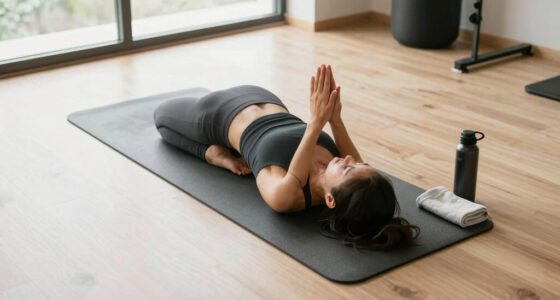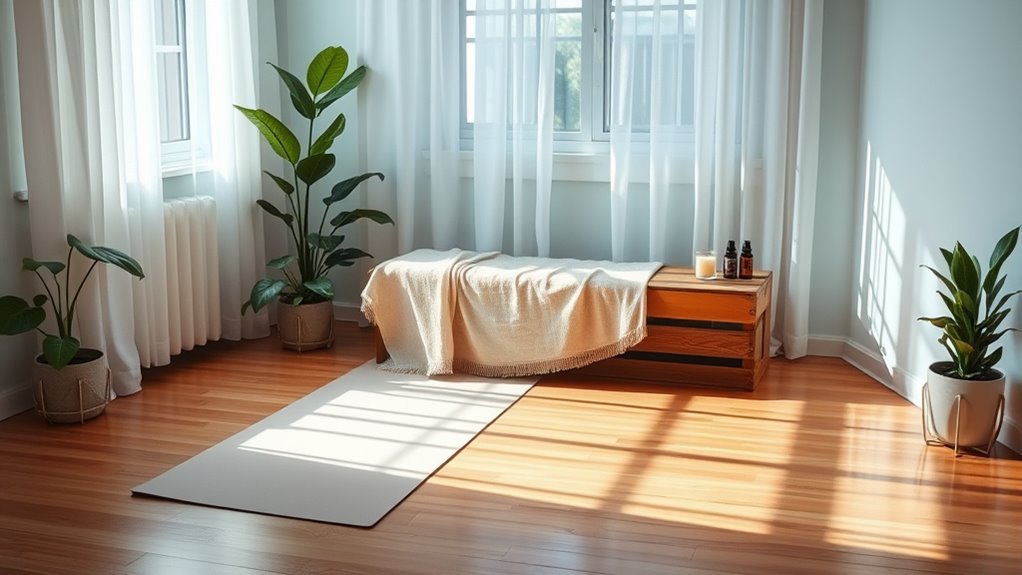
To create a relaxing home yoga space on a budget, choose a quiet area like a corner or spare room. Use a quality yoga mat and repurpose items like cushions as blocks. Maximize natural light, or use soft lighting for ambiance. Decorate with calming artwork and indoor plants for a personal touch. Keep things tidy by regularly decluttering. This simple setup will enhance your practice, and there’s more to explore for making it personal and inviting.
Key Takeaways
- Choose a quiet corner or room in your home that promotes comfort and minimizes distractions for your yoga practice.
- Utilize a good-quality yoga mat and repurpose household items like cushions and towels as affordable props.
- Maximize natural light during the day and use soft lighting options to create a calming atmosphere for your practice.
- Personalize your space with calming artwork, indoor plants, and simple decor to enhance tranquility and mindfulness.
- Keep your yoga space clutter-free by regularly organizing props and assigning designated spots for each item.
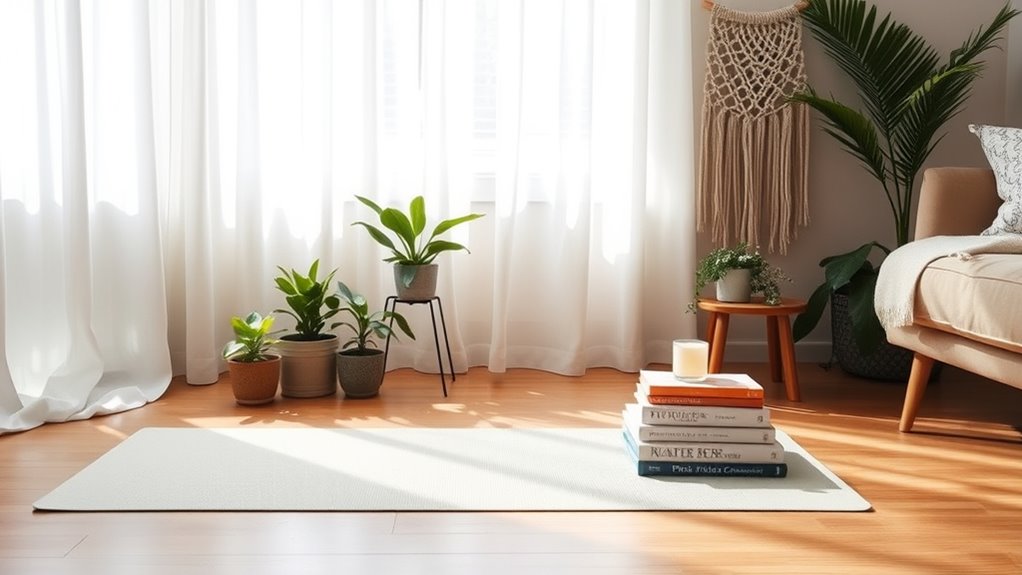
Creating a relaxing home yoga space on a budget can be easier than you think. You don’t need to invest in expensive studio memberships or fancy equipment to cultivate a serene environment. Instead, focus on the essentials and let your creativity shine. Start by selecting a dedicated area in your home, whether it’s a corner of your living room, a spare bedroom, or even a balcony. The key is to choose a space where you can feel comfortable and undistracted.
Transform a corner of your home into a serene yoga space without breaking the bank. Embrace creativity and comfort for your practice.
Next, consider the yoga props that can enhance your practice. You don’t have to splurge on high-end mats or blocks. A good-quality yoga mat is *essential*, so look for one that offers decent grip and cushioning without breaking the bank. You can also use household items as substitutes for props. For example, a sturdy cushion can serve as a block, and a rolled-up towel can act as a strap. This way, you’re staying budget-friendly while still having the tools you need to support your practice.
Once you’ve got your props sorted, think about the ambiance. Ambient lighting plays a huge role in creating a calming atmosphere. Natural light is ideal, so if you can practice during the day, position your mat near a window. If that’s not an option, consider string lights or soft lamps with warm bulbs. Avoid harsh overhead lighting that can disrupt the tranquil vibe you’re aiming for. Scented candles or essential oil diffusers can also contribute to the overall ambiance, enhancing your relaxation experience.
Incorporating personal touches into your space can make it feel more inviting. Hang up calming artwork or photographs that inspire you. You might even want to add indoor plants, which can purify the air and bring a sense of nature indoors. Just a few small details can make your practice space feel unique and comforting. Additionally, consider incorporating natural elements into your decor, as they can enhance your mindfulness experience.
Lastly, remember to keep your space tidy. A clutter-free zone allows your mind to relax and focus during your yoga sessions. Regularly declutter and organize your props, ensuring everything has a designated spot. Creating a peaceful environment doesn’t have to cost a fortune; with a little thought and creativity, you can design a relaxing home yoga space that encourages tranquility and mindfulness without the financial burden. Enjoy your practice!

Gaiam Dry-Grip Yoga Mat, Non-Slip, Hot Yoga (Marbled)
- Versatile for Various Workouts: Suitable for yoga, Pilates, and fitness routines
- Moisture-Wicking Non-Slip Surface: Keeps grip during sweaty hot yoga sessions
- Cushioned Support for Joints: Provides comfort and stability during exercises
As an affiliate, we earn on qualifying purchases.
As an affiliate, we earn on qualifying purchases.
Frequently Asked Questions
What Are Affordable Alternatives to Traditional Yoga Mats?
If you’re looking for affordable alternatives to traditional yoga mats, consider eco-friendly materials like cork or jute. You could also make your own DIY yoga mat using thick towels or blankets for cushioning. Simply fold them to your desired thickness and secure them with a non-slip surface underneath. This way, you’re not only saving money, but you’re also being kind to the environment while enjoying your yoga practice at home.
How Can I Incorporate Aromatherapy on a Budget?
You can easily incorporate aromatherapy on a budget by using essential oil blends in a budget diffuser. Look for affordable diffusers online or at local stores; many options are under $20. Choose blends like lavender for relaxation or eucalyptus for refreshment. You can also create your own blends using a few drops of your favorite essential oils in water. This simple addition will enhance your yoga experience without breaking the bank!
What Is the Best Time of Day for Yoga Practice?
The best time for your yoga practice is really when you feel most alive. Imagine the serene morning light filtering through your window, perfect for energizing yoga morning routines. Alternatively, picture the calm of the evening, where you can unwind and enjoy the soothing benefits of evening meditation. Both times offer unique advantages, so choose what resonates with you. Listen to your body; it’ll guide you to the perfect moment for your practice.
How Do I Choose Calming Music for My Yoga Space?
To choose calming music for your yoga space, focus on creating ambiance that promotes relaxation. Start by selecting melodies with gentle rhythms and soothing harmonies. Look for instrumental tracks or nature sounds that help you unwind. You can explore playlists designed for yoga or meditation, ensuring they flow smoothly without sudden changes. Test different options during your practice to find what resonates with you, and adjust the volume to maintain a peaceful atmosphere.
Can I Use Everyday Items as Yoga Props?
Absolutely, you can use everyday items as yoga props! Think about using a sturdy chair for support, cushions for comfort, or even a rolled-up towel for a makeshift yoga mat. You can also get creative with DIY decor, like hanging calming artwork or using plants to enhance the atmosphere. For storage solutions, repurpose baskets or boxes to keep your items organized, making your space feel inviting and functional while you practice.

Septo 2 Pcs Yoga Blocks, 9x6x3 Inch Pink Foam Blocks for Pilates
- Enhances Yoga Practice: Improves posture and flexibility
- Durable Material: Made from water-resistant EVA rubber
- Portable Design: Lightweight and compact for easy transport
As an affiliate, we earn on qualifying purchases.
As an affiliate, we earn on qualifying purchases.
Conclusion
You might think creating a calming yoga space at home requires a hefty budget, but that’s simply not true. With a few creative touches and smart choices, you can craft a serene environment that inspires relaxation and mindfulness without breaking the bank. Use what you already have, incorporate natural elements, and let your space reflect your personality. Remember, it’s not about spending money—it’s about creating a sanctuary that nurtures your practice and well-being.
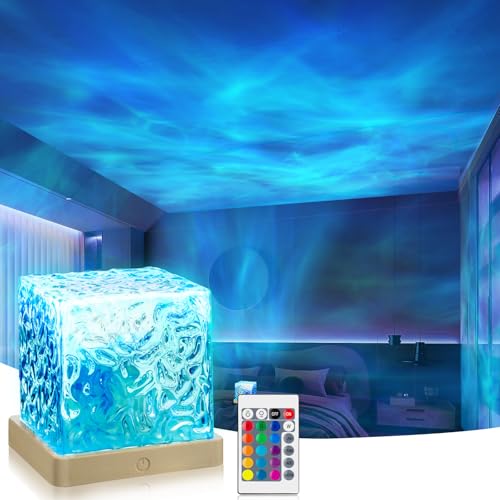
Ocean Projector for Bedroom, Ambient Lighting with Remote for Room Decor
- Dynamic Ocean Wave Projection: Projects mesmerizing ocean wave patterns
- 16-Color Mood Lighting: Choose from 16 soothing colors
- Adjustable Brightness: Control brightness with remote
As an affiliate, we earn on qualifying purchases.
As an affiliate, we earn on qualifying purchases.

Live Herb Sleep Aid Combo in Deco Cover – Aromatic and Health Enhancer, Includes Lavender, Rosemary, and Lemon Balm, 12" Tall by 6" Wide in 1.25 Quart Pot
- Sleep Aid Benefits: Lavender, Lemon Balm, Rosemary for relaxation and health
- Plant Growth Needs: Requires sunlight, separate pots for Rosemary and Lavender
- Watering Instructions: Use tray method for optimal absorption
As an affiliate, we earn on qualifying purchases.
As an affiliate, we earn on qualifying purchases.