
TL;DR

Get workout gear delivered free with Prime
- Fast, free delivery on millions of items
- Prime Video, Amazon Music and more included
- Member-only deals all year
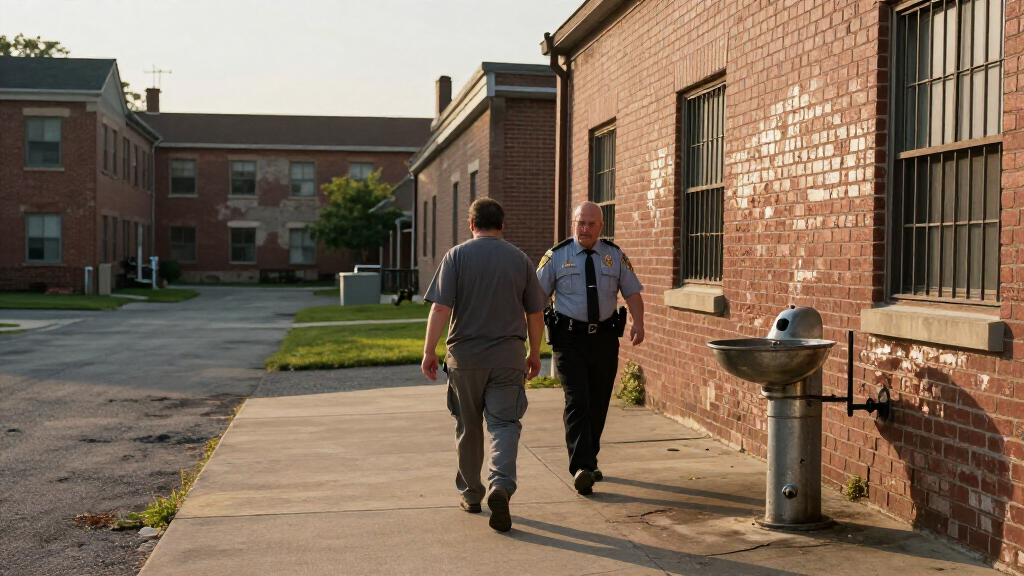
A study published in Nature Communications found that extreme heat and cold were associated with higher rates of deaths, infirmary admissions and transfers to outside medical facilities among people in Pennsylvania state prisons over 20 years. Women had greater increases than men in infirmary visits and external transfers on and after extremely hot days. The findings add urgency to questions about prison facilities, health care capacity and preparation for severe weather.
A study published in Nature Communications found that extreme heat and cold were associated with higher rates of deaths, infirmary admissions and transfers to outside medical facilities among people in Pennsylvania state prisons over a 20-year period. The researchers also found that women experienced greater increases than men in infirmary visits and external medical transfers on and after extremely hot days, raising concerns about how aging facilities and strained prison health services respond to severe weather.
The research, led by epidemiologist Jaquelyn L. Jahn and colleagues, examined mortality and health care use in Pennsylvania prisons after extreme ambient temperatures. The study reports an association between very hot or cold conditions and increased rates of deaths, infirmary admissions and outside medical transfers. The findings do not, on their own, establish that temperature caused each outcome.
One result that stood out to the researchers was the pattern among women: on and after extremely hot days, women in state prisons had greater increases in infirmary visits and transfers to external medical facilities than men. The source report says prior research in the general population has not consistently found women to be more vulnerable to heat-related health risks. The reasons for the difference in the prison study are not established.
The report says Pennsylvania confines nearly 40,000 people and has the sixth-largest state prison population in the United States. Many facilities were built in the 1990s or earlier, and some have air conditioning only in certain buildings or units. The report identifies facilities including MCI Muncy as having partial or very limited air conditioning. It also describes staffing shortages in correctional and medical roles, which can limit access to appointments and other services.
Heat Risks Meet Limited Prison Care
The findings matter because people in custody cannot independently leave a hot or cold facility, seek shelter elsewhere or control the temperature around them. That dependence makes prison operations and health care response central to safety during extreme weather. The study links temperature extremes to more demand for care in a system the source report describes as already facing staff vacancies and rising medical needs.
The reported difference for women adds a population-specific concern, though it does not explain why their rates of some services rose more. The report points to possible relevance of age-related and reproductive health factors, including menopause symptoms, but these are offered as context rather than as a proven explanation for the study result. The research may inform decisions about cooling, heating, staffing and health care access; it does not itself evaluate a particular intervention or prescribe a specific policy.
Older adults may face particular pressure. According to the source report, the average age of people admitted to Pennsylvania prisons rose from 31 in 2000 to 38 in 2023, while people over 50 have higher medication costs on average than younger incarcerated adults. These details underscore how weather-related health demands intersect with an aging prison population.
portable air conditioner for large rooms
As an affiliate, we earn on qualifying purchases.
As an affiliate, we earn on qualifying purchases.
Older Facilities, Changing Weather
The report describes Pennsylvania as experiencing outdoor temperatures as high as 103 degrees Fahrenheit and as low as minus 9 degrees Fahrenheit during the previous year. People in custody cannot choose their own cooling or access a public warming center. Accounts from incarcerated people and advocates have raised concerns for several years about uncomfortable and potentially hazardous indoor conditions, including inadequate cooling during heat waves and cold conditions when heating systems fail.
Some state facilities have air conditioning in only selected buildings or areas, such as nursing units. The source report names Cambridge Springs, Dallas, Laurel Highlands, Muncy, Waymart and Huntingdon among facilities with partial or very limited cooling. It also describes chronic shortages among corrections officers, nurses and physicians; some facilities have reported medical staff vacancy rates approaching 40%. The report says staffing gaps can restrict movement and make it harder for incarcerated people to reach appointments and programming.
The study is part of a wider concern about climate exposure in prisons, not a claim that Pennsylvania is the only state facing it. The source cites previous research suggesting heat-related mortality risks have increased substantially since 2001 for incarcerated people in the Northeast. The new analysis focuses on outcomes in Pennsylvania state prisons and spans 20 years.
As an affiliate, we earn on qualifying purchases.
Causes and Facility Conditions Still Unclear
The study findings described in the source establish associations, but the material provided does not give detailed effect sizes, temperature thresholds, confidence intervals or facility-by-facility results. It is also unclear from the report how much of the observed change reflects temperature itself, underlying health conditions, access to care or other factors.
The reason women showed greater increases in some forms of medical service use after extreme heat is not resolved. The source discusses accelerated aging and menopause-related symptoms as relevant considerations, but does not establish that they explain the difference. The material also does not specify which facilities have since upgraded cooling or heating systems, or whether prison officials have announced a response to the study.
medical alert bracelet for seniors
As an affiliate, we earn on qualifying purchases.
As an affiliate, we earn on qualifying purchases.
Planning for Future Heat and Cold
The source report calls for climate resilience planning that addresses prison conditions and health care capacity, alongside policy efforts to reduce incarceration, particularly among older adults. It does not identify a state implementation plan, a funding commitment or a timeline for facility upgrades. Those details remain key to whether the findings lead to operational changes.
Further reporting and public information from the Pennsylvania Department of Corrections could clarify how facilities monitor indoor temperatures, which units have reliable cooling and heating, and how staff prepare for heat alerts and cold spells. Researchers and officials may also need to examine why women showed larger increases in certain services and whether targeted safeguards are warranted. For now, the study provides evidence of a relationship between temperature extremes and health outcomes, while the practical response remains unsettled.
thermal insulated clothing for extreme weather
As an affiliate, we earn on qualifying purchases.
As an affiliate, we earn on qualifying purchases.
Key Questions
What did the Pennsylvania prison study find?
It found that extreme heat and cold were associated with higher rates of deaths, infirmary admissions and transfers to outside medical facilities among people in Pennsylvania state prisons over 20 years.
Did women show a different pattern?
Yes. The study reported greater increases among women than men in infirmary visits and transfers to external medical facilities on and after extremely hot days. The reason for that difference is not established in the source report.
Does the study prove extreme temperatures caused the health outcomes?
No. The findings describe an association between temperature extremes and health outcomes. The report does not say the study proved that temperature caused each death or medical visit.
Why are Pennsylvania prisons a focus?
Pennsylvania confines nearly 40,000 people, many facilities are older, and some have air conditioning only in selected areas. The source report also describes staffing shortages and an aging prison population, factors that can complicate care during severe weather.
What changes have officials announced?
The source material does not report a specific state response, facility upgrade plan, funding commitment or timeline. It says climate resilience planning would need to address prison conditions and health care systems.
Source: rss
Halloween Picks
halloween
As an affiliate, we earn on qualifying purchases.