
TL;DR

Get workout gear delivered free with Prime
- Fast, free delivery on millions of items
- Prime Video, Amazon Music and more included
- Member-only deals all year
Physiologist and wellbeing expert Oli Patrick outlined five sleep habits in an interview with Fit&Well: allow seven hours for sleep, keep a regular schedule, get morning light, darken the bedroom and cool down before bed. He says these steps may support sleep, but the report does not present clinical evidence that the checklist will resolve persistent sleep problems.
Physiologist and wellbeing expert Oli Patrick has recommended five everyday habits for people who struggle to fall asleep, including setting aside seven hours for sleep, keeping regular sleep and wake times, seeking morning light, reducing evening light and cooling down before bed. Patrick shared the checklist with Fit&Well while speaking at an event for the launch of Eight Sleep’s Pod 6 mattress cover; he said the habits do not require a sleep-tracking device.
Patrick’s first two recommendations concern sleep opportunity and routine. He advises allowing at least seven hours for sleep and keeping bedtime and wake time consistent from day to day. He links regular timing to the body’s circadian rhythm, the roughly 24-hour pattern that helps regulate sleep and wakefulness. Seven hours is Patrick’s suggested target, not a guarantee that every person will feel rested or meet their individual sleep needs.
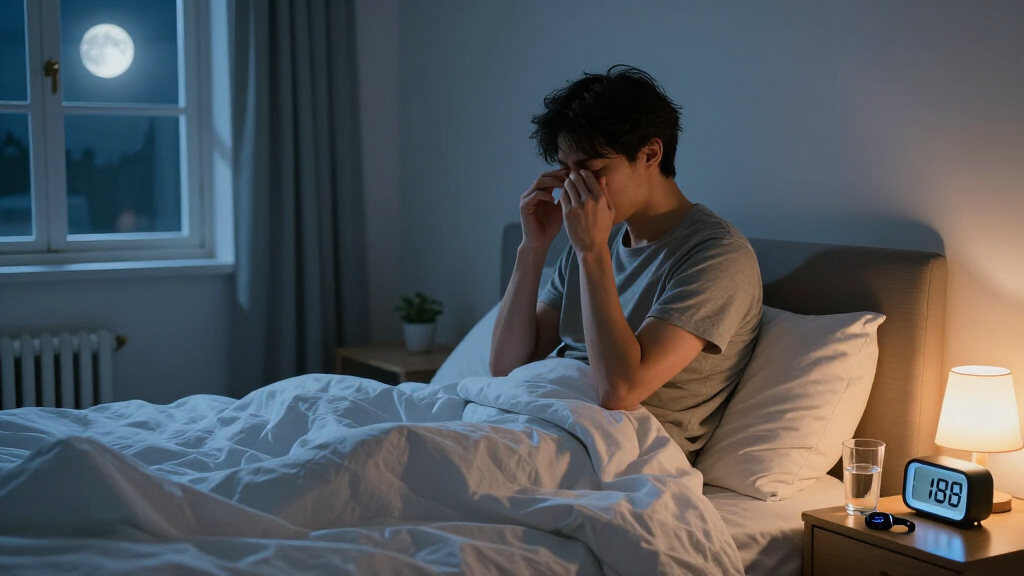
His next steps focus on light. Patrick recommends getting 10 to 15 minutes of daylight within the first hour after waking, ideally outdoors. He also says bright artificial light may be an alternative when sunlight is not available. In the evening, he advises making the bedroom as dark as a person can tolerate and limiting phone, laptop and television use near bedtime.
The fifth point is to lower body temperature before sleep. Patrick suggests avoiding late meals, exercise or work if they make it harder to cool down, and says a quick shower may help the body lose heat afterward. He also discusses temperature-adjusting sleep products, including the Pod 6, but says people can apply the checklist without technology. If sleep remains poor, he suggests reviewing caffeine after lunch and alcohol use, and trying calming practices such as journaling, breathing exercises or yoga. These are his recommendations, not a diagnosis or a substitute for professional advice.
Practical Changes Without Sleep Tech
The checklist centers on routine and bedroom conditions rather than buying a device, making the suggestions accessible to readers who want to test simple changes first. Its focus on regular timing, light and temperature gives readers a short set of factors to review when nights are unsettled, instead of treating a smart mattress or tracking data as a requirement.
There are limits to what the report establishes. Patrick’s guidance is based on his professional experience and interview comments; Fit&Well does not provide a clinical trial or outcome data showing that the five steps improve sleep for everyone. Persistent sleep difficulties can have varied causes, so a checklist should not be taken as evidence that a person’s problem is caused by poor habits alone. Readers with ongoing or severe symptoms may want to seek advice from a qualified health professional.
As an affiliate, we earn on qualifying purchases.
Fit&Well reported Patrick’s comments at an Eight Sleep event marking the launch of Pod 6, a mattress cover that the company says can track health measures such as heart rate and adjust bed temperature. Patrick is an advocate for the product, but told the publication that people can work on sleep without using technology. That setting is relevant when interpreting his mention of temperature-adjusting systems: the article includes a commercial product alongside behavior-based recommendations.
Patrick’s background, as described by Fit&Well, includes a degree in Exercise Sciences from the University of Birmingham and work in health and wellbeing physiology, including roles at Nuffield Health and Latus Health. His experience explains why the publication sought his guidance, but it does not by itself establish the effectiveness of each recommendation. The source presents the checklist as practical advice rather than a formal clinical guideline.
“Everything is now anti-sleep. The modern world—from light to temperature, to noise and stimulus—has made it the most difficult time in lived history to sleep well.”
— Oli Patrick, physiologist and wellbeing expert, speaking to Fit&Well
As an affiliate, we earn on qualifying purchases.
Evidence and Individual Sleep Needs
The Fit&Well report does not state when it was published, cite studies for the checklist or describe a clinical test of Patrick’s recommendations. It also gives no evidence that seven hours is the right duration for every reader, or that the suggested light and temperature changes will address persistent insomnia. Patrick’s claim that few people continue to struggle after applying the habits is presented as his experience, not as a measured finding.
It is also unclear whether readers should use a light therapy box or a temperature-adjusting product, and the source does not compare those options with ordinary daylight or bedroom adjustments. The report offers no clinical guidance on when sleep problems warrant assessment. Its practical tips should be understood as general suggestions, with individual results likely to vary.
As an affiliate, we earn on qualifying purchases.
Try the Routine and Review Results
Patrick’s advice is to put the five habits into practice: make room for seven hours of sleep, keep sleep and wake times steady, seek morning light, reduce light in the bedroom and cool down before bed. Readers considering changes can observe whether their sleep improves, while avoiding the assumption that a single adjustment will work for everyone.
The source does not announce a follow-up study, medical guidance or a next publication milestone. If sleep remains persistently disrupted, readers can discuss it with a qualified health professional rather than relying only on the checklist. Fit&Well’s account leaves open how well the routine works across different people and what may be driving their sleep difficulties.
light therapy lamp for morning wake-up
As an affiliate, we earn on qualifying purchases.
As an affiliate, we earn on qualifying purchases.
Key Questions
What are Patrick’s five sleep recommendations?
He recommends allowing seven hours for sleep, keeping regular sleep and wake times, getting 10 to 15 minutes of morning light within the first hour after waking, making the bedroom dark, and cooling down before bed.
Does the checklist require a smart mattress or sleep tracker?
No. Patrick discussed Eight Sleep’s Pod 6 at the event where he shared the advice, but told Fit&Well that people can work on sleep habits without technology.
What does Patrick suggest if sleep is still poor?
He suggests reviewing caffeine after lunch and avoiding alcohol, then considering calming practices such as journaling, breathing exercises or yoga. These are general suggestions, not a diagnosis or treatment plan.
Is seven hours the right amount of sleep for everyone?
The report presents seven hours as Patrick’s recommendation, but does not establish it as the correct duration for every person. Individual sleep needs can vary, and the article provides no clinical assessment of readers’ needs.
What evidence shows the five steps will fix sleep problems?
The Fit&Well report does not cite a clinical study or provide outcome data showing that the checklist will resolve sleep problems. It reports Patrick’s professional advice and experience, and readers’ results may differ.
Source: rss
Halloween Picks
halloween
As an affiliate, we earn on qualifying purchases.