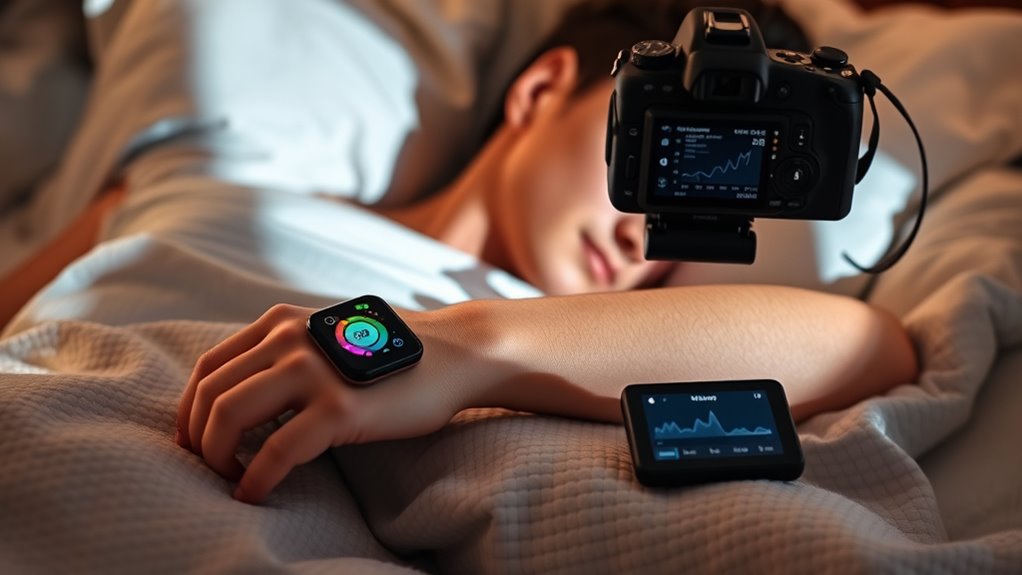
Wearable sleep trackers can give you useful insights into your sleep patterns by monitoring movements, heart rate, and other physiological signals. While they can help identify habits and environmental influences, their accuracy varies, and they can’t diagnose sleep disorders. Using them consistently and understanding their limitations can lead to better sleep hygiene. If you want to learn how to optimize their benefits and avoid common pitfalls, there’s more to explore.

Get workout gear delivered free — and shop member deals
- Fast, free delivery on millions of items
- Access to Prime Big Deal Days deals on October 6–7
- Prime Video, Amazon Music and more included
Key Takeaways
- Wearables monitor sleep patterns and stages, providing insights to help improve sleep hygiene and routines.
- They can identify irregularities or sleep disturbances, prompting users to seek medical advice if needed.
- Consistent use and proper device selection enhance data accuracy and support better sleep habit adjustments.
- While useful for tracking trends, wearables are not diagnostic tools and should complement professional medical assessments.
- Interpreting sleep data from wearables can motivate behavioral changes, but device accuracy varies and may have limitations.
best sleep tracking wearable devices
As an affiliate, we earn on qualifying purchases.
As an affiliate, we earn on qualifying purchases.
How Do Sleep Trackers Work?

Sleep trackers work by monitoring your body’s movements and physiological signals throughout the night. They analyze patterns to identify your sleep cycles, distinguishing light, deep, and REM sleep stages. By tracking these cycles, they help you understand your sleep quality and how long you spend in each stage. Additionally, sleep trackers consider your sleep environment, such as room temperature, light, and noise levels, which can influence your sleep quality. Some devices use accelerometers to detect movement, while others incorporate heart rate sensors or skin temperature monitors. As you sleep, these signals are processed to generate insights about your sleep patterns. This data can guide you to make adjustments to improve your sleep hygiene and create a more conducive sleep environment. Recognizing the influence of external factors such as stress or ambient noise can also enhance your understanding of sleep disruptions and how to address them for better rest. Incorporating knowledge about sensor technology can further improve the accuracy of these devices and help you optimize your sleep tracking. Advances in machine learning algorithms also enable sleep trackers to provide more personalized and precise recommendations based on your unique sleep data.
sleep tracker with heart rate monitor
As an affiliate, we earn on qualifying purchases.
As an affiliate, we earn on qualifying purchases.
Accuracy and Limitations of Wearable Devices
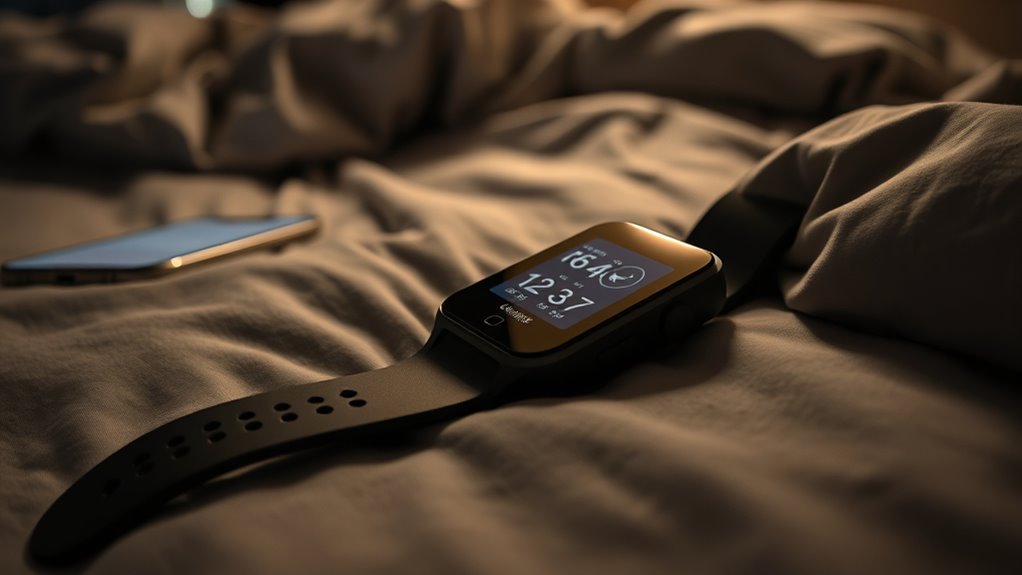
How reliable are wearable sleep trackers in providing accurate data? While these devices offer convenience, their accuracy can vary. Factors like device calibration influence data quality; if a device isn’t properly calibrated, it may misreport sleep stages or total sleep time. Keep in mind that sleep data collected by wearables is often estimated, not measured directly, leading to potential inaccuracies. Additionally, some devices prioritize user privacy, which can limit data sharing or detailed analysis, impacting reliability. Although wearable trackers can identify general sleep patterns, they shouldn’t replace clinical assessments for diagnosing sleep disorders. Understanding these limitations helps you interpret your data more critically and avoid overestimating the insights provided by your device. Moreover, smart home integration can sometimes enhance sleep monitoring by providing additional environmental context, though it still shares similar limitations in measurement accuracy. device calibration and proper usage are essential to improve data reliability, but inherent measurement challenges remain. Furthermore, advanced algorithms are continually being developed to improve data interpretation, but they do not eliminate the inherent measurement challenges. Researchers are also exploring multi-sensor approaches to better capture sleep metrics and address current limitations.
wearable sleep monitor for deep sleep analysis
As an affiliate, we earn on qualifying purchases.
As an affiliate, we earn on qualifying purchases.
Interpreting Sleep Data for Better Rest

To make the most of your sleep data, it’s important to understand what the numbers really mean. Look beyond simple sleep duration and focus on patterns like sleep stages and consistency. Dream analysis can offer insights into your mental health and stress levels, helping you identify emotional triggers that affect sleep quality. Use your data to evaluate your sleep hygiene—your habits before bed, room environment, and routines—that influence rest. If your device shows frequent awakenings or restless periods, consider adjusting your bedtime or reducing screen time. Remember, raw data isn’t enough; interpret it in context. Incorporating sleep tracking accuracy into your evaluation ensures your insights are reliable and meaningful. Recognizing the precision of your device allows for more reliable insights and better-informed decisions about your sleep health. Paying attention to your device’s data reliability can help you avoid misinterpreting fluctuations that are actually measurement errors, leading to more effective adjustments. Additionally, understanding the measurement limitations of your device can prevent overreliance on data that may not fully capture your sleep quality. Being aware of monitoring accuracy can help you better interpret how well your device captures sleep fluctuations. By understanding what your sleep patterns reveal, you can make targeted changes to improve overall rest and wake up feeling more refreshed.
As an affiliate, we earn on qualifying purchases.
Can Wearables Detect Sleep Disorders?
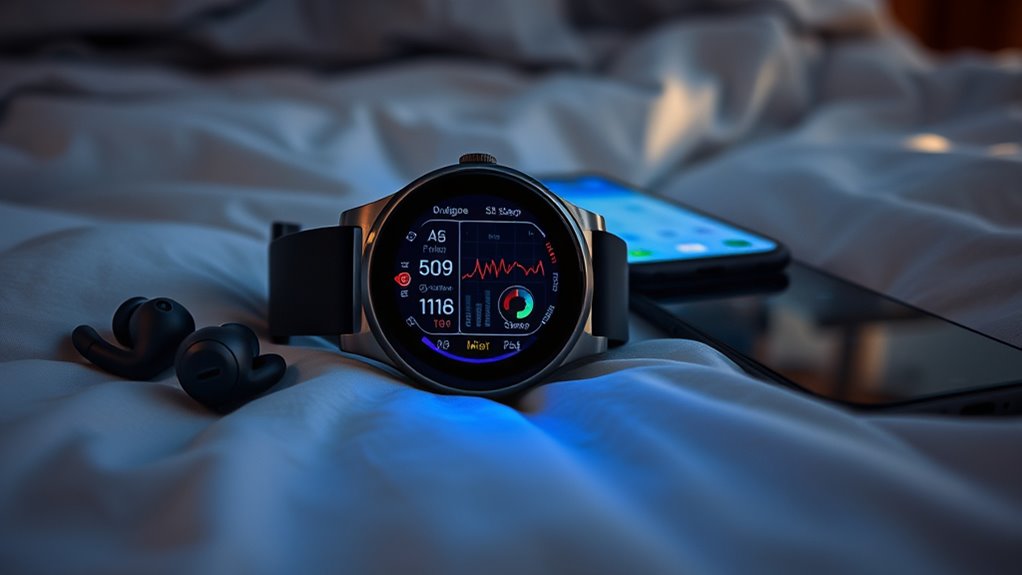
Can wearables reliably detect sleep disorders? While they can provide insights into your sleep quality, their ability to diagnose specific conditions is limited. Some advanced devices monitor patterns like frequent awakenings, irregular breathing, or unusual movements that may suggest sleep issues such as apnea or restless leg syndrome. Additionally, performance ratings vary depending on device capabilities and sensor quality, influencing detection accuracy. However, device compatibility varies, and not all wearables are equipped with the sensors needed for accurate detection. They serve best as screening tools rather than definitive diagnostic devices. If your sleep quality consistently suffers or you suspect a disorder, consult a healthcare professional for extensive testing. Wearables can alert you to potential problems, but they shouldn’t replace medical assessment. Use them to track trends and inform discussions with your doctor. Moreover, understanding home sleep environment factors can help improve overall sleep quality and complement the insights gained from wearables. Recognizing the limitations of sensor technology can help set realistic expectations for what these devices can achieve. Furthermore, ongoing advancements in biometric sensors continue to enhance the potential of wearables in sleep health monitoring.
Integrating Wearables Into Your Sleep Routine
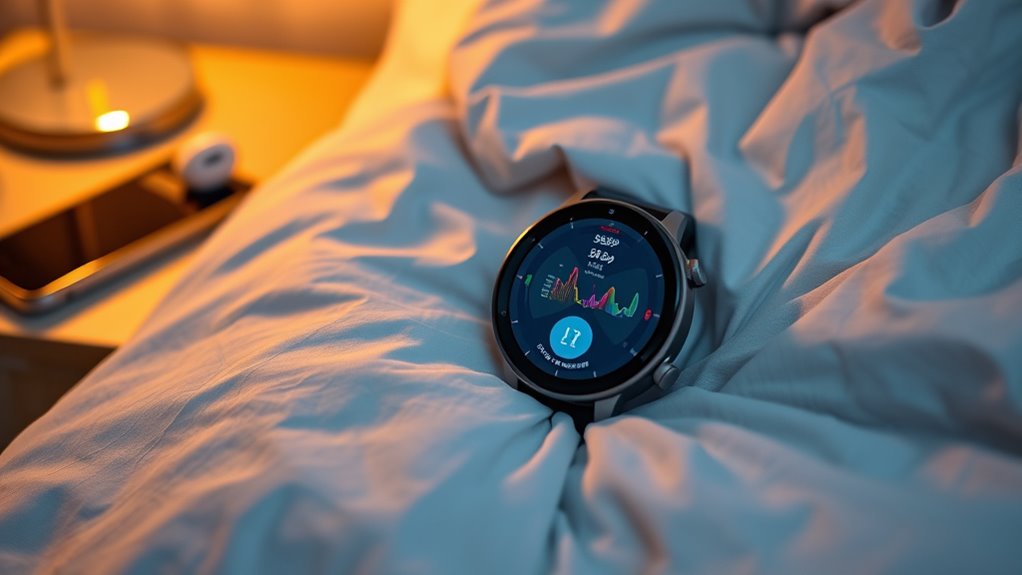
To get the most benefit from sleep wearables, start by choosing a device that fits your needs and comfort level. Once you have it, make a habit of wearing it consistently each night, so your data remains accurate. Regularly review your sleep patterns to identify trends and make informed adjustments to improve your rest. Being familiar with common repair terminology can help you better understand the data and insights provided by your device. Additionally, understanding the tools and features of your device can help you optimize its use for better sleep tracking. For example, being aware of the local culture and events can help you interpret sleep disruptions caused by travel or social activities. Recognizing how essential oils for sleep can enhance relaxation may also support your overall sleep quality. Incorporating sleep hygiene practices can further improve your sleep outcomes.
Choosing the Right Device
Choosing the right wearable device is essential for accurately tracking your sleep and seamlessly integrating it into your routine. Start by checking device compatibility with your smartphone or other health apps to guarantee smooth data syncing. Consider the battery life—long-lasting batteries mean you won’t need to charge your device every day, making it easier to monitor sleep consistently. Look for features that suit your needs, such as comfort during sleep, detailed sleep stage analysis, and user-friendly interfaces. Avoid devices with overly complex setups or short battery spans, as they can disrupt your routine. Prioritize devices known for reliable performance and good reviews. Selecting a device that fits your lifestyle will help you gather meaningful sleep insights without hassle.
Establishing Consistent Use
Once you’ve selected a wearable device that fits your lifestyle and preferences, the next step is to make a habit of wearing it consistently. Habit formation is key to gaining accurate insights and maximizing the benefits of sleep tracking. To facilitate this, choose a specific time each night to put on your device, integrating it into your existing bedtime routine. Consistency helps your brain associate wearing the device with sleep, making technology adoption smoother and more natural. Keep the device in a visible spot or set reminders to wear it every night. Over time, this routine becomes automatic, ensuring you don’t forget or skip nights. Establishing this consistency is essential for reliable data collection and ultimately improving your sleep habits.
Analyzing Sleep Data
When you start analyzing your sleep data, it’s important to review the insights your wearable provides regularly. Look for patterns related to your sleep environment and bedtime routines. Notice if certain factors, like room temperature or lighting, correlate with better sleep quality. Check whether consistent sleep and wake times improve your rest or if disruptions align with specific activities or stress levels. Use this data to fine-tune your sleep environment—adjusting your room setup or eliminating noise—and refine your bedtime routines for better outcomes. Tracking these details helps you identify what works best and makes it easier to establish habits that promote restful sleep. Regular analysis keeps you aware of your progress and motivates ongoing improvements in your sleep routine.
Are Sleep Trackers a Reliable Solution?

Sleep trackers have become popular tools for monitoring sleep patterns, but their reliability remains a point of debate. While they can provide insights into your sleep quality, the accuracy of data varies across devices. Some trackers are praised for their durable designs, ensuring device longevity even with regular use. However, others may struggle with consistent performance, especially if the device isn’t built to last. Keep in mind that many wearables use movement and heart rate data, which can sometimes misinterpret wakefulness or light sleep. To get the most out of your sleep tracker, consider these factors:
- Device durability for long-term use
- Accuracy of sleep stage detection
- Consistency in data collection
- Ease of use and comfort
- Compatibility with other health apps
Frequently Asked Questions
How Long Does It Take to See Improvements Using Sleep Wearables?
You can start noticing improvements in your sleep pattern within one to two weeks of using a sleep wearable. It takes time for the device to accurately calibrate and track your sleep habits. As you consistently wear it and review the data, you’ll identify trends and make adjustments. Be patient, as real progress often depends on your commitment to following insights and improving your sleep environment.
Are There Health Risks Associated With Continuous Sleep Tracking?
There are minimal health risks from continuous sleep tracking, but you should be aware of privacy concerns and data security issues. Your personal sleep data may be vulnerable if the device or app doesn’t have strong security measures, risking unauthorized access or misuse. To stay safe, choose reputable brands that prioritize data privacy, regularly update your device, and review privacy policies to guarantee your information is protected.
Can Wearables Replace Professional Sleep Studies Entirely?
Can wearables replace professional sleep studies entirely? Probably not yet. While they offer convenience and clinical accuracy in tracking basic sleep patterns, they can’t fully diagnose underlying issues like sleep disorders. Do you want your sensitive data to remain private? User privacy remains a concern, as wearables collect personal health info. For complex sleep problems, consulting a healthcare professional and undergoing a clinical sleep study remains essential.
What Features Should I Look for in a Sleep Tracker?
You should look for a sleep tracker with features that enhance sleep quality and tracking accuracy. Prioritize devices that monitor sleep stages, heart rate, and movement to get detailed insights. Consider ones with personalized sleep coaching and easy data access. Accurate tracking helps identify patterns, so choose a wearable with reliable sensors and user-friendly interfaces. This way, you’ll better understand your sleep habits and make meaningful improvements.
Do Different Brands Provide Comparable Sleep Data Accuracy?
Did you know that studies show some wearables have up to 90% accuracy in sleep data? Different brands can provide comparable accuracy if their devices are well-calibrated, but you should also consider data privacy policies. Always check how each device handles calibration and whether your personal sleep data is protected. Choosing reputable brands guarantees you get reliable sleep insights without compromising your privacy.
Conclusion
While sleep trackers can offer helpful insights, they aren’t magic solutions. Think of them as helpful guides rather than perfect detectives—your sleep quality still depends on habits and environment. If you believe wearables can replace professional advice, you might be disappointed. Instead, use them as a starting point to understand your sleep patterns and make small changes. Ultimately, combining tech with good sleep habits gives you the best shot at restful, restorative nights.
Fall Picks
fall essentials
As an affiliate, we earn on qualifying purchases.