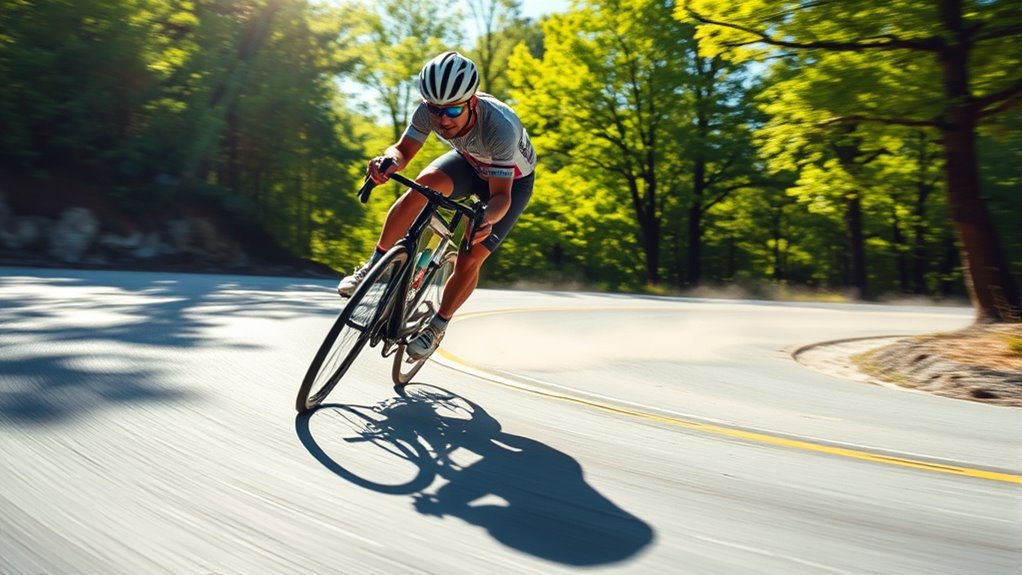

To corner safely on a bicycle, start by ensuring your bike’s in top shape with brakes and tires checked. Approach the turn by leaning slightly into it and keeping your outside pedal down for stability. Gradually reduce your speed before leaning in, avoiding sudden braking. Wear safety gear like a helmet for extra protection and look ahead to guide your path. Regular practice will help you master these techniques, and there’s more to discover about improving your cornering skills.

Get workout gear delivered free — and shop member deals
- Fast, free delivery on millions of items
- Access to Prime Big Deal Days deals on October 6–7
- Prime Video, Amazon Music and more included
Key Takeaways
- Regularly inspect your bike’s brakes, tires, and gears to ensure safety and responsiveness during turns.
- Lean slightly into the turn and keep your outside pedal down for better stability.
- Gradually reduce your speed with gentle braking before entering the corner, avoiding brakes while leaning.
- Always wear appropriate safety gear like a helmet to reduce injury risk and boost confidence.
- Look ahead to your intended path while exiting the turn, practicing in safe areas to improve technique.
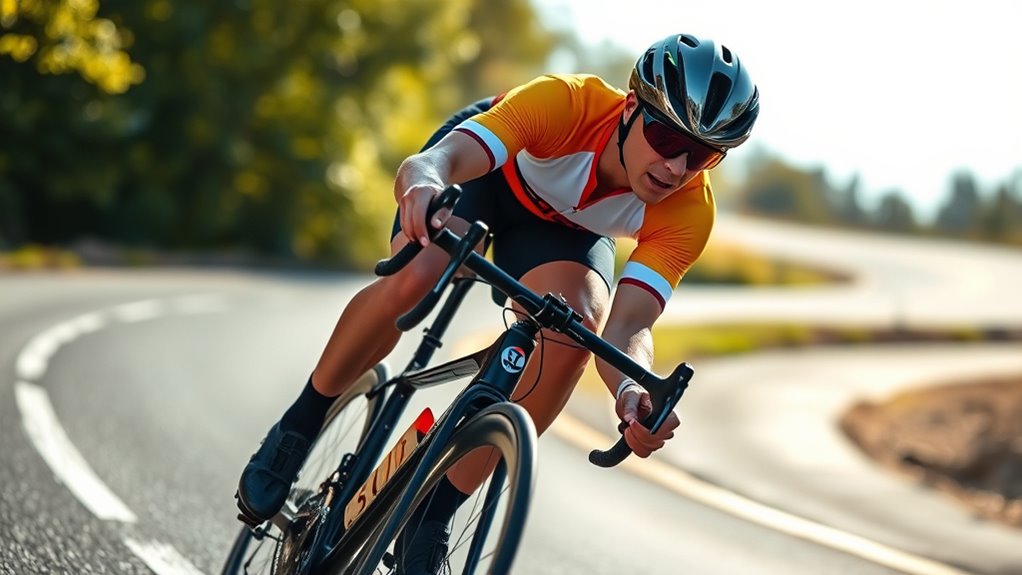
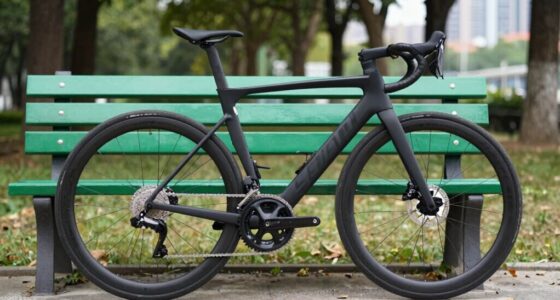
When you’re maneuvering a bend on your bicycle, knowing how to corner safely can make all the difference between a smooth ride and a nasty spill. Proper cornering techniques not only enhance your riding experience but also considerably improve your safety on the road. First things first, always inspect your bike before heading out. Regular bike maintenance is essential, as it guarantees that your brakes, tires, and gears are in prime condition. A well-maintained bike gives you the confidence to handle turns effectively.
Mastering cornering techniques on your bicycle is essential for a smooth ride and enhanced safety. Always inspect your bike before heading out.
As you approach a corner, start by positioning your body correctly. Lean slightly into the turn while keeping your outside pedal down. This technique lowers your center of gravity and helps maintain balance. Remember, keeping your body relaxed is key. Tensing up can lead to a loss of control, so focus on staying loose and fluid as you navigate the bend. You’ll find that your bike will naturally follow your lead when you’re in tune with its movements.
Next, think about your speed. Before entering a corner, gradually reduce your speed by braking gently. It’s better to slow down before the turn rather than trying to brake while leaning into it. Once you’re in the corner, you should feel comfortable enough to maintain a steady speed. This balance between speed and control is vital for safely rounding the bend.
Don’t forget about your cycling safety gear. Always wear a helmet, and consider additional protective gear, like gloves and knee pads, especially if you’re riding in an area with heavy traffic or complex turns. Having the right gear not only protects you in case of a fall but also boosts your confidence as you tackle corners. Additionally, understanding the role of contrast ratio can enhance your awareness of visibility conditions when cornering.
As you exit the turn, gradually shift your weight back to a neutral position and prepare to accelerate. Look ahead to where you want to go, as this will guide your bike naturally. Your eyes should always be focused on the path, not just directly in front of you. This way, you can anticipate any potential hazards or obstacles.
Finally, practice makes perfect. Find a safe, open space to practice your cornering skills. The more you ride and focus on your technique, the more instinctive it will become. With regular bike maintenance and the right cycling safety gear, you’ll master the art of cornering and enjoy a smoother, safer ride.
As an affiliate, we earn on qualifying purchases.
Frequently Asked Questions
What Type of Bike Is Best for Cornering?
The best bike for cornering features a frame geometry designed for stability and agility. A shorter wheelbase and slacker head angle enhance maneuverability, allowing you to lean into turns confidently. Your riding position also plays a vital role; a more aggressive stance helps you shift your weight effectively. Look for a bike that allows you to maintain control and react quickly, ensuring you can navigate corners smoothly and safely.
How Does Tire Pressure Affect Cornering?
Tire pressure can make or break your cornering experience! If it’s too low, your tire tread squishes like a pancake, losing grip and control, while wide rims won’t help. Conversely, high pressure can turn your tires into rock-hard balls, skimming over the road instead of gripping it. To corner confidently, keep an eye on your tire pressure; the right balance guarantees your bike hugs those curves like it’s dancing!
Should I Lean Into the Turn?
Yes, you should lean into the turn. It helps maintain balance and control. Use countersteering techniques; gently push on the handlebar opposite the direction you’re turning to initiate the lean. Your body positioning is essential—shift your weight toward the inside of the turn and lower your center of gravity. This keeps your bike stable and enhances grip. Remember, practice makes perfect, so get comfortable with these techniques on safe paths.
How Can Weather Conditions Impact Cornering?
Weather conditions can drastically impact your cornering. Did you know that nearly 50% of cyclists report losing control in rainy conditions? When it’s wet, the road becomes slippery, reducing traction and increasing your stopping distance. Wind influence can also push you off balance, especially during sharp turns. So, in these conditions, it’s essential to slow down, maintain a steady grip, and stay alert to avoid accidents and keep your ride safe.
Are There Specific Cornering Techniques for Mountain Biking?
Yes, there are specific cornering techniques for mountain biking that enhance your bike handling skills and improve trail orientation. When approaching a corner, shift your weight forward and lower your center of gravity. Look through the turn, keep your outside pedal down, and use your body to lean into the corner. Practicing these techniques will help you maintain speed while steering tight turns and varying terrain, making your rides more enjoyable and safer.
As an affiliate, we earn on qualifying purchases.
Conclusion
By mastering the art of cornering, you not only enhance your riding skills but also boost your confidence. As you lean into the turn, feel the bike respond beneath you, and trust the grip of your tires. Remember, practice makes perfect, and every turn you navigate adds to your experience. So, whether you’re zipping through city streets or cruising along scenic paths, cornering safely transforms your ride into a thrilling adventure. Enjoy the journey!
As an affiliate, we earn on qualifying purchases.
bike brake and gear inspection tools
As an affiliate, we earn on qualifying purchases.
As an affiliate, we earn on qualifying purchases.
Fall Picks
fall essentials
As an affiliate, we earn on qualifying purchases.