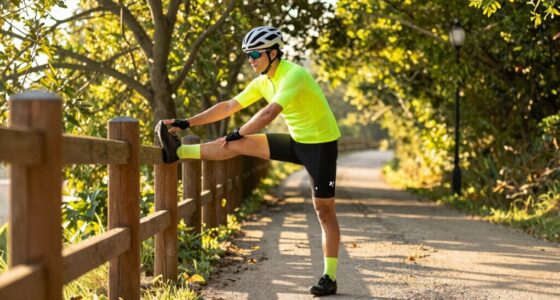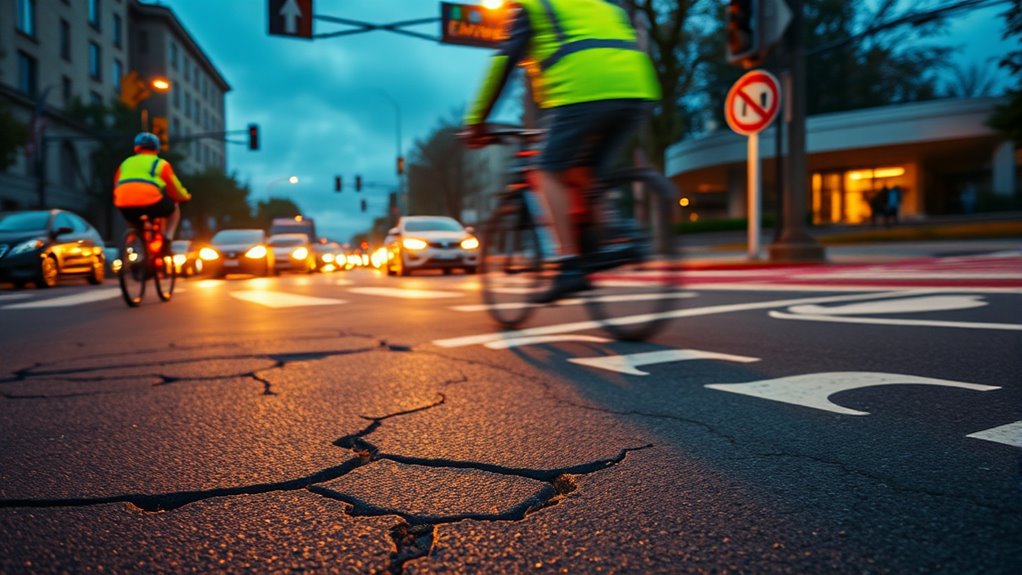

Bike accidents can happen for several reasons, including a lack of safety gear, road hazards, distracted drivers, bad weather, and riding under the influence. Always wear a helmet and reflective clothing to increase visibility and reduce injuries. Pay attention to the road, scanning for potholes or debris, and avoid riding in poor weather. Stay clear-headed to make sure you’re making safe decisions. Want to uncover more tips on how to stay safe while biking?
Prime for Young Adults — start your free trial
Fast free delivery, streaming and member deals for eligible 18–24 year olds.
As an affiliate, we earn on qualifying purchases.
Key Takeaways
- Always wear appropriate safety gear, including helmets and reflective clothing, to minimize injury risk during accidents.
- Regularly scan for road hazards like potholes and debris, and slow down to navigate them safely.
- Assume drivers may not see you; increase your visibility and avoid weaving in and out of traffic.
- Postpone rides in adverse weather conditions, as rain, snow, and wind can significantly impair bike control.
- Never ride under the influence of alcohol or drugs, as this greatly increases the risk of accidents.
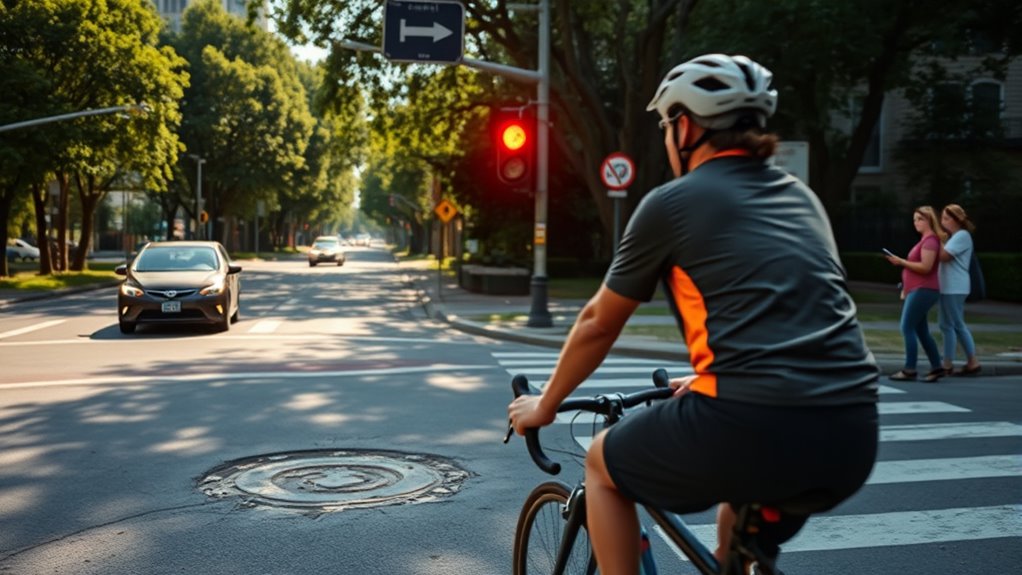
When you hop on your bike, you might not think about the potential dangers that come with it. The thrill of the ride often outweighs the risks, but it’s essential to stay aware of the common causes of bike accidents. Understanding these risks can help you stay safe and enjoy your ride to the fullest.
One major factor is the lack of safety gear. While you might feel invincible zipping down the street, wearing a helmet, knee pads, and reflective clothing can make a world of difference. A helmet protects your head in case of a fall, while knee pads can prevent serious injuries. Reflective clothing increases your visibility, especially at dusk or dawn, when drivers may not see you. It’s easy to skip the gear when you’re just going for a quick ride, but that one ride could be the one where an accident happens.
Another common cause is road hazards. Potholes, debris, and uneven surfaces can lead to sudden falls or loss of control. When you ride, keep your eyes peeled for these hazards. If you see a pothole, try to navigate around it safely. If you can’t avoid it, slow down and brace yourself. It’s also smart to be cautious around construction zones; they often have loose gravel and changing conditions that can throw you off balance.
Distracted drivers are another considerable risk. Many drivers are preoccupied with their phones, navigation systems, or conversations, making them less likely to notice a cyclist. Always assume that a driver might not see you and ride defensively. Position yourself in a way that makes you visible, and avoid weaving in and out of traffic.
Weather conditions can also play a part in accidents. Rain, snow, or even strong winds can affect your control over the bike. If the weather’s bad, consider postponing your ride. If you must go out, adjust your speed and be extra cautious. Air purifiers can improve indoor air quality and help you breathe better while riding in urban areas, mitigating some health risks associated with poor air quality.
Lastly, riding under the influence of alcohol or drugs greatly increases your risk of an accident. You should always be clear-headed when biking, just as you would when driving a car. To sum up, by wearing the right safety gear, staying alert to road hazards, and being aware of other dangers, you can considerably reduce your risk of accidents and enjoy safer rides.
As an affiliate, we earn on qualifying purchases.
Frequently Asked Questions
What Should I Do Immediately After a Bike Accident?
Right after a bike accident, you should assess your injuries and move to a safe area if possible. Call emergency contacts for help. Document the accident scene by taking photos and noting any witnesses or vehicle details. Exchange contact and insurance information with the other party involved. If you’re able, jot down your account of what happened while it’s fresh in your mind. Prioritize your safety and health above all else.
How Can I File an Insurance Claim for Bike Accidents?
Imagine the cool rush of wind as you ride, suddenly interrupted by a crash. To file an insurance claim, start by gathering accident documentation—photos of the scene, witness statements, and any medical records. Contact your insurance provider to report the accident, providing them with all your gathered evidence. They’ll guide you through the claims process. Don’t forget to stay persistent; it’s your right to seek compensation for your injuries and damages.
Are There Legal Requirements for Bike Lights at Night?
Yes, there are legal requirements for bike lights at night. Many states have bike light regulations that mandate using a white front light and a red rear reflector or light after dark. These night visibility laws aim to guarantee you’re seen by drivers, enhancing your safety. It’s vital to familiarize yourself with the specific rules in your area, as they can vary. Always prioritize visibility to keep yourself safe while riding at night.
What Safety Gear Is Essential for Cyclists?
To stay safe while cycling, you should always wear a helmet for maximum protection. It’s your best defense against head injuries and helps you feel secure on the road. Additionally, wearing reflective clothing is vital for visibility, especially at night or in low-light conditions. These simple pieces of gear can greatly reduce your risk of accidents. Prioritizing helmet safety and being visible can make your rides much safer and more enjoyable.
How Can I Improve My Cycling Skills to Avoid Accidents?
To enhance your cycling skills and stay safe, you’ll want to embrace a little practice. Think of it as polishing your wheels—cycling drills can be your best friend. Focus on skill development by mastering balance, cornering, and quick stops. Consistent repetition will build your confidence and control. Don’t forget to analyze your rides, too; learning from each experience is key. With time and effort, you’ll glide through the streets with ease!
reflective cycling clothing for adults
As an affiliate, we earn on qualifying purchases.
As an affiliate, we earn on qualifying purchases.
Conclusion
In the end, staying vigilant while cycling is your best defense against accidents. Just like a lighthouse guides ships through stormy seas, your awareness can steer you clear of potential dangers. By understanding common causes and taking proactive steps, you can navigate the roads with confidence and safety. So, strap on your helmet, stay alert, and ride like the open road is a canvas waiting for your masterpiece. Your safety is worth every ounce of caution.
As an affiliate, we earn on qualifying purchases.
As an affiliate, we earn on qualifying purchases.
NFL season / tailgating Picks
team gear
As an affiliate, we earn on qualifying purchases.