
TL;DR
Trainer and liftCLINIC CEO Amanda Lim has shared a sample week that combines strength workouts, running, walking, yoga and postpartum core rehabilitation. She says body weight should not stand in for an assessment of health and recommends tracking measures such as lifting progress and muscle mass instead.
Trainer and liftCLINIC CEO Amanda Lim has shared a sample weekly exercise routine combining strength training, running, walking, yoga and postpartum core rehabilitation, alongside advice to avoid treating body weight as a measure of health. The routine offers a personal example from a trainer with more than 20 years of experience, not a medically tested plan or a prescription for every reader.

Get workout gear delivered free with Prime
- Fast, free delivery on millions of items
- Prime Video, Amazon Music and more included
- Member-only deals all year
Lim’s schedule spans seven days and varies the type and intensity of activity. It includes a leg-focused strength workout on Monday, upper-body strength on Tuesday and postpartum core rehabilitation on Wednesday. Thursday is set aside for walking as active recovery. On Friday, she does running intervals in the morning and yoga later in the day, followed by a power-focused workout on Saturday and a zone two run on Sunday.
Lim, who is 43 and a mother of three, says she continues pelvic floor, deep core and postpartum rehabilitation work. She told Fit&Well that these exercises can remain relevant beyond the period immediately after childbirth, and described her own routine as including functional strength training, zone two cardio and walking. Her account is personal; the source does not provide a clinical evaluation of the schedule or evidence that it is suitable for all postpartum people.
Her five recommendations are to use progress measures beyond the scale, accept the early learning phase of exercise, try developing a new physical skill, begin with walking and practise self-compassion. For her own progress, Lim tracks the weights she lifts and her muscle mass. She suggests that someone new to exercise could start with a five-minute walk, rather than beginning with an ambitious or demanding program.
A Routine Built Around More Than Weight
Lim’s remarks address a common mismatch between a visible number and broader measures of health. She says body weight and health do not always move together and recommends tracking other indicators, including lifting performance and muscle mass. That is her guidance, not a claim that weight is never relevant: the report does not compare these measures or provide clinical findings about Lim’s health.
The schedule also shows how she combines several kinds of activity rather than relying on one format. Strength, aerobic exercise, walking, recovery and rehabilitation each appear in her week. For readers, the practical point is that her routine is one example of regular movement arranged around different goals; it should not be taken as a required weekly template. People’s health, fitness, time and recovery needs differ.
Her proposed five-minute walk lowers the starting point for people who are inactive or unsure how to begin. Lim argues that small, achievable steps can help build consistency. Her self-compassion advice likewise frames exercise as a habit people may need to adapt, rather than a test they either pass or fail.
Products Worth Considering

BowFlex Results Series SelectTech Adjustable Dumbbells
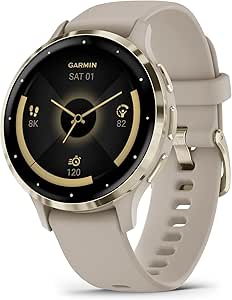
Garmin Venu 3S GPS Fitness Smartwatch, 41 mm, French Gray

Bowflex SelectTech 840 Adjustable Kettlebell
As an affiliate, we earn on qualifying purchases.
Lim’s Experience and Training Approach
Fit&Well describes Lim as a trainer with more than 20 years of experience and the chief executive of liftCLINIC, which the report identifies as a metabolic health center focused on longevity. The publication presents the workout schedule as a week Lim follows, not as a program developed through a controlled study.
The report says Lim includes postpartum rehabilitation in her current routine even though her youngest child is two and a half. She told Fit&Well that mothers may think about pelvic floor and core work soon after giving birth but not necessarily maintain it as part of long-term fitness. She also connected those concerns to her own approach to perimenopause. These are Lim’s observations and personal experience; the article does not offer clinical guidance on postpartum recovery or menopause.
Lim also refers to six commonly cited lifestyle-medicine pillars: nutrition, sleep, physical activity, stress management, social connection and reducing exposure to harmful substances. She adds self-compassion as what she calls a seventh pillar. That phrase reflects her own framing rather than a statement that the six-pillar model has formally changed.
““We have to separate the number on the scale—the weight of our bodies—from the assessment of our health, because those two things don’t typically track beautifully together.””
— Amanda Lim, speaking to Fit&Well
What the Personal Schedule Does Not Show
The published account does not specify how long Lim spends in each workout, the intensity or distance of her runs, or how she adjusts the plan when her schedule or recovery needs change. It also does not say whether the routine has been reviewed by a clinician or evaluated in research. The schedule is an individual example, and the report does not establish that it produces particular health outcomes.
Lim’s advice about body weight is not accompanied by a detailed discussion of when weight measurements may be medically relevant or how readers should assess health in their own circumstances. The report also does not give individualized postpartum exercise guidance. Readers with health concerns, injuries or questions about returning to exercise after childbirth should seek advice suited to their situation rather than treating Lim’s routine as a clinical recommendation.
How Readers Can Apply the Advice
Fit&Well’s report presents Lim’s routine and tips as guidance readers can draw on, but it does not announce a follow-up study, a new clinic program or a forthcoming update. Readers who want to try the general approach can start at a level suited to their current ability, build activity gradually and use measures beyond the scale—such as consistency or changes in strength—to reflect on progress.
Any exercise plan should account for individual health and recovery. Someone returning after childbirth, managing a medical condition or experiencing pain should consult an appropriate health professional about safe activity. The next step for Lim, according to the source material, is not specified; the report does not say whether she plans to publish further guidance or additional details of her training.
Key Questions
What is Amanda Lim’s weekly workout routine?
Her example week includes two strength-focused sessions early in the week, postpartum core rehabilitation, walking for active recovery, running intervals, yoga, a power workout and a zone two run. The report lists workout times but not session lengths or detailed training instructions.
Why does Lim recommend looking beyond the scale?
Lim says body weight and an assessment of health do not always track closely. She measures her own progress by tracking the weights she lifts and her muscle mass. Her comments are personal guidance, not a clinical assessment for individual readers.
What does she suggest for people new to exercise?
Lim recommends starting with walking and says a five-minute walk can be a manageable first step. People should adapt activity to their abilities and increase it at a pace that feels appropriate.
Is Lim’s routine a postpartum exercise prescription?
No. The report describes Lim’s own inclusion of pelvic floor, deep core and postpartum rehabilitation work; it does not establish a plan for all postpartum people. Anyone seeking advice about returning to exercise after childbirth should consult a qualified health professional.
Source: rss