
TL;DR

Get workout gear delivered free with Prime
- Fast, free delivery on millions of items
- Prime Video, Amazon Music and more included
- Member-only deals all year
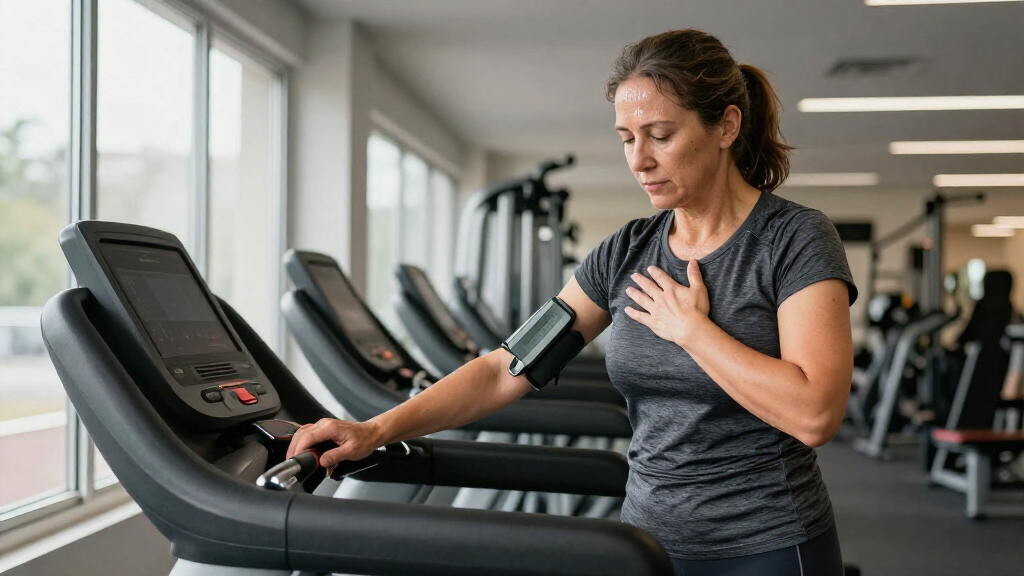
A Fit&Well report quotes cardiologist Dr Roy Jogiya identifying three symptoms during menopause that should not automatically be blamed on hormonal changes: new chest discomfort, breathlessness during familiar activities and persistent or irregular palpitations. The report says symptoms such as chest pain with breathlessness, faintness or nausea can require emergency care; it does not establish that these symptoms are caused by menopause or heart disease in any individual.
A Fit&Well report quotes cardiologist Dr Roy Jogiya warning that women should not automatically attribute new chest discomfort, unusual breathlessness or persistent palpitations to menopause. He says these symptoms can warrant medical assessment, and that chest discomfort accompanied by signs such as sweating, nausea or breathlessness may require an emergency call.
Jogiya, identified by Fit&Well as chief medical advisor at Heart Research UK, says declining estrogen during menopause can coincide with changes in cholesterol, blood pressure, abdominal fat and insulin resistance. He also says aging contributes, and describes the effects as gradual. The report does not provide study data or establish that menopause itself caused any particular person’s symptoms.
The three symptoms he identifies are new chest pressure or discomfort, including sensations that may seem like indigestion; breathlessness during routine tasks or exercise that previously felt manageable; and a racing or irregular heartbeat that persists. Jogiya says palpitations can also occur with hormonal fluctuations, disrupted sleep, anxiety or hot flashes, and are often harmless. That does not mean every episode should be dismissed: palpitations with chest pain, breathlessness or faintness warrant assessment.
For suspected heart attack symptoms, the report advises calling emergency services—911 in the United States or 999 in the United Kingdom—rather than waiting for symptoms to become severe. It also recommends contacting a doctor about new or recurring palpitations, reduced exercise tolerance, recurrent dizziness or unexplained breathlessness. A clinician may investigate palpitations using an electrocardiogram or a portable heart monitor, Jogiya says.
Symptoms Can Overlap With Menopause
The report addresses a practical risk: symptoms that can accompany menopause may also resemble signs of a heart problem. Assuming a new symptom is hormonal could delay evaluation, while treating every palpitation as an emergency would overstate what the source says. Jogiya’s distinction is based on the symptom’s nature and accompanying signs, not on menopause alone.
The advice is relevant because heart risks can change over time and may be influenced by several factors. Jogiya names high blood pressure, diabetes, high cholesterol, smoking, obesity and a strong family history as risk factors. He also calls out premature menopause and some pregnancy complications, including pre-eclampsia and gestational diabetes, as risk markers that may be overlooked. The report offers general guidance, not a diagnosis or an individualized risk assessment.
Jogiya recommends regular physical activity, strength training, a diet featuring vegetables, whole grains, nuts and olive oil, and checks of blood pressure, cholesterol and blood sugar. These are preventive steps described in the report; they do not replace medical evaluation when concerning symptoms occur.
Products Worth Considering

Garmin Forerunner 55 GPS Running Smartwatch, Black

Levoit Core 400S-P Smart Air Purifier for Large Rooms
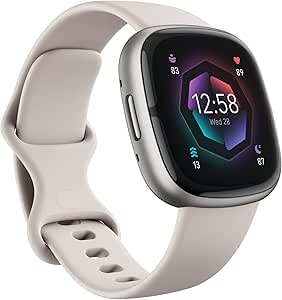
Fitbit Sense 2 Health and Fitness Smartwatch (Lunar White/Platinum)
As an affiliate, we earn on qualifying purchases.
What the Report Says About Menopause
Fit&Well’s article focuses on heart-health advice from Jogiya rather than reporting a new clinical study, policy change or formal medical guideline. It frames menopause as a period when cardiovascular risk factors may shift, while noting that aging also contributes. No publication date, research methods or independent expert responses are included in the supplied material.
The report says Jogiya recommends aiming for 150 minutes of moderate exercise each week, alongside strength training; eating more vegetables, whole grains, nuts and olive oil while limiting saturated fat and salt; and checking blood pressure, cholesterol and blood sugar. The recommendations are attributed to him in the article and should be understood as general prevention advice, not a substitute for care tailored to an individual’s health history.
“Menopause isn’t just a reproductive milestone; it’s a cardiovascular one, too.”
— Dr Roy Jogiya, cardiologist and chief medical advisor at Heart Research UK, as quoted by Fit&Well
When Symptoms Need Assessment
The report does not say how often these symptoms indicate a heart condition, or provide a way for readers to distinguish a cardiac cause from menopause, anxiety or another explanation at home. Symptoms alone cannot confirm a diagnosis; the report says a doctor may use an ECG or portable monitor to examine palpitations.
It also supplies no patient-specific risk estimates, study results or detailed thresholds for when ordinary breathlessness becomes concerning. The advice is to seek urgent or emergency help based on symptoms and their combinations, especially chest discomfort with sweating, nausea or breathlessness, or palpitations with chest pain, shortness of breath or faintness. Anyone unsure whether they may be having a heart attack is advised by the report to contact emergency services.
Seek Care for New Symptoms
The next step for readers experiencing new, recurring or worsening symptoms is to contact a healthcare professional for assessment. The report advises emergency services for suspected heart attack, severe breathlessness, collapse or stroke signs; it also says to seek urgent advice if concerning palpitations with chest pain, breathlessness or faintness have stopped but occurred.
For people without urgent symptoms, Jogiya’s recommendations point to routine risk checks and prevention: discuss blood pressure, cholesterol and blood sugar with a clinician, and consider activity and dietary habits in light of personal health circumstances. The supplied report does not announce a follow-up study or give a timetable for further developments.
Key Questions
Which three symptoms does the cardiologist say not to ignore?
New chest discomfort, breathlessness during familiar everyday tasks or exercise, and persistent or irregular palpitations. The report says these symptoms can have different causes and do not by themselves establish heart disease.
When does the report say to call emergency services?
It advises calling emergency services for suspected heart attack symptoms, including new chest pressure or discomfort, particularly when paired with sweating, nausea or breathlessness. It also lists palpitations with chest pain, shortness of breath or faintness, severe breathlessness, collapse and signs of stroke as reasons for emergency attention.
Are palpitations during menopause always a sign of heart disease?
No. Jogiya says palpitations are common during menopause and often harmless, and may be associated with hormonal changes, poor sleep, anxiety or hot flashes. Persistent or irregular palpitations, especially with chest pain, breathlessness or faintness, should be assessed.
What checks and prevention steps does the report recommend?
Jogiya recommends checking blood pressure, cholesterol and blood sugar, along with regular moderate exercise, strength training and a heart-healthy eating pattern. These are general recommendations in the report; individuals can discuss what is suitable for them with a healthcare professional.
Source: fitandwell.com