
TL;DR

Get workout gear delivered free with Prime
- Fast, free delivery on millions of items
- Prime Video, Amazon Music and more included
- Member-only deals all year
A Fit&Well report describes yoga therapist and longtime practitioner guidance on yoga nidra, a guided relaxation practice done lying down or seated. The source says research has examined sleep-related effects, but it provides no study details or evidence that the practice treats sleep disorders; it also cautions that it may not suit some people with mental health conditions.
A Fit&Well report features a yoga therapist recommending guided yoga nidra to clients seeking better sleep, describing it as a motionless relaxation practice that can be done lying down or seated. The recommendation is based on the practitioner’s experience and the article’s account of research, but the supplied material does not establish that yoga nidra treats insomnia or other sleep disorders.
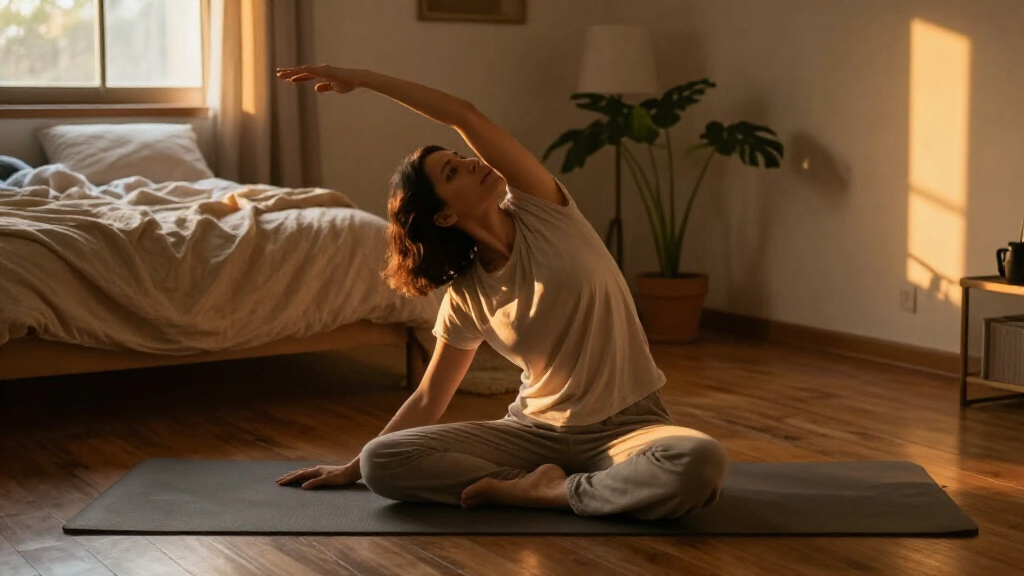
The practitioner, who says they have practiced yoga nidra for almost 20 years and now use it in yoga therapy work, describes the method as guided relaxation rather than a movement-based yoga class. Participants settle in one position while a teacher’s instructions direct attention through the body and other guided elements. The article says the body rests while the mind remains aware, though it is also acceptable to fall asleep during practice.
The report says yoga nidra has been examined in sleep research and describes possible changes associated with relaxation, including a shift toward brain activity likened to deep, non-REM sleep and activation of the parasympathetic nervous system. It also says heart rate, breathing rate and blood pressure may fall. These are claims summarized by the article: the supplied source does not identify individual studies, their methods, participant numbers or findings, so readers cannot assess the evidence in detail from this report alone.
For newcomers, the practitioner recommends guided audio from a trained teacher. The article describes shorter sessions of about 10 to 20 minutes and longer practices of 30 to 45 minutes. A quiet space, comfortable support under the head or knees, and a blanket may help someone remain still. Since some sessions may leave participants feeling refreshed, the practitioner suggests trying the practice earlier in the evening rather than immediately before bed.
A Relaxation Option, Not a Sleep Cure
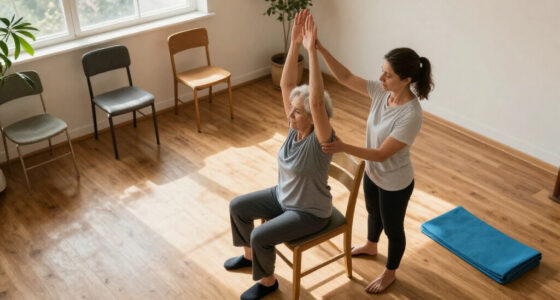
The report offers readers a relatively low-movement practice to try when stress or physical restlessness makes winding down difficult. Its format may be relevant to people who find conventional yoga involving poses inaccessible: yoga nidra can be done seated as well as lying down, according to the practitioner, who mentions using it with a Parkinson’s group.
However, a practitioner recommendation and a general description of research are not proof that the practice improves sleep for everyone. The source does not provide clinical results or compare yoga nidra with other approaches. It is best understood here as a potential relaxation aid, not a replacement for medical advice or established care when sleep problems persist.
Products Worth Considering

Garmin Forerunner 970 GPS Running Smartwatch Bundle, Soft Gold

Garmin Forerunner 55 GPS Running Smartwatch, Black

Blueair Blue Pure 511i Max Smart Air Purifier
As an affiliate, we earn on qualifying purchases.
A Guided Practice Without Poses
Yoga nidra is translated in the source as “yogic sleep.” The report says the practice was brought to wider attention in the 1960s by Swami Satyananda at the Bihar School and describes it as one of yoga’s older practices. Although it is sometimes mistaken for meditation, the practitioner distinguishes it by saying it does not require concentrating on a single point.
Instead, the participant follows spoken guidance while resting. The report says some elements, such as settling the body and attending to the breath, can be practiced independently, while guided instruction is recommended for other parts, including rotations of awareness and visualizations. It mentions classical Bihar School sessions and iRest, associated with Dr. Richard Miller, among available approaches.
““I’ve been practicing yoga nidra for almost 20 years and now use it in my yoga therapy work.””
— The yoga therapist quoted in the Fit&Well report
Limits of the Sleep Evidence
The source material does not give the publication date, cite specific studies or report how many people took part in the sleep research it references. It is therefore unclear how strong or consistent the evidence is, which groups were studied, and whether any measured effects translate into better sleep in everyday life. The report also does not establish that yoga nidra prevents, diagnoses or treats a sleep disorder.
The article cautions that yoga nidra is not advised for people living with PTSD, psychosis or an unstable mental condition, and recommends seeking advice from a trained practitioner first. The supplied material does not explain the basis for these cautions or define how a reader should determine whether they apply. Anyone with a pre-existing condition or concerns about the practice should seek qualified professional guidance.
How Readers Can Try It
The report points beginners toward a short, guided session before attempting a longer practice. Readers can choose a comfortable seated or lying position, add support such as a cushion or blanket, and stop if the practice feels uncomfortable. Those considering yoga nidra alongside ongoing sleep difficulties can discuss it with a qualified health professional rather than relying on it as their only response.
No new study, clinical guideline or follow-up announcement is included in the supplied material. Further assessment of the sleep claims would require examining the research cited by the original article and its findings; those details are not available in the source provided here.
Key Questions
What is yoga nidra?
Yoga nidra is a guided relaxation practice performed while lying down or seated. A participant remains still and follows spoken instructions rather than moving through yoga poses.
Does yoga nidra treat insomnia?
The supplied Fit&Well report describes the practice as a possible relaxation aid and refers to sleep research, but it does not provide specific study evidence proving that yoga nidra treats insomnia or other sleep disorders.
How long should a beginner practice?
The report describes beginner sessions of about 10 to 20 minutes, alongside longer options. The practitioner recommends guided audio, especially for someone new to the practice.
Is yoga nidra suitable for everyone?
No. The report says it is not advised for people living with PTSD, psychosis or an unstable mental condition and recommends consulting a trained practitioner first. People with pre-existing conditions or other concerns should seek qualified guidance.
When should I practice yoga nidra?
The practitioner suggests trying it earlier in the evening, because some sessions may leave a person feeling refreshed. The source does not provide comparative evidence about the best time to practice.
Source: fitandwell.com