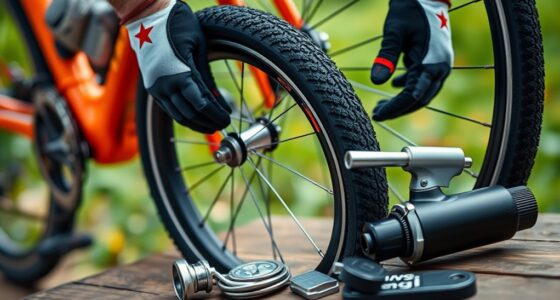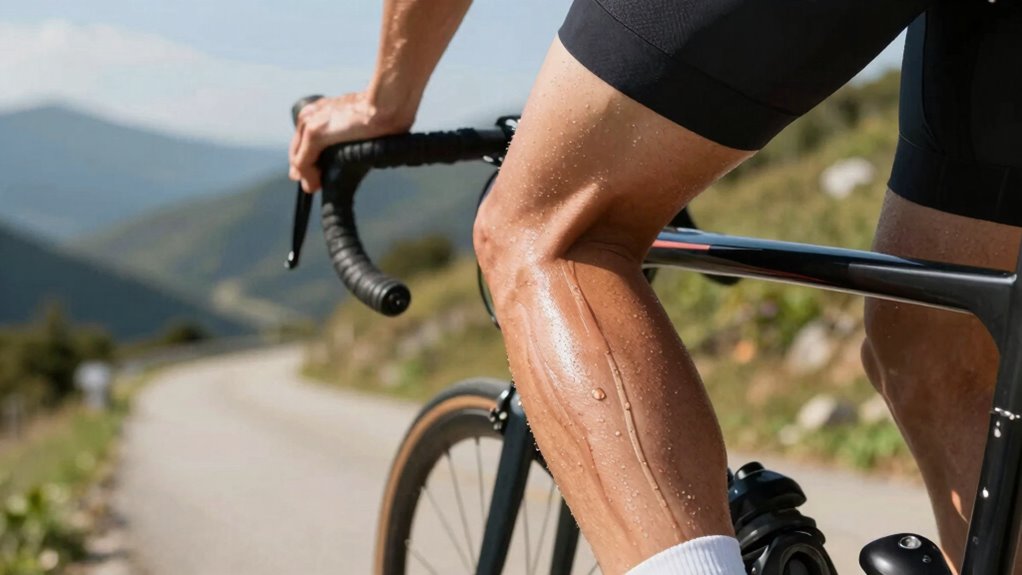

Cycling can be good for your knees when you maintain proper technique and bike fit, as it helps strengthen the muscles around your joints and promotes joint health. However, if you ignore bike adjustments or muscle imbalances, you risk overloading your knees, causing pain or injury. Ensuring correct seat height, smooth pedal motion, and targeted strength exercises will support your knee health. Want to find out how to ride safely? Keep exploring for key tips.
Key Takeaways
- Proper bike fit and technique ensure smooth knee movement, reducing injury risk and promoting joint health.
- Correct muscle engagement stabilizes the knee, preventing abnormal stress and joint misalignment during cycling.
- Poor bike adjustments or incorrect posture can cause overextension or compression, increasing knee pain.
- Strengthening leg muscles supports knee stability and helps maintain proper biomechanics during pedaling.
- Cycling is generally knee-friendly when performed with proper form, but improper setup can lead to joint strain.

Have you ever wondered how cycling impacts your knees? When you hop on your bike, you’re engaging in a movement that directly influences your knee joint mechanics. Every pedal stroke involves your knee bending and straightening repeatedly, which affects the way your knee functions over time. Properly understanding these mechanics helps you see whether cycling is beneficial or potentially harmful. When you pedal efficiently, your knee joint moves through its natural range of motion smoothly, with minimal undue stress. However, if your bike isn’t adjusted correctly or your technique is off, you could be putting unnecessary strain on your knee structures. For example, a seat that’s too high or too low can alter your knee’s biomechanics, increasing the risk of overextension or undue compression. These changes can lead to discomfort or injury, especially if you ride frequently or for long durations.
In addition to knee joint mechanics, muscle engagement patterns play a critical role in how cycling affects your knees. During pedaling, various muscles work together to produce movement, including your quadriceps, hamstrings, calves, and hip muscles. When these muscles activate properly, they support your knees by sharing the load and stabilizing the joint. For instance, strong quadriceps help control knee extension, while hamstrings assist in flexion, creating a balanced and efficient pedal stroke. If muscle engagement is uneven or weak, certain muscles may compensate, leading to abnormal movement patterns that put extra pressure on your knee cartilage and ligaments. Over time, this imbalance can contribute to knee pain or aggravate existing issues like patellofemoral pain syndrome. Ensuring your muscle activation patterns are correct can help prevent these problems and improve your cycling efficiency. Additionally, paying attention to your overall bike fit can significantly influence how well your muscles work together and reduce strain. Proper bike setup can also help you avoid joint misalignment, which is a common factor in knee discomfort among cyclists. Being aware of the biomechanics of cycling can further inform your adjustments and technique improvements, leading to better knee health. Incorporating targeted strengthening exercises for your leg muscles can also help maintain optimal muscle balance and support your knees during cycling.
Cycling can be a low-impact activity that promotes joint health, especially when you maintain good form and proper bike fit. It helps strengthen the muscles surrounding your knees, providing better support and stability. But neglecting proper technique or bike adjustments can turn cycling into a repetitive stressor. The key is to ensure your knee joint mechanics are aligned with your natural movement patterns, and your muscle engagement is balanced. This way, cycling becomes a safe, effective way to build strength and endurance without compromising your knee health. If you experience persistent knee pain, it’s worth reviewing your cycling setup and technique, or consulting a specialist to prevent long-term damage. Properly managed, cycling can be a great activity that keeps your knees healthy and functioning well.

Bike Seat Saddle for Men Women Comfortable Replacement
- Comfortable Cushioning Support: Reduces pressure on bumps and rough terrains
- Full Replacement Saddle: Includes saddle, adapter, wrench, and cover
- Ergonomic Design: High-density foam padding and airflow vent
As an affiliate, we earn on qualifying purchases.
As an affiliate, we earn on qualifying purchases.
Frequently Asked Questions
Can Cycling Prevent Knee Osteoarthritis?
Cycling can help prevent knee osteoarthritis by improving knee flexibility and strengthening surrounding muscles, which supports joint health. However, if you don’t maintain proper technique, you risk cycling injuries that could damage your knees. To maximize benefits and avoid harm, focus on proper form, gradually increase intensity, and listen to your body. Regular cycling, with proper precautions, can be an effective way to protect your knees from osteoarthritis.
What Is the Ideal Bike Setup for Knee Health?
You should adjust your bike for ideal ergonomics, balancing comfort and efficiency. The perfect setup keeps your knee in line with your pedal through proper pedal position, preventing strain. Think of your bike as an extension of your body—if your saddle height is too low, your knees bend excessively, like a rubber band stretched too far. Aim for a slight bend in your knee at the bottom of every pedal stroke to protect your knees.
How Does Cycling Compare to Running for Knee Safety?
Cycling is generally gentler on your knees than running because it promotes better knee biomechanics and involves low-impact movement. Cycling ergonomics, such as proper saddle height and pedal positioning, help minimize strain and prevent injuries. Unlike running, which can stress knee cartilage and ligaments, cycling allows you to maintain joint health while still providing an effective workout. So, if knee safety is your priority, cycling is often a smarter choice.
Are There Specific Stretches to Protect Knees While Cycling?
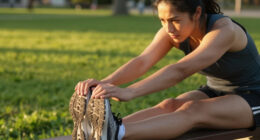
Yes, you should incorporate stretching routines that focus on knee flexibility to protect your knees while cycling. Before riding, do gentle stretches like hamstring, quadriceps, and calf stretches to loosen muscles around the joint. After cycling, perform stretches to maintain flexibility and reduce stiffness. Consistent stretching routines help prevent strain, improve mobility, and keep your knees safe, especially during long or intense rides.
Does Cycling Increase the Risk of Developing Knee Pain?
Cycling can sometimes be a double-edged sword, like walking a tightrope, if you’re not careful. It may increase your risk of knee strain and overuse injuries, especially if you ride with poor form or excessive intensity. However, with proper bike fit, gradual training, and adequate rest, you can minimize these risks. Listening to your body and incorporating stretches helps protect your knees from potential pain and injuries.

CXWXC Adjustable MTB Stem 31.8mm 70 Degree – 90/110/145mm Bike Stem Riser for Handlebar – Aluminum Alloy Mountain Bike Handlebar Riser Extender for MTB Road City Bike Bicycle (31.8 x 110mm)
- Adjustable handlebar height and reach: Enhances riding comfort for long rides
- Compatible with 31.8mm handlebars: Fits standard mountain and road bikes
- Available in multiple lengths: Options include 90mm, 110mm, 145mm
As an affiliate, we earn on qualifying purchases.
As an affiliate, we earn on qualifying purchases.
Conclusion
In the end, cycling is like a gentle river flowing through your knees—if you stay mindful and keep good form, it nurtures rather than damages. When you listen to your body and avoid overexertion, you’ll find cycling a joyous dance that keeps your knees healthy and strong. So pedal with care, and let this activity be a steady stream of benefits rather than a storm that threatens to sink your knees.

Bodyprox Patella Tendon Knee Strap 2 Pack, Knee Pain Relief Support Brace
- Adjustable Strap for Custom Fit: Fits 13 to 18 inches knees
- High-Quality Durable Material: Long-lasting and sturdy construction
- Comfortable Silicone Gel Padding: Provides cushioning and support
As an affiliate, we earn on qualifying purchases.
As an affiliate, we earn on qualifying purchases.

WIKDAY Resistance Bands for Working Out Exercise Loop Bands, Multicolor
- Set Includes 5 Resistance Bands: Different resistance levels for all stages
- Versatile Workout Use: Suitable for training, stretching, rehab
- High-Quality Natural Rubber: Durable, resistant to high-intensity stretching
As an affiliate, we earn on qualifying purchases.
As an affiliate, we earn on qualifying purchases.