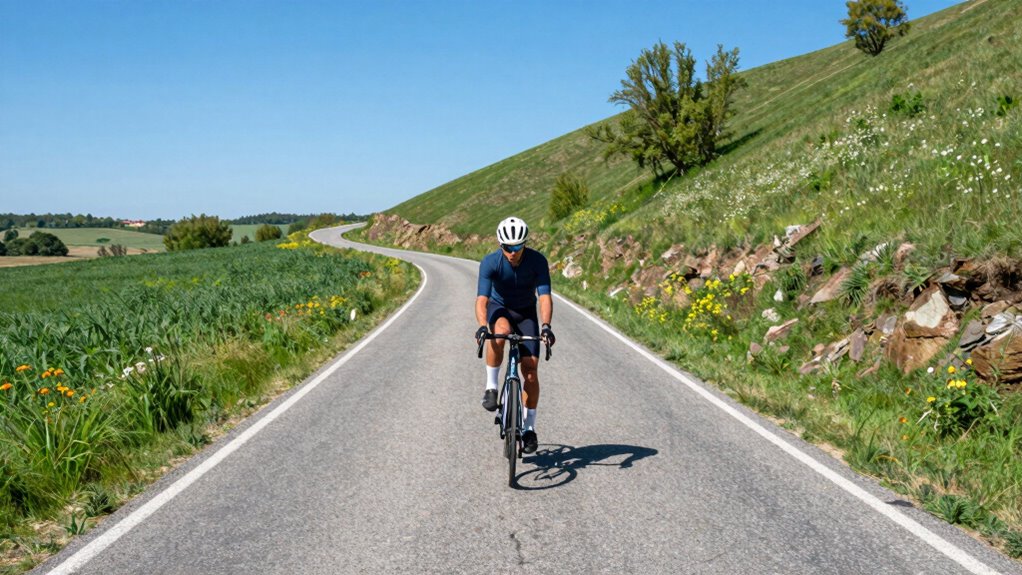

On flat terrain, you should use middle-range gears and maintain a steady cadence to maximize efficiency and comfort, adjusting gears for wind or slight inclines. For hilly terrain, shift into lower gears early to avoid overexertion and focus on steady effort during climbs. Use higher gears on descents for momentum, but stay safe. Mastering gear adjustments and pacing for each terrain improves your ride—keep exploring to get even better strategies for every ride.
Open a free Amazon Business account
Business pricing, bulk buying and tax-exempt orders.
As an affiliate, we earn on qualifying purchases.
Key Takeaways
- Use middle-range gears on flat terrain; shift to lower gears early for hills to maintain steady cadence.
- Maintain a consistent effort and cadence regardless of terrain to optimize efficiency and prevent fatigue.
- Anticipate terrain changes; shift gears proactively before steep climbs or descents for smoother transitions.
- Increase gear effort on descents to build momentum, but prioritize control and safety.
- Tailor pacing strategies: steady effort on flats, sustainable effort during climbs, and controlled descent techniques.
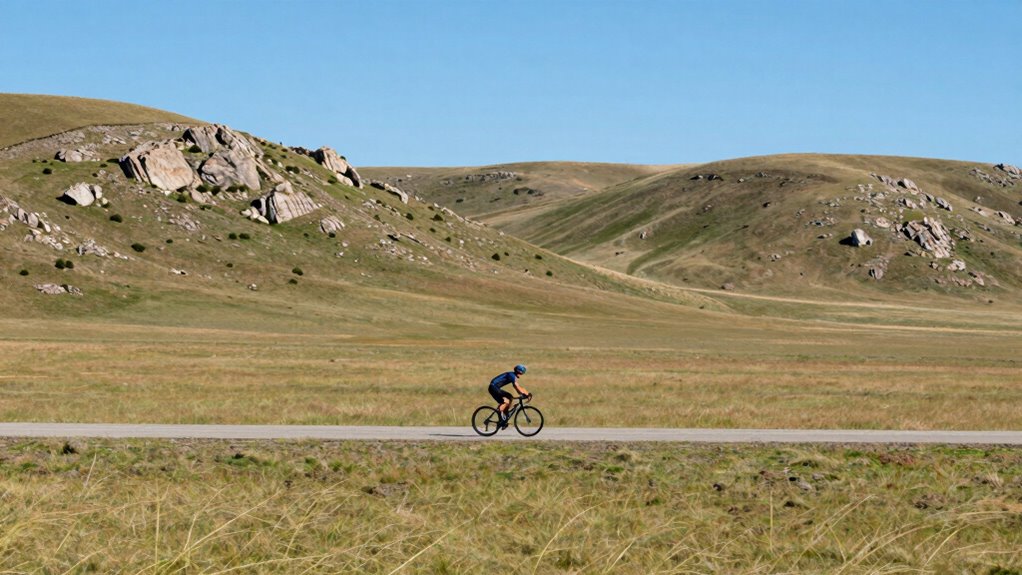
Have you ever wondered how to optimize your cycling performance on different terrains? When tackling both flat and hilly routes, adjusting your strategy is key. Your gear selection plays an essential role in maintaining efficiency and comfort, whether you’re cruising on level ground or climbing steep hills. On flat terrain, you want gears that allow you to sustain a steady cadence without putting undue strain on your muscles. A middle-range gear setup often works best, enabling you to pedal smoothly and conserve energy over long distances. You can shift into higher gears for speed when needed, but it’s equally important to know when to downshift to avoid fatigue. Pacing techniques come into play here; maintaining a consistent effort helps you stay fresh and avoid burnout. Focus on a steady cadence—typically around 80-100 revolutions per minute—and use your gears to keep that rhythm, adjusting as wind or slight inclines appear. This approach maximizes efficiency and helps you stay comfortable throughout the ride. Additionally, understanding the importance of gear ratios can help you make more informed decisions on your gear choices for different terrains. Practicing proper shifting techniques also ensures smoother transitions, which reduces wear on your drivetrain and enhances overall ride quality. When you hit hilly terrain, your gear selection needs to adapt to steeper gradients. You’ll want to shift into lower gears early, before the climb becomes too intense, so you can maintain a manageable cadence without overexertion. Climbing requires a different pacing technique than flat riding. Instead of trying to push hard, aim for a steady, sustainable effort, even if that means going slower. This prevents fatigue and keeps your muscles fresh for subsequent climbs or descents. It’s helpful to anticipate the steep sections and preemptively shift into appropriate gears, rather than waiting until you’re struggling. As you ascend, focus on smooth, consistent pedaling rather than brute force. Descents also call for strategic gear use; shifting into a higher gear can let you gain momentum without pedaling excessively, but always be mindful of your control and safety. Your pacing should be reactive, adjusting to the terrain’s demands while conserving your energy for the more challenging parts. Building muscle strength through regular training can also improve your ability to handle varying terrains more effectively. In both flat and hilly conditions, your ability to select the right gear and employ effective pacing techniques directly impacts your performance and enjoyment. By fine-tuning your gear choices to match the terrain, you can ride more efficiently and avoid unnecessary fatigue. Listening to your body, shifting proactively, and maintaining a steady rhythm are the secrets to conquering diverse terrains with confidence. Whether you’re racing on the flats or tackling rugged hills, these strategies ensure you make the most of every pedal stroke.
As an affiliate, we earn on qualifying purchases.
Frequently Asked Questions
How Do Wind Conditions Affect Cycling on Flat Versus Hilly Terrain?
Wind resistance profoundly impacts your cycling, especially on flat terrain where it can slow you down more. On hilly terrain, you’ll feel the wind less during climbs but may struggle against headwinds on descents. To adapt, you should adjust your effort and gear, using terrain adaptation techniques. Recognize that wind conditions demand different strategies depending on the terrain, helping you maintain efficiency and safety during your ride.
What Gear Adjustments Are Best for Sudden Terrain Changes?
When sudden terrain changes hit, your gear shifting becomes your superhero cape—quick, precise shifts keep you steady. Manage your cadence to avoid burnout; shift to lower gears for steep climbs and higher gears for descents. Practice smooth cadence management and anticipate terrain shifts. This way, you stay efficient and comfortable, turning unexpected hills into manageable challenges. Keep your gear adjustments sharp, and you’ll conquer any terrain with confidence.
How Should Hydration Strategies Differ Between Flat and Hilly Rides?
On hilly rides, you should hydrate more frequently, focusing on maintaining electrolyte balance to prevent cramps, especially during intense climbs. For flat terrain, you can space out hydration, but still prioritize hydration timing to stay ahead of thirst. In both cases, drink small amounts regularly, ideally before feeling thirsty, and consider sports drinks with electrolytes to replenish lost minerals. Adjust your hydration based on sweat rate and ride intensity.
What Are Common Mistakes Beginners Make on Hilly Terrain?
You’re biting off more than you can chew if you neglect proper climbing techniques and gear selection. Beginners often push too hard, losing energy early, or choose gears that make pedaling harder than it needs to be. Remember, slow and steady wins the race. Focus on maintaining a steady cadence, shifting gears smoothly, and pacing yourself. This keeps you from burning out and helps you conquer hills with confidence.
How Can I Improve Endurance for Long Hilly Rides?
To improve endurance for long hilly rides, focus on mastering climbing techniques and pacing strategies. You should practice efficient gear shifting, maintain a steady cadence, and stay seated on moderate inclines to conserve energy. Incorporate interval training to build stamina and gradually increase your ride distance. Remember, pacing yourself helps prevent burnout, so listen to your body and adjust your effort accordingly. Consistent practice and smart techniques will boost your endurance over time.
As an affiliate, we earn on qualifying purchases.
Conclusion
Whether you’re conquering flat or hilly terrain, your strategy shapes your ride. Embrace the speed and efficiency of flat surfaces, and adapt with steady pacing and gear shifts. Conquer hills with power and persistence, and focus on pacing and technique. Adjust your approach for each terrain, push your limits, and enjoy every mile. Remember, flexibility fuels progress, and versatility makes every ride rewarding. Keep evolving, keep riding, and let every challenge become your strength.
performance cycling cadence monitor
As an affiliate, we earn on qualifying purchases.
As an affiliate, we earn on qualifying purchases.
As an affiliate, we earn on qualifying purchases.
Fall Picks
fall essentials
As an affiliate, we earn on qualifying purchases.