To avoid back pain while cycling, guarantee your posture is ergonomic and well-balanced. Keep your back straight, chest open, and shoulders relaxed to reduce tension. Adjust your saddle height so your legs slightly extend at the pedal’s bottom, and set handlebars to prevent overreaching. Engage your core muscles and maintain a neutral spine throughout your ride. Paying attention to your equipment and technique helps prevent strain. Continuing with the right stance and adjustments can make all the difference.
Key Takeaways
- Maintain a neutral spine with a straight back and open chest during cycling.
- Adjust saddle height so your legs have slight extension at the pedal’s bottom.
- Ensure handlebars are within reach to prevent overhunching or excessive stretching.
- Engage your core muscles to support your lower back and stabilize your pelvis.
- Regularly check and correct your posture to avoid slouching or neck strain.

Ever wonder why some rides leave you feeling energized, while others cause discomfort or fatigue? The difference often hinges on your cycling posture and how you handle your equipment. Proper cycling posture isn’t just about comfort; it’s indispensable for preventing back pain and ensuring you enjoy every ride. When you’re on your bike, your body acts as a system, and the way you position yourself impacts your muscles, joints, and even your breathing. One key factor is your cycling equipment. Well-fitted handlebars, saddle height, and handlebar reach make a significant difference. If your bike isn’t set up correctly, it can force your back into unnatural positions, leading to strain and discomfort. Make sure your saddle height allows your leg to extend slightly at the bottom of each pedal stroke—this minimizes unnecessary stress on your back and knees. Adjusting the handlebar reach so you don’t have to overreach or hunch forward keeps your back straight and relaxed during the ride. Additionally, bike fit is crucial for long-term comfort and injury prevention. Proper bike fit promotes an ergonomic posture, reducing the risk of repetitive strain injuries, including back pain. Maintaining a balanced body alignment during your ride also helps prevent undue stress on your back and enhances overall efficiency.
Pedal technique is another essential piece of the puzzle. You want to pedal smoothly, with a fluid motion that engages your core and leg muscles evenly. Pushing down on the pedals should be coordinated with pulling up slightly, which helps distribute force efficiently and reduces the strain on your lower back. When your pedal stroke is clean and consistent, you avoid jerky movements that can jolt your spine or cause fatigue. Engage your core muscles to stabilize your pelvis and support your back instead of relying solely on your lower back muscles, which can become overstressed if your posture is poor. Keep your elbows slightly bent and your shoulders relaxed, so your upper body doesn’t bear unnecessary tension. Your hands should rest comfortably on the handlebars, and your neck should stay aligned with your spine, avoiding craning or hunching forward.
Maintaining a neutral spine is indispensable. Instead of leaning excessively forward or slumping, aim to keep your back straight and your chest open. This upright position allows for better airflow and reduces the likelihood of back pain. Regularly check your posture during your ride—if you notice yourself slouching or craning your neck, make small adjustments. Paying attention to muscle engagement and maintaining proper posture can significantly improve comfort and prevent fatigue. Remember, your cycling equipment and pedal technique work together to support this posture. Properly fitted gear encourages a natural, ergonomic position, while mindful pedal technique ensures you use your muscles efficiently. When you combine these elements, you’ll find that your back remains comfortable and pain-free, even during long rides. Ultimately, paying attention to your cycling posture and technique isn’t just about comfort—it’s about making every ride safer, more enjoyable, and less taxing on your body.

Bike Seat Saddle for Men Women Comfortable Replacement
- Comfortable Cushioning Support: Reduces pressure on bumps and rough terrains
- Full Replacement Saddle: Includes saddle, adapter, wrench, and cover
- Ergonomic Design: High-density foam padding and airflow vent
As an affiliate, we earn on qualifying purchases.
As an affiliate, we earn on qualifying purchases.
Frequently Asked Questions
How Often Should I Check My Cycling Posture During Rides?
You should check your posture awareness every 15-20 minutes during your ride, especially on longer sessions. Keep an eye on your back alignment, shoulder position, and hand placement to prevent discomfort. For longer ride durations, regular posture checks help you stay comfortable and avoid back pain. Make minor adjustments as needed, ensuring your core remains engaged and your spine stays in a neutral position throughout the ride.
Can Wrong Cycling Shoes Affect Back Pain?
Yes, wrong cycling shoes can definitely affect back pain. Ill-fitting cycling footwear can lead to poor posture correction, causing you to misalign your hips and spine during rides. This misalignment puts extra strain on your back muscles, resulting in discomfort or pain. Ensuring you wear properly fitted cycling footwear supports good posture, reduces strain, and helps prevent back pain. Always choose shoes designed for cycling to maintain ideal posture and comfort.
What Exercises Improve Cycling Posture?
You can improve your cycling posture through core strengthening and flexibility exercises. Focus on planks, bridges, and back extensions to build core stability, which supports proper alignment. Incorporate yoga or stretching routines targeting your hamstrings, hip flexors, and lower back to enhance flexibility. Regularly practicing these exercises helps you maintain an ergonomic position on your bike, reducing strain on your back and making your rides more comfortable and efficient.
How Does Bike Fit Influence Back Health?
Think of your bike fit as the key to your back’s harmony. When you adjust the bike geometry and saddle height correctly, you create a balanced stance that minimizes strain. A perfect fit keeps your spine aligned and reduces unnecessary pressure. If your bike is too high or too low, it can cause back pain. So, make sure your saddle height and frame match your body to protect your back and boost comfort.
Is a Higher Handlebar Position Better for Back Comfort?
A higher handlebar position generally offers better back support and comfort. It allows you to maintain a more upright posture, reducing strain on your lower back. When the handlebar height is elevated, you don’t have to lean forward as much, which minimizes back pain during long rides. Adjust your handlebar height to match your flexibility and comfort level, ensuring proper support and reducing the risk of back discomfort.
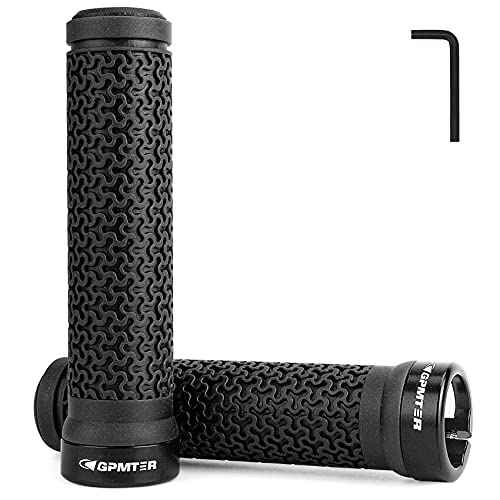
GPMTER Bike Handlebar Grips for BMX, Mountain Bicycle, MTB, Scooter ebike
- Material: High-quality non-slip rubber with aluminum lock-on
- Design: Ergonomic with gel layer for comfort
- Grip: High-friction rubber for all-weather grip
As an affiliate, we earn on qualifying purchases.
As an affiliate, we earn on qualifying purchases.
Conclusion
By maintaining proper cycling posture, you can greatly reduce back pain and enjoy longer, more comfortable rides. It might feel awkward at first, but with practice, good form becomes second nature. Remember, the benefits of a pain-free ride outweigh any initial adjustments. Don’t let fear of discomfort hold you back—focus on proper alignment, and you’ll soon experience smoother, more enjoyable cycling sessions that keep you motivated to hit the road regularly.

Samsonite Lumbar Support Pillow for Office Chair, Lower Back Support for Car, Back Pillow Desk Chair Cushion with Memory Foam, Improved Posture Backrest
- Contoured Memory Foam: Supports spine and maintains posture
- Adjustable Straps: Secure fit for office and travel
- Ventilated Mesh Cover: Enhances airflow and cooling
As an affiliate, we earn on qualifying purchases.
As an affiliate, we earn on qualifying purchases.

Bicycle Bike Seat Cushion Height Measuring Tool Fitting Measurement Gauge
- Scientific Measurement for Comfort: Precisely find optimal seat height
- Clear, Easy-to-Read Scale: Minimizes reading errors
- Quick Seat Adjustments: Save time and increase flexibility
As an affiliate, we earn on qualifying purchases.
As an affiliate, we earn on qualifying purchases.