
Choosing between smart trainers and rollers changes how you train and develop skills. Smart trainers offer realistic terrain simulation, detailed data tracking, and compatibility with apps, making workouts more immersive and precise. Rollers focus on improving balance, bike handling, and technique, requiring active engagement. They are usually more affordable and simpler to maintain. Your choice depends on whether you want high-tech realism or fundamental skill development—stay with us to discover more about what suits your goals best.
Key Takeaways
- Smart trainers offer immersive, data-driven indoor cycling with realistic resistance adjustments, enhancing outdoor ride simulation.
- Rollers improve bike handling, balance, and technique, fostering foundational skills for safer outdoor riding.
- Smart trainers provide detailed performance metrics and structured workouts for targeted training goals.
- Rollers are more affordable, simpler, and require less maintenance, suitable for skill refinement on a budget.
- Choice depends on whether riders prioritize realism and data or skill development and cost-efficiency.
When choosing between smart trainers and rollers for indoor cycling, understanding their key differences can help you make an informed decision. Both options serve to keep you riding when outdoor conditions aren’t ideal, but they offer distinct experiences that impact your training efficiency and overall riding feel. Smart trainers are designed to simulate outdoor riding more closely, thanks to their ability to connect with training apps and automatically adjust resistance based on your workout. This feature allows you to replicate hill climbs, intervals, and other terrain changes, making your indoor sessions more dynamic and productive. By mimicking real-world conditions, smart trainers help you stay engaged and motivated, which can translate into better outdoor performance. They also provide more precise data tracking, so you can monitor metrics like power, cadence, and heart rate with high accuracy, enabling you to fine-tune your training plan. If your goal is to improve specific aspects of outdoor riding, such as climbing or sprinting, a smart trainer’s ability to closely simulate outdoor conditions boosts your training efficiency. Additionally, smart trainers often incorporate realistic resistance adjustments that enhance the training experience by more accurately mimicking outdoor terrain. This connection to training data allows for more tailored and measurable progress over time. Furthermore, smart trainers frequently include features like virtual courses and interactive training platforms, enhancing your engagement and variety during workouts. Many models also leverage advanced algorithms to automatically adjust resistance, providing a seamless and immersive experience that mimics outdoor riding nuances.
Rollers, on the other hand, offer a different kind of challenge. They require more balance and control, forcing you to stay centered and engaged throughout your ride. This makes them excellent for developing bike handling skills and improving your overall stability on the road. While rollers don’t automatically adjust resistance or connect to training apps as seamlessly as smart trainers, many models now come with basic resistance settings and some connectivity options. Their simplicity means fewer electronic components that could malfunction, and they tend to be more affordable. Because rollers require active focus and balance, your training sessions naturally become more engaging mentally, and you might find yourself more attentive to your form and technique. This focus on technique can lead to improvements in smooth pedaling and overall control, which are crucial when you’re back on outdoor rides. In addition, the physical challenge of maintaining balance on rollers can help build core strength and overall stability, benefiting your riding posture and endurance. For riders aiming to enhance their fundamental skills, rollers can serve as a valuable and cost-effective tool for skill development.
In terms of outdoor riding, smart trainers excel at replicating real-world terrain and conditions, making your indoor training more relevant and effective. They allow you to simulate climbs and sprints, which prepare you better for outdoor challenges. Rollers, meanwhile, offer a more fundamental skill-building experience; they refine your balance and bike handling, essential skills for safe outdoor riding. When it comes to training efficiency, smart trainers provide more structured, data-driven workouts that maximize your time and effort. Rollers demand more concentration and skill, fostering a different kind of efficiency — one that enhances your control and smoothness on the road. Ultimately, your choice depends on your goals: if you want high-tech realism and detailed performance data, smart trainers are the way to go. If you seek to improve balance, control, and technique, rollers can be incredibly beneficial.

Saris M2 Smart Indoor Bike Trainer, Compatible with Zwift App, Black, Made in the USA
- Wheel-On Design: Connects to rear wheel without removal
- Quiet Operation: Noise level of 69 decibels at 20 mph
- Accurate Training: +/- 5% resistance accuracy
As an affiliate, we earn on qualifying purchases.
As an affiliate, we earn on qualifying purchases.
Frequently Asked Questions
Which Training Method Is Better for Improving Cycling Skills?
Smart trainers are better for improving cycling skills because they offer precise resistance control, enhancing your cycling efficiency. They also provide workout variety through interactive apps, keeping your training engaging and tailored to your goals. Rollers improve balance and bike handling, but smart trainers deliver more structured, data-driven workouts. For overall skill development and efficiency, smart trainers give you an all-encompassing, adaptable training experience that helps you progress faster.
How Do Smart Trainers Affect Indoor Bike Setup?
Coincidentally, your smart trainer’s setup directly influences your indoor bike arrangement. You need precise bike placement to guarantee stability and accurate power calibration, which helps deliver reliable training data. Proper positioning minimizes movement and ensures sensors work correctly. As you fine-tune your setup, your smart trainer adapts to your bike’s geometry, making calibration easier. This seamless integration enhances your training experience, making indoor sessions more effective and enjoyable.
Are Rollers More Suitable for Beginners Than Smart Trainers?
Rollers are generally more suitable for beginners because they offer a better balance challenge, helping you develop core stability and bike handling skills. They tend to be quieter than smart trainers, making your indoor riding more peaceful. While rollers require more coordination initially, they encourage natural movement, which can boost your confidence. Smart trainers might be easier to start with, but rollers foster better overall control, especially for new riders.
Do Smart Trainers Provide Better Data Tracking Than Rollers?
Think of smart trainers as your high-tech co-pilots, guiding you through your ride with precision. They offer superior data accuracy and seamless connectivity features, making it easier to track your progress in real-time. Unlike rollers, which provide a more traditional experience, smart trainers sync effortlessly with apps and devices, giving you detailed insights into metrics like power, cadence, and speed. This makes your training more engaging and data-driven.
What Maintenance Is Required for Each Training Type?
You need to regularly maintain both types by calibrating resistance to guarantee accurate data and performance. For smart trainers, check for software updates and calibrate resistance regularly, especially if you notice inconsistencies. Rollers require lubrication on moving parts to keep them smooth and quiet. Keep the rollers clean and free from debris, and periodically inspect for wear. Proper maintenance ensures safe, accurate, and efficient training sessions with either setup.

KREITLER Alloy Rollers for Indoor & Outdoor Bike Training | Premium Cycling Trainer | Quiet Ride | High Resistance | 2.25 in
- Precision Machined Drums: Aircraft-grade alloy for smooth, quiet ride
- High-Quality Bearings: Sealed cartridge shield bearings for effortless spinning
- Durable Steel Frame: Foldable, powder-coated for portability and longevity
As an affiliate, we earn on qualifying purchases.
As an affiliate, we earn on qualifying purchases.
Conclusion
Ultimately, whether you choose smart trainers or rollers, your cycling journey is yours to shape. Think of your training as a canvas, each choice adding a stroke of color to your masterpiece. Rollers offer a gentle dance of balance, while smart trainers release the storm of data and connection. Whichever path you take, embrace the ride—because every pedal stroke paints the story of your progress, turning ordinary miles into extraordinary memories.
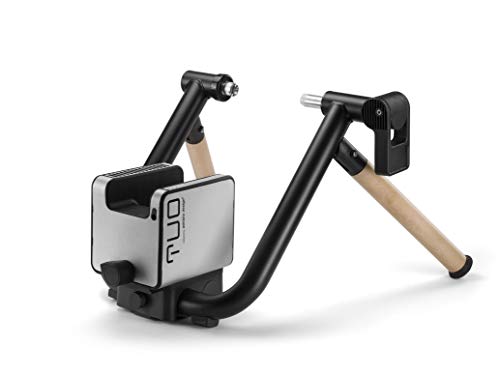
Elite Tuo Interactive Wheel-On Trainer – Compact Smart Trainer with Auto Resistance, ANT+/Bluetooth Connectivity, 10% Slope Simulation, Stylish Home-Friendly Design
- Compact Wheel-On Design: Space-saving, easy to use at home
- Auto Resistance Adjustment: Enhances workout with automatic resistance
- Connection Indicators: LED lights for power, ANT+, and Bluetooth status
As an affiliate, we earn on qualifying purchases.
As an affiliate, we earn on qualifying purchases.

KREITLER Alloy Rollers for Indoor & Outdoor Bike Training | Premium Cycling Trainer | Quiet Ride | Medium Resistance | 3 in
- Precision Machined Drums: Aircraft-grade alloy for smooth, quiet ride
- High-Quality Bearings: Sealed cartridge shield bearings for effortless spinning
- Durable Steel Frame: Foldable, powder-coated for portability and longevity
As an affiliate, we earn on qualifying purchases.
As an affiliate, we earn on qualifying purchases.