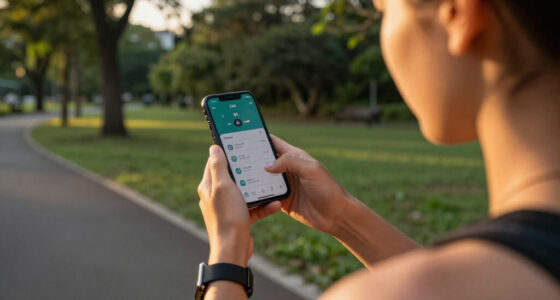
A fitness tracker mainly offers straightforward activity, sleep, and basic health monitoring with a slim, simple design, ideal for casual use and longer battery life. A smartwatch looks more like a traditional watch but adds features like notifications, apps, and advanced health tracking, appealing to tech-savvy users. The key differences lie in their styles, capabilities, and how much they do beyond fitness. Want to discover which device suits your lifestyle best? Keep exploring the details ahead.

Get workout gear delivered free with Prime
- Fast, free delivery on millions of items
- Prime Video, Amazon Music and more included
- Member-only deals all year
Key Takeaways
- Fitness trackers focus on basic activity and sleep monitoring, while smartwatches offer advanced health features and broader functionalities.
- Smartwatches resemble traditional watches with customizable screens, whereas fitness trackers have minimalist, slim designs for comfort.
- Fitness trackers generally have longer battery life; smartwatches require more frequent charging due to their complex displays.
- Smartwatches support extensive connectivity options (Bluetooth, Wi-Fi, LTE) and integrate with multiple devices and apps.
- Price ranges vary widely; fitness trackers are often budget-friendly, while smartwatches with advanced features tend to be more expensive.
Products Worth Considering

Garmin Venu 3 Fitness Smartwatch, 45 mm, Black

Garmin Forerunner 55 GPS Running Smartwatch, Black

OMRON VIVA 360+ Body Composition Monitor and Smart Scale
As an affiliate, we earn on qualifying purchases.
Design and Appearance

When it comes to design and appearance, fitness trackers and smartwatches offer distinctly different looks that cater to various preferences. Fitness trackers tend to have a minimalist, sleek style aligned with current fashion trends, often featuring slim profiles and simple displays. Their material choices usually include lightweight plastics, silicone bands, or woven fabrics, making them comfortable for everyday wear. Smartwatches, on the other hand, emphasize versatility and style, often resembling traditional watches with larger, customizable screens. They incorporate premium materials like stainless steel, aluminum, or ceramic, reflecting luxury and durability. The design choices for smartwatches appeal to those who want a fashionable accessory that complements different outfits, while fitness trackers prioritize subtlety and comfort, blending seamlessly into your daily routine.
Core Functions and Features

Core functions and features distinguish fitness trackers from smartwatches by their primary focus and capabilities. Fitness trackers mainly emphasize activity monitoring, step counting, and sleep tracking, making them straightforward and user-friendly. Smartwatches, on the other hand, combine these features with advanced functionalities like notifications, apps, and even communication tools. Your choice depends on what you prioritize: a sleek, aesthetic appeal or a device with high material quality that offers durability and comfort. Fitness trackers often feature lightweight designs, optimized for wearing during workouts, while smartwatches boast more sophisticated materials and craftsmanship. Both devices can be stylish, but smartwatches generally provide a broader range of features, transforming them into versatile accessories beyond fitness tracking. Additionally, Free Floating technology can be integrated into both device types to improve user experience and connectivity. Understanding the Core Functions helps users select the device that best aligns with their wellness and tech needs. For example, a contrast ratio can influence the display clarity and visual appeal of smart devices, affecting how well users can view notifications and app interfaces.
Fitness and Health Tracking Capabilities

Fitness trackers and smartwatches both excel at monitoring your health, but they do so with different levels of detail and accuracy. You’ll find that fitness trackers typically focus on basic metrics like heart rate and sleep monitoring, providing essential insights without overwhelming you with data. They often track your resting heart rate, active heart rate, and sleep quality, helping you identify patterns over time. Smartwatches, on the other hand, offer more advanced health features, including continuous heart rate monitoring and detailed sleep analysis with insights into sleep stages. While both devices can help you stay aware of your health status, smartwatches tend to deliver more extensive data, making them better suited for users interested in a deeper understanding of their fitness and wellness. Additionally, Gold IRA markets are an example of specialized investment options that offer a different kind of financial tracking and growth potential. Proper calibration and maintenance of these devices can also enhance their accuracy and reliability, ensuring you get the most precise information for your health goals.
Connectivity and Compatibility
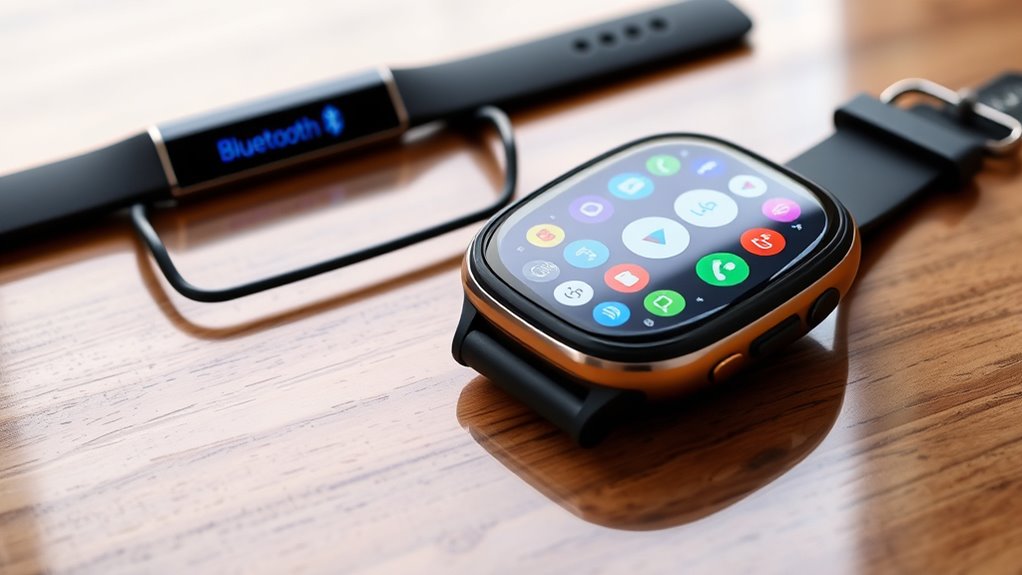
Connectivity and compatibility are key factors to contemplate when choosing between a fitness tracker and a smartwatch. Your device’s wireless connectivity determines how effortlessly it syncs with your smartphone or other gadgets. Most smartwatches offer robust options like Bluetooth, Wi-Fi, or LTE, ensuring seamless data transfer and real-time updates. Fitness trackers typically rely on Bluetooth, making pairing straightforward but sometimes limited in range. Device compatibility is equally important; check if your chosen device works smoothly with your phone’s operating system, whether iOS or Android. A smartwatch with broad compatibility offers more flexibility, while fitness trackers may be more restricted. Ensuring your device supports your existing tech setup guarantees smooth operation and easier access to your health data. Additionally, understanding the wireless communication standards involved can help you select a device that aligns with your home and work environment. Being aware of compatibility issues can prevent potential frustration and help you choose a device that integrates seamlessly into your daily routine. Moreover, considering software updates for your device can ensure ongoing compatibility and feature enhancements over time. Staying informed about device ecosystems can also enhance integration with other smart home and health devices you may use. Maintaining awareness of security protocols is also crucial to protect your personal information across connected devices.
Battery Life and Charging
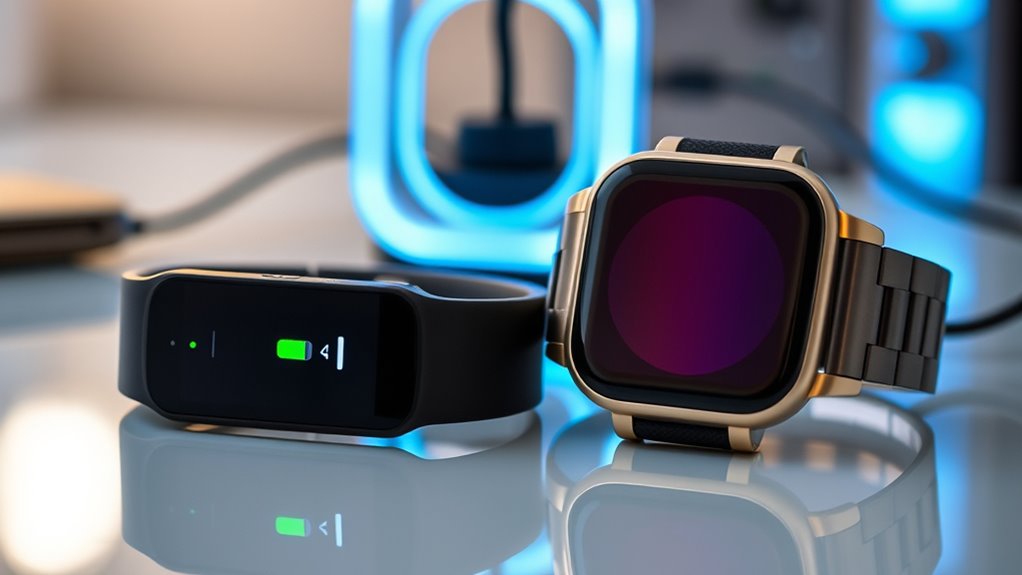
Battery life varies greatly between fitness trackers and smartwatches, affecting how often you’ll need to recharge. You’ll want to contemplate how much power each device consumes and how quickly it charges. Understanding these factors helps you choose a device that fits your daily routine without constant interruptions.
Battery Longevity and Power Use
While smartwatches generally offer more features that drain their batteries faster, fitness trackers often excel in battery longevity thanks to their simpler displays and fewer functions. Your device’s battery efficiency depends largely on its power consumption; fitness trackers are designed to minimize this by limiting background activity and screen brightness. As a result, they can run for days or even weeks on a single charge. Additionally, battery optimization techniques are employed in many fitness trackers to further extend usage time. For example, adjusting screen brightness and disabling unnecessary notifications can significantly conserve energy. Some models also incorporate power-saving modes that extend battery life even further. These power management features are crucial for maximizing device uptime, especially during extended periods of use. Smartwatches, with their vibrant displays and multiple apps, consume more power, requiring frequent charging. If long-lasting battery life is a priority, a fitness tracker provides a clear advantage. By focusing on essential data and reducing unnecessary power use, these devices keep you moving without interruption for extended periods. Furthermore, Best Esthetician Magnifying Lamps are designed to optimize energy use, further extending device usage time.
Charging Methods and Speed
Charging methods and speed vary markedly between fitness trackers and smartwatches, impacting how quickly and conveniently you can restore their power. Many smartwatches support wireless charging, making it easier to juice up without fussing with cables. Some models even offer fast charging, providing a significant boost in just 15-30 minutes, so you’re not stuck waiting long. Fitness trackers typically have simpler charging methods, often via a proprietary cable or dock, which may take longer but require less frequent charging overall. If quick top-ups are essential for your busy schedule, a smartwatch with fast charging features is a clear advantage. Conversely, if you prefer less frequent charging, a fitness tracker with longer battery life might suit you better. Additionally, battery life and charging are critical factors to consider when choosing between these devices to ensure they meet your daily usage needs. Furthermore, charging convenience can greatly influence your overall user experience, especially for those with hectic lifestyles. Proper power management can also extend the lifespan of your device’s battery, making it a worthwhile consideration.
Price Range and Value
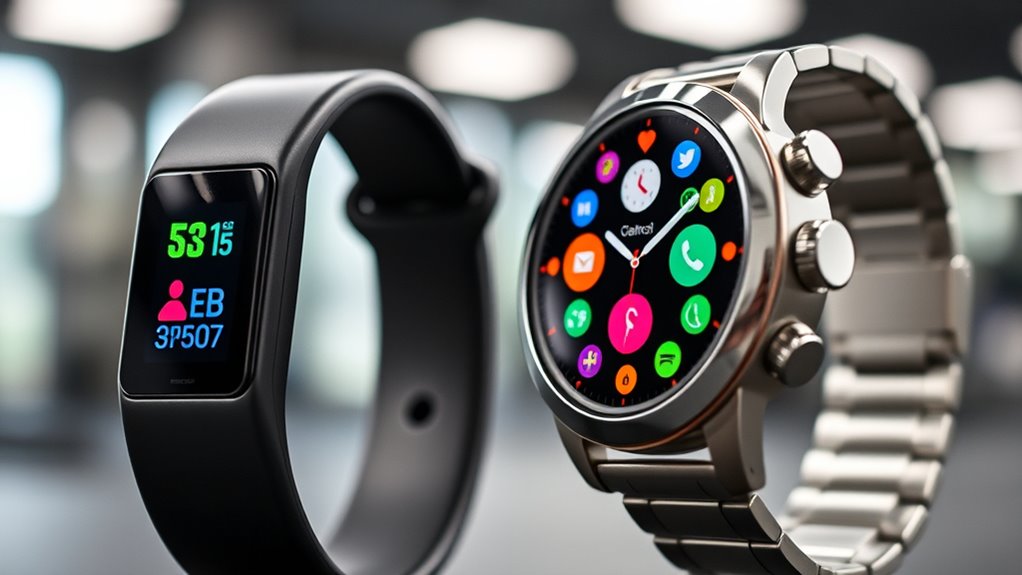
Price ranges for fitness trackers and smartwatches vary widely, reflecting their different features and target audiences. If you’re on a budget, you can find fitness trackers for under $50 that offer basic activity monitoring and step counting. These budget options are great for casual users who want simple insights without breaking the bank. On the other hand, smartwatches with premium features, such as GPS, ECG, or LTE connectivity, can cost $300 or more. These devices deliver advanced health tracking, app integration, and customization, providing significant value if you need a versatile device. Ultimately, your choice depends on what features matter most to you and how much you’re willing to invest. Both categories offer options that can fit various budgets and lifestyles.
Ideal Users and Use Cases
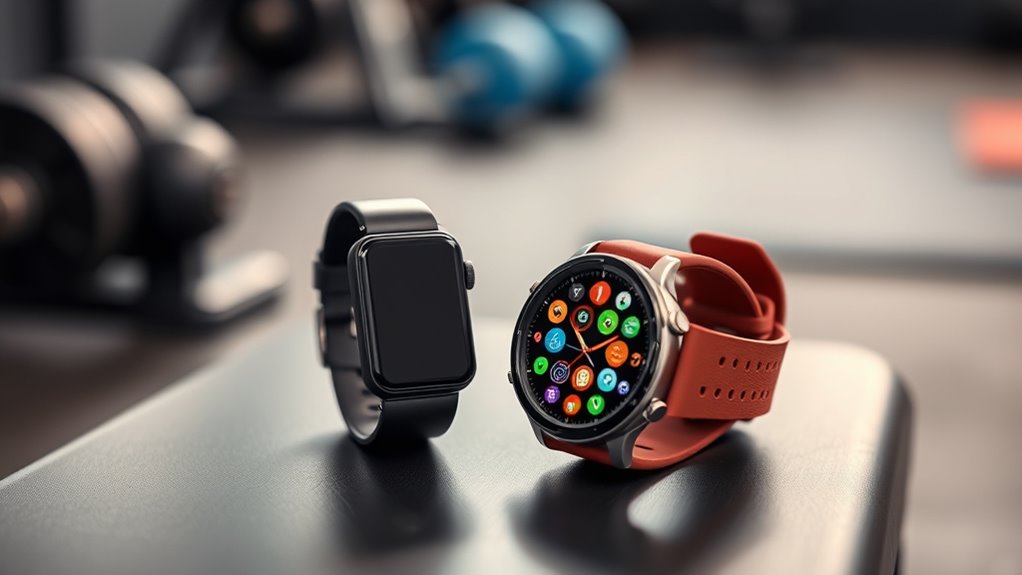
Fitness trackers are ideal for casual exercisers and those focused on basic health metrics, such as step count, sleep patterns, and calorie burn. If you’re in the age groups that prioritize maintaining general wellness or staying active, a fitness tracker helps you stay motivated and monitor progress. They’re perfect for beginners, older adults, or anyone seeking simple activity insights. Professional athletes, however, often require more advanced features found in smartwatches or specialized devices. Fitness trackers suit users aiming for everyday health awareness without the need for extensive data or notifications. Whether you’re just starting your fitness journey or looking to track daily activity, a fitness tracker provides targeted, easy-to-use tools for your specific needs. Additionally, understanding the different types of wearable devices like smartwatches and fitness trackers can help you choose the best option for your lifestyle. Recognizing the reliance on cloud services that support these devices can also inform your choices regarding data security and device compatibility. Exploring AI-powered fitness tools can further enhance your tracking experience and motivate ongoing health improvements. Moreover, selecting devices with integration capabilities allows for seamless synchronization with other health apps and platforms, enriching your overall fitness management. To ensure optimal performance and data accuracy, considering the security and privacy features of these devices is also important.
Frequently Asked Questions
Can a Fitness Tracker Replace a Dedicated Fitness Device?
A fitness tracker can often replace a dedicated fitness device, especially if you focus on heart rate monitoring and sleep tracking. Many modern trackers provide accurate data for these features, making them suitable for daily health monitoring. However, if you need advanced metrics or specialized functions, a dedicated device might still be better. Ultimately, assess your goals and choose a device that best supports your fitness journey.
Are Smartwatches Suitable for Serious Athletes?
Smartwatches can be suitable for serious athletes, especially if you’re into marathon training or want detailed weightlifting metrics. They offer advanced features like GPS tracking, heart rate monitoring, and workout analysis, helping you optimize your sessions. However, for highly specialized needs, dedicated devices might provide more precise data. Still, a smartwatch can be a versatile tool to stay on top of your training goals and performance.
How Do Fitness Trackers Handle Water Resistance?
Think of your fitness tracker like a brave swimmer facing waterproof testing; it’s built to handle water resistance ratings like IP68 or 5 ATM. These ratings act as shields, keeping water out during showers or swimming sessions. You can confidently wear it in the rain or while washing your hands, knowing it’s designed to withstand water’s push and pull. Just follow manufacturer guidelines to guarantee your tracker stays protected and functional.
Do Both Devices Support Third-Party App Integrations?
Yes, both devices support third-party app integrations, but smartwatches typically offer more extensive options for app customization. You’ll find more variety and flexibility, enhancing functionality and user experience. Keep in mind, installing more apps can impact battery life, so choose carefully. Fitness trackers usually limit app support to conserve battery, but smartwatches balance app integration with longer battery life, making them more versatile for app enthusiasts.
Which Device Offers Better Long-Term Durability?
You’ll find that fitness trackers generally offer better long-term durability due to their superior battery life and sturdy material quality. They’re designed to withstand daily wear and tear, often featuring reinforced plastics or rubber straps. Smartwatches, while feature-rich, tend to have shorter battery life and more delicate materials, which can impact their longevity. If durability is your priority, a fitness tracker might be the better choice for long-term use.
Conclusion
Whether you prefer a sleek fitness tracker or a feature-packed smartwatch, each offers unique benefits. A fitness tracker might be your simple, dedicated partner for health, while a smartwatch combines fitness with notifications and apps, turning your wrist into a mini computer. Think of it as choosing between a focused workout buddy and an all-in-one assistant. Your perfect match depends on your lifestyle—whether you want basic motivation or a versatile device that keeps you connected all day.