To use a heart rate monitor for training zones, first calculate your maximum heart rate by subtracting your age from 220. Identify your training zones—resting, light, moderate, hard, and maximum—based on this figure. During your workout, monitor your real-time heart rate and keep it within your desired zone for achieving specific fitness benefits. This helps optimize your effort while minimizing injury risk. Stick around to discover tips on hydration and calorie strategies that enhance your training even further.

Get workout gear delivered free — and shop member deals
- Fast, free delivery on millions of items
- Access to Prime Big Deal Days deals on October 6–7
- Prime Video, Amazon Music and more included
Key Takeaways
- Calculate your maximum heart rate by subtracting your age from 220 to establish training zones.
- Monitor your heart rate during workouts to ensure you stay within the desired training zone for optimal results.
- Identify your training zones: resting, light, moderate, hard, and maximum, each providing different fitness benefits.
- Use real-time heart rate data to adjust workout intensity, preventing overtraining and reducing injury risk.
- Incorporate calorie tracking and hydration strategies to enhance performance and recovery during workouts.

When you’re looking to maximize your workouts, understanding training zones through a heart rate monitor can be a game changer. Training zones help you optimize your exercise intensity, ensuring you’re working hard enough to get results, but not so hard that you risk injury or burnout. By keeping an eye on your heart rate during workouts, you can tailor your training to meet specific fitness goals, whether that’s improving endurance, building strength, or burning calories.
To get started, you’ll first want to determine your maximum heart rate, which is typically calculated by subtracting your age from 220. This number is essential because it serves as a baseline for calculating your training zones. Most heart rate monitors can display your current heart rate, as well as the percentage of your maximum heart rate, making it easier to see where you stand during any given exercise. Generally, training zones can be divided into five categories: resting, light, moderate, hard, and maximum. Each zone corresponds to different fitness benefits, so understanding where you fall during workouts can help guide your intensity levels.
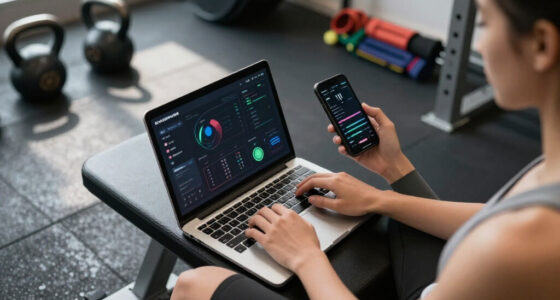
As you’re working out, consider incorporating calorie tracking to better understand your energy expenditure. Many heart rate monitors come equipped with this feature, allowing you to see how many calories you burn in real-time. This information can help you adjust your workouts and nutrition strategies to meet your fitness goals. For instance, if you’re looking to lose weight, knowing how many calories you’ve burned can motivate you to push yourself a little harder or adjust your food intake accordingly.
Don’t forget about hydration strategies as you monitor your heart rate. Staying properly hydrated is essential for maintaining performance and recovery. Dehydration can lead to an elevated heart rate, which might mislead you about your training intensity. Make sure to drink water before, during, and after your workouts, especially if you’re training in a higher heart rate zone. Listening to your body is key; if you’re feeling fatigued or your heart rate seems unusually high, it might be a sign that you need a break or more fluids.
Incorporating a heart rate monitor into your training routine can transform your workouts by providing you with valuable insights. By understanding your training zones, tracking calories, and implementing effective hydration strategies, you’ll not only enhance your performance but also work smarter toward achieving your fitness goals. Additionally, using modern kitchen technology, such as smart nutrition scales, can help you measure your meals accurately, ensuring you meet your dietary needs efficiently.
heart rate monitor for training zones
As an affiliate, we earn on qualifying purchases.
As an affiliate, we earn on qualifying purchases.
Frequently Asked Questions
Can I Use a Heart Rate Monitor for Activities Other Than Training?
Absolutely, you can use a heart rate monitor for activities beyond training. It’s great for fitness tracking during daily activities like walking, running errands, or even household chores. By monitoring your heart rate, you’ll get insights into your overall fitness and stress levels throughout the day. Plus, it helps you stay aware of how your body responds to various activities, making it easier to adjust your lifestyle for better health.
How Do I Maintain My Heart Rate Monitor for Longevity?
To keep your heart rate monitor ticking like a well-oiled watch, focus on battery maintenance and strap hygiene. Regularly replace the battery when it shows signs of weakness. Clean the strap after each use with mild soap and water to prevent buildup and skin irritation. Avoid exposing your monitor to extreme temperatures, and store it in a cool, dry place. Following these tips will guarantee your device lasts longer and performs better.
What Are the Signs My Heart Rate Monitor Needs Replacing?
If your heart rate monitor’s battery life is declining rapidly or it won’t hold a charge, it’s time to contemplate replacing it. You should also watch for issues with screen readability; if the display is fading or glitching, that’s a sign of wear. Additionally, if the monitor regularly gives inaccurate readings, it might not be worth the hassle to keep. Trust your instincts—if it feels off, it’s better to replace it.
Can Heart Rate Monitors Track Calories Burned Accurately?
Yes, heart rate monitors can track calories burned accurately, but it depends on the model and how well it fits. When you wear it snugly, it provides better data for calorie measurement during your workouts. Many devices also factor in your age, weight, and fitness level for more precise fitness tracking. However, always remember that these readings can vary, so consider them as a helpful estimate rather than an exact figure.
Are There Specific Heart Rate Monitors Better for Certain Sports?
Absolutely, some heart rate monitors shine brighter in specific sports! If you’re swimming, look for water-resistant models with swim-specific features. Cyclists should opt for monitors compatible with bike computers, while runners benefit from GPS tracking. Keep an eye on device compatibility to guarantee seamless integration with your training apps. Just like choosing the right tool for a job, selecting the right monitor can elevate your performance and enhance your training experience!
best fitness trackers with calorie tracking
As an affiliate, we earn on qualifying purchases.
As an affiliate, we earn on qualifying purchases.
Conclusion
By embracing the power of your heart rate monitor, you’re not just training; you’re forging a connection with your body’s rhythm. Each heartbeat becomes a drum guiding you through the symphony of your workouts. As you navigate through training zones, you’ll uncover strength you didn’t know existed. So, lace up your shoes and let your heart lead the way—because every pulse brings you closer to your goals, turning sweat into a masterpiece of achievement.
waterproof heart rate monitor watch
As an affiliate, we earn on qualifying purchases.
As an affiliate, we earn on qualifying purchases.
exercise heart rate monitor chest strap
As an affiliate, we earn on qualifying purchases.
As an affiliate, we earn on qualifying purchases.
Evergreen bestsellers Picks
bestsellers
As an affiliate, we earn on qualifying purchases.