
TL;DR

Get workout gear delivered free with Prime
- Fast, free delivery on millions of items
- Prime Video, Amazon Music and more included
- Member-only deals all year
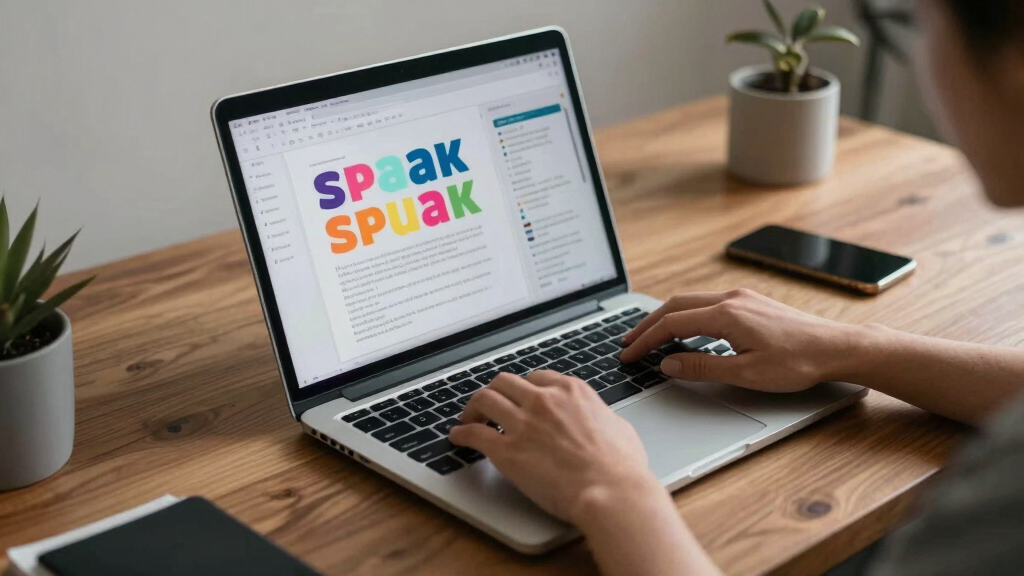
The ‘Typo Vibe Shift’ describes a cultural change where typos are increasingly seen as signs of authenticity rather than carelessness. This shift is influenced by AI-generated content and changing social norms, impacting how people interpret written communication.
The ‘Typo Vibe Shift’ is a growing cultural phenomenon where typos in written communication are increasingly regarded as signs of authenticity rather than carelessness, reflecting a broader change in how society perceives mistakes in the digital age.
Recent social media trends and public statements from celebrities and political figures demonstrate a shift in attitude toward typos. Instead of being viewed as errors indicating laziness or incompetence, typos are now often seen as deliberate or genuine markers of effort and sincerity. This change is partly attributed to the influence of AI-generated writing, which often produces text with unusual repetitions and grammatical quirks, making errors seem more acceptable. For example, celebrity Zara Larsson’s typo-filled apology was praised for its authenticity, and former President Donald Trump’s frequent typos on Truth Social are defended as signs of honesty. Historically, typos were considered technological blunders or signs of negligence, with some authors even celebrating them as part of artistic expression, such as James Joyce’s early editions of Ulysses. Today, the cultural perception is shifting, with some experts arguing that typos can humanize digital communication and foster trust among readers.
Why It Matters
This shift matters because it influences how individuals, companies, and public figures communicate in digital spaces. Embracing typos as authentic signals can impact branding, political messaging, and social interactions, potentially reducing the stigma associated with mistakes and encouraging more genuine expression. It also reflects broader changes in the relationship between humans and AI, as errors become part of a new norm of digital authenticity.
As an affiliate, we earn on qualifying purchases.
Background
Over the past two decades, technological advances—from typewriters to AI—have changed perceptions of written errors. Historically, typos were seen as signs of laziness or technological failure, with authors and printers often blaming mistakes on others or celebrating them as artistic experiments. In the early modern period, errata lists acknowledged errors, sometimes even enhancing a book’s credibility. In the digital era, especially with AI tools producing near-flawless text, errors are once again being reinterpreted. The current trend reflects a broader cultural re-evaluation of authenticity in a world saturated with curated digital content. Learn more about shifting perceptions in digital communication.
“A typo maybe signals that you actually do care because you took the time to write it yourself.”
— Nicole Ellison, University of Michigan professor
“Authors would say, ‘I wasn’t able to be in the printing house at the time of printing,’ or blame the printer, which lent an air of credibility to errors.”
— Alice Leonard, professor at Coventry University
“I like this post because it’s littered with typos. You can tell she wrote this herself.”
— Zara Larsson, singer
“President Trump is the greatest and most authentic communicator in the history of American politics.”
— White House spokesperson
As an affiliate, we earn on qualifying purchases.
What Remains Unclear
It is still unclear whether this shift will lead to a lasting change in how society values accuracy versus authenticity in written communication. The extent to which this perception influences formal or professional contexts remains uncertain, and some experts warn that overemphasizing typos could undermine clarity or credibility in certain settings.
AI-generated text editing software
As an affiliate, we earn on qualifying purchases.
As an affiliate, we earn on qualifying purchases.
What’s Next
Researchers and cultural commentators will likely continue to observe how these attitudes evolve, especially as AI-generated content becomes more prevalent. Future developments may include new norms around error acceptance or renewed efforts to promote accuracy in specific domains such as journalism and official communication.
As an affiliate, we earn on qualifying purchases.
Key Questions
Why are typos now seen as signs of authenticity?
Because AI-generated writing often contains errors, and social media users are increasingly valuing genuine, human effort over perfection, leading to a perception that typos can signal sincerity and effort.
Does this mean everyone is okay with mistakes in professional writing?
No, the shift primarily applies to social media, celebrity statements, and casual communication. Formal or official contexts still prioritize accuracy and correctness.
Will this change affect how AI-generated content is perceived?
Potentially. As errors become associated with authenticity, AI-generated texts that mimic human imperfections might be viewed more favorably, blurring lines between human and machine writing.
Could embracing typos lead to misunderstandings?
Yes, in some cases, errors could cause confusion or reduce credibility, especially if clarity is compromised. The shift appears to be context-dependent and not universal.
Source: The Atlantic
Halloween Picks
halloween
As an affiliate, we earn on qualifying purchases.