TL;DR
Adjustable dumbbells combine several weight settings in one pair, so you can train with a range of loads while storing less equipment than a full rack. Compare the weight per dumbbell, increments, adjustment mechanism, size, care instructions, and warranty before buying; the best choice is the one that fits your exercises and feels straightforward to use.
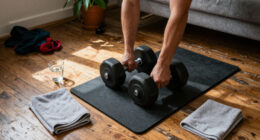
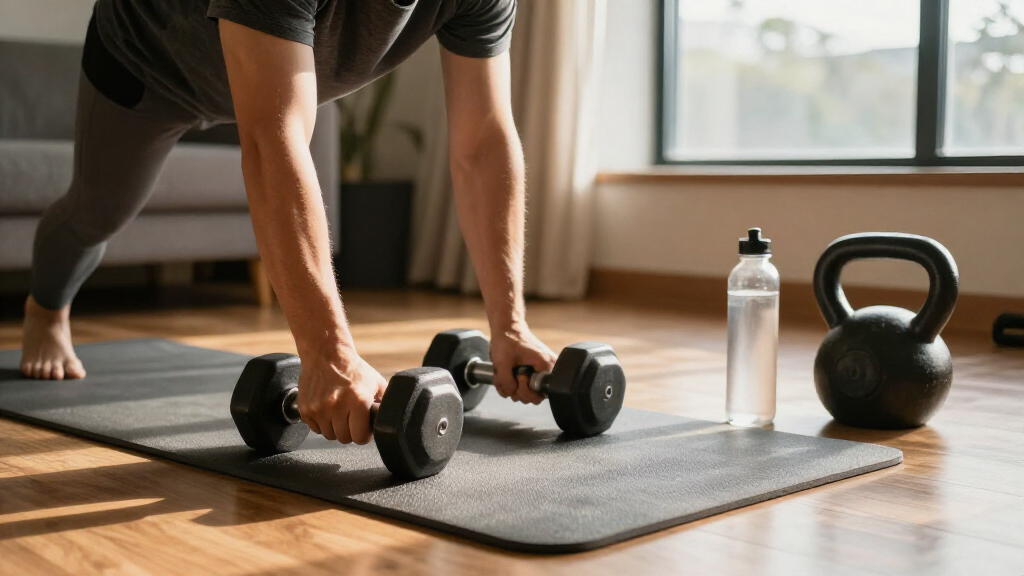
A pair of adjustable dumbbells can turn a narrow corner of your living room into a useful strength-training space. The clever part is simple: several weight settings in one pair can take the place of many individual dumbbells, leaving more room for your yoga mat, laundry basket, or actual living.

Get workout gear delivered free with Prime
- Fast, free delivery on millions of items
- Prime Video, Amazon Music and more included
- Member-only deals all year
But a compact set still has to feel right in your hands. You’ll want enough weight for rows and presses, light enough options for raises and curls, and a mechanism you can adjust without interrupting every workout. This guide explains what to compare, how different designs affect your routine, and what to check before you put a set beside the sofa.
One detail can change the whole comparison: a listed “50 lb set” may describe the total weight of both dumbbells, or the maximum weight of each one. Read the product specifications carefully, then weigh the numbers against your planned exercises and available storage.
Check whether a set’s advertised maximum weight applies to each dumbbell or the pair combined.
Compare the lightest setting, heaviest setting, and size of each weight jump against your planned exercises.
Choose between dial, pin, and spin-lock systems based on how often you change weight and how much time you want to spend adjusting.
Measure the full tray or stand footprint and consider the dumbbell’s length, grip, and balance.
Follow the exact model’s care instructions, secure selectors or collars before lifting, and don’t assume the set can be dropped.
See how one pair can cover a home workout
Adjustable dumbbells for home training offer multiple loads in a single set, helping you perform many common strength exercises without storing a separate pair for every weight. That makes them useful when you have limited floor space or want one piece of equipment for several parts of a workout.
For example, you might use a lighter setting for shoulder raises, then increase the load for a floor press and a one-arm row. One workout can move from gentle, controlled lifts to heavier work without sending you across a room to fetch another pair. Some models let you change loads quickly; other designs need more time between exercises.
Adjustable dumbbells combine storage convenience with a broad range of possible exercises, but they don’t automatically suit every lifter. A set’s maximum weight, smallest increment, length, and balance all shape what feels comfortable. A long dumbbell can bump into your arms during curls or press movements, even when its selected weight is right.
Think of the set as a compact toolbox, not a magic replacement for every gym setup. If your routine centers on rows, lunges, curls, and presses, one pair may serve you well. If you train with very heavy loads or need a particular dumbbell feel, the maximum capacity and shape deserve extra attention.
Products Worth Considering

Coway Airmega Mighty2 Air Purifier, AP-1512N

Garmin Forerunner 965 Running Smartwatch, 47mm, Black/Powder Gray

Philips Sonicare ProtectiveClean 5300 Rechargeable Electric Toothbrush with 3 Brush Heads, Black
As an affiliate, we earn on qualifying purchases.
Choose a weight range that fits your exercises
Start with the lightest and heaviest weights you’ll use, then check the increments between them. A useful set has settings that cover your current movements and leave room to progress. Different exercises can call for very different loads: the weight you use for a shoulder raise may be much lower than the weight you use for a row.
Imagine you’re building a weekly routine with presses, rows, curls, and lunges. You may need light settings for controlled shoulder work and heavier settings for lower-body exercises. If the first available jump is too large, you might find one setting too easy and the next too difficult. Smaller increments can give you a more gradual way to increase resistance, which helps you keep good form as you build strength. The tradeoff is that more finely divided settings can add complexity or cost, so focus on increments that suit the movements you actually do.
Check whether the stated capacity applies to each dumbbell or the pair together. A product described as a 50 lb set could provide 25 lb per dumbbell if the listed number means the pair’s combined weight. That difference matters when you compare listings or plan to perform a movement with both hands: the advertised number alone may make a set look twice as capable as it is for each arm.
Write down a few exercises you expect to do and compare their needs with the available settings. You don’t need to predict every future workout, but you should know whether the set can serve your main movements. If a set’s range is too light for your regular rows, the tidy storage won’t make it useful for long; if you buy far more capacity than you need, you may pay for weight that adds little to your routine.
Pick an adjustment style that suits your workout pace
Adjustment systems differ in how you change the load: dial or selector designs, pin or selector-rod designs, and spin-lock designs all have practical trade-offs. Dials and pins are generally built for faster changes, while spin-lock handles usually take longer because you thread collars onto the plates. This affects more than convenience: it can shape how naturally you move between exercises and whether a set works well for your preferred workout rhythm.
Picture a circuit that alternates curls with heavier rows. A dial or pin system may let you change the load quickly between movements, though the dumbbell often needs to sit correctly in its tray for adjustment. If the selector does not engage as directed, the chosen plates may not be secured as intended, so speed only helps when you can make the change carefully. With a spin-lock set, you’ll typically pause to remove or add plates and secure the collars. That slower rhythm may feel fine if you rest between sets and don’t mind hands-on changes; it may be frustrating if you want to switch loads repeatedly without extending your workout.
Here’s a quick way to compare the experience before you choose:
- Check how each setting changes. Look at whether you turn a dial, move a selector, or add and remove plates. The number of steps tells you how much handling each change requires.
- Consider your routine. Fast circuits may favor quick adjustments; steady sets may leave room for spin-lock changes. Think about how many times you’ll change weight in a typical session, not just how quickly a product demonstration makes it look.
- Follow the model’s instructions. Selectors, rods, and collars need to engage correctly before you lift. A process that feels clear and repeatable can make it easier to pause and check the set between exercises.
- Think about care and parts. Moving components and connections may need inspection or support under the manufacturer’s warranty. A more involved mechanism may save time during workouts but make parts and service more relevant if something wears or breaks.
No mechanism is best for everyone. A straightforward spin-lock set may suit someone who values simple construction and is happy to spend time changing plates, while a person who changes weights often may prefer a selector design and accept its extra moving parts. If you can handle a sample in person, pay attention to the grip and how naturally you can use its adjustment system; ease of use is what determines whether the advertised convenience holds up during an ordinary workout.
Check the shape before you count the kilograms
Size, grip, and balance affect how a dumbbell feels, even when its selected weight is ideal. Adjustable models can be longer or bulkier than fixed dumbbells at lighter settings, and that extra length may get in the way when you bring your hands close together. So weight capacity alone can’t tell you whether the dumbbell will suit the movements in your routine.
Consider a floor press in a small living room. If the dumbbell’s plates flare out near your wrists, the lift may feel awkward even though the load is manageable. During curls, a long handle can also brush your sides. By contrast, a handle with a comfortable grip and balanced plate placement may feel more natural through the same movement. That difference can affect your range of motion and how confidently you control each repetition.
Look at the overall dimensions as well as the weight range. If possible, hold the dumbbell in the position you’ll use for a curl or press, and check whether the handle feels secure. A set that feels good for rows may still feel clumsy for exercises where the weights come close together. A few minutes of handling can reveal a fit issue that specifications and product photos don’t make obvious.
Think of fit like a winter coat: a warm coat only helps if you can move your arms. A higher weight capacity won’t fix an uncomfortable grip or a shape that interrupts your preferred exercises. If you can’t try a model before buying, compare its dimensions with your current dumbbells and look for clear warranty and return information; a return option matters because the feel of a dumbbell is difficult to judge from measurements alone.
Make sure the set fits your room and budget
Adjustable dumbbells can save floor space compared with storing many pairs of fixed weights, but the tray or stand still needs a stable place. Measure the storage spot before ordering and leave room to set the dumbbells down and change their weights safely. The practical footprint includes the space you need to use the equipment, not just the space it occupies while stored.
For example, if you plan to keep a pair beside a bookcase, measure the width and depth of the dumbbells in their tray, not just the handles. A stand may make storage more convenient, but it adds its own footprint. You’ll also need a level surface where you can return the dumbbells to their trays or adjust plates without wobbling. If the set is awkward to reach or blocks a walkway, you may be less likely to use it consistently, even if it saves space on paper.
Price deserves the same practical check. Compare weight range, adjustment speed, build quality, included storage, and warranty, and make sure you know whether the listed price covers one dumbbell or a pair. A lower-priced model may cover basic home sessions, while a more expensive set may offer a higher capacity or faster adjustment. The extra cost matters only if those features help your routine: paying for quick changes makes less sense if you rarely change weights, while a low maximum could lead to replacing the set as your strength increases.
Space savings are real, but a single set doesn’t always replace a rack in feel, durability, or instant access to every weight. A rack makes each fixed weight immediately available, while an adjustable set trades that convenience for a smaller storage footprint and time spent changing settings. If you already know you’ll lift beyond the set’s maximum, buying a limited range may only postpone another purchase. Choose the smallest setup that still supports the workouts you actually plan to do.
Use adjustable dumbbells with care from the first session
Follow the manufacturer’s adjustment and use instructions, confirm that selectors or collars are secure, and avoid dropping a set unless its maker specifically says it is built for impact. The mechanism holds weight in place while you lift, so using it as directed helps reduce the risk of a plate shifting and protects parts that may not be designed to absorb a hard landing.
For instance, before your first set of rows, place a selector-based dumbbell back in its tray and confirm the chosen setting is engaged as directed. With spin-lock dumbbells, check that each collar is fitted correctly. Keep the set on a stable, level surface while changing weight, and don’t rush through adjustments just to keep a circuit moving. A brief pause to check the connection is part of using the set safely, not wasted workout time.
Check the handles, plates, selectors, trays, and connections periodically for wear or damage. If something looks loose, cracked, or worn, pause and consult the manufacturer’s guidance before using the equipment. Don’t assume a selector-based set can withstand being dropped; the exact model’s instructions should answer that question. Routine checks can help you notice a problem before it affects a workout, though they don’t replace the maker’s maintenance guidance.
Beginners can use adjustable dumbbells too, provided the set includes appropriately light settings and they learn to adjust and secure it correctly. If you have a pre-existing health condition or are unsure which exercises suit you, ask a qualified health or fitness professional for guidance. Start with movements you can control, and let the equipment support a steady routine rather than a rushed one.
Frequently Asked Questions
Are adjustable dumbbells good for a home gym?
They can be a practical choice when space is limited and you want one set for common strength exercises. Whether they suit you depends on the available weight range, the adjustment mechanism, and how the dumbbells feel during your planned movements.
How heavy should adjustable dumbbells be?
Choose a range that covers your current exercises and gives you room to progress. You may need lighter settings for raises and heavier ones for rows, presses, or lunges, so compare the full range rather than focusing only on the maximum.
Are adjustable dumbbell weights listed per dumbbell or per pair?
It depends on the product listing. A “50 lb set” might mean 50 lb total across both dumbbells or 50 lb for each one, so check the manufacturer’s specification before comparing capacity.
Can you drop adjustable dumbbells?
Don’t assume that you can. Many adjustable sets can be damaged by drops, particularly if they rely on selectors or moving parts; follow the guidance for the exact model you own.
Do adjustable dumbbells replace a full dumbbell rack?
One set can cover many home workouts while taking up less storage space than numerous pairs of fixed weights. It may not match a full rack’s immediate access, feel, or capacity, and you may outgrow the maximum weight if you train heavy.
Conclusion
Choose adjustable dumbbells for home by matching the weight range and increments to your exercises, then check that the mechanism, grip, and storage setup feel manageable. Confirm the capacity per dumbbell, read the care instructions, and compare the warranty before you buy.
A compact pair can clear space without shrinking your workouts. Pick one you’ll reach for on an ordinary Tuesday, and your living room corner can become the place where a steady routine takes shape.