
If you hit a weightlifting plateau, it’s time to shake up your routine. Adjust your training volume, intensity, or exercise selection to challenge your muscles differently. Incorporate techniques like tempo training or supersets to push past stagnation. Track your progress to identify what works and what doesn’t. By gradually overloading and varying your approach, you’ll keep progressing steadily. If you want to discover more proven strategies, keep exploring how to break through and reach your goals.
Key Takeaways
- Vary training variables like volume, intensity, and exercise selection to prevent adaptation and stimulate growth.
- Incorporate techniques such as tempo training or supersets to challenge muscles differently.
- Gradually increase load through progressive overload to promote continuous strength gains.
- Prioritize proper warm-up, recovery, and mobility work to prevent injuries and improve performance.
- Track progress regularly and adjust your training plan based on results to maintain steady improvement.

Hitting a weightlifting plateau can be frustrating, especially when you feel like you’ve been making steady progress but suddenly can’t seem to improve anymore. It’s a common challenge, but it’s also a sign that your body has adapted to your current routine. To break through, you need to shake things up with effective progression strategies. These can include adjusting your training volume, increasing intensity, or changing your exercise selection. Incorporating techniques like tempo training or supersets can push your muscles differently. It’s crucial to track your workouts carefully so you can identify what’s working and what isn’t. Consistently applying progression strategies ensures you gradually overload your muscles, leading to gains without risking injury. Additionally, understanding how to utilize free floating principles in your training can help prevent stagnation by encouraging more natural movement patterns and muscle engagement.
While pushing for progress, injury prevention should remain a priority. Overtraining or poor form can lead to setbacks that prolong your plateau. Always warm up thoroughly and pay attention to your body’s signals. If you feel pain or excessive fatigue, it’s better to back off and allow your body to recover. Incorporating rest days into your schedule allows your muscles to repair and grow stronger, preventing overuse injuries. Additionally, consider adding mobility work and stretching routines to maintain flexibility and reduce strain on joints and connective tissues. Proper technique is essential—if you’re unsure, don’t hesitate to seek advice or get a coach’s input. Correct form not only maximizes your lifts but also minimizes the risk of injury, keeping you on track for continued progress.
Another effective approach is to vary your training program periodically. Changing your workout splits, rep ranges, or even the types of lifts you perform can stimulate new muscle growth and break the mental and physical monotony that sometimes contributes to plateaus. Keep in mind, patience plays a big role; progress may slow temporarily, but consistency and smart adjustments will eventually lead to breakthroughs. It’s also helpful to set realistic, incremental goals so you can celebrate small victories along the way, fueling your motivation. Remember, the key isn’t just pushing harder but training smarter—balancing progression strategies with injury prevention techniques. This balanced approach ensures sustainable gains and keeps you motivated to push past your plateau, reaching new heights in your weightlifting journey.

YOLEO Adjustable Weight Bench for Home Gym, ASTM-Certified 827LBS, 95% Pre-Assembled, Foldable Gym Bench with 84 Positions Incline Decline Flat, Wider Seat
【ASTM-Certified 827LBS Capacity, Max User Weight 330LBS】Independently tested and ASTM-certified to 827LBS—a spec most benches at this price…
As an affiliate, we earn on qualifying purchases.
As an affiliate, we earn on qualifying purchases.
Frequently Asked Questions
How Long Does a Typical Weightlifting Plateau Last?
A typical weightlifting plateau can last anywhere from a few weeks to a couple of months. During this time, your muscles adapt to existing routines, causing progress to stall. To break through, you should introduce training variation—changing exercises, sets, or reps—to challenge your muscles differently. This stimulates muscle adaptation, helping you push past the plateau and continue making gains. Stay consistent and patient as your body adjusts.
Can Diet Changes Help Break a Plateau?
Think of your body as a finely tuned machine; small adjustments can ignite new gains. Yes, diet changes can help break a plateau. Focus on meal timing to optimize performance and recovery, and maintain a balanced macronutrient intake to fuel your muscles effectively. By tweaking these aspects, you encourage your body to adapt and push past stagnation, revealing fresh strength and progress in your lifts.
Should I Rest More or Less During a Plateau?
You should rest more during a plateau to allow your muscles to recover and prevent overtraining, which can hinder progress. Adjust your rest duration to make sure you’re fully recovered before your next session. Also, tweak your training frequency—reducing it temporarily can help your body adapt. Listen to your body’s signals; if you’re feeling fatigued, prioritize rest, then gradually increase training intensity to push past the plateau.
Are Supplements Effective for Overcoming Plateaus?
Supplements can be helpful, but don’t rely on them like a magic wand—there’s serious supplement skepticism for a reason. They might give you a boost, but natural alternatives like proper nutrition, sleep, and varied training are more reliable for breaking through plateaus. You’re the real powerhouse; supplements are just sidekick tools. Focus on consistent effort and smart choices, and you’ll push past that sticking point faster than you think.
How Can Mental Fatigue Impact Plateau Progression?
Mental fatigue can considerably slow your progress on a plateau by draining your mental resilience and reducing focus. When you’re mentally exhausted, you might struggle to maintain proper form or push through tough sets. To combat this, use focus techniques like visualization and mindfulness to recharge your mental energy. Staying mentally sharp helps you stay motivated, improves your training quality, and ultimately accelerates your ability to break through the plateau.

Tribe Lifting Fabric Resistance Bands for Working Out – 5 Exercise Bands Set for Legs and Glutes – Booty Bands for Women and Men – Thick Cloth Workout Bands for Physical Therapy, Hip Training
THICK FABRIC RESISTANCE LOOPS THAT STAY PUT — Wide cloth weave grips your thigh and legs without rolling…
As an affiliate, we earn on qualifying purchases.
As an affiliate, we earn on qualifying purchases.
Conclusion
Breaking through a weightlifting plateau is all about persistence and smart adjustments. Did you know that over 60% of lifters experience plateaus at some point? Keep challenging your muscles with varied routines, prioritize recovery, and track your progress. Remember, plateaus are just temporary hurdles—your consistent effort will pay off. Stay motivated, and don’t be afraid to push beyond your comfort zone. With patience and smart strategies, you’ll hit new personal bests before you know it.
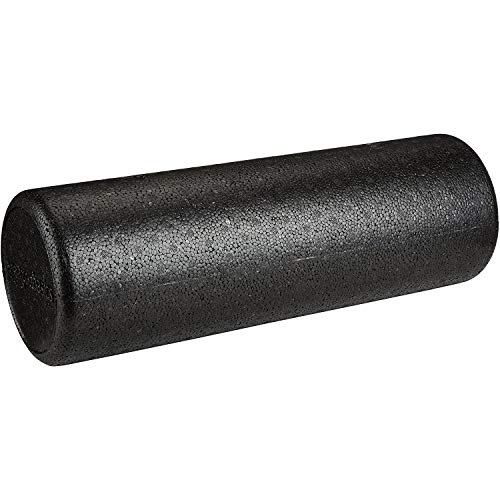
Amazon Basics High-Density Foam Roller for Exercise and Recovery, 18 Inches, Black
High-density foam roller in Black
As an affiliate, we earn on qualifying purchases.
As an affiliate, we earn on qualifying purchases.

Shoulder Dolly Moving Straps – Lifting Strap for 2 Movers – Move, Lift, Carry, And Secure Furniture, Appliances, Heavy, Bulky Objects Safely, Efficiently, More Easily Like The Pros – LD1000
Keep arms/hands free -The Shoulder Dolly recognized the need for your arms to be unconstrained. The need for…
As an affiliate, we earn on qualifying purchases.
As an affiliate, we earn on qualifying purchases.