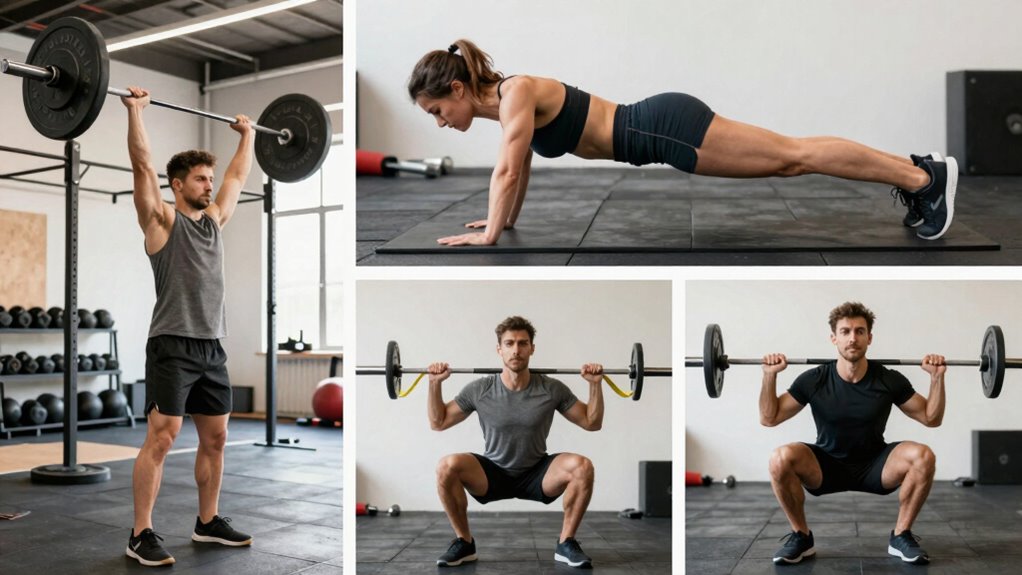

Choosing between full-body and push/pull/legs splits depends on your schedule and goals. Full-body workouts target all major muscles in each session, allowing for frequent training but shorter sessions. Push/pull/legs focuses on specific groups, enabling higher volume and muscle focus, maybe more recovery needed. Both methods promote progression through adding weight or reps, but your recovery and time availability will guide the best choice for you. Keep exploring to find the perfect fit for your progress.
Key Takeaways
- Full-body workouts target all major muscle groups in each session, usually performed three times weekly.
- Push/pull/legs split divides workouts into focused days, allowing higher volume and targeted muscle fatigue.
- Full-body routines promote frequent muscle stimulation and quicker overall progress.
- Push/pull/legs enables more specialized, higher-volume sessions but requires careful recovery planning.
- Choice depends on individual goals, schedule, and recovery capacity for optimal results.
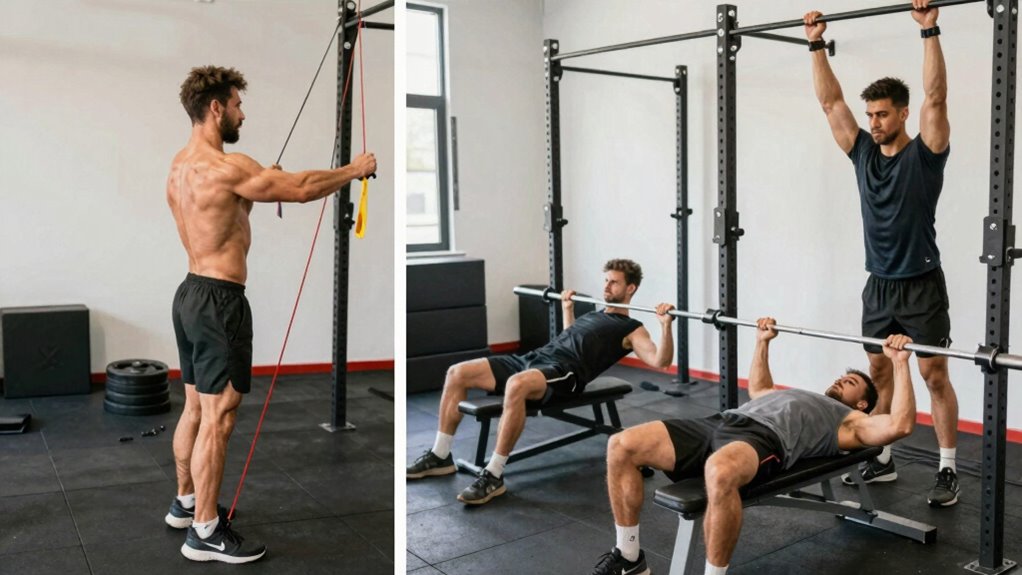
Have you ever wondered how to structure your workouts for maximum results? Choosing the right training split can make a big difference in your progress and overall performance. Two popular options are full-body routines and the push/pull/legs split. Understanding how each works helps you decide which aligns best with your goals and lifestyle. When designing your program, consider progression strategies—how you’ll gradually increase intensity or volume—and recovery techniques, which are essential for muscle repair and growth. Both splits can be effective, but they serve different needs depending on your experience level and schedule.
Full-body workouts involve hitting all major muscle groups in each session, typically performed three times a week. This approach allows for frequent stimulation of muscles, which can accelerate progress, especially for beginners. Progression strategies in this split often focus on increasing the weight, reps, or sets over time, ensuring continuous overload. Since you’re working all muscles each session, recovery techniques become indispensable. You need to plan rest days carefully, allowing at least one full day off between sessions to prevent overtraining and promote muscle repair. Adequate sleep, nutrition, and active recovery methods like stretching or foam rolling support your muscles’ ability to adapt and grow.
In contrast, the push/pull/legs split divides workouts into three categories: pushing movements (chest, shoulders, triceps), pulling movements (back, biceps), and legs. This split allows you to focus more intensely on specific muscle groups during each workout, often leading to higher volume and better muscle fatigue. Progression strategies here typically involve increasing the load or volume within each session, but since you’re training different muscles on different days, you can also incorporate more frequent sessions for each group. Recovery techniques become even more important, especially because some muscle groups get trained twice a week. Proper rest, nutrition, and active recovery are essential to prevent injury and optimize gains.
Both splits can work well, but your choice depends on your schedule, recovery capacity, and goals. If you prefer shorter, more frequent sessions focusing on total body fitness, the full-body approach might suit you best. If you’re aiming for targeted hypertrophy and don’t mind longer workouts, push/pull/legs could be more effective. Whichever you choose, continually applying progression strategies and recovery techniques will keep you progressing without injury. Remember, consistency is key, and listening to your body helps you avoid burnout. Properly structured workouts, combined with smart recovery, will help you reach your fitness goals faster and more sustainably.

Dumbbell Workout Poster Set (2 Pack) – Workout Posters for Home Gym, Volume I & II – 18" x 24" with Enlarged Dumbbell Exercise Charts Illustrations, Home Gym Decor
TOTAL 44 DUMBBELL EXERCISES – Dumbbell workout poster Volume I & II feature a total of 44 dumbbell…
As an affiliate, we earn on qualifying purchases.
As an affiliate, we earn on qualifying purchases.
Frequently Asked Questions
How Do I Choose the Best Training Split for My Goals?
To select the best training split for your goals, consider your workout frequency and muscle targeting. If you want frequent workouts and balanced muscle engagement, a push/pull/legs split works well. For overall strength and efficiency, a full-body routine might suit you better. Think about how much time you can dedicate weekly and which muscles you want to prioritize. Matching your goals with your schedule guarantees consistent progress and avoids burnout.
Can I Combine Different Training Splits in One Program?
Yes, you can combine different training splits in one program to enhance split consistency and workout variety. Mixing splits keeps your routine fresh, prevents plateaus, and targets muscles in different ways. For example, you might do a full-body workout twice a week and add a push/pull/legs split on other days. Just make certain you balance intensity and recovery, so your progress stays steady without overtraining.
How Long Should I Stick With a Particular Split Before Changing?
Think of your training split like a garden; you need to tend it regularly to see growth. Stick with a split for about 6-8 weeks to allow your body to adapt and progress. After that, incorporate progression strategies and workout variety to prevent plateaus. Changing too often can hinder progress, but staying too long can cause stagnation. Listen to your body and adjust as needed for continuous gains.
Are Certain Splits Better for Beginner Athletes?
Yes, certain splits like full body workouts are better for beginner adaptation because they promote balanced muscle development and allow for more frequent practice. Full body splits tend to have higher split effectiveness for beginners, helping you build a solid foundation quickly. As you progress, you can explore other splits. Stick with a split long enough to see consistent improvements before switching to maximize your gains and avoid plateaus.
How Do Recovery Times Differ Between Splits?
Your recovery times vary depending on your training split. Full-body workouts typically require longer recovery periods between sessions because you target multiple muscle groups each day, so muscle recovery takes longer. In contrast, push/pull/legs splits allow for higher training frequency with shorter recovery times for each muscle group, as you focus on different areas on different days. Adjust your schedule based on how quickly your muscles recover to optimize progress.
PPL Workout Log Book: 1-Year Push Pull Legs Gym Tracker: Track Workouts, Water Intake & Monthly Progress | Structured Planner for Strength Training and Consistency
As an affiliate, we earn on qualifying purchases.
As an affiliate, we earn on qualifying purchases.
Conclusion
Choosing the right training split depends on your goals and schedule, but remember, consistency is key. Did you know that people who follow a well-structured workout routine are 30% more likely to stick with their fitness journey? Whether you prefer full-body workouts or push/pull/legs splits, sticking to a plan helps you see progress and stay motivated. Find what works best for you and commit—your future self will thank you!
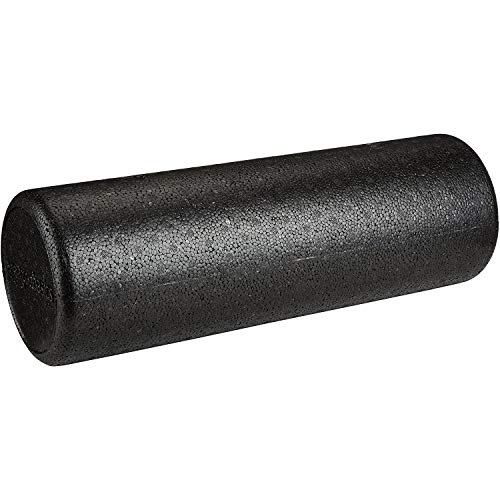
Amazon Basics High-Density Foam Roller for Exercise and Recovery, 18 Inches, Black
High-density foam roller in Black
As an affiliate, we earn on qualifying purchases.
As an affiliate, we earn on qualifying purchases.

AboveGenius Barbell Weight Set, 45 LB Adjustable Free Weights Bar Set for Home Gym Strength Training, Full Body Workout, Muscle Building, Home Fitness Weight Lifting Equipment
Complete 45 LB Adjustable Set: Everything you need to start lifting! This comprehensive home gym package includes three-piece…
As an affiliate, we earn on qualifying purchases.
As an affiliate, we earn on qualifying purchases.