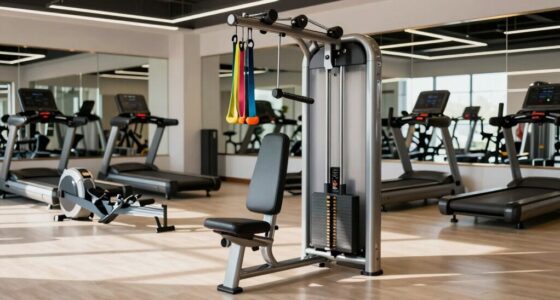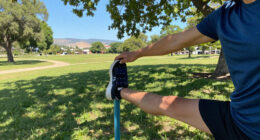
If you’re lifting too heavy, you’ll likely notice your form breaking down, such as back rounding or knees buckling, and trouble completing sets. You might feel sharp pain, joint discomfort, or persistent soreness that doesn’t improve. Performance plateaus and feelings of instability are also warning signs. To avoid injury, pay attention to these signals, focus on controlled movements, and adjust your weight. Keep going, and you’ll discover more tips to stay safe and get stronger.
Key Takeaways
- You struggle to maintain proper form, such as back rounding or knee buckling, indicating the weight may be too heavy.
- Experiencing sharp or persistent pain during or after lifts suggests overexertion or injury risk.
- Noticing a plateau or decline in performance despite increased effort signals overtraining or excessive load.
- Feeling overly fatigued, unstable, or unable to complete sets points to lifting beyond your current capacity.
- Incorporating lighter days, deload weeks, or reducing weight can help prevent injury and promote safe progression.

Pushing yourself in the gym is important for progress, but lifting too heavy can do more harm than good. When you lift weights that are too heavy, your form often suffers, making injury more likely. Proper form isn’t just about looking good; it’s essential for effective training and injury prevention. If you’re sacrificing technique to lift heavier, you risk pulling muscles, straining joints, or even causing more serious injuries. You might notice your back rounding during a deadlift or your knees buckling during a squat—that’s a clear sign you’re pushing past your limits and risking harm. Instead of focusing solely on heavier weights, prioritize maintaining good form with manageable loads, gradually increasing as your strength improves.
Another sign that you’re lifting too heavy is feeling excessive fatigue or pain during or after your workout. If you’re struggling to complete sets without compromising your posture or feeling sharp pain, it’s a red flag. Pain is your body’s way of telling you something’s wrong. When you push beyond your capacity, you may experience joint discomfort, muscle strains, or lingering soreness that doesn’t fade. It’s tempting to think that soreness signifies a good workout, but persistent pain indicates your body is under stress and possibly injured. To prevent injury, listen to these signals. Cutting back on weight and focusing on controlled, deliberate movements helps you avoid overexertion and long-term damage.
You might also notice that your performance plateaus or declines over time. Instead of progressing, you find yourself unable to lift more or perform reps consistently. This could be because you’re overloading your muscles without giving them time to recover. Overtraining with excessively heavy weights hampers your progress and raises injury risk. Incorporating lighter days or deload weeks can help your muscles recover and adapt, ensuring you can lift safely and effectively over the long run. Proper programming that balances heavy lifts with lighter sets is essential for injury prevention and sustained gains.
Ultimately, the key is to gauge your limits honestly. If you feel unstable, overly fatigued, or notice your form breaking down, it’s time to step back and reassess. Lifting heavy isn’t about pushing the absolute maximum every time; it’s about challenging yourself safely and consistently. Prioritize proper form and listen to your body’s cues. Doing so reduces injury risk, allows for steady progress, and keeps you in the gym longer and healthier. Remember, lifting smart beats lifting heavy every time when it comes to achieving your fitness goals.
A helpful way to stay safe is to track your weights and progress regularly, so you can recognize patterns of overexertion early on.
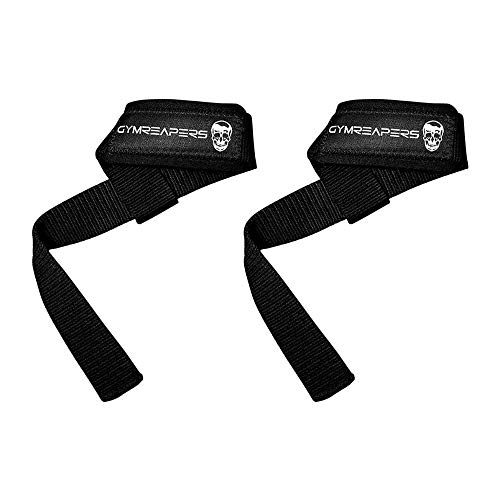
Gymreapers Lifting Wrist Straps for Weightlifting, Bodybuilding, Powerlifting, Strength Training, & Deadlifts – Padded Neoprene with 18" Cotton (Black)
- Durable Cotton Lifting Straps: Secure grip for heavy lifts
- Enhances Grip & Lift Capacity: Reduce forearm fatigue for more reps
- Comfortable Neoprene Wrist Padding: Provides support and prevents irritation
As an affiliate, we earn on qualifying purchases.
As an affiliate, we earn on qualifying purchases.
Frequently Asked Questions
How Can I Prevent Lifting Too Heavy From the Start?
To prevent lifting too heavy from the start, focus on proper warm-up routines to prepare your muscles and joints. Always prioritize technique correction to guarantee you’re using the right form, reducing injury risk. Start with lighter weights and gradually increase as your strength improves. Listening to your body and paying attention to discomfort or fatigue can also help you avoid overloading, keeping your workouts safe and effective.
Are There Specific Signs to Watch for During Workouts?
During your workout, watch for signs like muscle fatigue and form breakdown—these are your body’s signals to make certain. If your muscles feel excessively tired, your technique falters, or your movement becomes unsteady, you’re likely pushing too hard. These signs act as red flags, warning you to reduce weight or rest. Pay close attention, listen to your body, and prioritize proper form to prevent injury and guarantee effective progress.
What Injuries Are Common From Lifting Excessively Heavy Weights?
When lifting excessively heavy weights, you risk muscle strains and joint injuries. Muscle strains happen when your muscles overstretch or tear from the strain, causing pain and weakness. Joint injuries, like ligament sprains or cartilage damage, can also occur if you overload your joints. To prevent these injuries, make certain proper form, gradually increase weight, and listen to your body. Rest and recovery are essential to avoid long-term damage.
When Should I Seek Medical Advice After Lifting Too Heavy?
If you experience persistent muscle fatigue or joint discomfort after lifting, it’s time to seek medical advice. Don’t ignore the warning signs, even if they seem minor at first—these could be signals of serious injury. When pain lingers beyond usual soreness or worsens, your body is telling you to get checked out. Acting promptly can prevent long-term damage and guarantee a safe recovery.
How Can I Safely Increase My Lifting Capacity Over Time?
To safely increase your lifting capacity, focus on progressive overload—gradually adding weight or reps over time. Always prioritize proper technique to prevent injuries and guarantee effective workouts. Listen to your body and avoid rushing increases; give your muscles time to adapt. Incorporate rest days, maintain good form, and track your progress. These steps help you build strength steadily while minimizing the risk of overtraining or injury.

DMoose Fitness Weight Lifting Belt for Squats, Deadlift & Intense Workout – 6" Adjustable Fit Auto Lock Weightlifting Belt for Men & Women – Neoprene Gym Belts for Stability (Black 2.0)
- Premium Material: Neoprene and nylon for durability and flexibility
- 6-Inch Back Support: Provides maximum stability during heavy lifts
- Adjustable Fit: Hook-and-loop closure for a secure, customizable fit
As an affiliate, we earn on qualifying purchases.
As an affiliate, we earn on qualifying purchases.
Conclusion
If you ignore the signs of lifting too heavy, you risk tearing down your body’s foundation. Picture your muscles straining and your form faltering, like a fragile bridge under too much weight. But when you listen to your body, easing up before injury strikes, you’re nurturing your strength and resilience. Remember, true progress comes not from pushing to the point of pain, but from respecting your limits and honoring your journey toward a healthier, stronger you.

Workout Planner for Daily Fitness Tracking & Goals Setting – A5 Size, 6” x 8”, Charcoal Gray – Men & Women Personal Home & Gym Training Diary – Log Book Journal – by Workout Log Gym
- Premium Thick Cover: 500 GSM cover with heavy-duty paper
- Durable Spiral Binding: Double wire spiral for longevity
- Goal Setting Section: Note up to 10 fitness goals with targets
As an affiliate, we earn on qualifying purchases.
As an affiliate, we earn on qualifying purchases.

Yagud Adjustable Dumbbell Set, 52.5/90 lbs Adjustable Weights Dumbbells
- 12-in-1 Quick-Adjust: Adjusts from 7 to 52.5 lbs in 12 increments
- Instant Weight Switching: Single-handed rotation for quick changes
- Safety Lock System: Secure locking during weight adjustments
As an affiliate, we earn on qualifying purchases.
As an affiliate, we earn on qualifying purchases.