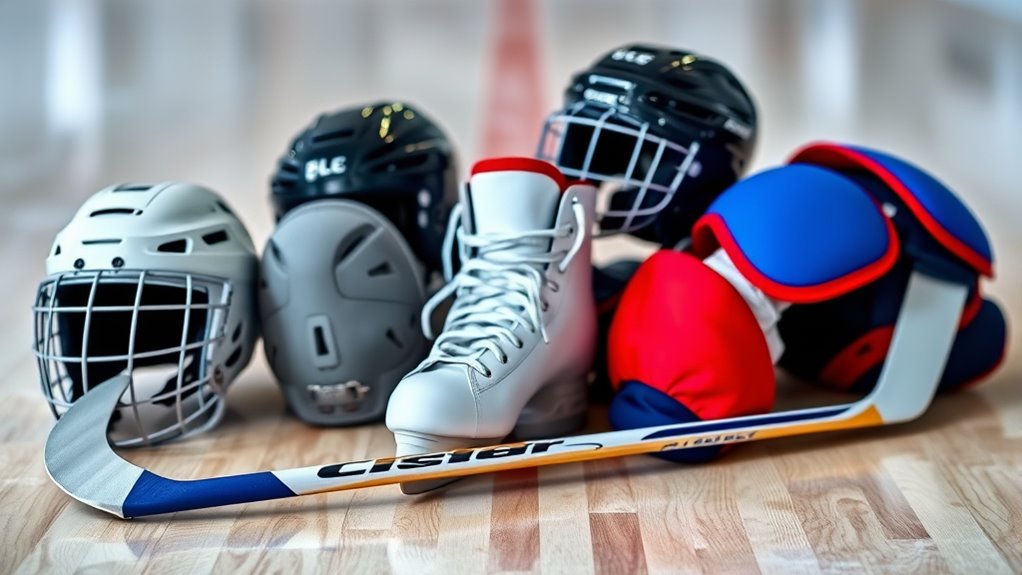

To stay safe while playing hockey, you need essential protective gear. Start with a well-fitted helmet to prevent head injuries. Don’t forget shoulder pads for shock absorption, and shin guards and elbow pads to protect your limbs. Gloves keep your hands safe and ensure a good grip. Finally, choose skates that fit snugly for ankle support. Proper gear enhances your performance and keeps you safe on the ice. There’s more to discover about getting the best fit for each item.
Key Takeaways
- A well-fitted helmet is crucial for head injury prevention, ensuring it sits snugly and securely with adjustable chin straps.
- Comfortable shoulder pads protect against impacts and allow full range of motion for skating and shooting.
- Shin guards should cover the entire shins without slipping, while elbow pads must fit snugly to protect joints during play.
- Gloves enhance grip and dexterity, protecting hands from pucks and sticks while keeping fingers warm.
- Properly fitting skates provide essential ankle support and improve skating technique, ensuring safety and stability on the ice.

When you’re stepping onto the ice for the first time, having the right protective gear is essential. You might feel a mix of excitement and nerves, but knowing you’re protected allows you to focus on improving your skating techniques. Whether you’re gliding around the rink or learning to stop, wearing the appropriate gear can make all the difference in your confidence and safety.
First off, let’s talk about helmets. A well-fitted helmet is non-negotiable; it’s your first line of defense against head injuries. Make sure it sits snugly on your head without being too tight, and adjust the chin strap to keep it secure. Many helmets come with a cage or visor, which protects your face. When you’re still mastering those skating techniques, falls are inevitable, and having a sturdy helmet can prevent serious injuries.
A well-fitted helmet is essential for protection against head injuries while skating, ensuring safety during inevitable falls.
Next, consider shoulder pads. These pads shield you from impacts and help absorb shock if you happen to collide with other players or the boards. Look for options that fit comfortably and allow a full range of motion. You want to be able to skate and shoot without feeling restricted. Remember, the right equipment fit is crucial here; if your pads are too loose, they won’t offer the protection you need.
Don’t forget about shin guards and elbow pads, either. These pieces are vital for safeguarding your limbs during play. Shin guards should cover your entire shin without slipping down, while elbow pads should fit snugly to provide protection without hindering your movement. When practicing skating techniques, you’ll appreciate having your joints protected—especially when you’re learning to fall safely.
A good pair of gloves is also key. They not only protect your hands from pucks and sticks but also keep your fingers warm. Look for gloves that offer a good grip on your stick while allowing for dexterity. You’ll want to feel the stick in your hands as you practice different techniques, so make sure they fit well.
Lastly, invest in a solid pair of skates. The right skates will enhance your skating techniques and provide the support you need. They should fit snugly without pinching your feet, allowing for proper ankle support. When you lace them up, ensure they feel secure but not overly tight. Additionally, choosing gear with high performance ratings can further increase your safety and comfort on the ice.

Hockey Helmet Chin Strap with Stainless Steel Snap (Black)
Chin Strap with Loop Combo
As an affiliate, we earn on qualifying purchases.
As an affiliate, we earn on qualifying purchases.
Frequently Asked Questions
What Is the Average Cost of Hockey Protective Gear?
The average cost of hockey protective gear ranges from $200 to $500, depending on the quality and brand. To guarantee your gear meets safety standards, it’s essential to invest in reputable brands. Don’t forget about gear maintenance—regularly checking and cleaning your equipment can extend its life and performance. By prioritizing safety and upkeep, you’ll not only protect yourself on the ice but also save money in the long run.
Can I Rent Protective Gear Instead of Buying?
Absolutely, you can rent protective gear instead of buying it. Picture yourself gliding onto the ice, fully equipped without the heavy price tag. Renting equipment can save you money, but remember, it often requires some gear maintenance before returning. Make sure everything’s clean and functional, just like the fresh snow beneath your skates. So, if you’re just starting out, renting’s a smart choice to test the waters before committing to a full set of gear.
How Do I Know My Gear Size?
To know your gear size, you should follow the proper fitting and sizing guidelines provided by manufacturers. Start by measuring your height, weight, and specific body dimensions like chest, waist, and inseam. Each brand has its own sizing chart, so compare your measurements to find the best fit. Don’t hesitate to try on different sizes and styles, since comfort and mobility are vital for performance on the ice.
When Should I Replace My Hockey Gear?
If your gear starts looking like it’s been through a time machine, it’s probably time to substitute it. You should swap out your hockey gear every few years or sooner if you notice significant wear. Regular gear maintenance helps extend its life, but damaged equipment won’t meet safety standards. Always check for cracks, tears, or loose straps. Staying proactive keeps you safe on the ice and ensures you play your best game.
Are There Specific Brands Recommended for Beginners?
When you’re starting out, some brand recommendations include CCM, Bauer, and Warrior. These brands offer beginner-friendly options that provide decent protection and comfort without breaking the bank. Look for entry-level models that balance quality and affordability. Many stores also offer package deals, so you can grab everything you need at once. Don’t hesitate to ask for help when choosing the right fit; it makes a big difference in your game!
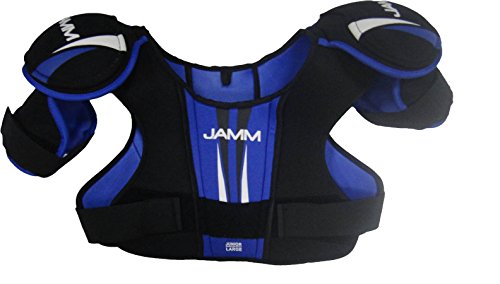
JAMM 5001 Hockey Shoulder Pad Youth, Medium
Full coverage, low profile shoulder caps
As an affiliate, we earn on qualifying purchases.
As an affiliate, we earn on qualifying purchases.
Conclusion
In conclusion, investing in the right protective gear is essential for hockey beginners, just like a knight wouldn’t enter battle without armor. Wearing the proper equipment not only keeps you safe but also boosts your confidence on the ice. As you lace up your skates and hit the rink, remember that being well-protected allows you to focus on improving your skills and enjoying the game. So gear up, have fun, and let the adventure begin!

KNAPPER AK5 Ball Hockey Shin Guards – Pro-Level Protection for Indoor & Outdoor Play, Lightweight Impact-Resistant Design with Adjustable Straps for Comfort, Flexibility & Full-Leg Coverage
PRO-GRADE HOCKEY PROTECTION: Ball Hockey Gear Shin Guards are crafted for players who bring intensity to every game,…
As an affiliate, we earn on qualifying purchases.
As an affiliate, we earn on qualifying purchases.

VPRO Ice Hockey Gloves, 8" to 15" Adult Youth Street Hockeys Gloves Lightweight Breathable for Hockey Players, Kids, Junior & Senior (14")
【5-Layer Ultimate Protection】Nylon shell with shock-absorbing foam and TPU armor plates blocks 99% of impacts. 3D airflow mesh…
As an affiliate, we earn on qualifying purchases.
As an affiliate, we earn on qualifying purchases.