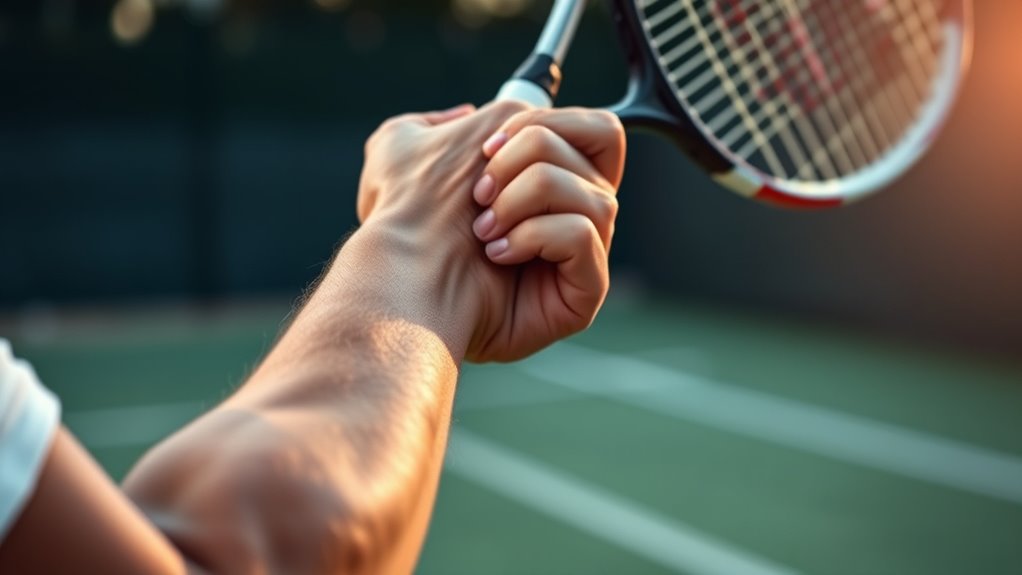

To avoid tennis elbow, choose a lightweight, well-balanced racket with a grip that fits comfortably and offers vibration dampening. Focus on smooth, controlled strokes and keep your grip relaxed to reduce strain. Strengthen your wrists and upper body to better handle impacts. Always warm-up properly and avoid sudden increases in play intensity. Managing your practice load and using proper technique can prevent overuse injuries. Keep exploring for more tips to protect your arm during play.
Key Takeaways
- Use lightweight, well-balanced rackets with appropriate grip sizes and vibration dampening strings to reduce forearm strain.
- Maintain smooth, controlled swings with relaxed grips and proper follow-through to minimize impact stress on the elbow.
- Strengthen wrists and upper body muscles through resistance exercises to improve stability and absorb shock effectively.
- Warm up dynamically before play and cool down afterward to enhance flexibility and prevent muscle tightness.
- Gradually increase training intensity and volume, taking breaks and varying routines to avoid repetitive stress on tendons.

ADV Tennis Dampener with Custom Feel, Racket Shock Absorber to Reduce Vibration and Stay on The Racket, Engineered Poly-Silicone Tennis Racket Dampener, Black, Max Sorb 3-Pack…
Completely Silence Your Racket – This pack of 3 Max Sorb dampeners offers the most vibration dampening on…
As an affiliate, we earn on qualifying purchases.
As an affiliate, we earn on qualifying purchases.
Choose the Right Racket and Equipment
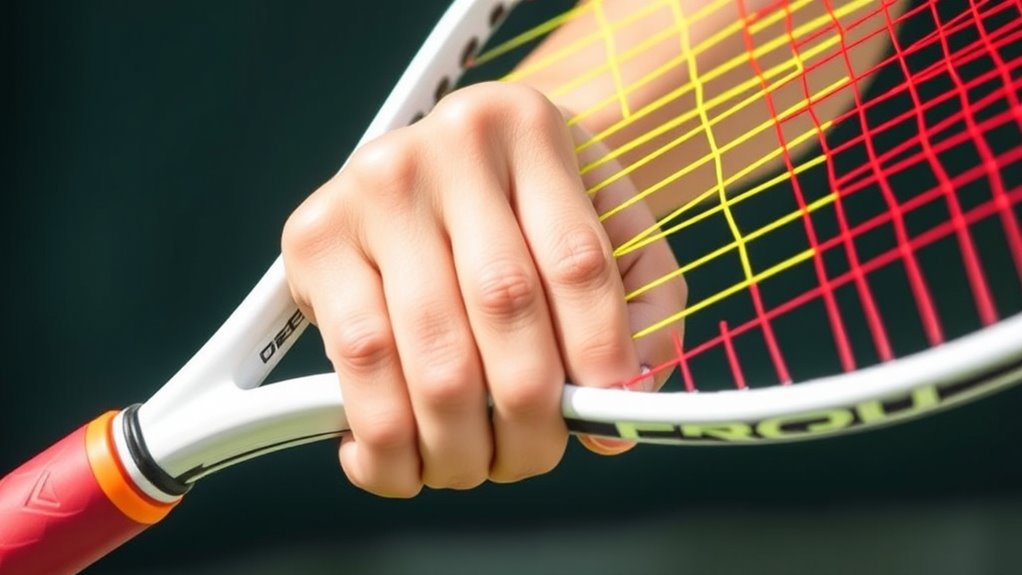
Selecting the right racket and equipment is essential for preventing tennis elbow, as proper gear can considerably reduce impact forces on your arm. You should choose a lightweight or well-balanced racket to lessen shock transmission during strokes. A racket with a grip size that fits your hand comfortably helps you maintain control and reduces excessive force on your forearm muscles. Material composition also matters; grips made from shock-absorbing materials can absorb vibrations better. Adjust string tension to minimize vibrations that travel through the racket to your arm. Quality equipment reduces shock and impact, lowering strain on your elbow joint. Additionally, proper maintenance of your gear ensures consistent performance and injury prevention. Using the right strings can further decrease vibrations and impact forces, protecting your elbow from strain. Choosing equipment with vibration dampening features can also provide extra protection against overuse injuries. Incorporating ergonomic grips can enhance comfort and reduce muscle fatigue during play. By selecting appropriate gear, you create a foundation for safer play and help prevent overuse injuries like tennis elbow. Moreover, selecting ergonomic and well-designed gear can improve overall comfort and reduce fatigue during extended play sessions.
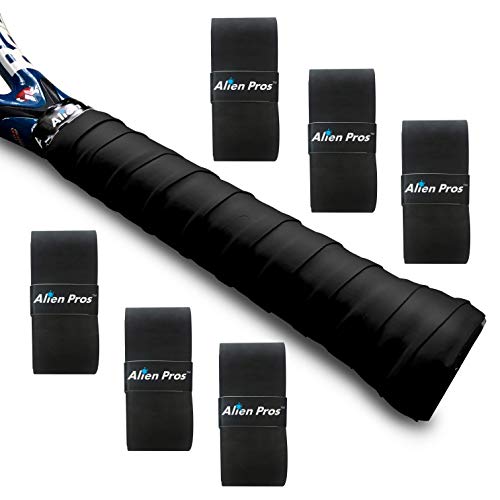
ALIEN PROS Tennis Racket Grip Tape (6 Grips) – Precut and Dry Feel Tennis Grip – Tennis Overgrip Grip Tape Tennis Racket – Wrap Your Racquet for High Performance (6 Grips, Black)
EASY TO INSTALL AND ALREADY PRECUT in less than a minute your racquet will feel like brand new…
As an affiliate, we earn on qualifying purchases.
As an affiliate, we earn on qualifying purchases.
Master Proper Stroke Mechanics and Impact Control
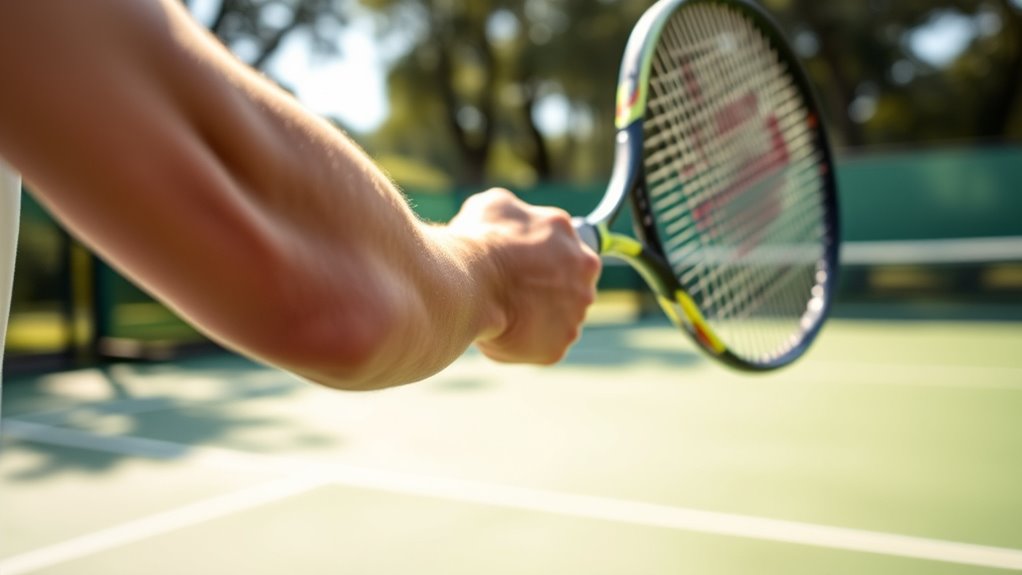
Mastering proper stroke mechanics is crucial for minimizing impact forces that contribute to tennis elbow. When your technique is efficient, you reduce unnecessary strain on your forearm muscles and joints. Focus on smooth, controlled swings rather than brute force, and guarantee your follow-through is fluid. Proper impact control helps distribute forces evenly, lowering the risk of overloading your elbow. Incorporating Free Floating principles can help maintain balance and reduce stress during play. Consider these tips:
- Maintain a relaxed grip to reduce tension during strokes
- Use a full, fluid follow-through to disperse impact
- Keep your wrist stable and avoid abrupt movements
- Ensure proper weight transfer from legs to upper body
- Focus on timing and precision over power to prevent sudden shocks
- Developing muscle memory through consistent practice can enhance your technique and further reduce injury risk. Additionally, paying attention to ergonomic equipment can make a significant difference in injury prevention. Being mindful of proper biomechanics can further optimize your performance and protect your elbows during play. Incorporating correct training techniques can also help build resilience and prevent overuse injuries.

Sleeve Stars Tennis Elbow Brace for Women – Adjustable Tennis Elbow Strap, Golfers Elbow Brace for Men, Counterforce Brace for Tennis Elbow for Tendonitis Relief, Fits 9"-23" (Single/Black)
✅ Eliminate pain & discomfort: This elbow brace for tendonitis and tennis elbow for women and tennis elbow…
As an affiliate, we earn on qualifying purchases.
As an affiliate, we earn on qualifying purchases.
Strengthen Your Wrists and Upper Body

Strengthening your wrists and upper body plays a vital role in preventing tennis elbow by increasing muscular endurance and shock absorption capacity. When your muscles are strong, they better absorb impact forces during strokes, reducing strain on your tendons. Incorporate resisted wrist extension exercises, focusing on eccentric movements to build load tolerance. Use graduated resistance to avoid overloading healing tissues. Strengthening your shoulder and scapular stabilizers also helps distribute forces more evenly across your upper limbs, decreasing stress on your elbow. Regularly perform exercises like shoulder presses and scapular squeezes alongside wrist work. Building overall upper body strength ensures that your muscles support your movements, improve stability, and lessen the repetitive stress that can lead to tennis elbow. Consistent training enhances durability and resilience during play.

25 Pieces Tennis Racket Vibration Dampener Tennis Dampeners/Tennis Racket Shock Absorbing (Blind Box-25pcs)
You will receivea a total of 25 pieces of tennis racket vibration dampeners in different styles,The quantities and…
As an affiliate, we earn on qualifying purchases.
As an affiliate, we earn on qualifying purchases.
Incorporate Effective Warm-Up and Cool-Down Routines
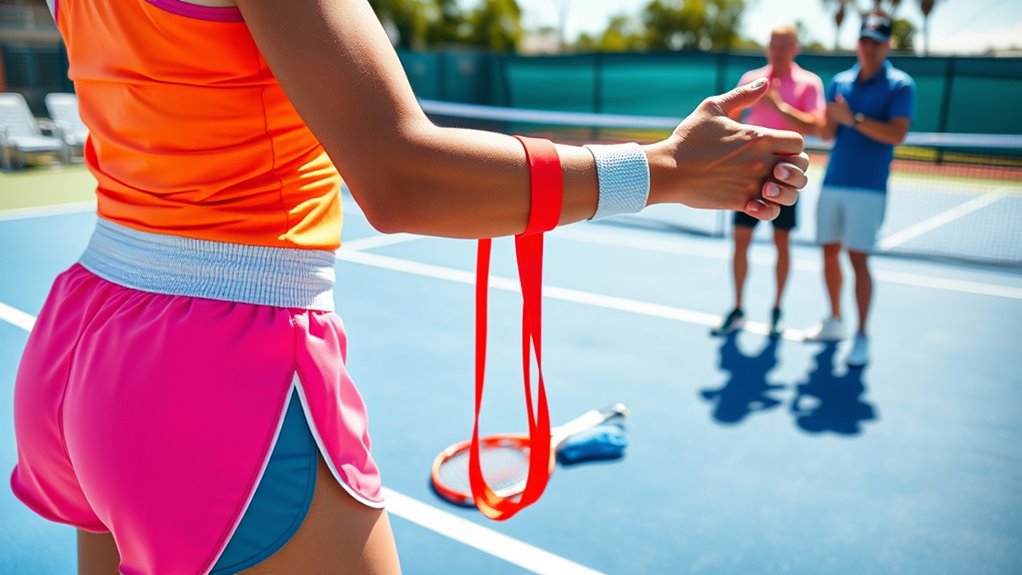
Incorporating effective warm-up and cool-down routines is essential for preventing tennis elbow because they prepare your muscles and connective tissues for activity and aid recovery afterward. A proper warm-up increases blood flow, enhances tissue elasticity, and reduces injury risk, while cool-down helps release tension and minimizes inflammation. To optimize your routines, consider these tips:
- Perform dynamic stretches for your arms and shoulders before playing
- Include light cardio to boost overall blood circulation
- After matches, do static stretching to improve flexibility
- Use gentle massage or foam rolling to ease muscle tightness
- Incorporate gradual intensity increases to prevent sudden stress on tissues
- Paying attention to muscle elasticity can further reduce injury risk and improve performance.
- Regularly inspecting and maintaining your training equipment can help prevent unnecessary strain and injury during play.
- Additionally, staying mindful of your technique can prevent improper movements that contribute to strain.
- Ensuring proper training volume and avoiding overexertion can also play a significant role in injury prevention.
- Engaging in targeted strengthening exercises can bolster muscles and tendons, providing extra support during play.
Consistently following these steps ensures your muscles are ready for play and recover efficiently, lowering the chances of developing tennis elbow.
Manage Play Load and Practice Safely
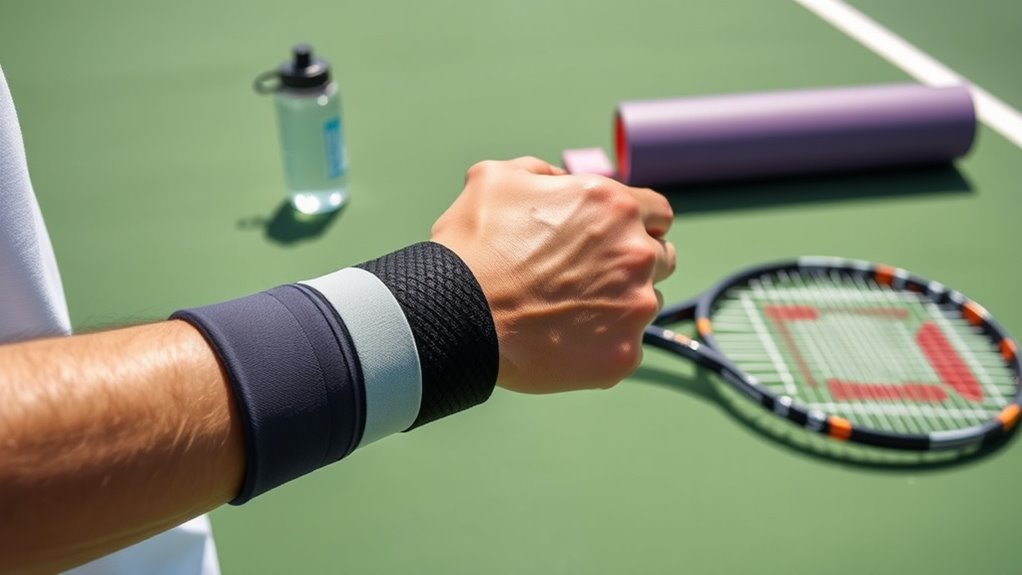
To prevent tennis elbow, managing your play load and practicing safely are essential. You should avoid overdoing it by gradually increasing your practice duration and intensity. Listen to your body and take breaks when you feel fatigue or discomfort, as pushing through pain worsens tissue strain. Incorporate rest days into your schedule to allow recovery and prevent overuse injuries. Vary your training routines and avoid repetitive movements that stress the same muscles and tendons. Use proper technique and equipment to reduce unnecessary strain. Also, consider surface changes—playing on softer courts can lessen impact. Being aware of common goal tracking pitfalls and applying proper practices can help you avoid overuse injuries. Additionally, monitoring your training load with appropriate tools can help prevent overload. Implementing accurate progress monitoring enables you to make informed adjustments and stay within safe limits. Staying informed about athlete-specific considerations, such as your unique biomechanics, can further help you tailor your approach. By controlling your workload and practicing with awareness, you lower your risk of overload and give your muscles and tendons time to adapt and strengthen.
Frequently Asked Questions
How Often Should I Replace My Tennis Racquet to Prevent Elbow Injuries?
You should replace your tennis racquet every 2 to 3 years or when you notice signs of wear, like frayed strings or a warped frame. Using a worn racquet increases shock transmission, putting extra stress on your elbow. Regularly check your racquet’s condition, and don’t hesitate to upgrade if it no longer offers proper balance, string tension, or feels uncomfortable during play. This helps minimize injury risk and maintains your performance.
What Are the Best Grip Sizes for Reducing Stress on the Elbow?
You should choose a grip size that feels comfortable and allows you to hold the racquet firmly without squeezing too tightly. A grip that’s too small causes you to grip harder, increasing stress on your elbow, while a grip that’s too large forces your hand to overcompensate. Measure your hand’s grip size accurately, and try different options to find the one that minimizes strain and promotes proper technique during play.
Which Specific Exercises Best Target Scapular Stabilization for Tennis Players?
Oh, because everyone loves shoulder workouts, right? You should focus on exercises like scapular squeezes, wall slides, and prone Y raises to boost stability. These target the muscles that hold your shoulder blades steady, helping distribute forces more evenly during play. Strengthening your scapular stabilizers reduces unnecessary stress on your elbows and improves overall stroke control, so you can play longer without that nagging pain creeping in.
How Can I Tell if My String Tension Is Contributing to Elbow Pain?
You can tell if your string tension is contributing to elbow pain if you notice increased vibration or shock transferring through your racquet during impact, causing discomfort or soreness in your forearm or elbow. If tightening the strings makes the pain worse or loosening them reduces it, tension is likely a factor. Pay attention to how your arm feels after playing and consider adjusting string tension for better shock absorption.
What Are Signs of Overtraining That Increase Tennis Elbow Risk?
Think of your body as a finely tuned machine. When you push it beyond its limits, like overfilling a tank, you risk leaks and breakdowns. Signs of overtraining include persistent soreness, swelling, and decreased performance—your muscles seem to groan louder, and recovery takes longer. You might notice a dull ache sticking around or feeling more tired than usual. These signals warn you to rest, repair, and prevent more serious injury like tennis elbow.
Conclusion
By blending the right gear with proper technique, you can prevent painful tennis elbow and keep your game great. Focus on fortifying your wrists and shoulders, warming up wisely, and managing your matches mindfully. Remember, consistent care and cautious control keep your sport sustainable and satisfying. Stay savvy with your strokes, and safeguard your structure—so you stay strong, steady, and sore-free on the court. Keep these tips in mind, and enjoy endless enthusiasm in every match!