
The best yoga mat for most people is the Manduka X, a versatile 5 mm option that balances cushioning and everyday fitness use. The Gaiam Dry-Grip is a standout for sweaty sessions, while the Manduka PRO is the premium pick for shoppers who prioritize long-term durability over easy portability. The main tradeoffs are grip versus cushioning, mat weight versus travel convenience, and lower upkeep versus a surface that needs more care. I compared 15 options across those practical differences to help match a mat to your routine. Read on for the full breakdown and picks by buyer type.

Get workout gear delivered free with Prime
- Fast, free delivery on millions of items
- Prime Video, Amazon Music and more included
- Member-only deals all year
Complete the kit


Key Takeaways
- The Manduka X leads as an all-rounder: its 5 mm thickness and fitness-friendly versatility give it broader appeal than the specialist travel mats.
- Grip needs vary by practice: the Gaiam Dry-Grip is the clearest choice for sweaty sessions, while general-purpose mats put more emphasis on everyday versatility.
- More cushioning can mean less portability: thick mats such as the Retrospec Solana and KEEP Extra-Wide suit home comfort better than carrying to class.
- Travel mats make a different compromise: the Manduka eKO SuperLite and GRP Adapt are easier to pack, but their thin profiles offer less padding than standard mats.
- Manduka’s range separates by build and use: the PRO prioritizes a premium, durable studio mat, while the PROlite and Begin offer lighter or more beginner-friendly alternatives.
| Manduka X Yoga and Fitness Mat, 71 x 24 Inches, 5 mm |  | Best for Yoga and Cross-Training | Dimensions: 71 x 24 inches (180 x 61 cm) | Thickness: 5 mm | Weight: 3.4 lb (1.5 kg) | VIEW LATEST PRICE | See Our Full Breakdown |
| Gaiam Premium Printed Yoga Mat, 6mm Thick |  | Best Value for Everyday Classes | Material: Polyvinyl chloride (PVC) | Dimensions: 68 x 24 inches | Thickness: 6 mm | VIEW LATEST PRICE | See Our Full Breakdown |
| Manduka PROlite Yoga Mat, 4.7 mm |  | Best for Stable Studio Practice | Material: Latex-free polyvinyl chloride (PVC) | Thickness: 4.7 mm (0.18 in) | Dimensions: 71 x 24 inches | VIEW LATEST PRICE | See Our Full Breakdown |
| Gaiam Thick Yoga Mat, Exercise & Fitness Mat with Easy-Cinch Carrying Strap | 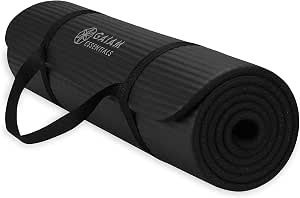 | Best for Joint Cushioning | Material: Nitrile Butadiene Rubber (NBR) foam | Dimensions: 72 x 24 inches | Thickness: 10 mm (0.39 in) | VIEW LATEST PRICE | See Our Full Breakdown |
| Manduka PRO Yoga Mat – 6mm | Lifetime Durability | Hygienic Construction | Premium Studio Quality | Teacher Approved |  | Best Premium Mat for a Dedicated Practice Space | Material: Polyvinyl chloride (PVC), latex-free | Dimensions: 71 x 26 inches | Thickness: 6 mm (0.24 in) | VIEW LATEST PRICE | See Our Full Breakdown |
| Manduka eKO SuperLite Travel Yoga Mat |  | Best for Sustainable Travel | Material: Sustainably harvested natural tree rubber | Thickness: 1.5 mm | Dimensions: 71 x 24 inches | VIEW LATEST PRICE | See Our Full Breakdown |
| Gaiam Classic Print Yoga Mat, 4 mm |  | Best Lightweight Everyday Pick | Material: Polyvinyl chloride (PVC) | Dimensions: 68 x 24 inches | Thickness: 4 mm | VIEW LATEST PRICE | See Our Full Breakdown |
| Retrospec Solana Extra-Thick Non-Slip Yoga Mat with Carrying Strap |  | Best for Maximum Cushioning | Material: Foam | Dimensions: 72 x 24 x 1 inches | Weight: 2.2 pounds | VIEW LATEST PRICE | See Our Full Breakdown |
| Gaiam Premium Reversible 6mm Yoga Mat, 68 x 24 Inches |  | Best for Extra Cushioning in a Standard Mat | Material: Polyvinyl chloride (PVC) | Dimensions: 68 x 24 inches | Thickness: 6 mm | VIEW LATEST PRICE | See Our Full Breakdown |
| Manduka GRP Adapt Travel Yoga Mat 71″ – 1.5mm |  | Best for Sweaty Travel Practice | Material: Polyurethane and rubber | Dimensions: 71 x 24 x 0.06 inches | Thickness: 1.5 mm | VIEW LATEST PRICE | See Our Full Breakdown |
| Amazon Basics Extra Thick Exercise Yoga Mat with Carrying Strap |  | Best for Extra Cushioning | Material: 100% NBR foam | Dimensions: 73.2 x 24.3 inches | Thickness: 0.5 inch | VIEW LATEST PRICE | See Our Full Breakdown |
| Gruper Non-Slip TPE Yoga Mat with Carrying Strap and Bag |  | Best for Grip and Carrying Accessories | Material: Thermoplastic elastomer (TPE) | Dimensions: 72 x 24 inches (183 x 61 cm) | Thickness options: 6 mm or 8 mm | VIEW LATEST PRICE | See Our Full Breakdown |
| Gaiam Dry-Grip Yoga Mat |  | Best for Sweaty Sessions | Material: Polyvinyl chloride (PVC) | Dimensions: 68 x 24 inches | Thickness: 0.2 inch | VIEW LATEST PRICE | See Our Full Breakdown |
| KEEP Extra-Wide Yoga Mat, 72 x 32 Inches, 7 mm Thick |  | Best for Extra-Wide Practice Space | Material: Thermoplastic elastomer (TPE) | Dimensions: 72 x 32 inches | Thickness: 7 mm (0.28 inch) | VIEW LATEST PRICE | See Our Full Breakdown |
| Manduka Begin Yoga Mat 68″ – 5mm Cushioning | Comfortable, Lightweight & Reversible with Alignment Stripe | Budget-Friendly | 68 x 24 inches |  | Best for Beginners | Material: Product information lists TPE and latex-free natural rubber | Dimensions: 68 x 24 inches | Thickness: 5 mm (0.2 inch) | VIEW LATEST PRICE | See Our Full Breakdown |
| yoga mat | Dimensions | Weight | Material | Care |
|---|---|---|---|---|
| Manduka X Yoga and Fitness Mat | 71 x 24 inches (180 x 61 cm) | 3.4 lb (1.5 kg) | — | — |
| Gaiam Premium Printed Yoga Mat | 68 x 24 inches | 3.1 lb | Polyvinyl chloride (PVC) | Spot clean with damp cloth, cold water, and mild detergent; dry flat; avoid prolonged sun exposure |
| Manduka PROlite Yoga Mat | 71 x 24 inches | 4.6 lb | Latex-free polyvinyl chloride (PVC) | Hand wash; hang dry |
| Gaiam Thick Yoga Mat | 72 x 24 inches | 3.11 lb (1.27 kg) | Nitrile Butadiene Rubber (NBR) foam | Wipe clean with a damp cloth |
| Manduka PRO Yoga Mat | 71 x 26 inches | 7.5 lb (3.4 kg) | Polyvinyl chloride (PVC), latex-free | Hand wash; hang dry |
| Manduka eKO SuperLite Travel Y | 71 x 24 inches | 2 pounds | Sustainably harvested natural tree rubber | Hand wash; avoid soaking, sun exposure, and soap |
| Gaiam Classic Print Yoga Mat | 68 x 24 inches | 2.1 pounds | Polyvinyl chloride (PVC) | Spot clean with cold water and mild detergent; dry flat; avoid prolonged sun exposure |
| Retrospec Solana Extra-Thick N | 72 x 24 x 1 inches | 2.2 pounds | Foam | Wipe with gentle soap and water; do not submerge |
| Gaiam Premium Reversible 6mm Y | 68 x 24 inches | 3.1 pounds | Polyvinyl chloride (PVC) | Hand wash only |
| Manduka GRP Adapt Travel Yoga | 71 x 24 x 0.06 inches | 0.8 kg | Polyurethane and rubber | Hand wash only; hang dry |
| Amazon Basics Extra Thick Exer | 73.2 x 24.3 inches | 1 kg | 100% NBR foam | Hand wash only |
| Gruper Non-Slip TPE Yoga Mat w | 72 x 24 inches (183 x 61 cm) | — | Thermoplastic elastomer (TPE) | Hand clean with a damp cloth or mild detergent; dry flat |
| Gaiam Dry-Grip Yoga Mat | 68 x 24 inches | 4.8 pounds | Polyvinyl chloride (PVC) | Hand wash only |
| KEEP Extra-Wide Yoga Mat | 72 x 32 inches | 2.86 pounds | Thermoplastic elastomer (TPE) | Hand wash or spot clean; lay flat to dry |
| Manduka Begin Yoga Mat 68" | 68 x 24 inches | 2.1 pounds | Product information lists TPE and latex-free natural rubber | Hand wash; avoid soaking or submerging |
More Details on Our Top Picks
Manduka X Yoga and Fitness Mat, 71 x 24 Inches, 5 mm
The Manduka X is the most versatile pick here for people who move between yoga and strength or cardio sessions. Its 5 mm cushioning offers joint support without the plush, less stable feel of Gaiam’s 10 mm NBR foam mat, while the crosshatch surface is designed for grip during dry workouts. At 3.4 pounds, it is easier to carry than the heavier Manduka PRO, making it a more practical choice for taking to class or outside. The closed-cell construction helps keep sweat from soaking into the mat, but it does not make the surface suited to wet or sweaty practice. Choose it for a durable, multipurpose mat; skip it if you want thick padding or reliable wet grip.
Pros:- 5 mm thickness balances cushioning with a stable feel for varied workouts.
- Crosshatch texture is designed to provide dry grip.
- Closed-cell construction helps keep sweat out of the mat.
- At 3.4 pounds, it is lighter than the Manduka PRO.
Cons:- Dry-grip design is a limitation for hot yoga or notably sweaty practice.
- Should not be soaked or submerged, so cleaning calls for a damp cloth and mat wash.
Best for: Yoga practitioners who also do Pilates, cardio, or strength workouts and want one relatively light mat for several routines.
Not ideal for: People who need plush cushioning for sensitive joints or want dependable traction during hot, sweaty sessions.
- Dimensions:71 x 24 inches (180 x 61 cm)
- Thickness:5 mm
- Weight:3.4 lb (1.5 kg)
- Surface:Crosshatch texture
- Construction:Double-Weave scrim; closed-cell
- Grip:Dry grip
- Material notes:Latex-free; vegan-friendly
Our verdict“Choose the Manduka X if you want a portable mat for dry yoga and cross-training, rather than deep cushioning or wet-practice grip.”
Gaiam Premium Printed Yoga Mat, 6mm Thick
For a standard home or studio routine, the Gaiam Premium Printed Mat pairs 6 mm cushioning with a textured surface, giving it a softer feel than the 5 mm Manduka X without the bulk of the 10 mm Gaiam Thick Mat. Its 68-inch length is shorter than the 71-inch Manduka options, so taller practitioners may prefer those longer mats. The PVC surface is made without six specified phthalates, and the mat suits yoga, Pilates, and floor workouts. There is an initial tradeoff: the manufacturer recommends airing it out for 2–3 days to reduce odor. It also needs protection from prolonged sunlight, which can fade or damage the material. This is a practical everyday pick, not the best fit for buyers who want a longer or natural-feeling surface.
Pros:- 6 mm thickness adds cushioning compared with the 5 mm Manduka X.
- Textured surface is designed to provide traction.
- Made without DEHP, DBP, BBP, DINP, DIDP, and DNOP.
- Suitable for yoga, Pilates, and floor workouts.
Cons:- May have a strong odor when first unwrapped and needs 2–3 days of airing.
- At 68 inches, it is shorter than the 71-inch Manduka X and PROlite.
- Prolonged sun exposure may cause fading and brittleness.
Best for: New and regular home-practice users who want extra cushioning for yoga, Pilates, and floor exercises in a conventional 68-inch mat.
Not ideal for: Taller practitioners who want more length, or buyers sensitive to initial PVC odor and unwilling to air out the mat.
- Material:Polyvinyl chloride (PVC)
- Dimensions:68 x 24 inches
- Thickness:6 mm
- Weight:3.1 lb
- Surface:Textured, non-slip
- Color:Midnight Mandala
- Care:Spot clean with damp cloth, cold water, and mild detergent; dry flat; avoid prolonged sun exposure
- Included:Yoga mat; downloadable yoga workout
- Warranty:Lifetime warranty
Our verdict“Pick this Gaiam if you want a cushioned, multipurpose 68-inch mat and can give it time to air out before use.”
Manduka PROlite Yoga Mat, 4.7 mm
The Manduka PROlite favors a firm, supportive platform over the extra-soft feel of Gaiam’s 10 mm NBR mat. Its dense 4.7 mm cushioning is suited to standing poses and practice on varied surfaces, while the closed-cell material helps keep moisture out. At 4.6 pounds, it is heavier than the 3.4-pound Manduka X, so it is less appealing for frequent carrying even though it is positioned as a multipurpose mat. The latex-free PVC is certified to STANDARD 100 by OEKO-TEX and handmade in Germany. The main catch is grip: it improves with use, so the surface may not feel ready for those seeking immediate traction. This makes more sense for a stable, durable studio mat than a soft or ready-to-grip option.
Pros:- Dense cushioning supports joints while maintaining a stable base.
- Closed-cell construction helps keep moisture out.
- Latex-free PVC is certified to STANDARD 100 by OEKO-TEX.
- At 4.7 mm, it provides a firmer feel than Gaiam’s 10 mm foam mat.
Cons:- Grip improves with use, so it may need a break-in period.
- At 4.6 pounds, it is heavier than the Manduka X.
- Hand-wash and hang-dry care is less convenient than a simple wipe-clean mat.
Best for: Yoga practitioners who prioritize a dense, stable surface for regular studio or home practice and are willing to break in the mat.
Not ideal for: Commuters seeking the lightest option, or beginners who want immediate grip and plush cushioning.
- Material:Latex-free polyvinyl chloride (PVC)
- Thickness:4.7 mm (0.18 in)
- Dimensions:71 x 24 inches
- Weight:4.6 lb
- Construction:Handmade in Germany; closed-cell material
- Certification:STANDARD 100 by OEKO-TEX
- Color:Indulge
- Care:Hand wash; hang dry
Our verdict“Choose the PROlite for dense support and a steady practice surface if you can accept its break-in period and added carry weight.”
Gaiam Thick Yoga Mat, Exercise & Fitness Mat with Easy-Cinch Carrying Strap
With 10 mm of NBR foam, this Gaiam is the comfort-first choice in the group. It cushions knees, hips, and other pressure points on hard floors more than the 6 mm Gaiam Premium Printed Mat, but that softness comes at the cost of a firmer, more grounded feel for standing balance poses. Its 72 x 24-inch size and included strap suit home workouts and moving the mat between rooms; at about 3.11 pounds, it is manageable to carry. The textured surface is intended to reduce slipping during dry workouts, not to guarantee grip during sweaty practice. The foam can also have an initial odor, which usually fades after airing for 24–48 hours. Pick it for floor-based routines and joint comfort, not precise balance work.
Pros:- 10 mm NBR foam provides more padding than the 6 mm Gaiam Premium Printed Mat.
- 72-inch length offers more room than the 68-inch Gaiam Premium Printed Mat.
- Textured surface is intended to reduce slipping on most hard floors during dry workouts.
- Includes an adjustable carrying strap and wipes clean with a damp cloth.
Cons:- Soft, thick foam can feel less firm for standing balance work.
- Initial foam odor may need 24–48 hours of airing to fade.
- Dry-workout surface may not suit sweaty or hot-yoga practice.
Best for: Beginners, people with sensitive knees or hips, and home exercisers doing Pilates, stretching, or low-impact yoga on hard floors.
Not ideal for: Practitioners focused on standing balance poses, hot yoga, or a firm surface with less cushioning.
- Material:Nitrile Butadiene Rubber (NBR) foam
- Dimensions:72 x 24 inches
- Thickness:10 mm (0.39 in)
- Weight:3.11 lb (1.27 kg)
- Surface:Textured foam
- Included:Adjustable carrying strap
- Care:Wipe clean with a damp cloth
- Color:Black
Our verdict“Choose this Gaiam for extra cushioning during low-impact and floor-based workouts, not for a firm platform for balance-heavy yoga.”
Manduka PRO Yoga Mat – 6mm | Lifetime Durability | Hygienic Construction | Premium Studio Quality | Teacher Approved
The Manduka PRO is the most substantial studio-style option in this group: its 6 mm dense cushioning and 26-inch width provide a supportive, roomy platform, while the bottom’s dot pattern helps keep the mat from sliding on the floor. Compared with the lighter Manduka X, it offers more width and thickness but weighs 7.5 pounds, a clear drawback for regular commutes. Its closed-cell surface is designed to seal out moisture, and the latex-free PVC is OEKO-TEX certified. The tradeoff is a heavyweight build that is better suited to a dedicated home or studio space than frequent travel. Choose it for stable, spacious practice and long-term use; skip it if easy portability matters more than a substantial base.
Pros:- 6 mm dense cushioning offers support for joints and a stable practice surface.
- 26-inch width gives more room than the 24-inch Manduka X and PROlite.
- No-slip dot pattern on the bottom helps the mat stay put on the floor.
- Closed-cell surface and latex-free, OEKO-TEX-certified PVC.
Cons:- At 7.5 pounds, it is substantially heavier than the Manduka X and PROlite.
- The closed-cell surface is designed to resist moisture, not absorb it.
- Hand-wash and hang-dry care takes more effort than wiping down a mat.
Best for: Dedicated home practitioners and studio users who want a wide, supportive mat and do not need to carry it long distances.
Not ideal for: Commuters, travel yogis, or anyone who prefers a lighter mat such as the Manduka X.
- Material:Polyvinyl chloride (PVC), latex-free
- Dimensions:71 x 26 inches
- Thickness:6 mm (0.24 in)
- Weight:7.5 lb (3.4 kg)
- Construction:Closed-cell surface
- Bottom:No-slip dot pattern
- Certification:OEKO-TEX certified
- Care:Hand wash; hang dry
- Manufacturing:Made in an emissions-free German facility
Our verdict“Choose the Manduka PRO for a wide, stable mat in a regular practice space, and choose the Manduka X instead if you need easier portability.”
Manduka eKO SuperLite Travel Yoga Mat
The eKO SuperLite makes the most sense for travelers who want a natural-rubber mat that packs down more easily than a cushioned studio mat. At 1.5 mm thick, it folds for a suitcase and weighs 2 pounds, while the textured surface provides grip and its closed-cell construction helps keep moisture out. Compared with the Manduka GRP Adapt Travel Yoga Mat, this model emphasizes sustainably harvested tree rubber and moisture-resistant construction; the GRP Adapt instead adds a sweat-absorbing scrim and a specialized Satin Grip top layer. The main compromise here is comfort: 1.5 mm offers little padding on hard floors, especially for kneeling poses. Its cleaning rules are also restrictive, since it should not be soaked, exposed to sun, or cleaned with soap. I’d choose it for packability and material preference, not cushioning.
Pros:- Foldable, travel-friendly design
- Textured surface provides grip
- Made from sustainably harvested natural tree rubber
- Closed-cell construction helps keep moisture out
Cons:- At 1.5 mm, provides limited cushioning on hard floors
- Care instructions rule out soaking, soap, and sun exposure
Best for: Traveling yogis who want a foldable natural-rubber mat for practice on carpet or other moderately forgiving surfaces.
Not ideal for: People with sensitive knees or anyone who needs a padded mat for long sessions on hard floors.
- Material:Sustainably harvested natural tree rubber
- Thickness:1.5 mm
- Dimensions:71 x 24 inches
- Weight:2 pounds
- Surface:Textured orange-peel grip
- Construction:Closed-cell surface
- Latex content:99% latex-free
- Care:Hand wash; avoid soaking, sun exposure, and soap
Our verdict“Choose the eKO SuperLite if a foldable natural-rubber mat matters more to you than cushioning.”
Gaiam Classic Print Yoga Mat, 4 mm
The Gaiam Classic Print is a practical middle ground for home practice: its 4 mm thickness adds more cushioning than the 1.5 mm Manduka travel mats, without the bulk of the 1-inch Retrospec Solana. The textured surface is intended to help with grip during yoga, Pilates, and floor workouts, and its 2.1-pound weight is manageable for carrying to a studio. It is also made without six specified phthalates and comes with a downloadable yoga workout. Those conveniences come with modest padding rather than plush support, so buyers seeking joint relief should look at the thicker Gaiam Premium Reversible 6mm instead. A harmless odor may be present when unwrapped; plan to air the mat out for two to three days. Sun exposure can also fade or make it brittle, so outdoor storage is a poor fit.
Pros:- Lightweight at 2.1 pounds
- 4 mm thickness balances cushioning and portability
- Textured surface is designed for grip
- Made without six specified phthalates and includes a downloadable workout
Cons:- May have an odor when first unwrapped and needs airing out
- Less cushioning than the Gaiam Premium Reversible 6mm
- Prolonged sun exposure may cause fading and brittleness
Best for: New or occasional home practitioners who want a light, multipurpose mat with moderate cushioning and a textured surface.
Not ideal for: Yogis who need substantial joint cushioning or want a mat they can leave in direct sunlight.
- Material:Polyvinyl chloride (PVC)
- Dimensions:68 x 24 inches
- Thickness:4 mm
- Weight:2.1 pounds
- Surface:Textured, non-slip
- Phthalates:Free of DEHP, DBP, BBP, DINP, DIDP, and DNOP
- Care:Spot clean with cold water and mild detergent; dry flat; avoid prolonged sun exposure
- Color:Pink Marrakesh
Our verdict“Pick this Gaiam for lightweight home and studio use if moderate padding is enough.”
Retrospec Solana Extra-Thick Non-Slip Yoga Mat with Carrying Strap
For buyers who put joint cushioning ahead of portability, the Retrospec Solana is the clear outlier in this group. Its 1-inch foam construction is far thicker than the 4 mm Gaiam Classic Print or the 6 mm Gaiam Premium Reversible, giving knees and hips more separation from the floor during low-impact exercise. The non-slip surface and included nylon strap make it usable for home routines and carrying between locations, while the material is listed as free of BPA, phthalates, heavy metals, and latex. That generous padding also changes how it fits into a yoga practice: standing poses can feel less connected to the floor, and its thickness makes it less convenient to pack than either Manduka travel mat. The mat may release an odor at first, and cleaning requires wiping rather than submerging it.
Pros:- 1-inch foam provides substantial cushioning for pressure points
- Non-slip surface is designed to support grip and stability
- Nylon carrying strap is included
- Free of BPA, phthalates, heavy metals, and latex
Cons:- Much bulkier than the Gaiam Classic Print and Manduka travel mats
- Extra thickness may feel less stable for standing balance poses
- May have an initial odor and must not be submerged for cleaning
Best for: Home exercisers with sensitive knees or hips who prioritize thick padding for floor work and restorative poses.
Not ideal for: Travelers and balance-focused practitioners who want a thin mat that packs easily and keeps them close to the floor.
- Material:Foam
- Dimensions:72 x 24 x 1 inches
- Weight:2.2 pounds
- Surface:Non-slip
- Included accessory:Nylon carrying strap
- Chemical content:Free of BPA, phthalates, heavy metals, and latex
- Care:Wipe with gentle soap and water; do not submerge
- Color:Boysenberry
Our verdict“Choose the Solana for padded home floor work if portability and a close-to-the-floor feel are secondary.”
Gaiam Premium Reversible 6mm Yoga Mat, 68 x 24 Inches
The Gaiam Premium Reversible 6mm adds a useful cushion upgrade over the 4 mm Gaiam Classic Print while staying far less bulky than the 1-inch Retrospec Solana. Its 6 mm thickness can make kneeling and seated poses more comfortable without turning the mat into a heavily padded floor surface. Both sides have a printed design, so reversing it offers a simple change of look rather than a different thickness or practice feel. The textured, non-slip surface is intended to provide traction, and the mat is made without seven specified phthalates. The tradeoffs are its 3.1-pound weight and hand-wash-only care, which make it less convenient to carry and clean than the lighter Classic Print. Like that Gaiam model, it may also need two to three days of airing after unwrapping.
Pros:- 6 mm cushioning supports knees and other pressure points
- Textured, non-slip surface is designed for traction
- Reversible two-sided print gives two design options
- Made without seven specified phthalates
Cons:- Heavier than the Gaiam Classic Print at 3.1 pounds
- Hand-wash-only care takes more effort
- May have an initial odor and need airing for two to three days
Best for: Home or studio yogis who want more joint cushioning than a 4 mm mat provides but do not want an extra-thick foam model.
Not ideal for: Frequent commuters seeking a lightweight mat or buyers who prefer low-maintenance cleaning.
- Material:Polyvinyl chloride (PVC)
- Dimensions:68 x 24 inches
- Thickness:6 mm
- Weight:3.1 pounds
- Surface:Textured, non-slip
- Design:Reversible, two-sided print
- Phthalates:Free of seven specified phthalates
- Care:Hand wash only
Our verdict“Choose this Gaiam if you want extra cushioning for regular practice without the bulk of a 1-inch mat.”
Manduka GRP Adapt Travel Yoga Mat 71″ – 1.5mm
The Manduka GRP Adapt Travel is the travel pick for people who want a grippy surface during sweat-heavy sessions, rather than the natural-rubber emphasis of the eKO SuperLite. Its Satin Grip top layer is designed to provide traction without a separate towel, while the Moisture Flow scrim absorbs sweat to help keep the surface dry. At 1.5 mm and 0.8 kg, it folds down for travel and weighs slightly less than the eKO, but both mats sacrifice padding for portability. That makes this a weaker choice for kneeling poses on hard floors, even if the surface features suit hot yoga better. Care is another tradeoff: it calls for hand washing and hang drying, with soap, machine washing, and sunlight ruled out in the supplied care guidance. I’d favor it for grip and sweat management, not comfort or simple maintenance.
Pros:- Satin Grip top layer is designed to provide traction without a towel
- Moisture Flow scrim absorbs sweat to help keep the surface dry
- Thin, foldable design weighs 0.8 kg
- Described as suitable for yoga styles from yin to hot yoga
Cons:- At 1.5 mm, offers little cushioning for hard-floor practice
- Specific hand-wash and hang-dry care limits cleaning convenience
- Less focused on natural tree-rubber material than the Manduka eKO SuperLite
Best for: Traveling hot-yoga practitioners who want a foldable mat with a sweat-focused surface and do not need much padding.
Not ideal for: People with sensitive knees, buyers seeking extra cushioning, or anyone wanting straightforward machine-washable care.
- Material:Polyurethane and rubber
- Dimensions:71 x 24 x 0.06 inches
- Thickness:1.5 mm
- Weight:0.8 kg
- Surface:Satin Grip top layer
- Moisture management:Moisture Flow scrim absorbs sweat
- Care:Hand wash only; hang dry
- Color:Dark Lotus
Our verdict“Choose the GRP Adapt Travel if sweat grip is your priority and you can accept minimal cushioning and careful cleaning.”
Amazon Basics Extra Thick Exercise Yoga Mat with Carrying Strap
The 0.5-inch NBR foam makes this a better fit for floor-based yoga, gentle stretching, and exercise routines where knee and back comfort take priority over a close-to-the-floor feel. At 73.2 inches long, it also gives taller practitioners more room than the 68-inch Manduka Begin. The tradeoff is substantial padding: balancing poses may feel less stable than on the thinner Manduka Begin or Gaiam Dry-Grip, and the listing does not specify a textured grip surface. Its 1 kg weight is manageable for carrying, but the thicker foam takes up more space when rolled. I’d choose this for cushioning at home rather than for a compact, grip-focused studio mat.
Pros:- Half-inch NBR foam offers substantial cushioning for joints on hard floors.
- At 73.2 inches long, it is longer than the 68-inch Manduka Begin.
- Light 1 kg listed weight makes it manageable to carry.
- Includes a carrying strap.
Cons:- Thick foam can make balance poses feel less grounded than on thinner mats.
- No textured or moisture-wicking grip feature is specified.
- Hand-wash-only care and the thick roll may be less convenient for frequent studio trips.
Best for: Home practitioners who want generous padding for kneeling poses, stretching, or floor exercises and prefer a longer mat.
Not ideal for: Yoga students focused on standing balance or reliable sweaty-session traction, since this thick mat has no specified grip texture and may feel less stable.
- Material:100% NBR foam
- Dimensions:73.2 x 24.3 inches
- Thickness:0.5 inch
- Weight:1 kg
- Color:Black
- Care:Hand wash only
- Included accessory:Carrying strap
Our verdict“Choose this mat if plush cushioning and extra length matter more than compact storage or a firm, grip-focused surface.”
Gruper Non-Slip TPE Yoga Mat with Carrying Strap and Bag
The Gruper’s strongest distinction is its textured grip on both sides, paired with a carrying strap and storage bag. That combination suits people who take their mat between home and class and want more surface traction than the Amazon Basics NBR mat specifies. It is also available in 6 mm and 8 mm versions, so buyers can choose a firmer platform or more padding; the thicker option weighs 3.1 pounds, though, making it less appealing for regular carrying than the 2.6-pound version. The TPE double-layer construction is designed to resist tearing and deformation, but shoes or pets’ paws can still damage it. Hand cleaning and flat drying also rule out a carefree wash routine.
Pros:- Textured, non-slip surfaces on both sides offer grip whichever side is used.
- Two thickness options let buyers prioritize firmer footing or extra cushioning.
- Double-layer construction is designed to resist tearing and deformation.
- Includes both a carrying strap and a storage bag.
Cons:- Shoes and pets’ paws may tear the surface.
- The 8 mm version weighs 3.1 pounds, which is less convenient to carry.
- Requires hand cleaning and flat drying; machine washing, machine drying, and prolonged direct sun are discouraged.
Best for: Yoga and Pilates practitioners who want double-sided textured grip, a choice of cushioning, and a bag for carrying or storing the mat.
Not ideal for: People who practice with shoes, share floor space with pets, or need a mat they can machine-wash and dry.
- Material:Thermoplastic elastomer (TPE)
- Dimensions:72 x 24 inches (183 x 61 cm)
- Thickness options:6 mm or 8 mm
- Weight options:2.6 lb or 3.1 lb
- Surface:Textured, non-slip on both sides
- Included accessories:Carrying strap and storage bag
- Care:Hand clean with a damp cloth or mild detergent; dry flat
Our verdict“Pick the Gruper if you want textured grip and carry accessories, and can follow its gentler care requirements.”
Gaiam Dry-Grip Yoga Mat
The moisture-wicking, non-slip surface gives this Gaiam a clear purpose: maintaining traction during sweaty yoga and fitness sessions. That makes it a more targeted choice for heated or high-sweat practice than the Amazon Basics Extra Thick mat, whose listing does not specify a moisture-grip surface. At 0.2 inches thick, it sits closer to the floor than the thick Amazon Basics or the 7 mm KEEP, which may help balance work but offers less cushioning for sensitive knees. Its 4.8-pound listed weight also makes it a heavier carry than the 2.1-pound Manduka Begin, despite the slim profile. I’d favor it for grip-focused practice, not for anyone whose first priority is plush padding or light transport.
Pros:- Moisture-wicking surface is designed to maintain traction during sweaty sessions.
- Slim profile can feel more stable for standing and balance poses than thick foam.
- Suitable for yoga, Pilates, and other fitness routines.
- Provides some cushioning while keeping a relatively thin profile.
Cons:- At 0.2 inches thick, it may not cushion joints enough for some users.
- Listed weight of 4.8 pounds is heavier than the Manduka Begin.
- Hand-wash-only care limits cleaning convenience.
Best for: Practitioners who sweat heavily during yoga or fitness sessions and value a moisture-wicking surface more than extra-thick padding.
Not ideal for: People with sensitive knees who need substantial cushioning, or commuters seeking the lightest mat to carry.
- Material:Polyvinyl chloride (PVC)
- Dimensions:68 x 24 inches
- Thickness:0.2 inch
- Weight:4.8 pounds
- Surface:Moisture-wicking, non-slip
- Color:Marbled
- Care:Hand wash only
- Model number:05-64863
Our verdict“Choose the Dry-Grip if sweat-related slipping is your main concern and you are comfortable with a thin, heavier mat.”
KEEP Extra-Wide Yoga Mat, 72 x 32 Inches, 7 mm Thick
The KEEP gives you 32 inches of width, a substantial step up from the standard 24-inch mats in this roundup. That extra room helps during broad stances, transitions across the floor, and home workouts where staying within a narrow mat can feel restrictive. Its 7 mm cushioning also lands between the Manduka Begin’s 5 mm and the Amazon Basics mat’s half-inch foam, balancing joint comfort with a less plush feel than the latter. Double-sided texture adds grip, though the listing does not claim moisture-wicking performance like the Gaiam Dry-Grip. At 2.86 pounds it is portable enough for occasional trips, but its width makes it bulkier to roll and store. It may also have an odor out of the package, so airing it out is part of setup.
Pros:- 32-inch width offers substantially more room than standard 24-inch mats.
- 7 mm thickness cushions knees and elbows without the Amazon Basics mat’s 0.5-inch thickness.
- Textured grip is provided on both sides.
- Includes an adjustable carry strap and weighs 2.86 pounds.
Cons:- Extra width makes the mat bulkier to roll and store than standard-width options.
- May have an odor when first unpacked and needs airing out.
- Care instructions discourage extended soaking and prolonged direct sunlight.
Best for: Home practitioners who want extra lateral space for wide poses, stretching, and workouts, with moderate cushioning.
Not ideal for: Commuters with limited storage or people who need a mat specifically described as moisture-wicking for sweaty practice.
- Material:Thermoplastic elastomer (TPE)
- Dimensions:72 x 32 inches
- Thickness:7 mm (0.28 inch)
- Weight:2.86 pounds
- Surface:Textured, double-sided non-slip
- Color:Pale green
- Included accessory:Adjustable polyester carry strap
- Care:Hand wash or spot clean; lay flat to dry
Our verdict“Choose the KEEP if extra room for movement matters more than compact storage or a specifically sweat-focused grip surface.”
Manduka Begin Yoga Mat 68″ – 5mm Cushioning | Comfortable, Lightweight & Reversible with Alignment Stripe | Budget-Friendly | 68 x 24 inches
The Manduka Begin is tailored to new practitioners with a center alignment stripe that offers a simple visual reference for positioning, plus 5 mm cushioning for general comfort. Its 2.1-pound weight makes it easier to carry than the 4.8-pound Gaiam Dry-Grip, while the reversible design provides two usable sides. The standard 68 x 24-inch size is easy to store, but it gives less length than the Amazon Basics mat and far less width than the KEEP. The moderate cushioning is also a middle ground: more supportive than a very thin mat, but not as plush as the 0.5-inch Amazon Basics option. The product information describes the material inconsistently as TPE and latex-free natural rubber, so buyers who need a precise material identification should verify it before purchasing.
Pros:- Center alignment stripe offers a visual guide for positioning.
- 5 mm cushioning balances comfort with a closer-to-floor feel.
- At 2.1 pounds, it is lighter to carry than the Gaiam Dry-Grip.
- Reversible design provides two usable sides.
Cons:- The 68-inch length and 24-inch width are smaller than the Amazon Basics and KEEP mats.
- 5 mm cushioning may not suit users who need plush support for sensitive joints.
- Product details conflict on whether the material is TPE or natural rubber.
Best for: New yoga students, older beginners, or families seeking a lightweight mat with an alignment cue for home or class practice.
Not ideal for: Taller practitioners needing extra length, users wanting a wider stance area, or buyers who require unambiguous material details.
- Material:Product information lists TPE and latex-free natural rubber
- Dimensions:68 x 24 inches
- Thickness:5 mm (0.2 inch)
- Weight:2.1 pounds
- Design:Reversible, dual-color
- Alignment feature:Center stripe
- Color:Lavender Fig
- Care:Hand wash; avoid soaking or submerging
Our verdict“The Begin makes sense for beginners who want a portable mat with an alignment cue, provided its standard size and material ambiguity work for them.”
How We Picked
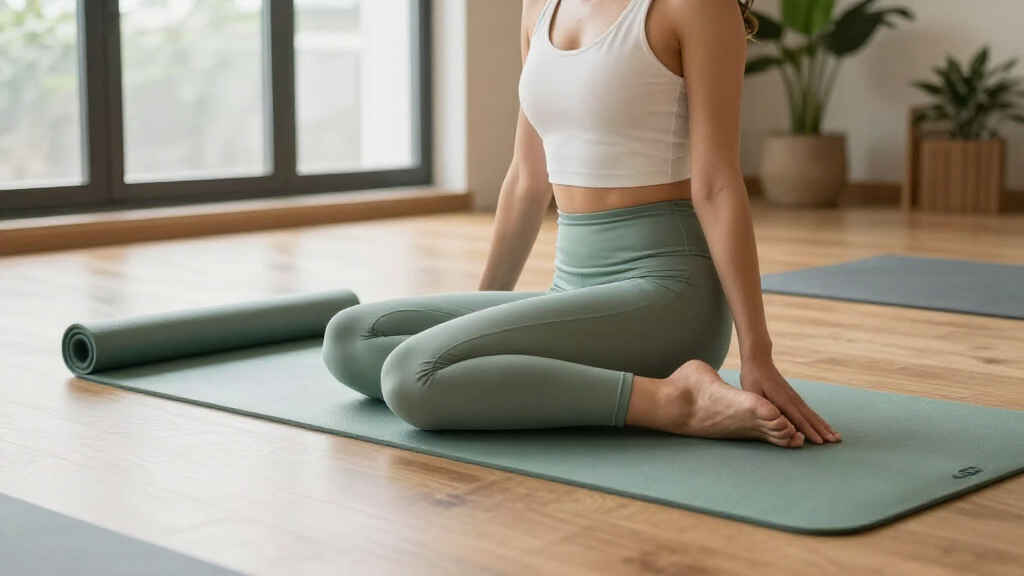
I compared these mats by the questions that tend to shape a purchase: how much cushioning they offer, how their grip suits different practices, whether their size and weight fit home or travel use, and how their construction supports repeated sessions. I also looked at practical details such as carry straps, reversible surfaces, alignment aids, and the extra width of the KEEP mat. Those features matter when they change how comfortably a buyer can practice or store and transport a mat.
The order favors versatility first, then gives specialist picks room to stand out for a clear need. That puts the Manduka X at the top as an all-rounder, while the Dry-Grip, PRO, and travel mats rank for narrower priorities rather than universal appeal. Thick, budget-oriented, printed, and extra-wide options remain useful choices, but their tradeoffs in portability, specialization, or practice fit keep them below the most balanced picks.
Factors to Consider When Choosing Best Yoga Mats
The right mat depends less on a single “best” feature than on where and how you practice. I recommend starting with your usual surface, how much cushioning your joints prefer, and whether you carry the mat often; those choices can matter more than print or brand.
Choose Thickness Around Your Practice Surface
A thicker mat can make kneeling and floor poses more comfortable, especially on hard flooring, but thickness alone does not guarantee stability. A soft, yielding surface may feel less secure in standing balances than a firmer mat. If you practice mostly at home, extra padding may be worth the added bulk. For studio classes, a moderate thickness is often easier to carry and can offer a steadier feel. Avoid buying the thickest option by default if your sessions include many balance poses. If your knees need extra support only in a few poses, a small supplemental pad can be more practical than a heavy mat.
Match Grip to Sweat and Cleaning Habits
Grip can change with sweat, humidity, and the way a surface is cleaned, so think about your actual classes rather than a general claim of “non-slip.” Hot or vigorous practice may call for a surface designed to manage moisture, while a gentler routine may not need that specialization. A surface that feels tacky can also collect lint or require more frequent cleaning. Check the care instructions before choosing a mat you expect to use daily. Avoid assuming that a printed finish, textured surface, or extra thickness automatically means better traction. If grip is your main concern, test the mat’s feel with dry hands and consider whether it remains comfortable once damp.
Treat Weight and Foldability as Core Features
For a mat that stays at home, weight may barely affect your routine; for a daily commute, it can decide whether you bring the mat at all. Travel mats trade padding for a slimmer profile that can fold or pack more easily. That makes them useful for trips or as a clean layer over a studio mat, but less comfortable as a sole mat on hard floors. Before choosing, check both the mat’s dimensions and how it is meant to be carried. A strap helps with carrying but does not make a heavy mat compact. Frequent travelers should prioritize packability, while home practitioners can put more weight on cushioning and surface area.
Check Length and Width Against Your Movement
Standard dimensions work for many people, but taller practitioners or anyone who moves widely through poses may appreciate additional length or width. Extra room can reduce the need to reposition hands and feet, though a wider mat also takes up more floor and may not fit neatly in a crowded studio. Measure your storage space and the area where you practice before opting for an oversized design. Do not choose a larger mat solely because more surface sounds better; carrying and storing it are part of everyday usability. If you share a small practice area, a standard-width mat may be the more convenient compromise.
Weigh Durability Against Upkeep and Portability
A more substantial construction can make sense for frequent practice, especially if you want one mat to keep for years. But long-term durability is only useful if the mat’s weight, cleaning needs, and feel suit your routine. Lightweight mats are easier to move and store, though they may offer less cushioning or a different sense of stability. Read care guidance before using household cleaners or leaving a mat in heat, since unsuitable maintenance can affect its surface. Think about how often you practice and whether the mat will stay in one place. Paying more for a durable build is easier to justify for a daily user than for someone who practices occasionally.
Buy for the Practice You Do Most Often
Many mats are marketed for yoga and general exercise, but those activities can reward different qualities. Floor workouts may make extra padding more appealing, while balance-focused yoga can favor a firmer, steadier surface. A reversible mat can offer flexibility between sessions, but two sides do not automatically make it better if you only use one. Alignment markings may help new practitioners orient their hands and feet, yet they are not a substitute for instruction. Choose around your most common practice, then decide whether a secondary use justifies extra features. Buying for an occasional activity at the expense of your regular routine is a common way to end up with the wrong mat.
Frequently Asked Questions
Is a 5 mm mat enough cushioning for yoga on a hard floor?
For many practitioners, a 5 mm mat is a useful middle ground between padding and stability, but comfort depends on the firmness of the mat and your sensitivity at knees, hips, and wrists. A hard floor can make kneeling poses uncomfortable even with moderate cushioning. If that is your main concern, a thicker mat may help, though it can feel less steady in standing balance work. You can also use a folded towel under specific joints rather than changing mats for every pose. If possible, choose based on the poses that cause discomfort most often.
Should I choose a travel mat as my only yoga mat?
A travel mat can work as your only mat if compactness matters more than padding and most of your practice happens on carpet or another forgiving surface. Thin models are easier to pack, but they offer less comfort on hard flooring during kneeling or seated poses. Some travelers use a thin mat as a clean layer over a studio mat instead. Consider how often you practice away from home and whether you are willing to accept less cushioning every day. If your mat mostly stays in one place, a standard thickness is usually the more comfortable choice.
Do I need a special mat for hot yoga or sweaty practice?
A mat designed with moisture and grip in mind can be a better fit for hot or vigorous classes than a general-purpose model. Sweat can change how secure a surface feels, so dry-hand grip is not the only useful measure. Also check how the mat should be cleaned and dried, since frequent sessions can mean more upkeep. A specialized grip surface may be unnecessary for gentle practice or sessions in a cool room. If you sweat heavily, choose for traction first and confirm that the care routine fits your schedule.
Is it worth paying more for a durable yoga mat?
It can be worthwhile if you practice often and want a mat that stays in regular rotation, but durability should not be judged apart from weight, grip, comfort, and care. A premium construction may be a poor fit if you need a lightweight mat for commuting or prefer a softer surface. Occasional practitioners may get more use from a comfortable, straightforward option than from a mat built for heavy long-term use. Compare the features you will rely on weekly, not just a durability claim. The Manduka PRO is the premium-oriented pick here, while lighter alternatives suit buyers who value easier handling.
How do I choose between a wider mat and a standard-size mat?
An extra-wide mat gives more room for broad stances and movement, which can be welcome if you often reach beyond a standard mat’s edges. That extra surface takes more floor space and can be less convenient to carry or fit into shared studio layouts. Check your height, movement patterns, and home practice area before choosing wider dimensions. A standard-size mat is often easier to store and transport, even if it offers less room to reposition. If possible, mark the larger dimensions on your floor to see whether the added area is useful rather than merely appealing.
Conclusion
I recommend the Manduka X as the best overall for buyers who want one mat for yoga and general fitness. The best value depends on the features you need: the Gaiam Classic Print keeps things simple, while the Amazon Basics Extra Thick is more suited to shoppers prioritizing padding and a carry strap. For a best premium choice, the Manduka PRO favors a durable studio-style build; beginners may prefer the Manduka Begin for its alignment stripe and accessible, straightforward design. Choose the Gaiam Dry-Grip for sweaty sessions, the Manduka eKO SuperLite or GRP Adapt for travel, the Retrospec Solana for extra cushioning, or the KEEP Extra-Wide for more room. Match your mat to your most frequent practice, and the tradeoffs become much easier to judge.