
TL;DR

Get workout gear delivered free with Prime
- Fast, free delivery on millions of items
- Prime Video, Amazon Music and more included
- Member-only deals all year
A Swedish cohort study of women around age 70 found that longer reproductive lifespan and reported menopausal hormone therapy use were associated with some more favorable brain MRI measures. The observational results do not show that estrogen exposure caused those differences or establish that hormone therapy prevents dementia.
A Swedish study of older women found that a longer reproductive lifespan and reported use of menopausal hormone therapy were associated with lower cerebral small vessel disease burden on brain imaging. The findings, reported November 4 in Neurology, are observational and do not establish that estrogen exposure caused the differences or prevents dementia.
Anna Marseglia, PhD, of the Karolinska Institutet in Stockholm, and colleagues assessed 352 cognitively unimpaired women from the 1944 Gothenburg H70 birth cohort. Participants had brain MRI at about age 70; 286 returned for a follow-up examination five years later. Their average reproductive lifespan—the interval from first menstruation to menopause or ovary removal—was 37.1 years.
A longer reproductive span was associated with lower odds of having at least two signs of cerebral small vessel disease: the reported odds ratio was 0.92 (95% confidence interval 0.86-0.99). Menopausal hormone therapy use was also associated with lower odds of greater disease burden (OR 0.41, 95% CI 0.20-0.81) and higher white matter integrity (β=0.28, 95% CI 0.06-0.50). These are associations reported by the study, not treatment effects established by a trial.
Women who reported both oral contraceptive use during their reproductive years and menopausal hormone therapy later had the lowest observed small vessel disease burden (OR 0.31, 95% CI 0.12-0.83) and the highest white matter integrity (β=0.45, 95% CI 0.12-0.78). Among APOE4 carriers, therapy use was associated with greater thickness in brain regions commonly affected by Alzheimer’s disease. About 31% of the cohort carried APOE4; the study did not show that these imaging findings translated into fewer dementia diagnoses.
Brain Vessel Findings in Older Women
The findings add evidence that reproductive and hormone-treatment histories may be relevant when researchers study brain aging in women. Small vessel disease involves changes in the brain’s small blood vessels and is measured using imaging signs including white matter abnormalities, small areas of tissue damage, microbleeds and enlarged perivascular spaces. The study’s results connect hormone-history measures with these vascular indicators, as well as with white matter integrity.
That is not the same as showing a way to prevent dementia. Brain MRI measures are not clinical outcomes, and the cohort was small and selected for normal cognition at baseline. The results also do not establish which women might benefit from hormone therapy, or whether the balance of benefits and risks differs by age, treatment timing, formulation or health history. They are most relevant as evidence for further research, not as a basis for starting or changing treatment.
Products Worth Considering

Fitbit Versa 2 Health and Fitness Smartwatch with Heart Rate, Alexa, Music, Sleep and Swim Tracking

Fitbit Inspire 3 Health and Fitness Tracker Bundle
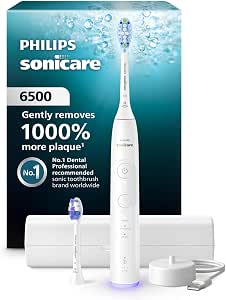
Philips Sonicare 6500 Series Rechargeable Electric Toothbrush with 2 Brush Heads, White
As an affiliate, we earn on qualifying purchases.
A Changing Debate Over Hormone Therapy
Earlier research on menopausal hormone therapy and cognitive health has produced mixed results. The Women’s Health Initiative Memory Study reported in 2003 that estrogen-plus-progestin treatment increased probable dementia risk among women aged 65 or older. The broader Women’s Health Initiative research also raised concerns about risks including breast cancer and heart disease with combined therapy. Those findings contributed to warnings and a marked decline in U.S. use: the source report says use among postmenopausal women fell from 26.9% in 1999 to 4.7% in 2020.
Other research cited by the study’s authors and accompanying editorial has since examined estrogen-only therapy, timing of treatment and reproductive lifespan. The source report says the U.S. Food and Drug Administration removed the boxed warning from menopausal hormone therapy in 2026. That regulatory change does not establish that therapy prevents dementia or remove the need for individualized risk discussions. The Swedish study contributes brain-imaging observations to a debate that remains unsettled.
“The lifetime risk of dementia in U.S. women exceeds that of men.”
— Tracy Madsen, MD, PhD, University of Vermont, in an accompanying editorial
Limits of the Hormone History Data
The study cannot determine whether estrogen exposure itself accounts for the MRI differences. The researchers relied on participants’ reports of hormone use, which may involve recall error or misclassification, and acknowledged that detailed information about oral contraceptive and menopausal therapy use was lacking. The source report does not provide enough detail to assess how treatment formulation, dose or duration affected the results.
The cohort included women from one Swedish birth group who were cognitively unimpaired at the initial assessment. It is not clear whether the associations apply to other populations or predict later cognitive decline, dementia diagnoses or everyday functioning. The reported follow-up covered five years for 286 participants, but the supplied study account does not establish a long-term clinical benefit. The findings should not be read as advice to use hormone therapy for brain health.
Clinical Outcomes Need Longer Follow-Up
The reported study offers MRI-based associations, not a tested intervention. Further research would need more detailed records of hormone exposure and treatment timing, larger and more diverse groups, and follow-up that measures cognitive change and dementia diagnoses as well as imaging. Researchers would also need to account for other health and social factors that may influence both treatment use and brain health.
For now, the report does not announce a change in clinical guidance. Women considering menopausal hormone therapy should discuss its established indications, potential risks and personal medical history with a qualified clinician; this study alone does not support starting therapy to prevent dementia. The next key evidence will be whether future studies reproduce the associations and show that they correspond to meaningful clinical outcomes.
Key Questions
Does the study show that estrogen prevents dementia?
No. It found associations with brain MRI measures in an observational cohort. It did not prove that estrogen exposure prevents dementia or reduces a person’s risk of receiving a dementia diagnosis.
What did researchers mean by reproductive lifespan?
They calculated it as the interval between the age a participant began menstruating and the age of menopause or ovary removal. The cohort’s average reproductive lifespan was 37.1 years.
What brain measures were associated with hormone exposure?
The researchers reported associations with cerebral small vessel disease burden and white matter integrity. Among APOE4 carriers, menopausal hormone therapy use was also associated with greater thickness in regions commonly affected by Alzheimer’s disease.
Should someone start hormone therapy based on these findings?
The study does not support starting hormone therapy for dementia prevention. Treatment decisions should be made with a qualified clinician, considering the person’s symptoms, medical history and potential risks.
Source: medpagetoday.com