
TL;DR

Get workout gear delivered free with Prime
- Fast, free delivery on millions of items
- Prime Video, Amazon Music and more included
- Member-only deals all year
This article explains how to gradually progress toward Firefly Pose (Tittibhasana) by focusing on foundational strength and flexibility. It offers practical tips, essential preparatory poses, and expert advice to help practitioners develop this challenging arm balance safely and effectively.
Yoga practitioners can now access a detailed, step-by-step approach to mastering Firefly Pose (Tittibhasana), a challenging arm balance that requires strength, flexibility, and concentration, according to a recent article by Yoga Journal.
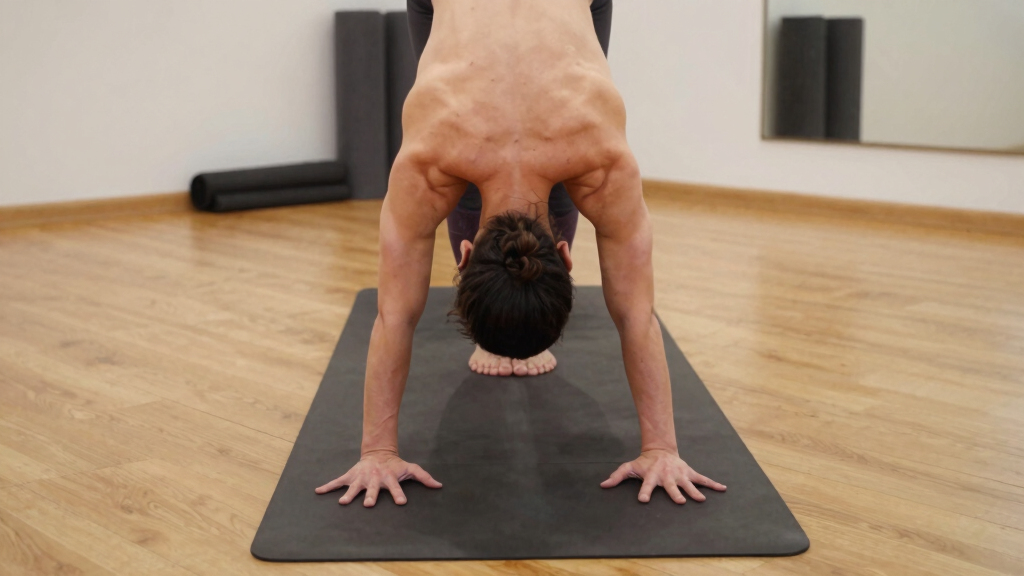
The article emphasizes that progress toward Firefly Pose involves practicing foundational poses that develop upper body strength and hip flexibility. Key preparatory poses include Downward-Facing Dog (Adho Mukha Svanasana), Child’s Pose (Balasana), and Wide-Angled Seated Forward Bend (Upavistha Konasana). These poses help strengthen the arms, shoulders, and core, while increasing flexibility in the hips and spine. The article highlights that understanding basic movements—bending, rotating, and lengthening—can demystify complex arm balances and make progress more attainable. It also notes that proper alignment and breath awareness are crucial in avoiding injury and building endurance.
Why It Matters
This guidance matters because Firefly Pose is often considered a pinnacle of arm balancing that many practitioners find intimidating. Learning a structured approach reduces the risk of injury and builds confidence, making advanced poses more accessible. For teachers and students alike, understanding the incremental steps can foster a safer, more sustainable practice and encourage continued progress in yoga.
As an affiliate, we earn on qualifying purchases.
Background
Firefly Pose has been a part of yoga practice for decades, admired for its visual appeal and physical challenge. Traditionally, mastering this pose has been seen as a sign of advanced skill, requiring years of dedicated practice. Recent yoga literature, including a 2001 article in Yoga Journal, has emphasized breaking down complex poses into manageable steps, focusing on foundational strength and flexibility. The current article builds on this approach, providing updated, practical advice tailored for modern practitioners seeking to progress safely toward challenging arm balances.
“Progress toward Firefly Pose involves practicing less challenging asanas that include similar actions and movements, helping to build the necessary strength and flexibility.”
— Yoga Journal author
“Imagine each vertebra as a sneaker walking down your back—this image encourages awareness of each joint’s independent movement, aiding spinal flexibility.”
— Yoga teacher Victor Van Kooten
As an affiliate, we earn on qualifying purchases.
What Remains Unclear
It is not yet clear how long it typically takes practitioners to progress from basic poses to full Firefly Pose, as individual differences in strength and flexibility vary widely. Additionally, specific modifications or adaptations for different body types remain under discussion.
As an affiliate, we earn on qualifying purchases.
What’s Next
Practitioners are encouraged to incorporate the suggested preparatory poses into their regular practice and seek guidance from qualified instructors. Future developments may include personalized training plans and new variations to accommodate different needs. Continued research and practitioner feedback will refine these step-by-step approaches.
As an affiliate, we earn on qualifying purchases.
Key Questions
How long does it usually take to master Firefly Pose?
There is no fixed timeline; progress varies based on individual strength, flexibility, and consistency. Some may see improvements in months, others in years. Regular practice and proper guidance are key.
What are common mistakes to avoid when practicing for Firefly?
Common errors include over-tightening the shoulders, neglecting hip flexibility, and forcing the pose without adequate preparation. Focusing on foundational strength and listening to your body can prevent injury.
Can beginners attempt Firefly Pose?
Beginners should focus on building strength and flexibility through preparatory poses. Attempting Firefly without proper groundwork can lead to strain or injury. Progression should be gradual and guided by an experienced instructor.
Are there modifications for different body types?
Yes, modifications and props can help accommodate various body structures. Consulting with a qualified teacher can provide personalized adjustments to support safe practice.
Halloween Picks
halloween
As an affiliate, we earn on qualifying purchases.