
TL;DR

Get workout gear delivered free with Prime
- Fast, free delivery on millions of items
- Prime Video, Amazon Music and more included
- Member-only deals all year
Yoga practitioners and experts are highlighting Purvottanasana, or Reverse Plank, as a demanding posture that redefines strength. This development emphasizes the pose’s role in building both physical and mental resilience, challenging common assumptions.
Yoga practitioners and experts are now emphasizing Purvottanasana, or Reverse Plank, as a rigorous test of strength that challenges traditional perceptions of what it means to be strong in yoga.
Recent discussions in the yoga community, including articles from Yoga Journal, highlight Purvottanasana’s unique demand for both upper body and core strength. Traditionally viewed as a restorative or counterpose, it is now being recognized as a posture that requires significant muscular engagement and mental focus. Experts like B.K.S. Iyengar and modern practitioners are noting that this pose pushes practitioners to develop a deep awareness of their physical limits and resilience.
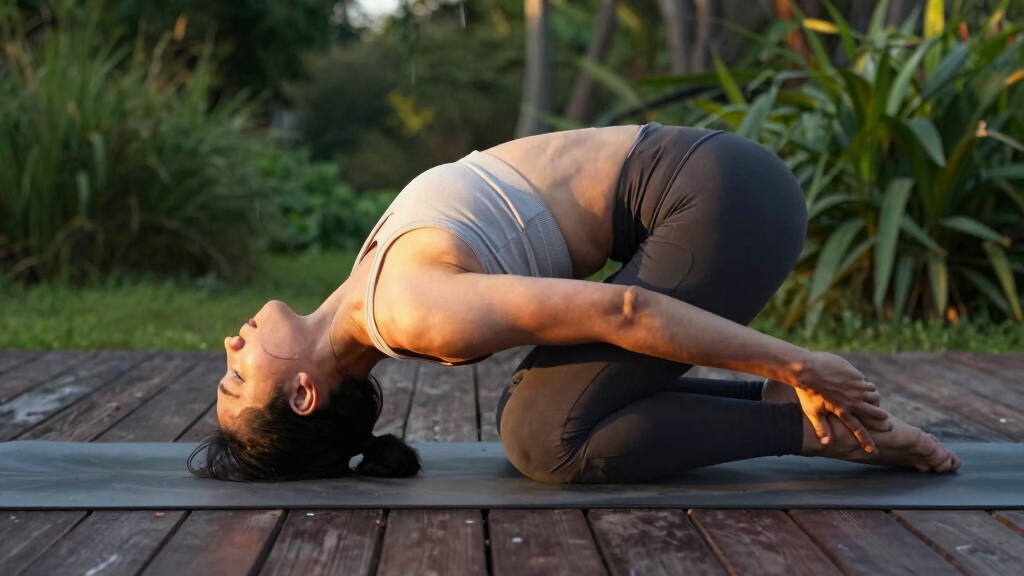
According to sources, the pose involves holding the body in a horizontal position, supported by the hands and feet, with the chest lifted upward. It challenges the muscles of the arms, shoulders, back, and core, demanding sustained effort. The recognition of its strength-building potential aligns with a broader trend of re-evaluating yoga postures as not only flexible or relaxing but also as rigorous tests of physical capacity.
Why It Matters
This development matters because it shifts the understanding of strength in yoga from purely flexibility or endurance to include muscular power and mental resilience. Recognizing Purvottanasana as a strength challenge encourages practitioners to approach their practice with greater focus on muscular engagement and mental discipline, potentially expanding the scope of yoga training and its benefits.
As an affiliate, we earn on qualifying purchases.
Background
Historically, yoga postures like Purvottanasana have been classified as restorative or counterposes to deeper forward bends, emphasizing flexibility and relaxation. However, recent discussions, including a 2026 article from Yoga Journal, suggest a growing awareness of the pose’s strength demands. This reflects a broader trend of re-examining traditional postures in light of contemporary fitness insights, emphasizing muscular engagement and mental focus. The pose’s name, meaning ‘intense extension of the east side,’ underscores its role in balancing and strengthening the front body, especially the chest and shoulders.
“Purvottanasana is increasingly recognized as a demanding strength pose that challenges both muscular endurance and mental focus.”
— Yoga Journal
“Yoga is working your body equally on both sides.”
— B.K.S. Iyengar
As an affiliate, we earn on qualifying purchases.
What Remains Unclear
It is not yet clear how widespread this reclassification of Purvottanasana as a strength pose will become across different yoga styles and teacher training programs. Further research and practitioner feedback are needed to confirm its role in strength development.
As an affiliate, we earn on qualifying purchases.
What’s Next
Next steps include more detailed biomechanical studies of Purvottanasana, increased incorporation into yoga classes as a strength-building posture, and further dialogue within the yoga community about redefining strength and resilience in practice.
As an affiliate, we earn on qualifying purchases.
Key Questions
Why is Purvottanasana now considered a strength pose?
Recent discussions and expert opinions highlight the pose’s demand for muscular engagement, core stability, and mental focus, positioning it as a significant challenge for strength development in yoga.
How does Purvottanasana differ from other backbends or restorative poses?
Unlike gentle backbends or restorative poses, Purvottanasana requires sustained muscular effort, particularly in the arms, shoulders, and core, making it an active strength challenge rather than a passive stretch.
Can beginners safely attempt Purvottanasana?
Beginners should approach this pose with caution, ideally under guidance, and build strength gradually. Modifications and preparatory poses can help develop the necessary strength and stability.
What are the benefits of practicing Purvottanasana?
Practicing this pose can enhance upper body and core strength, improve shoulder stability, and foster mental focus and resilience.
Evergreen bestsellers Picks
bestsellers
As an affiliate, we earn on qualifying purchases.