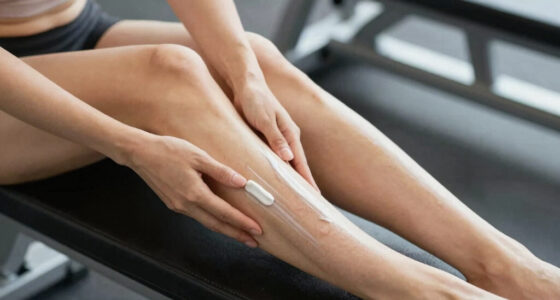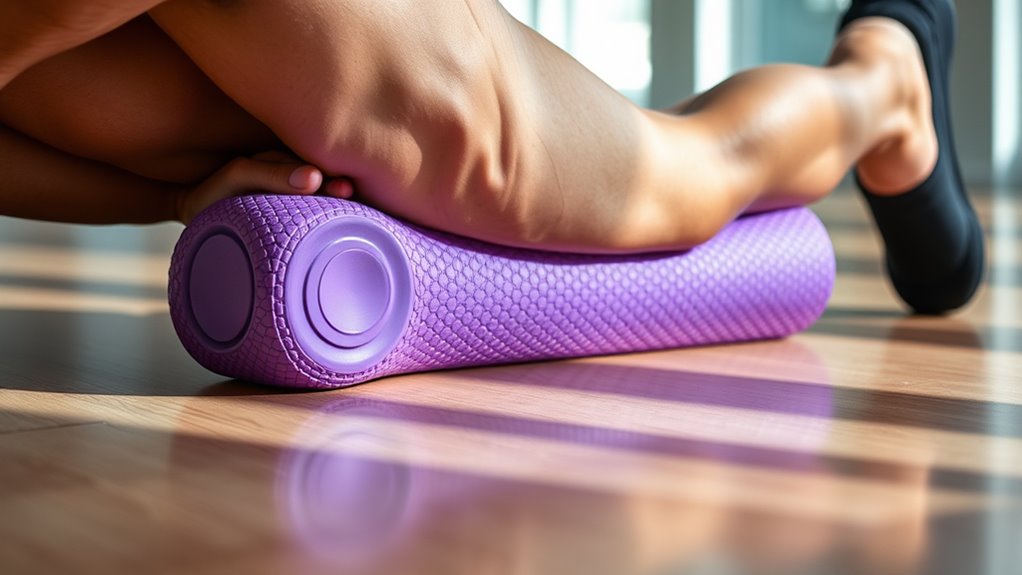

To use a foam roller for muscle recovery, start by selecting the right roller with suitable density, size, and texture for your needs. Warm up with light cardio and dynamic stretches, then gently roll over targeted muscles, pausing on tender spots. Apply moderate pressure and avoid joints or bones. Keep movements slow and controlled, adjusting as needed. If you want to learn more about optimizing your foam rolling routine, you’ll find helpful tips to enhance your recovery.
Key Takeaways
- Perform light warm-up exercises and dynamic stretches before foam rolling to increase circulation.
- Target specific muscle groups by aligning the roller with the muscle and applying moderate, controlled pressure.
- Roll slowly and pause on tender spots to release tightness and improve flexibility.
- Avoid rolling directly on bones or joints to prevent injury and discomfort.
- Maintain proper hydration and cleanliness of the foam roller for effective and safe recovery sessions.

TriggerPoint Grid 1.0 Foam Roller – 13" Multi-Density Massage Roller for Deep Tissue & Muscle Recovery – Relieves Tight, Sore Muscles & Kinks, Improves Mobility & Circulation – Targets Key Body Parts
IMPROVE MUSCLE RECOVERY – Multi-density GRID features a three-dimensional surface that provides more efficient muscle recovery by promoting…
As an affiliate, we earn on qualifying purchases.
As an affiliate, we earn on qualifying purchases.
Understanding the Benefits of Foam Rolling

Foam rolling offers a simple yet effective way to enhance muscle recovery and reduce soreness after exercise. It promotes muscle relaxation by loosening tight muscles and fascia, which helps improve flexibility and blood flow. When muscles are relaxed, your body is less prone to strains and injuries, making injury prevention easier. Regular foam rolling can also break up adhesions and scar tissue, supporting healthier muscle tissue and reducing the risk of overuse injuries. Additionally, muscle fascia plays a crucial role in maintaining optimal movement and flexibility, so addressing it can lead to better overall performance. By incorporating foam rolling into your routine, you actively maintain your muscles’ health and resilience. This simple practice not only speeds up recovery but also helps you stay injury-free, allowing you to perform at your best for longer periods. Incorporating proper foam rolling techniques can further maximize these benefits. To enhance these effects, consider combining foam rolling with other aquatic exercises for a well-rounded approach to recovery and fitness. Moreover, understanding muscle tissue health can help you tailor your recovery strategies more effectively. Additionally, paying attention to proper recovery habits can further optimize your muscle healing process.
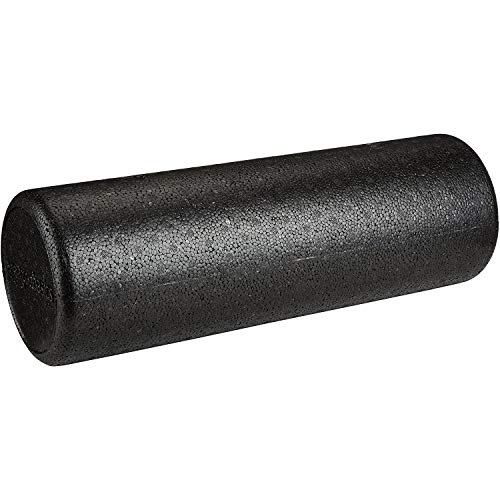
Amazon Basics High-Density Foam Roller for Exercise and Recovery, 18 Inches, Black
High-density foam roller in Black
As an affiliate, we earn on qualifying purchases.
As an affiliate, we earn on qualifying purchases.
Choosing the Right Foam Roller for You
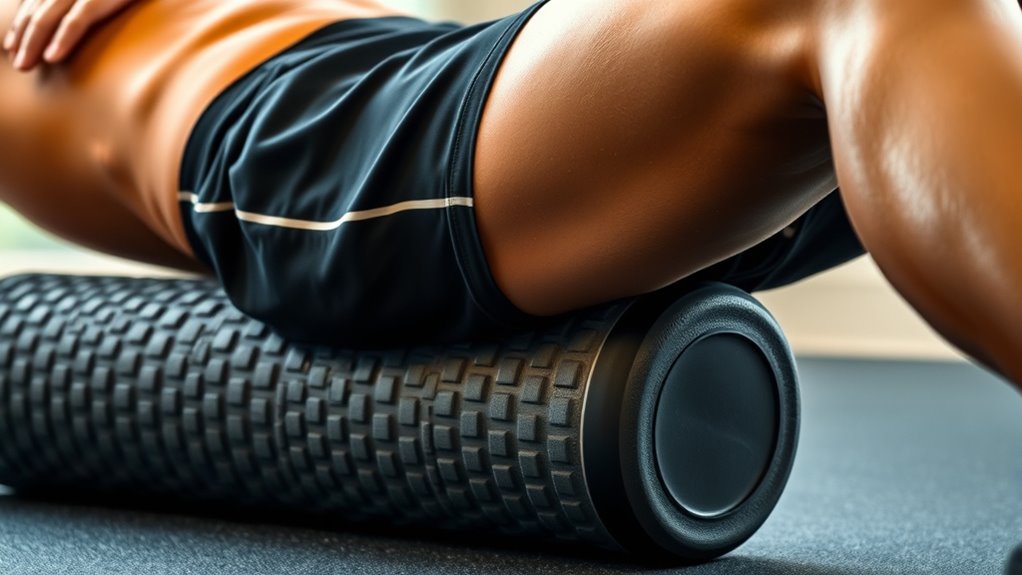
When selecting a foam roller, consider its density and firmness to match your comfort level and recovery needs. The size and length should fit your body and storage space, making exercises more effective and manageable. Also, pay attention to surface texture features, as they can influence pressure and target specific muscle groups more precisely. Additionally, understanding the different types of foam rollers and their suitability for various recovery strategies can help optimize your muscle recovery process such as Gold IRA rollovers. For example, incorporating body piercing techniques during recovery can improve your overall flexibility and muscle function. Being aware of your ethnicity, such as Christian Yelich’s Croatian and Italian roots, can also inspire personalized approaches to your fitness and recovery routines. Moreover, selecting the right foam roller density ensures that you get the most effective massage without discomfort, especially if you’re new to foam rolling.
Density and Firmness
Choosing the right foam roller depends largely on its density and firmness, which directly affect how much pressure you’ll feel during use. A firmer roller provides deeper muscle relaxation and can help target tight areas more effectively, but may be uncomfortable if you’re new to foam rolling. A softer roller offers gentler pressure, making it ideal for beginners or for injury prevention. Consider your muscle tension level and comfort when selecting. If you want to improve recovery and prevent injuries, a balance between firmness and softness is best. Remember, the right density enhances your foam rolling experience and ensures you get the most benefit without unnecessary discomfort. Material properties also influence how a foam roller performs and its durability over time. Additionally, understanding the density and firmness of different rollers can help you choose one that aligns with your specific needs and recovery goals. To maximize effectiveness, it’s helpful to understand how material composition impacts the roller’s firmness and longevity. Moreover, selecting a foam roller with appropriate material density can optimize both comfort and durability during your recovery routine.
Size and Length
How you select the size and length of your foam roller can substantially impact your comfort and effectiveness during recovery. Size options vary from small, handheld rollers to large, full-body models. If you’re targeting specific muscles or tight spots, a smaller roller offers precision. For broader areas like your back or thighs, a longer roller provides better coverage and support. Length considerations depend on your height and intended use; taller people may prefer longer rollers for better balance and reach. Shorter rollers are portable and easier to store, making them ideal for travel or quick sessions. Additionally, considering design features can help you select the most effective foam roller for your goals. Recognizing individual body differences can also influence your choice, ensuring optimal comfort and results. Understanding foam rolling techniques can further enhance your recovery process and prevent injury. Being aware of appropriate pressure levels is also crucial to avoid overstimulation or injury during use.
Surface Texture Features
The surface texture of a foam roller plays a crucial role in its effectiveness and comfort during muscle recovery. Choosing the right texture variation can enhance surface comfort and target specific muscle groups more effectively. A smooth roller offers gentle pressure, ideal for beginners or sensitive areas. Textured rollers with bumps or ridges provide deeper massage, helping break up knots. Consider a roller with varied surface features to customize your experience. Some options include:
- Smooth surface for gentle relief
- Grooved or ridged textures for intense massage
- Firm but knobby surface for targeted pressure
- Dual-texture designs for versatility
- Soft foam for extra comfort
Selecting the right surface texture ensures you get effective recovery without discomfort, making your foam rolling sessions more enjoyable and beneficial. Understanding surface texture features can help you choose the most suitable foam roller for your needs. Additionally, considering material composition can influence durability and comfort during use. Being aware of surface texture features can also help in maintaining the roller and ensuring it remains effective over time.
TriggerPoint Grid 1.0 Foam Roller – 13" Multi-Density Massage Roller for Deep Tissue & Muscle Recovery – Relieves Tight, Sore Muscles & Kinks, Improves Mobility & Circulation – Targets Key Body Parts
IMPROVE MUSCLE RECOVERY – Multi-density GRID features a three-dimensional surface that provides more efficient muscle recovery by promoting…
As an affiliate, we earn on qualifying purchases.
As an affiliate, we earn on qualifying purchases.
Preparing for Your Foam Rolling Session
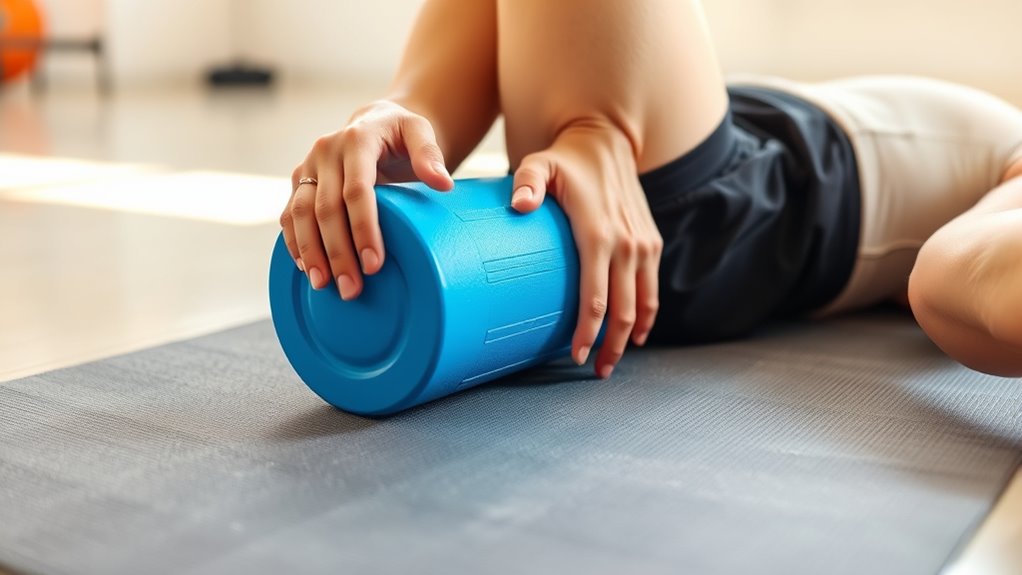
Before you start foam rolling, make sure you have all your equipment ready and set up in a comfortable space. Warming up your muscles with light activity helps prevent injury and improves effectiveness. Engaging in gentle movement, such as walking or arm circles, can enhance blood flow and prepare your muscles for foam rolling. Once prepared, you’re ready to maximize the benefits of your session.
Gather Necessary Equipment
To get started with foam rolling, you’ll need a few essential items to guarantee a safe and effective session. First, choose a high-quality foam roller suited to your needs, considering firmness and size. Second, keep your equipment in good condition through regular maintenance to prevent wear and tear. Third, select a dedicated storage solution to keep your gear organized and protected. Fourth, consider using a mat or towel for comfort and stability during rolling. Fifth, have a water bottle nearby to stay hydrated and help flush out toxins. Gathering these items ensures your session is safe and enjoyable, while proper equipment maintenance prolongs the roller’s lifespan, and smart storage solutions keep your space tidy and ready for next time.
Find a Comfortable Space
Choosing the right spot for your foam rolling session sets the foundation for an effective workout. Find a comfortable space where you can relax without interruptions. A quiet corner or open area with enough room to move freely works best. Make sure the surface is flat and supportive, like a carpeted floor or yoga mat, to prevent discomfort. Creating a relaxation environment helps you stay focused and calm during your session. Remove distractions such as phones or loud noises, so you can fully concentrate on your muscle recovery. A comfortable space encourages proper form and allows you to breathe easily. Taking a moment to set up in a peaceful, inviting environment maximizes the benefits of foam rolling and makes the experience more enjoyable.
Warm Up Muscles
Warming up your muscles before foam rolling helps increase circulation and prepares your body for effective recovery. It reduces muscle stiffness and lowers injury risk, making foam rolling more beneficial. A quick warm-up gets blood flowing, loosening tight muscles and improving flexibility.
Try these simple steps:
- Do light cardio, like brisk walking or jumping jacks
- Perform dynamic stretches targeting your major muscle groups
- Roll your joints gently to loosen them up
- Focus on areas that feel particularly stiff or sore
- Keep the warm-up session brief, around 5-10 minutes
This prep minimizes injury risk and enhances the effectiveness of your foam rolling, ensuring you get the most out of your muscle recovery session. Proper warm-up is key to a safe, efficient recovery routine.

Tone Fitness High Density EPP Foam Exercise Foam Roller for Yoga, Pilates, Stretching, Massage, and Recovery 36 inch Black
HIGH DENSITY FOAM ROLLER FOR MUSCLE RECOVERY This high density foam roller designed for advanced users delivers firm…
As an affiliate, we earn on qualifying purchases.
As an affiliate, we earn on qualifying purchases.
Proper Technique for Effective Foam Rolling

Mastering proper foam rolling technique guarantees you get the most benefit while minimizing discomfort or injury. Start with gentle pressure and gradually increase as your muscles loosen. Focus on slow, controlled movements, avoiding rushing or bouncing. Remember, proper foam roller maintenance guarantees the roller stays clean and effective. Be mindful of common foam rolling mistakes like applying too much pressure or rolling over joints, which can cause pain or injury. Use the table below to guide your technique:
| Step | Tip | Common Mistakes |
|---|---|---|
| Positioning | Align foam roller with target muscle | Rolling too quickly |
| Pressure | Apply moderate pressure, adjust as needed | Pressing too hard |
| Movement | Roll slowly, pausing on tender spots | Ignoring discomfort |
Stick to these tips for safe, effective muscle recovery.
Targeting Specific Muscle Groups
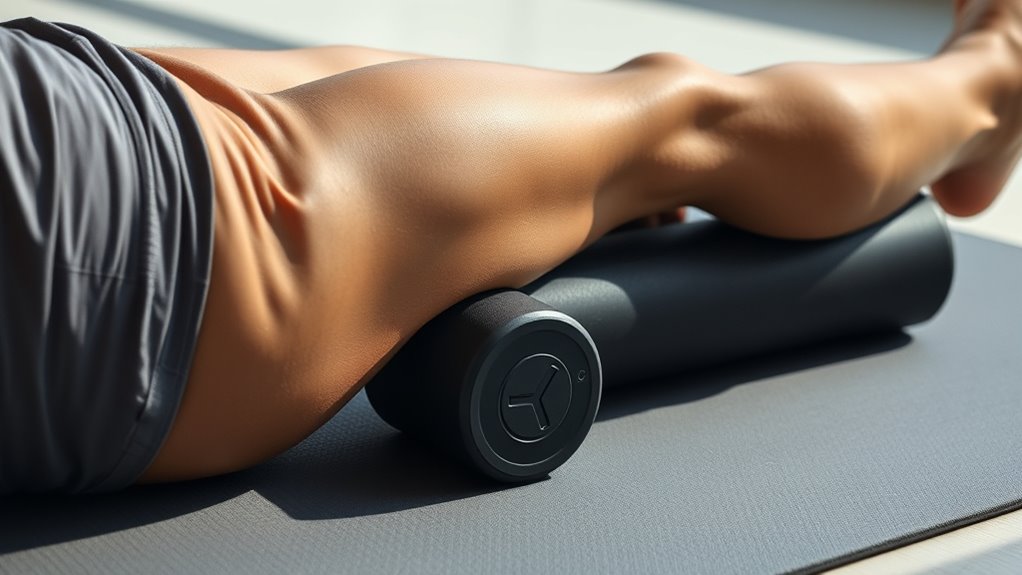
To effectively target specific muscle groups with a foam roller, you need to understand their anatomy and how to position the roller correctly. Focus on identifying trigger points, which often feel tender or tight, and work on releasing them. Pay attention to muscle imbalances that may cause uneven tension, leading to discomfort or injury. Proper positioning helps you apply pressure precisely where needed, avoiding unnecessary strain. Remember, targeting individual muscles like the calves, quads, or shoulders can improve flexibility and reduce pain.
- Locate trigger points before rolling to address tight spots
- Use gentle pressure to start, then gradually increase
- Focus on muscles prone to imbalances, like the IT band or hip flexors
- Avoid rolling directly on bones or joints
- Adjust your body position for idealtargeting and comfort
Tips for Maximizing Results and Safety

Maximizing your results and ensuring safety while using a foam roller requires mindful technique and consistent practice. Always listen to your body to prevent injury and avoid overdoing it. Incorporate hydration tips by drinking plenty of water before and after foam rolling sessions, which helps flush out toxins and keeps muscles supple. Focus on maintaining proper pressure; avoid applying excessive force that can cause bruising or discomfort. To prevent injury, stick to a routine that targets different muscle groups gradually, rather than rushing through sessions. Keep your movements slow and controlled, and pause if you feel sharp pain. Regular, mindful practice combined with good hydration and injury prevention strategies will help you achieve ideal recovery benefits safely.
Incorporating Foam Rolling Into Your Routine
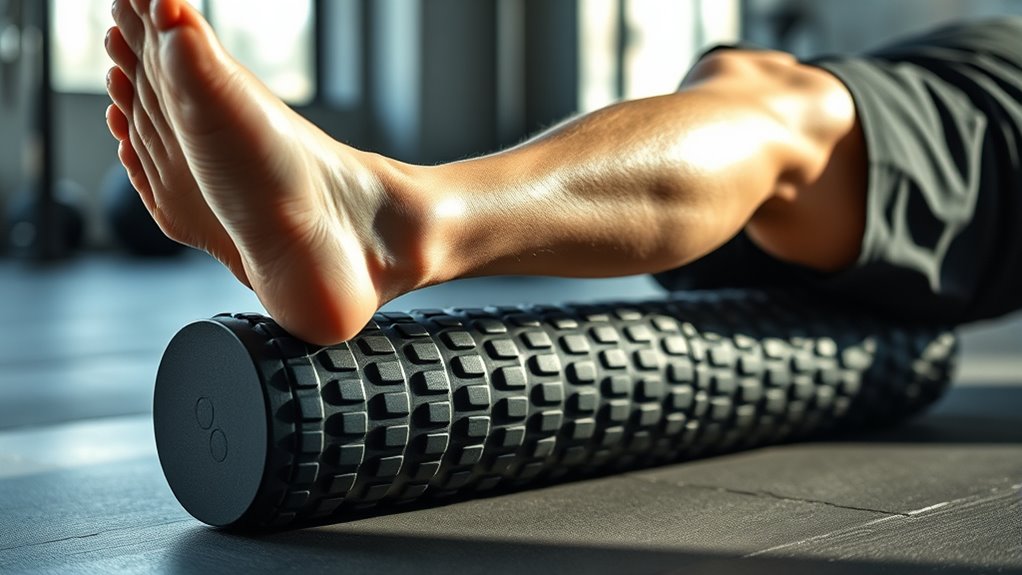
Incorporating foam rolling into your daily routine can substantially enhance your recovery and flexibility. To get the most benefits, try to integrate it consistently, ideally after workouts or during rest days. Remember, proper nutrition tips, such as staying hydrated and eating anti-inflammatory foods, support muscle repair and injury prevention. When you roll, focus on areas that feel tight or sore, but avoid overdoing it to prevent irritation. Keep sessions short and targeted, about 5-10 minutes. You can also combine foam rolling with stretching for improved results. Making it a habit helps your body adapt and reduces the risk of injury. Over time, this routine will contribute to better mobility, faster recovery, and overall muscle health.
Frequently Asked Questions
How Often Should I Foam Roll Each Muscle Group?
You should foam roll each muscle group 2 to 3 times a week to reduce muscle soreness and enhance flexibility. Spend about 1-2 minutes per area, focusing on tight spots. Consistency is key—regular foam rolling helps your muscles recover faster and improves overall flexibility. Avoid overdoing it, as too much pressure or frequency can cause irritation. Listen to your body and adjust accordingly for ideal muscle recovery.
Can Foam Rolling Help With Injury Prevention?
Foam rolling benefits include improving flexibility and reducing muscle tightness, which can help prevent injuries. By regularly incorporating foam rolling into your routine, you enhance your injury prevention strategies. It helps identify and release tight spots before they cause problems, keeping muscles balanced and resilient. So, yes, foam rolling can be a valuable tool in injury prevention, supporting your overall training and health goals.
Are There Any Risks or Contraindications?
Sure, foam rolling’s perfect for avoiding muscle soreness, right? Well, watch out for risks and contraindications. Over-rolling or applying too much pressure can cause tissue damage, leading to increased muscle soreness instead of relief. People with certain injuries or conditions should consult a healthcare professional first. Remember, moderation and proper technique are key to preventing setbacks rather than adding to your muscle recovery journey.
Should I Foam Roll Before or After Workouts?
You should foam roll after workouts for ideal post-work recovery, helping to reduce muscle soreness and improve flexibility. Using it as part of your pre-work warm-up can also be beneficial, but focus on lighter, dynamic rolling before exercise to prepare muscles. Post-work, spend more time on targeted areas to aid recovery. Incorporate foam rolling into your routine to enhance performance and minimize injury risk.
How Long Should Each Foam Rolling Session Last?
You should aim for 1 to 2 minutes per muscle group during each foam rolling session. This duration helps reduce muscle soreness and promotes flexibility improvement without overdoing it. Focus on tender or tight areas, rolling slowly to release knots and tension. Keep sessions moderate, especially if you’re new, and listen to your body—stop if you feel sharp pain. Consistency yields better recovery and increased flexibility over time.
Conclusion
Using a foam roller isn’t just about feeling good—it’s backed by science. Studies show foam rolling can reduce muscle soreness and improve flexibility, supporting the idea that consistent self-care boosts recovery. By incorporating proper technique and routine, you’ll access these benefits safely and effectively. Remember, a little effort now can prevent bigger issues later. So, trust the evidence, stay consistent, and enjoy a quicker, healthier recovery process.