
TL;DR

Get workout gear delivered free with Prime
- Fast, free delivery on millions of items
- Prime Video, Amazon Music and more included
- Member-only deals all year
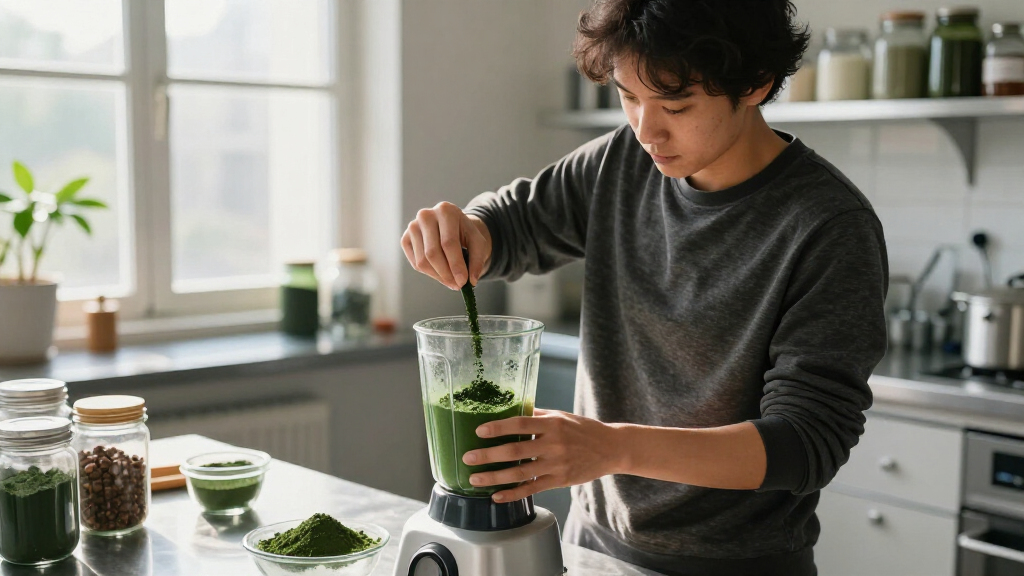
Researchers have announced a new sustainable spirulina cultivation technique aimed at providing a plant-based source of vitamin B12. This development could impact dietary strategies for B12 deficiency, especially for vegans and vegetarians. Details are still emerging, and further validation is needed.
Researchers have introduced a sustainable method for cultivating spirulina that could serve as an effective plant-based source of vitamin B12. This breakthrough aims to address widespread deficiency issues, particularly among vegans and vegetarians, by providing an environmentally friendly alternative. The development is still in early stages, but initial results suggest promising potential for scalable production.
The new approach involves optimizing spirulina cultivation techniques to enhance its natural production of vitamin B12, which is typically found in animal products. According to the research team, this method reduces environmental impact compared to traditional animal farming and supplements. The process is designed to be scalable and cost-effective, making it suitable for large-scale dietary applications.
While the specific scientific details remain under peer review, early laboratory tests indicate that the spirulina produced via this method contains bioavailable vitamin B12. Experts caution that further clinical validation is necessary to confirm its efficacy as a dietary supplement. The research team emphasizes that this development could support sustainable nutrition strategies, especially in regions with limited access to animal-based foods.
Potential Impact on Plant-Based Nutrition and Sustainability
This development could significantly influence dietary approaches to addressing vitamin B12 deficiency, especially among populations that avoid animal products. If validated, this spirulina-based solution offers a sustainable, environmentally friendly alternative that could reduce reliance on animal farming and supplements. It also aligns with global efforts to promote plant-based diets and reduce carbon footprints associated with food production.
Healthcare professionals and nutritionists may consider integrating such sustainable sources into dietary recommendations, potentially improving health outcomes for vegans and vegetarians. However, the long-term health impacts and bioavailability of the vitamin B12 produced through this method are still under investigation.
vegan spirulina vitamin B12 supplement
As an affiliate, we earn on qualifying purchases.
As an affiliate, we earn on qualifying purchases.
Growing Interest in Plant-Based B12 Sources Amid Deficiency Concerns
Vitamin B12 deficiency remains a widespread health concern, particularly among vegans, vegetarians, and populations with limited access to animal-derived foods. Traditional sources include meat, dairy, and fortified supplements, but these are not always accessible or sustainable. Recent years have seen increased research into plant-based and microbial sources of B12, with spirulina emerging as a promising candidate.
Interest in spirulina as a nutritional supplement has surged, partly due to its high protein content and environmental benefits. However, questions about its B12 content and bioavailability have persisted. The current research aims to address these gaps by developing cultivation methods that enhance B12 production in spirulina, making it a reliable dietary source.
While the scientific community recognizes the potential, regulatory approval and large-scale validation are still pending, and the market for such products remains nascent.
plant-based B12 supplement for vegans
As an affiliate, we earn on qualifying purchases.
As an affiliate, we earn on qualifying purchases.
Unverified Aspects of B12 Bioavailability and Scaling
It is not yet confirmed whether the vitamin B12 produced in this manner is fully bioavailable and effective in human nutrition. Clinical trials and peer-reviewed validation are still underway. Additionally, questions remain about the scalability of this cultivation method and its economic viability at commercial levels.
Regulatory approval processes for food supplements derived from this method are also pending, and it is unclear when such products might reach the market.
As an affiliate, we earn on qualifying purchases.
Next Steps Include Validation and Commercial Development
Researchers plan to conduct further clinical trials to assess the bioavailability and safety of spirulina-derived B12 supplements. Simultaneously, efforts are underway to optimize large-scale cultivation techniques and seek regulatory approval.
Industry partners and health authorities will likely monitor these developments closely, with potential product launches depending on validation outcomes and regulatory processes.
As an affiliate, we earn on qualifying purchases.
Key Questions
Can spirulina fully replace animal-based vitamin B12?
It is too early to confirm. While initial results are promising, further research is needed to verify bioavailability and efficacy in humans.
When might B12-rich spirulina products become available?
Depending on validation and regulatory approval, commercial products could be available within the next few years, but no specific timeline has been announced.
Is this method environmentally sustainable?
Yes, the cultivation process aims to reduce environmental impact compared to traditional animal farming and supplement production.
What are the potential health benefits of this development?
If proven effective, it could provide a plant-based, sustainable source of vitamin B12, supporting those at risk of deficiency without environmental harm.
Are there any risks associated with consuming spirulina-derived B12?
Risks are not yet fully known; further clinical testing is required to confirm safety and efficacy before widespread use.
Source: rss
Halloween Picks
halloween
As an affiliate, we earn on qualifying purchases.