
TL;DR

Get workout gear delivered free with Prime
- Fast, free delivery on millions of items
- Prime Video, Amazon Music and more included
- Member-only deals all year
Medicare has announced expanded coverage for GLP-1 drugs, making them accessible to more older adults. This development could impact diabetes and weight management treatments but comes with certain eligibility criteria. Details on costs and long-term effects remain ongoing.
Medicare has expanded its coverage to include GLP-1 receptor agonist drugs, such as semaglutide and liraglutide, for eligible older adults managing diabetes and obesity. This policy change aims to improve access to these medications, which have shown effectiveness in controlling blood sugar and aiding weight loss. The move is expected to influence treatment options and healthcare costs for millions of seniors nationwide.
Effective immediately, Medicare will now cover certain GLP-1 receptor agonist medications for beneficiaries who meet specific medical criteria, primarily those diagnosed with type 2 diabetes or obesity. Previously, coverage for these drugs was limited or inconsistent, often requiring prior authorization or out-of-pocket payments. The Centers for Medicare & Medicaid Services (CMS) announced the expansion as part of efforts to improve chronic disease management among older adults.
Health experts highlight that GLP-1 drugs, such as semaglutide, have demonstrated significant benefits in lowering blood sugar levels and promoting weight loss, which can reduce the risk of cardiovascular complications. However, coverage is limited to patients who meet certain clinical guidelines, including BMI thresholds and diabetes diagnosis, and may involve some co-payments. The drugs are typically administered via weekly injections.
While the expansion increases access, it is not yet clear how many seniors will qualify under the new criteria or how much they will pay out-of-pocket. Medicare officials emphasize that ongoing assessments will determine the program’s long-term sustainability and impact on healthcare costs.
Implications for Older Adults’ Diabetes and Weight Management
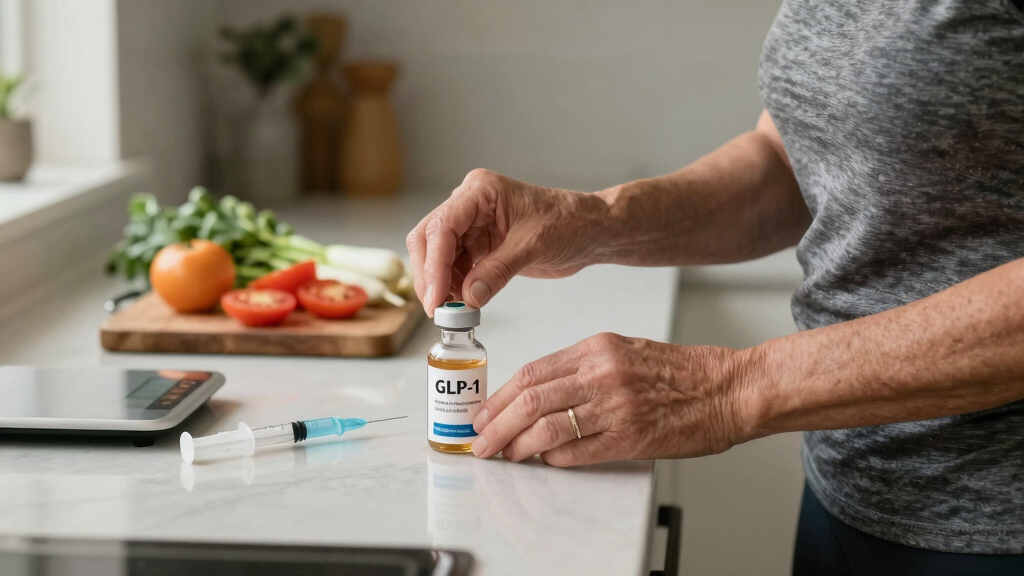
This expansion could significantly improve access to effective treatments for millions of seniors managing diabetes and obesity, conditions linked to high rates of morbidity and mortality. Better access to GLP-1 drugs may lead to improved health outcomes and potentially reduce long-term healthcare expenses related to complications. However, questions remain about the affordability for some beneficiaries and the overall impact on Medicare spending. Healthcare providers may need to adjust treatment plans to incorporate these medications more widely, which could influence prescribing patterns and patient care strategies.GLP-1 receptor agonist injections for seniors
As an affiliate, we earn on qualifying purchases.
As an affiliate, we earn on qualifying purchases.
Medicare’s Previous Coverage and the Growing Role of GLP-1 Drugs
Prior to this expansion, Medicare coverage for GLP-1 receptor agonists was limited, often requiring individual prior authorization and incurring high out-of-pocket costs for beneficiaries. The drugs gained prominence after multiple studies demonstrated their effectiveness in managing type 2 diabetes and facilitating weight loss, with some formulations approved for obesity treatment regardless of diabetes status. The policy change reflects a broader shift toward integrating newer, evidence-based therapies into Medicare’s formulary, amid rising concerns over the high costs associated with diabetes and obesity-related complications.
Industry analysts note that the move aligns with recent trends in healthcare toward personalized medicine and preventive care, although it also raises questions about long-term cost management for Medicare. The decision follows pressure from advocacy groups and recent clinical guidelines recommending GLP-1 drugs as a preferred treatment option for certain patient groups.
“This coverage expansion aims to improve access to effective therapies for seniors managing chronic conditions, ultimately supporting healthier aging.”
— CMS spokesperson
semaglutide weight loss medication
As an affiliate, we earn on qualifying purchases.
As an affiliate, we earn on qualifying purchases.
Unanswered Questions About Cost and Eligibility Criteria
It is not yet clear how many Medicare beneficiaries will qualify under the new guidelines or what the typical out-of-pocket costs will be for seniors. Details on specific eligibility criteria, such as BMI thresholds or prior treatment history, are still being clarified. Additionally, the long-term financial impact on Medicare’s budget and whether additional restrictions will be implemented remain uncertain.
As an affiliate, we earn on qualifying purchases.
Monitoring Implementation and Access Challenges for Seniors
Medicare officials will monitor the rollout of the expanded coverage, assessing how many beneficiaries utilize GLP-1 drugs and the impact on health outcomes. Healthcare providers are expected to adjust prescribing practices accordingly. Further updates are anticipated as CMS releases detailed guidance on eligibility, costs, and ongoing evaluations of the program’s effectiveness.
medication management for type 2 diabetes
As an affiliate, we earn on qualifying purchases.
As an affiliate, we earn on qualifying purchases.
Key Questions
Who qualifies for Medicare coverage of GLP-1 drugs now?
Beneficiaries diagnosed with type 2 diabetes or obesity who meet specific clinical criteria, including BMI thresholds, are eligible. Exact eligibility details are being finalized by Medicare.
Will I have to pay out-of-pocket for these medications?
While coverage has expanded, beneficiaries may still face co-payments or deductibles depending on their plan and specific circumstances. Costs are expected to vary based on individual eligibility and treatment needs.
Are all GLP-1 drugs covered under this expansion?
Medicare will cover certain approved GLP-1 receptor agonists, but coverage may depend on FDA approval status and formulary inclusion. Patients should consult their healthcare provider and Medicare plan details.
How might this change affect Medicare spending?
The long-term financial impact is still uncertain. Increased access could lead to better health outcomes but may also raise costs due to higher medication utilization. Ongoing assessments will evaluate these effects.
What should I do if I think I qualify for coverage?
Consult your healthcare provider to determine if a GLP-1 drug is appropriate for your condition. Your provider can help you understand the coverage criteria and assist with the necessary documentation for Medicare approval.
Source: rss
Columbus Day / Indigenous Peoples' Day Picks
long weekend sales
As an affiliate, we earn on qualifying purchases.