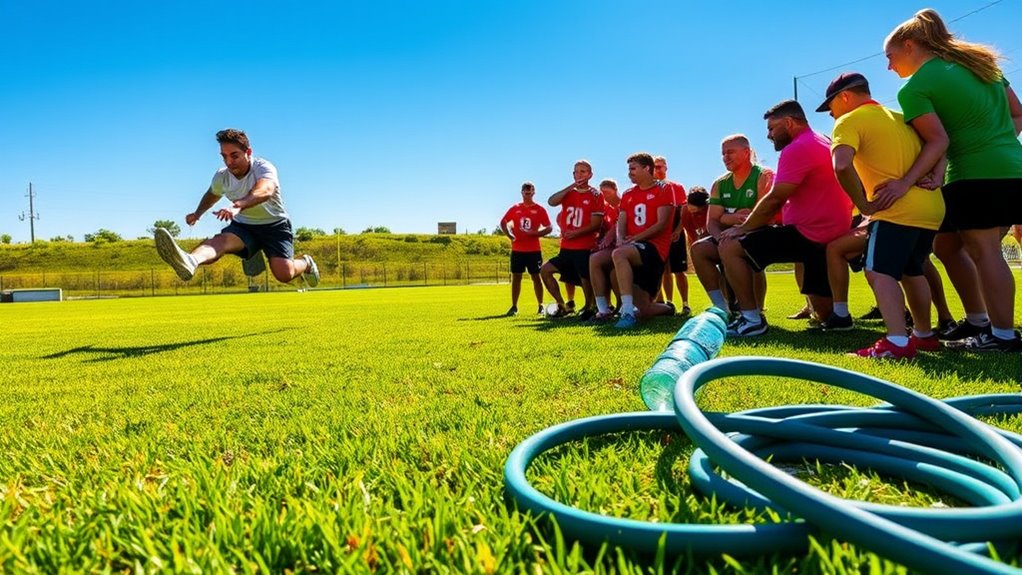

Off-season training is crucial for you as a team sports athlete. It helps maintain your competitive edge while supporting recovery and injury prevention. Focus on active recovery techniques like swimming and yoga, combined with a balanced diet rich in lean proteins, complex carbs, and healthy fats. Don’t forget to stay hydrated and incorporate flexibility training through foam rolling and stretching. For more tips on how to optimize your off-season routine, keep exploring the essential strategies.
Key Takeaways
- Prioritize active recovery through activities like swimming or yoga to maintain fitness and aid muscle repair during the off-season.
- Focus on a balanced diet rich in whole foods, including lean proteins, complex carbs, and healthy fats to support overall health.
- Incorporate regular stretching and foam rolling sessions to improve flexibility and prevent injuries during off-season training.
- Schedule rest days to allow for muscle healing and prevent overtraining, ensuring your body is ready for the next season.
- Stay hydrated and adjust caloric intake based on your activity level to optimize recovery and performance during the off-season.
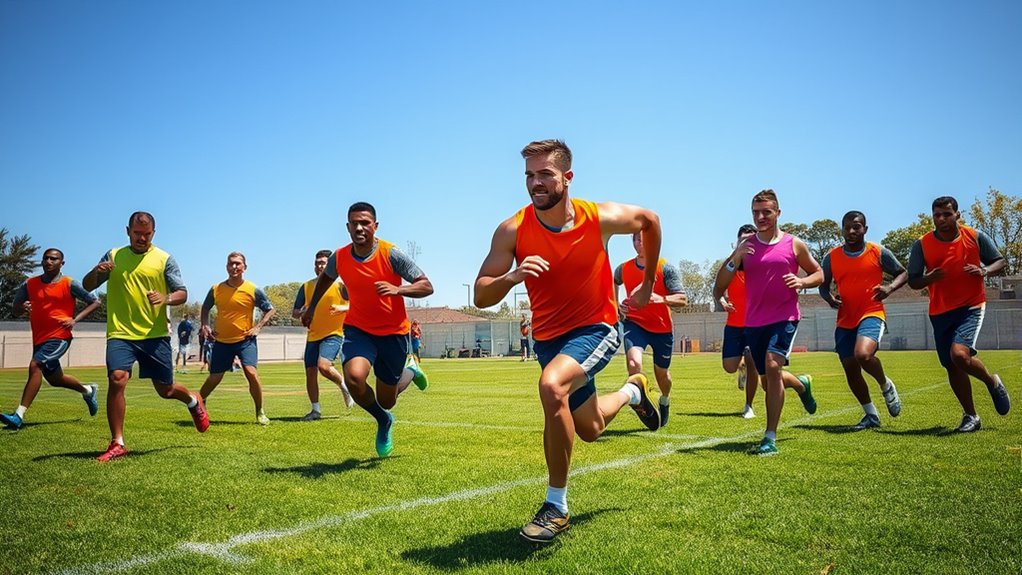
As the season wraps up, you might think it’s time to kick back and relax, but off-season training is essential for maintaining your edge in team sports. It’s during this critical period that you can focus on recovery strategies and nutrition planning to help you come back stronger for the next season. Neglecting these aspects could leave you at a disadvantage when it’s time to hit the field again.
First things first, let’s talk about recovery strategies. Your body’s been through a lot during the season, and it needs time to heal. Incorporate active recovery into your routine, which can include low-intensity activities like swimming or yoga. These exercises promote blood flow and help reduce muscle soreness. Don’t underestimate the power of rest days, either. Taking time off from intense training gives your muscles a chance to repair, ultimately leading to better performance down the line. You might also consider incorporating foam rolling and stretching sessions into your weekly schedule. These practices can enhance flexibility and prevent injuries, ensuring you’re ready when the season kicks off again. Additionally, using massage guns can provide targeted relief for sore muscles and enhance your recovery process.
Now, let’s explore nutrition planning. What you eat during the off-season plays a significant role in how well you recover and how prepared you are for the next season. Focus on a balanced diet rich in whole foods. Make sure you’re getting plenty of lean proteins, complex carbohydrates, and healthy fats. Lean meats, whole grains, fruits, and vegetables should be staples in your diet. Don’t forget to hydrate; staying well-hydrated is critical for recovery and overall health. You might find it helpful to plan your meals for the week ahead, so you’re less tempted to grab unhealthy snacks.
Additionally, consider adjusting your caloric intake based on your activity level. If you’re training less intensely, you might not need as many calories. But that doesn’t mean you should skimp on nutrients. Instead, focus on quality over quantity. Think about incorporating supplements if you’re struggling to meet your nutritional needs through food alone, but consult a nutritionist or healthcare provider first.
Top picks for "season train tips"
As an affiliate, we earn on qualifying purchases.
Frequently Asked Questions
How Do I Prevent Injuries During Off-Season Training?
To prevent injuries during off-season training, focus on injury prevention strategies like proper warm-ups and cool-downs. Incorporate training variability by mixing different exercises and intensities. This keeps your body adaptable and reduces overuse injuries. Also, listen to your body—if you feel pain, take a break. Hydration and nutrition play crucial roles, too, as they help your body recover and perform better. Make these adjustments, and you’ll stay healthy throughout your training.
What Nutrition Plan Should I Follow in the Off-Season?
You’ve gotta fuel your body like a high-performance machine! Focus on a balanced nutrition plan with meal timing that maximizes energy and muscle recovery. Eat a mix of protein, carbs, and healthy fats at regular intervals—think every 3 hours! Don’t forget hydration strategies; drink water like it’s the elixir of life. Add electrolytes during intense sessions, and you’ll keep your body primed for action. Your off-season nutrition’s key to leveling up!
How Can I Measure My Progress During Off-Season Training?
You can measure your progress during off-season training by tracking performance metrics like strength, speed, and endurance. Keep a training journal to note your workouts, improvements, and how you feel after each session. Regularly test your abilities, such as running times or lifting weights, to see tangible results. Review your journal weekly to identify trends and areas for improvement, ensuring you stay motivated and focused on your goals throughout the off-season.
Should I Focus on Strength or Endurance in the Off-Season?
You should focus on both strength and endurance in the off-season. Building strength helps with muscle recovery, while endurance training boosts your overall performance. Incorporate flexibility routines to enhance your range of motion and prevent injuries. Balancing these elements will keep your body prepared for the demands of your sport. Remember to listen to your body and adjust your training to guarantee you’re maximizing your off-season benefits effectively.
How Long Should My Off-Season Training Last?
Your off-season training should ideally last around 4 to 8 weeks, depending on your sport and personal goals. During this time, incorporate periodization planning to balance intensity and recovery. Focus on building strength and endurance while allowing your body to recover through effective recovery strategies, like rest days and proper nutrition. This approach helps you maintain fitness levels and prepares you for the upcoming season without risking burnout or injury.
Conclusion
As you embrace the off-season, think of it as a golden opportunity to refine your skills and enhance your performance. While others might be taking a break, you’ll be laying the groundwork for greatness. By focusing on strength, agility, and teamwork, you’ll return to the field sharper and more prepared than ever. So, seize this chance to blossom and watch your hard work pay off when the season kicks off again. Your future self will thank you!