
To train for your first triathlon swim, focus on incorporating a variety of strokes, especially freestyle and breaststroke, to enhance your efficiency and confidence. Gradually increase your swim distances to build endurance and practice in open water to acclimate to race conditions. Prioritize safety by wearing a brightly colored cap and swimming with a buddy. Embrace the journey as you prepare both mentally and physically, and explore more strategies to boost your training success.
Key Takeaways
- Incorporate a variety of strokes, focusing on freestyle for efficiency and breaststroke for better visibility and breathing control in open water.
- Familiarize yourself with local swim conditions and practice in open water to simulate race day environments and build confidence.
- Gradually increase swim distances to enhance endurance and stamina, preparing both physically and mentally for the race.
- Prioritize safety by wearing brightly colored swim caps, swimming with a buddy, and reviewing safety protocols before race day.
- Embrace your training journey, adapting to varying conditions, and remain committed to consistent practice for race success.

When you immerse yourself in training for your first triathlon swim, you’re not just preparing to get through the water—you’re setting the stage for a successful race. While many triathletes focus on freestyle techniques, it’s vital to incorporate a variety of strokes, including breaststroke techniques, into your practice. This approach not only enhances your versatility but also builds your confidence in handling different situations during the swim.
Breaststroke is particularly valuable in the open water setting of a triathlon. It allows you to maintain better visibility and control your breathing, which can be especially helpful when steering through waves or dealing with other swimmers. As you practice breaststroke, focus on your arm movement, ensuring you’re pulling the water efficiently while keeping your body streamlined. Don’t forget to integrate a strong kick; this will help propel you forward without wasting energy. To master these breaststroke techniques, try incorporating drills that isolate your arms and legs, allowing you to refine each part of your stroke.
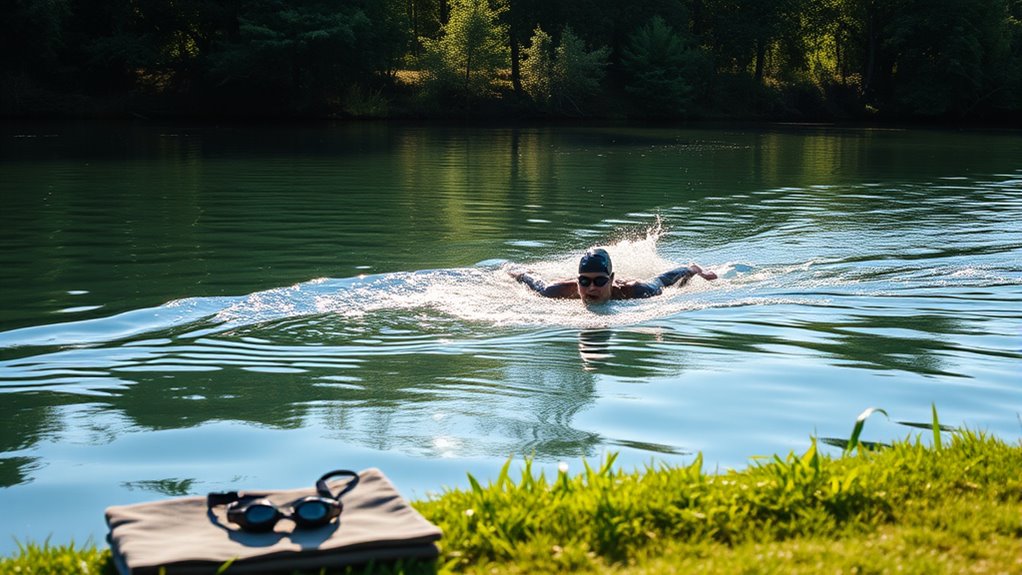
Open water safety is another vital aspect of your training. Unlike the controlled environment of a pool, open water presents unique challenges, such as currents, waves, and varying temperatures. Familiarize yourself with your local swim venue to understand the conditions you might face on race day. Consider practicing in open water as much as possible, gradually increasing your distance and exposure to different weather conditions. This experience will help you adapt to the varying sensations of swimming outdoors.
Always prioritize safety by wearing a brightly colored swim cap, which enhances your visibility to others. It’s also wise to swim with a buddy whenever you can. In case of an emergency, having someone nearby can make all the difference. Before your race, verify you review any safety protocols set by the event organizers, including how to signal for help if needed.
As you continue to train, focus on building your endurance. Incorporate longer swims into your routine, gradually pushing your distance each week. This will prepare your body for the challenge of the triathlon swim, guaranteeing you have the stamina to complete the course. Remember, your training isn’t just about mastering strokes; it’s about preparing mentally and physically for the adventure ahead. Embrace the journey, stay committed, and you’ll not only conquer the swim but also set the tone for a triumphant race. Additionally, understanding the importance of color accuracy in your training environment can further enhance your visual focus during the swim.

Sporti Power Swim Paddles – Swimming Training Hand Paddles – Adjustable Straps – Lap Swimming Gear (Medium, Black)
- Enhances Swim Training: Improves stroke technique and efficiency
- Ergonomic Comfort: Secure fit for all hand sizes
- Builds Strength and Endurance: Increases water resistance for muscle growth
As an affiliate, we earn on qualifying purchases.
As an affiliate, we earn on qualifying purchases.
Frequently Asked Questions
What Should I Eat Before My Swim Training Sessions?
Before your swim training sessions, focus on nutrition timing. Eat a light meal or snack rich in carbs about 30-60 minutes before you hit the water. Opt for options like bananas, oatmeal, or whole-grain toast. Don’t forget hydration strategies; drink water beforehand to stay hydrated. If you’re training longer, consider a sports drink to replenish electrolytes. Proper fueling will help you perform at your best and recover effectively after each session.
How Do I Choose the Right Swimsuit for Triathlon Swimming?
Imagine slicing through the water like a sleek fish; you can achieve that with the right swimsuit. Choose a swimsuit made from durable, stretchy material like polyester or spandex, ensuring it hugs your body without restriction. Focus on fit and comfort—try different styles to find what feels best. A well-fitted swimsuit will enhance your performance, keeping you streamlined and confident as you tackle those challenging swim legs in your triathlon.
Can I Use a Snorkel During My Training?
Yes, you can use a snorkel during your training! It’s a great tool for improving your breathing techniques, as it allows you to focus solely on your stroke without worrying about turning your head to breathe. However, while it’s helpful, don’t rely on it too much. Incorporate swim gear selection that includes other tools like fins and paddles to build strength and endurance in your swimming for the triathlon.
What Are the Benefits of Open Water Swimming?
Open water swimming enhances your mental endurance and boosts your confidence in unpredictable environments. For instance, consider a triathlete who struggled in pool settings but excelled in open water races after extensive practice. By training in lakes or oceans, you’ll improve your water safety skills, learn to navigate varying conditions, and adapt to the challenges of currents and waves. This experience not only prepares you physically but also strengthens your mental resilience during competitions.
How Do I Handle Anxiety Before a Race?
To handle anxiety before a race, focus on breathing techniques and mental visualization. Take deep breaths to calm your nerves; inhale slowly through your nose, hold for a moment, and exhale through your mouth. Picture yourself swimming smoothly and confidently in the water. Visualizing success helps reduce anxiety and boost your confidence. Remember, it’s normal to feel nervous, but with practice, you can channel that energy into a strong performance.

Swim Buoy with Dry Bag Compartment, High Visibility Open Water Swim Safety Buoy, Lightweight Swim Belt for Swimmers and Triathletes
- High Visibility Design: Ensures visibility in open water
- Stable Buoyancy: Provides comfortable resting support
- Lightweight and Streamlined: Weighs only 8 ounces for minimal drag
As an affiliate, we earn on qualifying purchases.
As an affiliate, we earn on qualifying purchases.
Conclusion
As you gear up for your first triathlon swim, remember that consistency is key. While some believe swimming’s all about technique, endurance plays a crucial role too. By committing to regular practice and incorporating varied drills, you’ll build both your skills and confidence. Embrace the water, and don’t shy away from challenges; they’re part of the journey. With determination and a solid training plan, you’ll be ready to conquer that swim leg and enjoy the entire triathlon experience.
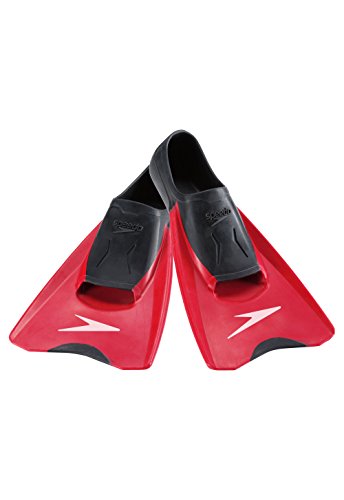
Speedo Unisex-Adult Swim Training Fin Rubber Medium Blade
- Innovative Rubber Swim Fin: Enhances training effectiveness
- 10º Blade Angle: Provides stability and engagement
- Increases Kick Cadence: Boosts training intensity without compromising technique
As an affiliate, we earn on qualifying purchases.
As an affiliate, we earn on qualifying purchases.

TYR Multi Silicone Cap, Orange/Pink, 7 x 4 x 1 inche
- Streamlined Design: Enhances swimming efficiency
- Durable & Hypoallergenic: Safe for sensitive skin
- Reduces Drag: Improves swim speed
As an affiliate, we earn on qualifying purchases.
As an affiliate, we earn on qualifying purchases.