
Wearing a swim cap can boost your performance considerably. It reduces drag, helping you swim faster and more efficiently. Plus, it protects your hair from chlorine and chemicals, keeping it healthier. If you’re competing or training seriously, a cap is worth considering. For casual swims, comfort might take priority, but understanding your options can help you make the best choice. Want to know more about different types and their benefits? There’s plenty to explore!
Key Takeaways
- Swim caps reduce drag, enhancing speed and performance, particularly important for competitive swimmers.
- They protect hair from chlorine and pool chemicals, keeping it healthier and reducing damage.
- Caps help contain hair, minimizing tangles and simplifying post-swim hair care.
- Different cap types (silicone, latex, lycra) cater to varying performance needs and comfort preferences.
- While competitive swimmers benefit greatly, casual swimmers may choose comfort over a cap.
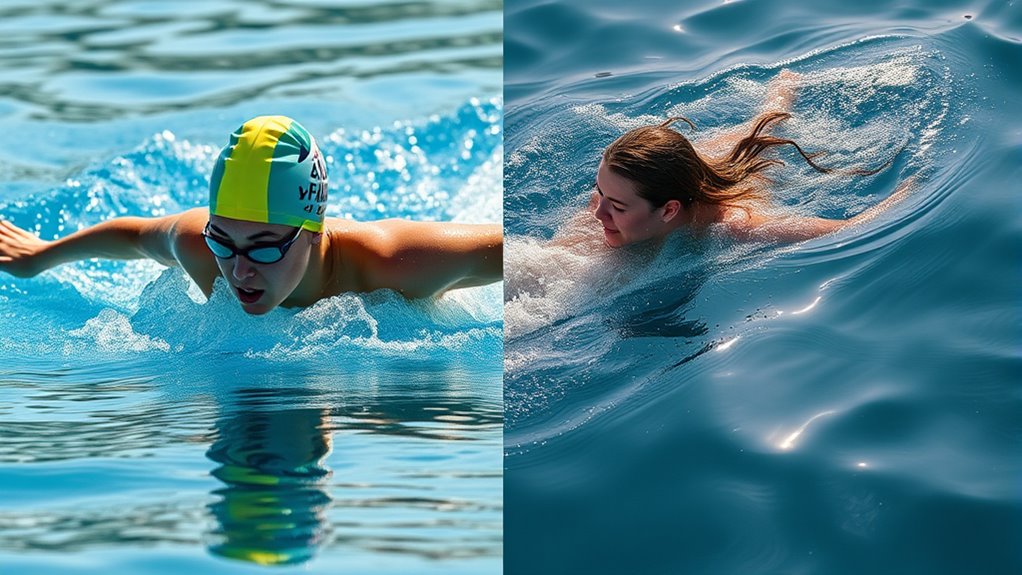
When you plunge into the pool, you might wonder whether to wear a swim cap or go without one. It’s a common dilemma among swimmers of all levels, and the decision can considerably impact your swimming experience. Swim caps come with various benefits, and understanding them can help you decide if they’re worth incorporating into your routine.
One of the primary swim cap benefits is that they help reduce drag. When you streamline your body in the water, every little bit counts, and a swim cap can create a smoother profile. This reduction in drag can enhance your speed and efficiency, allowing you to swim faster with less effort. If you’re training for competitions or just want to improve your performance, wearing a swim cap can be a simple yet effective way to achieve your goals.
Wearing a swim cap reduces drag, enhancing your speed and efficiency for a more effective swim.
Another important benefit is hair protection. Whether you have long locks or a short bob, swim caps can shield your hair from chlorine and other chemicals found in pool water. Over time, chlorine can damage your hair, making it dry and brittle. By wearing a swim cap, you minimize exposure and keep your hair healthier. Plus, if you’re dealing with thick or curly hair, a swim cap can help keep it contained, reducing tangles and making post-swim hair care easier.
When it comes to swim cap types, you’ll find several options available. Silicone caps are popular for their durability and comfort. They provide a snug fit without pulling on your hair, making them a great choice for long swims. Latex caps, on the other hand, are thinner and offer a tighter fit, which can be beneficial for reducing drag even more. If you prefer a more stylish option, you might consider a lycra cap. While they’re not as effective in reducing drag, they’re great for casual swims and offer more comfort.
Ultimately, the choice between wearing a swim cap or going without one comes down to your personal preferences and swimming goals. If you value performance and hair protection, a swim cap could be a game changer. On the flip side, if you’re just enjoying a leisurely swim, you might feel comfortable skipping it. Whatever you decide, understanding the swim cap benefits and types can help you make an informed choice that enhances your time in the water. Additionally, incorporating eco-friendly natural pools into your swimming routine can further enhance your overall experience by promoting a healthier aquatic environment.

TYR Silicone Swim Cap for Men and Women – Wrinkle-Free, Durable & Tear Resistant, Low Drag Training & Competition Cap, Black
- Performance Fit: Wrinkle-free, hydrodynamic silicone design
- Durable Material: Tear-resistant, long-lasting silicone construction
- Secure Comfort: Flexible, snug fit for all swim sessions
As an affiliate, we earn on qualifying purchases.
As an affiliate, we earn on qualifying purchases.
Frequently Asked Questions
Can Swim Caps Help With Ear Infections?
Yes, swim caps can help reduce the risk of ear infections. By keeping water out of your ears, they minimize exposure to bacteria and irritants often found in pools or open water. The swim cap benefits extend beyond just comfort; they also provide a barrier that helps keep your ears dry. If you’re prone to ear infections, wearing a swim cap during your swim can be a smart choice for better ear health.
Are There Different Types of Swim Caps?
Absolutely, there are different types of swim caps, each like a unique brushstroke on a canvas. You’ve got silicone, which hugs your head like a gentle cloud, and latex, offering a snug fit that’s as light as a feather. Consider your design preferences too—some caps flaunt vibrant colors or fun patterns, while others stick to sleek, minimalist styles. Choosing the right material and design can make your swim experience even more enjoyable!
How Do I Choose the Right Swim Cap Size?
To choose the right swim cap size, start by considering the fit. You want it snug enough to keep water out but not so tight that it causes discomfort. Measure your head circumference for accurate sizing. Next, think about material options; silicone offers durability and a tight fit, while latex provides a looser feel. Try on different sizes and materials to see what feels best for you in the water.
Do Swim Caps Affect Buoyancy While Swimming?
You’d think a swim cap might turn you into a buoyant dolphin, right? Surprisingly, swim caps don’t considerably affect your buoyancy. Instead, they enhance hydrodynamic efficiency by reducing water resistance. When you wear a cap, your head creates a smoother profile in the water, helping you glide better. So, while you won’t magically float like a cork, you will swim faster and more efficiently, making that cap worth considering.
Can Swim Caps Be Worn With Goggles?
Yes, you can definitely wear swim caps with goggles! In fact, most swimmers find that it enhances their experience. When choosing a cap, consider the material options like silicone or latex, as they can impact how well your goggles fit. Silicone caps tend to provide a better seal, which helps keep water out and allows for better goggles compatibility. Just make sure your goggles sit snugly over the cap for maximum comfort and performance!

TYR Latex Adult Swim Cap for Women and Men – Training and Recreational Swimming Hat with a Durable Latex Construction – Hydrodynamic Fit
- Durable Latex Construction: Engineered for long-lasting performance
- Hydrodynamic Fit: Reduces drag for better speed
- Secure, Snug Fit: Ribbed edges ensure it stays in place
As an affiliate, we earn on qualifying purchases.
As an affiliate, we earn on qualifying purchases.
Conclusion
In the end, choosing between a swim cap and going bare-headed is like deciding whether to wear a hat on a sunny day. While a swim cap can protect your hair and streamline your strokes, swimming without one lets you feel the water more fully. It’s all about what suits your style and needs. Whether you opt for the cap or not, enjoy the freedom of the water and plunge into your swimming journey with confidence.
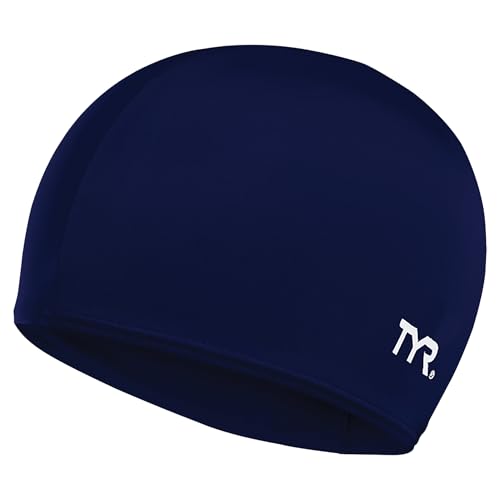
TYR Lycra Fiber Adult Swim Cap for Women and Men – Recreational and Training Cap for Lap Swimming, Casual Use – UPF 50+ Sun Protection – Nylon/Lycra
- Comfortable Fit: Easy to wear and remove with gentle fit
- Eco-Friendly Material: Made from 80% recycled nylon and Lycra
- Reduces Water Drag: Streamlined design for increased swimming speed
As an affiliate, we earn on qualifying purchases.
As an affiliate, we earn on qualifying purchases.

Speedo Unisex-Adult Swim Cap Silicone
- Chlorine-Resistant Silicone Material: Protects hair from chlorine damage
- Soft and Comfortable Texture: Gentle on hair and scalp
- Flexible and Durable Fit: Excellent stretch and longevity
As an affiliate, we earn on qualifying purchases.
As an affiliate, we earn on qualifying purchases.