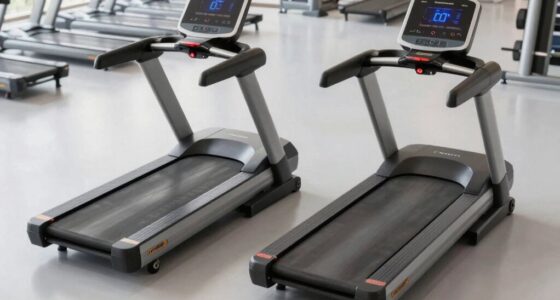

You might think cardio kills muscle gains, but that’s a myth. When managed properly, moderate cardio can actually support your muscle-building goals by improving blood flow, recovery, and overall fitness. Short, focused sessions at moderate intensity don’t interfere with muscle growth or recovery if you balance them with proper Nutrition and rest. To avoid potential pitfalls and maximize your progress, get all the details that can help you combine cardio and strength training effectively.
Key Takeaways
- Moderate, low- to moderate-intensity cardio does not hinder muscle gains when properly timed and managed.
- Excessive or high-intensity cardio may increase cortisol, potentially leading to muscle breakdown.
- Short, focused cardio sessions on rest days or after weightlifting support recovery without impairing gains.
- Proper nutrition and rest are crucial to prevent cardio from negatively affecting muscle growth.
- Combining cardio and strength training promotes overall fitness without sacrificing muscle development.

Are you looking to boost both your cardio endurance and muscle strength without overcomplicating your routine? Many people wonder if doing cardio will hinder muscle gains, leading to the common myth that cardio kills muscle. The truth is, it’s not that simple. Cardio efficiency isn’t about sacrificing muscle; it’s about balancing your workouts so you get the benefits of both. Incorporating cardio into your routine can actually support muscle recovery by improving blood flow, which helps deliver nutrients and remove waste products from your muscles. When you think about muscle growth, recovery plays a vital role, and cardio can assist in this process if done correctly.
Balancing cardio and strength training boosts recovery and supports muscle growth effectively.
A lot of folks assume that cardio will drain their energy and cause muscle loss, but this isn’t necessarily true. If you’re performing excessive cardio, especially long-duration or high-intensity sessions, it can interfere with muscle recovery and growth. That’s because too much cardio can lead to elevated cortisol levels, a hormone that breaks down muscle tissue when chronically elevated. However, moderate cardio, particularly low- to moderate-intensity sessions, can enhance your overall fitness without compromising your gains. It helps you build cardiovascular efficiency, which means your heart and lungs become more effective at supplying oxygen to your muscles during workouts. This increased efficiency supports your strength training by allowing you to perform better and recover faster.
The key is to integrate cardio thoughtfully, so it complements your strength training rather than competing with it. For example, doing short, focused cardio sessions on rest days or after your weightlifting workouts can boost circulation and speed up muscle recovery. Proper timing and intensity matter. If you’re worried about losing muscle, keep your cardio sessions moderate and limit their duration; 20-30 minutes is usually enough to reap the benefits without overtaxing your body. Additionally, training balance** plays a crucial role in preventing overtraining and ensuring optimal progress. Incorporating active recovery methods can also help maintain this balance and promote overall well-being. Interestingly, understanding the role of hormones** like cortisol can help you better tailor your cardio routines to avoid muscle catabolism.
Another tip is to prioritize nutrition and rest, which are essential for muscle recovery. Adequate protein intake, combined with quality sleep, ensures your muscles repair and grow stronger. It’s also important to recognize that landscaping and outdoor activities can contribute to your overall activity level and support a healthy, active lifestyle. Additionally, understanding the role of contrast ratio and other projector features can help optimize your fitness environment, making your workout space more engaging and motivating. When you balance cardio and strength training properly, you won’t just maintain your muscle mass—you might even accelerate your progress by improving overall endurance and recovery. Remember, cardio isn’t your enemy; it’s a tool that, when used correctly, enhances your fitness and supports your muscle-building goals. It’s all about finding that sweet spot where cardio boosts your health without undermining your gains.

TriggerPoint Grid 1.0 Foam Roller – 13" Multi-Density Massage Roller for Deep Tissue & Muscle Recovery – Relieves Tight, Sore Muscles & Kinks, Improves Mobility & Circulation – Targets Key Body Parts
IMPROVE MUSCLE RECOVERY – Multi-density GRID features a three-dimensional surface that provides more efficient muscle recovery by promoting…
As an affiliate, we earn on qualifying purchases.
As an affiliate, we earn on qualifying purchases.
Frequently Asked Questions
Can Cardio Improve Muscle Recovery?
Yes, cardio can improve muscle recovery by boosting your cardio metabolism, which helps deliver oxygen and nutrients to muscles more efficiently. It also enhances muscle flexibility by promoting better blood flow and reducing stiffness. Incorporating moderate cardio sessions into your routine can support faster recovery after workouts, prevent soreness, and keep your muscles healthy and resilient, ultimately aiding your overall muscle-building efforts.
Does Duration of Cardio Affect Muscle Growth?
Does longer cardio sessions hinder muscle growth? Not necessarily. The duration of cardio can impact muscle preservation and cardio efficiency. Shorter, moderate sessions boost cardiovascular health without compromising gains, while extended sessions might risk muscle breakdown if not balanced with proper nutrition and strength training. To maximize muscle preservation, keep cardio sessions efficient and tailored to your goals, ensuring they complement your strength routine rather than detract from it.
Is Low-Intensity Cardio Better Than High-Intensity?
Low-intensity cardio is generally better than high-intensity for maintaining muscle gains, especially when considering your caloric balance. It allows you to burn calories without overly taxing your muscles, making recovery easier. Focus on proper workout sequencing—doing cardio after strength training helps preserve muscle while boosting endurance. This way, you stay in a slight caloric deficit for fat loss without risking muscle loss, optimizing your overall progress.
How Often Should I Do Cardio Without Hindering Gains?
You should aim for 3 to 4 cardio sessions each week to balance gains and endurance. Focus on ideal scheduling by doing cardio on rest days or after strength training, so it doesn’t interfere with muscle recovery. Keep sessions moderate in intensity to preserve muscle mass. Adjust cardio frequency based on your goals, but maintaining this routine helps you build cardio health without sacrificing muscle gains.
Does Cardio Impact Muscle Endurance?
Did you know that engaging in regular cardio can actually boost your muscle endurance by improving cardiovascular health? Cardio impacts muscle endurance positively by reducing muscle fatigue during workouts, allowing you to sustain effort longer. It enhances blood flow, delivering oxygen and nutrients more efficiently to muscles. So, rather than harming your gains, cardio supports your stamina, helping you perform better in strength training and recover faster, ultimately benefiting your overall fitness.

EZON Heart Rate Monitor Chest Strap and Digital Watch,5ATM Waterproof Fitness Tracker with HRM,Calories Burned,Stopwatch and Hourly Chime – Ideal Fitness Presents for Men and Women (Black)
Precise Heart Rate Monitoring:The chest strap delivers precise and reliable heart rate monitoring across various exercises, from treadmill…
As an affiliate, we earn on qualifying purchases.
As an affiliate, we earn on qualifying purchases.
Conclusion
So, here’s the truth: cardio won’t ruin your muscle gains—think of it as the secret sauce that boosts your overall results. When done right, it’s like adding a sprinkle of magic to your fitness journey, not a wrecking ball. Don’t let the myth scare you away from cardio; instead, use it to supercharge your gains. Remember, you’re the master of your destiny, and with a balanced approach, you can conquer both cardio and muscle growth like a legend.

Dymatize Super Mass Gainer Protein Powder, Gourmet Vanilla, 52g Protein, 1g Creatine, 1280 Calories, 10.7g BCAAs, 245g Carbs, Contains Whey Protein Powder, Isolate, and Casein (8 Servings)
52G PROTEIN: Every servings contains 52g of protein to support muscle growth, repair, and recovery. If your goal…
As an affiliate, we earn on qualifying purchases.
As an affiliate, we earn on qualifying purchases.

Xtend Original BCAA Powder, 7g BCAAs and 2.5g L-Glutamine for Muscle Recovery Hydration and Lean Muscle, Sugar Free Intra and Post Workout Drink with Electrolytes, Watermelon Explosion, 30 Servings
THE WORLD’S #1 BCAA BRAND: XTEND leads global recovery with 7g of BCAAs in the proven 2:1:1 ratio…
As an affiliate, we earn on qualifying purchases.
As an affiliate, we earn on qualifying purchases.