Power meters are invaluable for training because they give you precise, real-time data on your effort, helping you train more effectively. They measure the actual force you put on the pedals, not just speed or cadence, and allow you to set specific watt targets. Combining power data with heart rate shows how efficient you are and guides adjustments. Regular calibration guarantees accuracy, so you can trust your progress and refine your goals. Keep exploring to unlock even more insights.
Key Takeaways
- Provide real-time, objective data on effort, enabling precise and effective training adjustments.
- Measure actual force on pedals, offering more accurate insights than speed or cadence alone.
- Allow setting specific watt targets for indoor and outdoor workouts, improving training focus.
- Combine with heart rate data to optimize training zones and prevent overtraining.
- Enable detailed analysis of performance trends to set measurable goals and track progress effectively.

If you’re serious about improving your cycling performance, power meters are one of the most valuable tools you can invest in. They give you real-time data on your effort, which allows you to train more effectively and efficiently. Unlike traditional metrics like speed or cadence alone, power meters measure the actual force you produce on the pedals, giving you a clear picture of your work rate. This precision is especially beneficial if you’re into indoor cycling, where consistent effort matters for progress. Indoor cycling sessions can sometimes feel monotonous, but with a power meter, you can set specific watt targets, making your workouts more focused and measurable. It’s easier to stay motivated when you see tangible progress, and your power data provides that motivation by showing improvements over time.
One of the key advantages of power meters is how they work seamlessly with heart rate synchronization. When you pair your power data with heart rate monitors, you gain an extensive understanding of how your body responds to different levels of effort. This integration helps you optimize training zones, avoid overtraining, and tailor workouts to your specific fitness level. For example, if your heart rate is elevated but your power output is low, it might indicate fatigue or insufficient recovery. Conversely, high power with a lower heart rate suggests good efficiency. This kind of insight can guide you to fine-tune your training, ensuring you’re pushing yourself without risking burnout. Over time, tracking both metrics helps you identify patterns and adapt your training plan for maximum gains. Additionally, understanding the accuracy of power measurement helps you trust the data and make more informed training decisions. Recognizing the importance of consistent data collection can further enhance your training effectiveness. Furthermore, calibrating your power meter regularly ensures that your data remains accurate and reliable over time. Regular calibration also helps maintain the longevity of your equipment, preserving its performance and accuracy.
By analyzing detailed data from your power meter, you can better understand your performance trends and adjust your training strategies accordingly. Power meters also enable you to set precise goals, whether you’re aiming for a certain FTP (Functional Threshold Power) or trying to improve your sprint wattage. They allow you to analyze your performance in detail, breaking down your efforts into intervals or specific segments. This level of detail helps you identify weaknesses and focus your training on areas that need improvement. Plus, many power meters are compatible with indoor cycling platforms, making it easier to simulate outdoor rides, analyze your effort, and track progress consistently. When you combine this with heart rate synchronization, you get a thorough view of your physical response, making your training smarter and more effective.
In essence, power meters are invaluable because they turn subjective effort into objective data. Whether you’re riding outdoors or indoors, they give you the tools to train intelligently, monitor your progress, and push your limits safely. When paired with heart rate synchronization, your training becomes even more personalized, helping you reach your cycling goals faster and more efficiently.
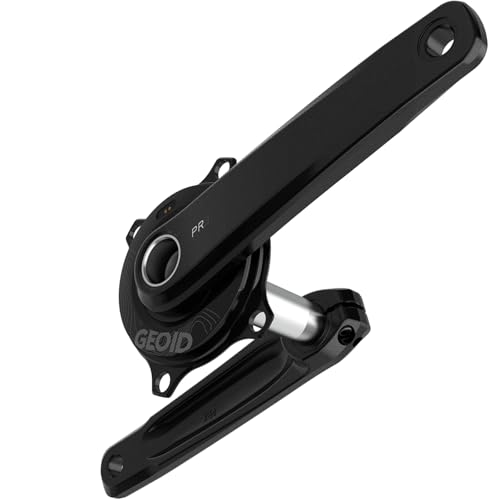
GEOID PM500 Bike Power Meter Crankset, ±1.5% Accuracy, Lightweight 680g, 300h Long Battery Life, 110BCD, Bluetooth & ANT+, IPX7 Waterproof Cycling Power Meter for Road Bikes – 165mm
【±1.5% Power Accuracy for Reliable Data】With a dual-sensor fusion algorithm that integrates high-sensitivity strain gauges with an accelerometer,…
As an affiliate, we earn on qualifying purchases.
As an affiliate, we earn on qualifying purchases.
Frequently Asked Questions
How Accurate Are Power Meters During Different Weather Conditions?
Power meters are generally accurate across various weather conditions, but weather impact can affect their readings if sensors aren’t properly calibrated. Extreme temperatures, rain, or humidity might cause small fluctuations, so you should regularly calibrate your sensor to maintain precision. By ensuring proper calibration and considering weather factors, you can trust your power meter’s data during different conditions, making it a reliable tool for your training.
Can Power Meters Be Used for Swimming or Water Sports?
Like a trusty beacon in the storm, waterproof technology makes power meters usable for water sports. You can definitely use them for swimming, but watch out for submersion challenges. Not all models are fully waterproof, and prolonged exposure to water can affect accuracy. Choose a power meter designed specifically for aquatic activities, and you’ll gain reliable data to improve your swim performance without risking damage or losing valuable metrics.
What Is the Typical Lifespan of a Power Meter Device?
A power meter typically lasts around 5 to 10 years, depending on your calibration accuracy and battery lifespan. You should regularly calibrate it to guarantee precise readings and replace the battery when it shows signs of weakening. Proper maintenance extends its lifespan, so you get the most reliable data for your training. With good care, your device can serve you well through many seasons of performance improvements.
Are Power Meters Compatible With All Cycling Bikes?
Think of your bike like a puzzle piece—power meters aren’t compatible with all bikes. Bike compatibility varies, especially with older or non-standard frames. Installation can be straightforward on many modern bikes, but some may require adapters or professional help. Before buying, check your bike’s specifications and consult with a specialist to confirm the power meter will fit and function properly, giving you the most accurate training data.
How Do Power Meters Compare to Heart Rate Monitors for Training?
Power meters give you precise training analytics, providing real-time data on your effort and performance, unlike heart rate monitors that can lag or be affected by external factors. They’re often more accurate and consistent, making them a better choice for targeted training. Equipment compatibility varies, so confirm your bike supports the power meter you choose. Overall, power meters help you optimize your workouts and track progress more effectively.
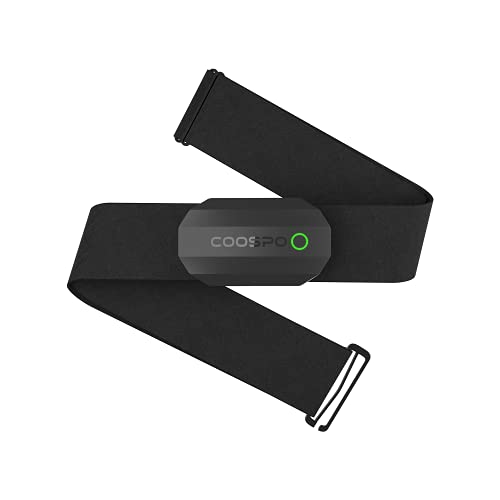
COOSPO Bluetooth Heart Rate Monitor Chest Strap H808S, ANT+ BLE HR Monitor Chest, HRM IP67 Waterproof, Use for Running Cycling Gym and Other Sports
±1BPM Accurate Heart Rate Monitor – The CooSpo HR sensor H808S can monitor high-performance real-time heart rate data…
As an affiliate, we earn on qualifying purchases.
As an affiliate, we earn on qualifying purchases.
Conclusion
Imagine riding without a power meter, your efforts just a guess in the dark. Now, picture knowing exactly how hard you’re pushing, like having a personal coach by your side. Power meters turn guesswork into precision, transforming your training from uncertain to unstoppable. They’re not just gadgets—they’re your secret weapon, illuminating your progress and fueling your growth. With a power meter, every pedal stroke becomes a step closer to your best, making your journey smarter, sharper, and more rewarding.
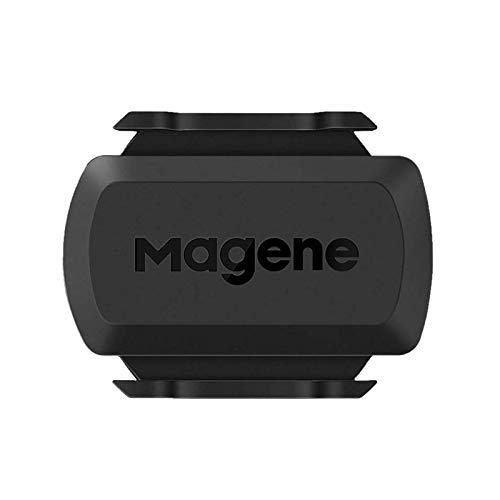
Magene Outdoor/Indoor Speed/Cadence Sensor for Cycling, Wireless Bluetooth/Ant+ Bike Computer RPM Sensor for Road Bike or Spinning Bike and Trainers Compatible with Onelap, Wahoo Fitness, Zwift
[Battery] Remove the insulating sheet of the pre-installed battery before usage; re-install the battery to switch between the…
As an affiliate, we earn on qualifying purchases.
As an affiliate, we earn on qualifying purchases.

Magene P715 S Power Meter Pedals – ±1% Precision, 120h Battery Life, Seamless Bike Compatibility, ANT+ & Bluetooth for Cycling
±1% Consistent Power Accuracy, Record Your Every Effort Precisely
As an affiliate, we earn on qualifying purchases.
As an affiliate, we earn on qualifying purchases.