TL;DR

Get workout gear delivered free — and shop member deals
- Fast, free delivery on millions of items
- Access to Prime Big Deal Days deals on October 6–7
- Prime Video, Amazon Music and more included
Home gym equipment sets are bundles of exercise gear sold together, ranging from resistance bands and a mat to a bench, weights, and rack. Compare the actual components, resistance range, footprint, safety limits, warranty, and full cost against the workouts you plan to do. A compact, expandable setup can be more useful than a large bundle with pieces you rarely use.
A box labeled home gym set might contain a mat and a few stretchy bands—or enough iron to make your spare room feel like a small weight room. That wide range makes the name alone a poor guide to what you’ll actually get.
This guide explains what counts as a set, how to match equipment to your workouts and available space, and which details to check before you pay. You’ll have a practical way to compare bundles without getting distracted by a long list of promised exercises.
Treat “home gym set” as a broad label; compare the actual components and specifications.
Choose equipment around three workouts you expect to repeat, then check that the bundle supports them.
Measure the equipment footprint, storage space, ceiling clearance, and room to move before ordering.
Check resistance range, fit, stated weight limits, assembly instructions, and equipment wear.
Add accessories, delivery, assembly, subscriptions, and replacement parts to the listed price.
What Do Home Gym Equipment Sets Actually Include?
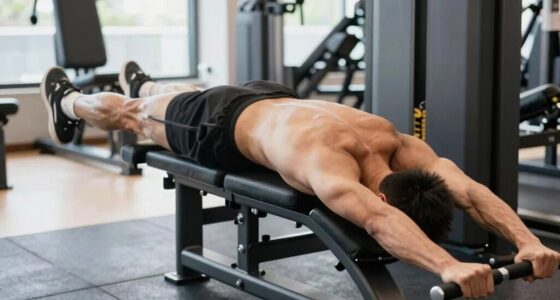
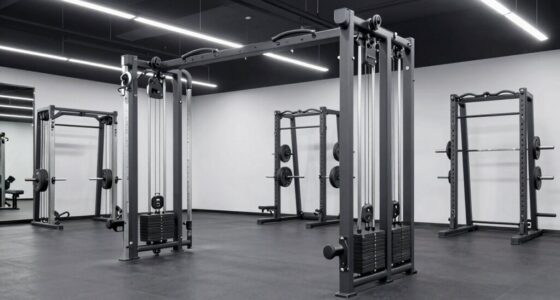
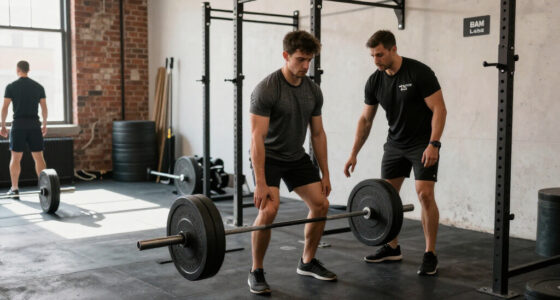
Home gym equipment sets are bundles of exercise equipment sold together for home use, but the contents can vary from a simple starter kit to a full strength setup. A small package may include resistance bands and a mat; a larger one may add dumbbells, a bench, a barbell, plates, and a rack. Compact cable machines and guided-resistance systems also appear under the home gym label. [1]
Think of the bundle name as a suitcase label: it tells you the general destination, not what’s packed inside. For example, a listing may show someone pressing a barbell from a bench, while the fine print reveals that the bench and weight plates cost extra.
Compare the included pieces and specifications rather than the number of exercises in the headline. Check whether weights, collars, storage stands, floor protection, and assembly tools come in the box, and read what each capacity figure measures. A machine’s maximum user weight, lifting capacity, and included resistance may be separate limits.
Match Your Set to the Workouts You’ll Really Do
Home gym equipment sets work best when their pieces support the workouts you’ll actually repeat. Strength training often calls for adjustable weights and perhaps a bench, while mobility work may need only a mat and bands. If you mainly want general fitness, a few versatile pieces may make more sense than a large machine.
Picture your Tuesday evening: you have 25 minutes before dinner and enough floor space for lunges, rows, and a stretch. Bands, a mat, and a pair of dumbbells could serve that routine well; a tall cable station might offer more options but take longer to set up and claim a corner all week.
Use this quick check before choosing a bundle:
- Name three workouts you expect to do most weeks.
- List the equipment each workout needs, including any bench or rack.
- Compare that list with what the bundle actually includes.
- Check how the equipment can progress as you get stronger, such as adding weight or changing resistance.
Resistance bands can offer useful challenge for many movements, though their loading feels different from free weights. Choose the resistance and exercise variation that let you move with control. If you have a pre-existing condition or need help adapting a routine, ask a qualified professional for guidance.
Compare Space-Saving Sets Before You Buy
Home gym equipment sets for small spaces usually rely on adjustable, foldable, or easy-to-store pieces. Adjustable dumbbells can replace several fixed pairs, while a folding bench can tuck away after a workout. The key is to measure the space you’ll use, including room to move and handle the equipment safely.
For instance, a compact apartment setup might fit under a desk or inside a closet between sessions, but still need an open patch of floor for a standing press. Measure the equipment’s assembled dimensions, ceiling clearance, and storage footprint, then mark the workout area with painter’s tape. That rectangle makes a product page’s dimensions easier to picture.
| Set type | Often suits | Check before buying |
|---|---|---|
| Bands and mat | Mobility, bodyweight work, and lighter strength routines | Band resistance levels, attachment points, and storage |
| Adjustable dumbbells and folding bench | Versatile strength sessions in a limited area | Weight range, adjustment method, bench stability, and storage space |
| Barbell, plates, and rack | Heavier lifts with dedicated workout space | Rack footprint, ceiling height, flooring, and safe bar clearance |
| Cable or guided-resistance machine | People who want several machine-based movements | Assembled dimensions, resistance limits, pulley ratio, and subscription terms |
A machine may guide a movement, while free weights ask you to control the load yourself. Each comes with setup and use considerations. Follow the manufacturer’s instructions and choose loads you can handle with proper technique.
Check Resistance, Fit, and Safety Details
Home gym equipment sets should fit your body and offer resistance you can use safely now, with room to adjust later. Look at the full weight range, band levels, adjustment options, and compatibility of add-on parts. On cable machines, check any stated pulley ratio and resistance limit so the numbers describe a usable setup.
Fit shows up in small details: whether a seat adjusts to your height, handles feel secure in your hands, and a bench stays steady through a set. Imagine testing a row and finding the handle too wide for a comfortable grip. An impressive exercise count won’t fix that mismatch.
Before your first workout, check weight limits, follow the assembly instructions, and secure racks or cable systems as directed. Use collars with barbells when the manufacturer recommends them, leave room to move, and inspect cables, fasteners, and bands for wear. A floor mat may protect surfaces and soften some noise, but it does not make every floor suitable for heavy lifting.
A safe setup is part of the equipment: stable flooring, enough room to move, and pieces adjusted to fit you.
Metal plates can clank against each other and may damage floors if dropped. In an apartment, bands, controlled repetitions, and lighter adjustable weights may be easier to live with than a routine built around dropping heavy loads. Check building rules and consider neighbors below you before setting up.
Compare the Full Cost, Not Just the Bundle Price
Home gym equipment sets are worth comparing by their complete setup cost, including any essentials the bundle leaves out. A lower sticker price can come with a limited weight range, fewer adjustments, or extra purchases such as a bench, collars, and storage. A larger machine may include more features but need more space and assembly.
Say two bundles cost different amounts: one includes adjustable dumbbells and a bench, while the other includes weights but no bench or stands. Add the price of the pieces you’ll need for your plan before deciding which is the better value. Also check delivery, installation, replacement parts, and return terms.
Look at the warranty by component, since coverage can differ between frames, cables, and accessories. For connected machines, check whether workouts require a subscription or internet access, and whether the equipment remains useful if you stop paying. App coaching can be a welcome nudge, but it should fit your budget over time.
A flexible starter kit can be a sensible choice if you’re unsure what you’ll use consistently. You might begin with bands, a mat, and adjustable weights, then add a bench after a few months of regular training. That gradual approach spreads the cost and helps you buy around real habits rather than guesses.
Use These Key Facts Before You Order
Home gym equipment sets deserve a final check against the room, workouts, and budget you have today. The phrase can describe very different bundles, and advertised exercise counts don’t tell you whether the right bench, resistance, or accessories are included. A clear checklist turns the product page into a practical decision.
Before placing an order, open the specifications and confirm the details that affect setup and daily use. For example, if you plan to lift after work in a spare bedroom, confirm the rack’s dimensions, ceiling clearance, delivery method, and flooring needs—not just the number of exercises shown in the photos.
- What’s included: verify weights, bench, collars, stands, and floor protection.
- Room and storage: compare assembled dimensions with workout and storage space.
- Progression and fit: check resistance range, adjustment options, and compatibility with upgrades.
- Safety and upkeep: review limits, assembly instructions, inspections, and maintenance needs.
- Total cost: include delivery, assembly, add-ons, subscriptions, and replacement parts.
- Support after purchase: check warranty terms, return rules, and parts availability.
Specifications and terms can change between sellers and products, so check the current listing or manufacturer information before ordering. The best bundle is the one that fits your routine and leaves enough room to use it comfortably.
Frequently Asked Questions
What equipment do I need to start a home gym?
Start with equipment that matches your routine and budget. A mat, resistance bands, and manageable weights can support a range of beginner workouts; add a bench or other pieces when your plan calls for them.
Are home gym equipment sets worth buying?
A bundle can save shopping time when its included items match your workouts. Compare it with the cost of buying only the pieces you need, including missing accessories, delivery, and assembly.
What is a good home gym set for a small space?
Look for adjustable or foldable equipment with practical storage, then measure the workout area and assembled footprint. Bands, a mat, and compact adjustable weights can suit some routines, but you still need safe room to move.
Are resistance bands enough for strength training?
Bands can provide useful resistance for many exercises, and different levels or positions can change the challenge. Their loading feels different from weights, so choose a band and movement you can control through the full range.
What should I check before buying a set online?
Confirm what the price includes, dimensions, resistance or weight limits, delivery and assembly details, return policy, warranty, and replacement-part availability. For a machine, check any app subscription and whether it works without connected features.
Conclusion
Choose a set by matching its actual pieces, resistance, and footprint to workouts you’ll repeat. Before you order, measure your space and price every add-on your plan needs.
A good home setup should invite you to move, not turn your spare room into a storage closet. Pick the pieces that make your next workout easy to start.
Fall Picks
fall essentials
As an affiliate, we earn on qualifying purchases.