

Beginners often jump into running too quickly without building a solid foundation, risking injury. Wearing improper shoes or gear can cause discomfort or harm, so it’s key to choose the right fit. Skipping warm-up and cool-down routines may lead to strains and longer recovery times. Overtraining without rest can cause fatigue and setbacks, while poor running technique reduces efficiency and increases injury risk. Keep these mistakes in mind, and you’ll be better equipped to stay safe and improve steadily.
Key Takeaways
- Starting with intense or long runs too quickly increases injury risk.
- Wearing improper shoes or gear can cause discomfort and foot injuries.
- Skipping warm-up and cool-down routines hampers muscle readiness and recovery.
- Overtraining without sufficient rest leads to fatigue, burnout, and injuries.
- Poor running technique and posture decrease efficiency and raise injury chances.

Under Armour Men's Charged Surge 4, (002) Black/Black/Black, 9.5, US
- Breathable Mesh Upper: Mesh upper with synthetic overlays for support
- Enhanced Ankle Cushioning: Comfortable cushioning around ankle collar
- Deluxe Comfort Sockliner: Molds to your foot for comfort
As an affiliate, we earn on qualifying purchases.
As an affiliate, we earn on qualifying purchases.
Jumping Into Running Too Quickly

Many beginners try to jump into running full-speed without building a solid foundation, which can lead to injuries or burnout. Instead, focus on gradual progression. Start with short, manageable runs and slowly increase your distance and intensity over time. This approach helps your body adapt safely, reducing the risk of overuse injuries. Rushing into longer or more intense runs too soon can strain your muscles, tendons, and joints. Remember, injury prevention is key to maintaining consistency and enjoying running long-term. Listen to your body and give yourself time to develop endurance gradually. Proper pacing is crucial for avoiding setbacks and building sustainable habits. Incorporating consistent maintenance routines can help prevent issues that might otherwise lead to setbacks. Being mindful of training volume can also help you stay within safe limits and avoid overtraining. Paying attention to training load management is essential for injury prevention and long-term progress. By respecting your limits and progressing carefully, you’ll build strength and confidence without setbacks. Patience and steady growth are essential for a sustainable running routine.

Under Armour Men's Charged+ Assert 11 Running Shoe, (002) Black/Black/Black, 11.5, US
- Upper Material: Athletic mesh with leather overlays
- Midsole Cushioning: Charged+ foam for comfort
- Outsole: Rubber with traction and flex grooves
As an affiliate, we earn on qualifying purchases.
As an affiliate, we earn on qualifying purchases.
Wearing the Wrong Shoes or Gear

Wearing the wrong shoes or gear can considerably increase your risk of injury and make running uncomfortable. Proper footwear selection is vital; ill-fitting shoes can cause blisters, sore spots, and even stress fractures. Make sure your shoes provide adequate support and cushioning for your foot type. Pay attention to gear fit—clothing should be snug but not restrictive, allowing freedom of movement and preventing chafing. Investing in the right running shoes tailored to your gait and foot arch can improve comfort and performance. Avoid generic or worn-out shoes, as they can lead to imbalance and injuries. Remember, well-fitted gear enhances your running experience and helps you stay injury-free. Take time to choose gear that fits properly and supports your body during every run. Additionally, choosing the right off-road top speed equipment can ensure safety and efficiency in varied terrains. Proper shoe maintenance and regular replacement are also essential to keep your shoes in optimal condition and prevent injuries. Regularly inspecting your shoes for wear and tear can help you identify when it’s time for a new pair before injuries occur. Incorporating proper cleaning techniques can extend the life of your running shoes and maintain their supportive properties. Also, understanding the importance of natural terrain can help you select appropriate footwear for different running environments.
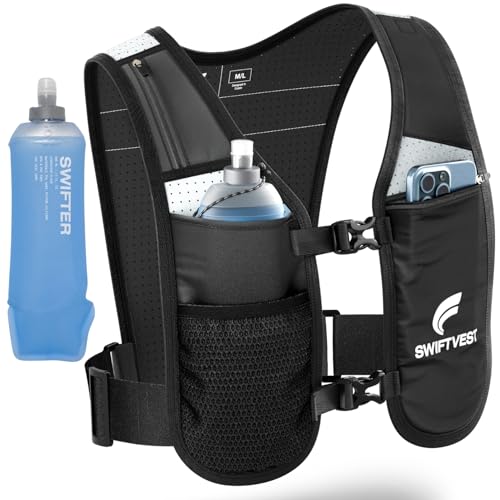
SWIFTVEST Running Vest for Women & Men with Water Bottle | Lightweight Hydration Vest | Reflective Running Gear | Adjustable Fit | 6 Pockets | Phone Holder for Runners
- Secure Storage with 6 Pockets: Easy-access storage for essentials
- Water-Resistant & Weatherproof: Protects belongings in rain or shine
- Breathable & Reflective Design: Enhanced visibility and comfort
As an affiliate, we earn on qualifying purchases.
As an affiliate, we earn on qualifying purchases.
Ignoring Proper Warm-Up and Cool-Down Routines

Skipping proper warm-up and cool-down routines can considerably increase your risk of injury and hinder your overall running performance. Starting with dynamic stretching prepares your muscles and joints for activity, reducing strain and improving flexibility. A proper warm-up gradually increases your heart rate and loosens your muscles, making your run smoother and safer. Equally important is cooling down after your run, which helps your body recover and prevents stiffness. During this phase, guarantee proper hydration to replenish lost fluids and support muscle recovery. Neglecting these routines can lead to strains, cramps, and longer recovery times. Incorporating a few minutes of dynamic stretching before your run and gentle stretching afterward will make a significant difference in your comfort and overall progress as a runner. Additionally, utilizing energy-efficient cloud servers can support your training data management and performance tracking in a sustainable way. Paying attention to proper recovery techniques can further enhance your endurance and reduce injury risk, ensuring consistent progress over time. Incorporating proper hydration strategies is also essential for maintaining optimal performance and speeding up recovery. Using a training journal to monitor your routines and progress can help identify areas for improvement and optimize your warm-up and cool-down practices.

Jevvu Shoe Cleaner, 6.76fl.oz Sneaker Cleaner Foam for Removing Stains and Dirt, Shoe Cleaning Kit for White Shoes, Leather, Knit, Boots, Canvas, Fabric, Tennis
- Deep cleans dirt and stains: Removes dirt, dust, and tough stains effectively
- Compatible with all shoe types: Suitable for various materials and colors
- Gentle, safe formula: Protects shoes while cleaning gently
As an affiliate, we earn on qualifying purchases.
As an affiliate, we earn on qualifying purchases.
Overtraining Without Rest Days

Pushing yourself to run every day without taking scheduled rest days can lead to overtraining, which hampers your progress and increases injury risk. Without proper recovery, your muscles don’t get the chance to repair and strengthen, making injuries more likely. Incorporate recovery techniques like stretching, foam rolling, and adequate sleep to help your body recover effectively. Rest days are essential for injury prevention, giving your joints and muscles time to heal and adapt. Skipping rest can cause fatigue, burnout, and setbacks in your running goals. Listen to your body and schedule regular recovery periods. This balance ensures you stay consistent and healthy, allowing you to improve steadily while minimizing the risk of overuse injuries. Proper rest is a key component of a sustainable running routine. Somatic therapy techniques like breathwork and movement therapy can also support your body’s recovery process, helping prevent burnout and promote overall well-being. Incorporating evidence-based recovery methods can further enhance your ability to train consistently and safely, emphasizing the importance of rest and recovery in a balanced training plan. Additionally, understanding how muscle repair and adaptation occur during rest can motivate you to prioritize recovery as part of your training strategy. Recognizing the role of proper nutrition in recovery can also accelerate healing and strengthen your muscles between runs.
Neglecting Technique and Running Form

Neglecting proper running technique can substantially increase your risk of injury and reduce your efficiency. Poor posture correction often leads to unnecessary strain on your muscles and joints, making runs more tiring and injury-prone. Focus on maintaining an upright posture, keeping your shoulders relaxed, and engaging your core. This not only improves your stride efficiency but also enhances your running comfort, helping you run smoothly and conserve energy. Avoid overstriding or landing heavily on your heels, which can cause impact injuries. Instead, aim for a quick cadence with a midfoot strike to reduce stress on your legs. Paying attention to your form consistently boosts your endurance and prevents common mistakes that derail your progress. Incorporating proper technique practices into your routine can make a significant difference in your running performance and injury prevention. proper technique is essential for safe, effective, and enjoyable running.
Frequently Asked Questions
How Do I Prevent Injuries From Running Too Much Too Soon?
To prevent injuries from running too much too soon, focus on proper hydration and gradual progression. Drink water before, during, and after your runs to stay well-hydrated. Increase your mileage and intensity slowly, giving your body time to adapt. Listen to your body’s signals and rest when needed. This approach helps avoid overuse injuries, keeps you healthy, and guarantees you enjoy running as you build endurance.
What Are the Signs of Wearing the Wrong Running Shoes?
Did you know that 70% of runners experience injuries due to improper footwear? When your shoes don’t fit well or lack proper arch support, you might notice discomfort, blisters, or pain in your knees and hips. Worn-out shoes often cause instability and reduce shock absorption. If these signs appear, it’s time to replace your shoes. Proper shoe fit and adequate arch support are essential for comfortable, injury-free running.
How Long Should Warm-Up and Cool-Down Routines Last?
You should aim for about 5-10 minutes for your warm-up and cool-down routines. During warm-up, do stretching routines like leg swings and light jogging to prepare your muscles, while cool-down should include gentle stretches to improve flexibility. Remember to follow hydration strategies by drinking water before and after runs to stay hydrated. This approach helps prevent injuries and promotes recovery, making your running experience more enjoyable.
How Can I Tell if I’M Overtraining?
Imagine your body as a car; if you ignore warning lights, you risk breaking down. Signs of fatigue, persistent soreness, and declining performance indicate overtraining. If you find yourself running more frequently but feeling exhausted or unmotivated, it’s a red flag. Pay attention to these signals, reduce your running frequency, and give your body time to recover. Listening closely helps prevent injury and keeps your progress steady.
What Are Common Mistakes in Running Technique for Beginners?
You often overlook your proper stride and breathing techniques, which can lead to inefficiency and injury. Focus on landing softly with a midfoot strike and keep your stride relaxed and natural. Practice deep, rhythmic breathing to supply your muscles with oxygen and reduce fatigue. Avoid overstriding and shallow breaths, as these mistakes slow you down and increase strain. Improving your form with attention to your stride and breathing helps you run more comfortably and effectively.
Conclusion
By avoiding these common mistakes, you’ll set yourself up for a more enjoyable and injury-free running journey. Remember, progress takes time, and listening to your body is key. Are you ready to lace up with confidence and run smarter from the start? Keep these tips in mind, stay consistent, and watch your running improve with each step. Your best run is just ahead—are you prepared to make it happen?