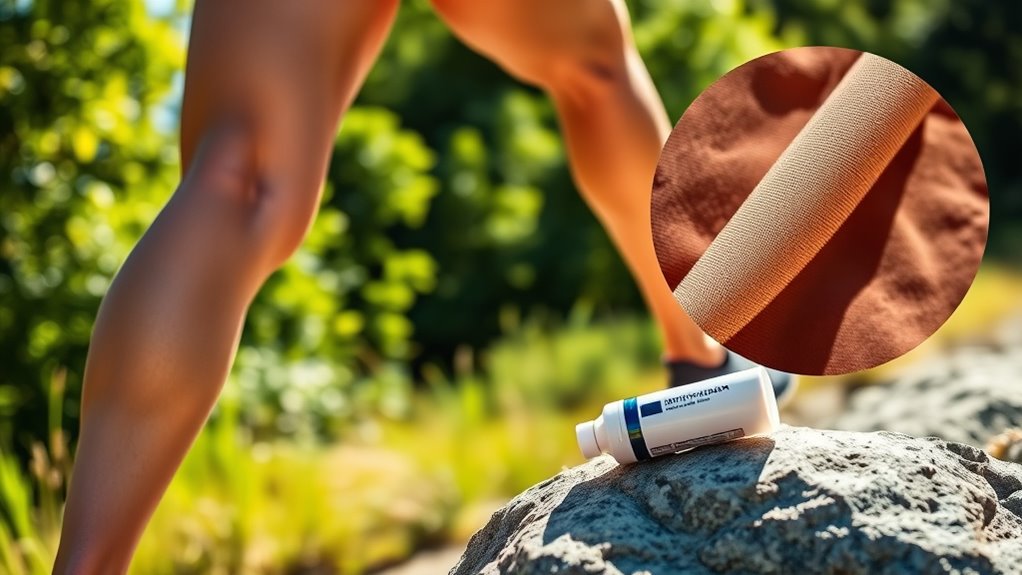

To prevent chafing while running, choose moisture-wicking fabrics like polyester or nylon and wear snug-fitting clothing to minimize movement and friction. Avoid cotton, as it traps moisture. Apply anti-chafing balms on prone areas like your inner thighs and underarms, and reapply as needed, especially during long runs. Be proactive—monitor for discomfort and adjust your gear or lubricant promptly. There’s more to learn about maintaining your comfort on the run.
Key Takeaways
- Choose moisture-wicking fabrics like polyester and nylon to minimize skin friction and keep dry during runs.
- Opt for snug-fitting clothing to reduce movement and prevent chafing caused by shifting garments.
- Apply anti-chafing balms on prone areas like inner thighs, underarms, and nipples for added protection against friction.
- Reapply lubricant during longer runs to maintain a protective barrier against chafing as sweat increases.
- Regularly monitor your skin and clothing fit, making adjustments or reapplying lubricant as needed to prevent discomfort.

When you’re out running, the last thing you want is to be distracted by chafing. That uncomfortable, irritating sensation can ruin your stride and derail your focus. To keep your runs enjoyable, it’s essential to pay attention to two key factors: proper clothing and skin lubrication.
First, let’s talk about proper clothing. Choosing the right gear is crucial for preventing chafing. Look for moisture-wicking materials that draw sweat away from your skin, keeping you dry. Fabrics like polyester and nylon are excellent choices because they reduce friction and help maintain comfort. Avoid cotton, as it absorbs moisture and can lead to increased friction against your skin. Also, consider the fit of your clothing. Loose-fitting garments may seem comfortable, but they can shift around and cause irritation. Instead, opt for fitted or snug clothing that moves with your body, minimizing the chances of chafing during your run.
Choosing moisture-wicking, fitted clothing is essential to prevent chafing and ensure a comfortable run.
Next, skin lubrication plays an important role in your chafing prevention strategy. Applying a good lubricant to areas prone to friction can make a world of difference. Look for products specifically designed for athletes, such as anti-chafing balms or creams. These products create a protective barrier between your skin and your clothing, reducing friction as you move. Areas like your inner thighs, underarms, and nipples are common trouble spots, so don’t skimp on applying lubrication to those areas before you hit the pavement. Additionally, consider incorporating proper clothing choices into your routine, as they can significantly enhance your running experience.
You might also want to consider reapplying skin lubrication on longer runs. A quick touch-up can ensure that your skin stays protected, especially if you’re sweating heavily. Sometimes carrying a small tube of lubricant in your pocket or armband can come in handy for those longer distances.
In addition to proper clothing and skin lubrication, be mindful of your body’s response during your runs. If you start to feel discomfort, take a moment to assess your gear and consider if adjustments are needed. Sometimes, it’s as simple as shifting your clothing or reapplying lubricant.
As an affiliate, we earn on qualifying purchases.
Frequently Asked Questions
Can Chafing Occur in Cold Weather While Running?
Yes, chafing can definitely occur in cold weather while running. When you’re layering up, make sure to choose moisture-wicking fabrics that keep sweat away from your skin. Even in cooler temperatures, moisture can accumulate and lead to friction. If you’re not careful with your layering strategies, you might find yourself dealing with chafing. So, pay attention to your clothing choices and always opt for breathable, comfortable materials to minimize the risk.
How Does Body Weight Influence Chafing Risk?
Body weight can profoundly influence your chafing risk. For instance, if you weigh more, you might experience increased friction points where your skin rubs against itself or your clothing. Imagine a heavier runner feeling discomfort under their arms or between their thighs during a long run. This extra weight can lead to more intense friction, making it essential to choose the right gear and pay attention to these areas to minimize chafing.
Are Certain Running Surfaces More Prone to Chafing?
Certain running surfaces can influence chafing risk. For instance, rough terrains like gravel can cause more friction against your running gear than smooth pavement. If you’re wearing clothing materials that aren’t moisture-wicking or breathable, this can exacerbate the problem. Opt for high-quality fabrics like polyester or nylon to minimize irritation. Always pay attention to the surface you’re running on and adjust your gear accordingly to keep chafing at bay.
Can Diet Affect My Likelihood of Experiencing Chafing?
Absolutely, your diet can impact your chafing experience like a double-edged sword. If you’re well-hydrated, your skin’s elasticity improves, reducing friction. On the flip side, poor hydration levels can lead to dryness, making chafing more likely. Also, your clothing choice matters; lightweight, moisture-wicking fabrics can help. So, fuel your body with plenty of water and balanced nutrition, and you’ll be better equipped to tackle those miles without the worry of chafing!
Is Chafing More Common in Longer Runs or Races?
Chafing is definitely more common in longer runs or races. As you push your limits, the friction from your running attire increases, leading to skin irritation. The longer you run, the more your clothes rub against your skin, especially in sensitive areas. To minimize this, choose moisture-wicking fabrics and make certain your gear fits well. Paying attention to your attire can make a big difference in your comfort during those extended runs.
As an affiliate, we earn on qualifying purchases.
Conclusion
In the grand race of life, don’t let chafing be your Achilles’ heel. By choosing the right gear, applying anti-chafe products, and staying hydrated, you can run freely like the wind. Embrace these strategies, and you’ll glide over miles without the nagging discomfort that can slow you down. So lace up your shoes, hit the pavement, and conquer your run without the sting of chafing holding you back. You’ve got this!
fitted running shorts nylon polyester
As an affiliate, we earn on qualifying purchases.
As an affiliate, we earn on qualifying purchases.
As an affiliate, we earn on qualifying purchases.