TL;DR
Adjustable dumbbell sets combine several weight options in one pair of handles, saving space while supporting many home strength exercises. Compare the maximum weight per dumbbell, increments, adjustment speed, grip, storage needs, and care instructions before buying; those details matter more than a headline weight figure.
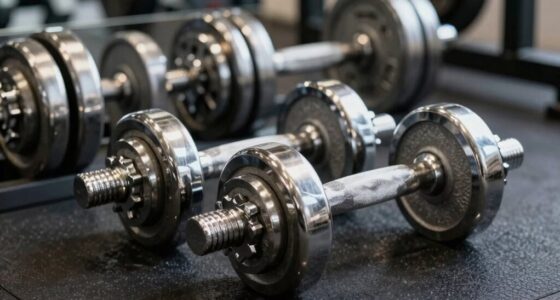
A compact pair of adjustable dumbbells can replace a row of metal weights, but the number on the box may not mean what you think. Some listings describe the combined weight of both dumbbells, while others highlight the maximum load on one. That small difference can change whether a set suits your workout.

Get workout gear delivered free with Prime
- Fast, free delivery on millions of items
- Prime Video, Amazon Music and more included
- Member-only deals all year
Adjustable dumbbell sets let you change resistance using a dial, pin, lever, or removable plates. You’ll learn how to compare their weight ranges, judge the adjustment system, and spot practical details such as handle comfort and storage space. A few careful checks can help you choose a pair that fits your home and leaves room to progress.
Think of the right set like a well-packed toolbox: useful because it gives you options, but only if the tools inside fit the job. If you train in a spare bedroom or share a living room, the space saved may matter as much as the heaviest setting.
Check whether an advertised weight refers to one dumbbell or the combined pair.
Compare the lightest setting and increments as well as the maximum load.
Choose an adjustment system that matches how often you change weights during a workout.
Measure the storage tray and check handle shape, grip, and balance against your exercises.
Follow the manufacturer’s locking, care, and drop guidance; not every model is built to be dropped.
How One Pair Can Cover Many Home Exercises
Adjustable dumbbell sets combine multiple weight options in one pair of handles, so you can train with different loads without storing a separate pair for every exercise. A selector dial, pin, lever, or plate-loading system changes the resistance. That compact setup can suit home workouts that move from presses to curls and lunges.
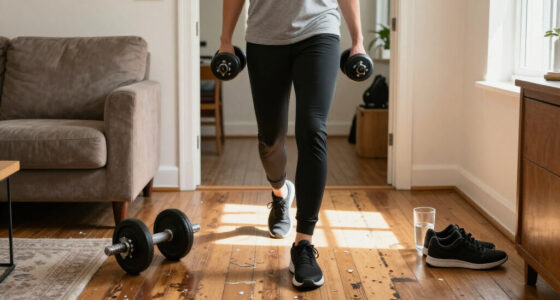
For example, you might use a lighter setting for shoulder raises, then select more weight for rows. With fixed dumbbells, that session could call for several pairs lined up on the floor. Adjustable models keep the footprint smaller, though the cradle or storage tray still needs a stable place to sit.
The tradeoff is that one adjustable handle may feel bulkier than a traditional dumbbell. The ends can sit close to your wrists during a curl or brush your chest on a press. If possible, check the handle length and shape in person, or read dimensions carefully before ordering.
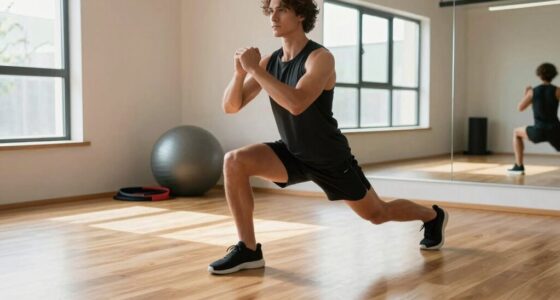
These sets can support many familiar movements, including presses, rows, curls, raises, and lunges, as long as the chosen load and equipment design suit the exercise. They may not match a full rack’s quick grab-and-go convenience or its heavier options. If you want a small home setup for general strength work, one pair can still cover a lot of ground.
Products Worth Considering

BowFlex Results Series SelectTech Adjustable Dumbbells

Philips Sonicare 7300 Rechargeable Electric Toothbrush with 3 Brush Heads, Black
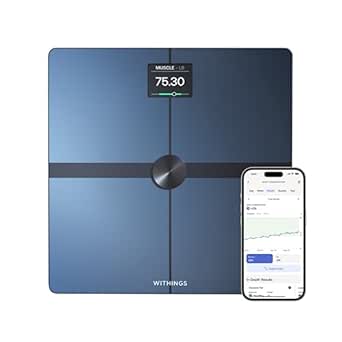
Withings Body Smart Accurate Scale for Body Weight, Fat Percentage and Body Composition
As an affiliate, we earn on qualifying purchases.
Choose a Weight Range That Fits Today and Leaves Room to Grow
Pick a set whose lightest setting works for controlled smaller movements and whose maximum per dumbbell supports your heavier exercises. Small increments can make gradual progress easier, especially if a large jump would spoil your form. Check the full range and every available step instead of relying on the biggest number in a product title.
Imagine you’re starting with home strength workouts and use a modest load for shoulder raises but a heavier one for a floor press. If the set jumps in large steps, you may find the next setting too demanding for the raises even when your pressing strength improves. Finer increments offer more room to adjust, though the best choice depends on your current training and how quickly you progress.
Read the weight description carefully: listings may state the total weight of the set or the maximum weight for one dumbbell. If a pair is advertised by its combined capacity, each handle may hold only a portion of that figure. That difference matters when you plan two-handed exercises or compare options.
Adjustable dumbbells combine multiple weight options, but a broad range is useful only if you can control the settings you’ll use. Make a short list of exercises you do now, the loads you need, and the loads you expect to work toward. If you have a pre-existing condition or are unsure which movements suit you, ask a qualified professional for guidance before starting a routine.
Compare Adjustment Systems Before You Buy
Selector and dial systems generally make weight changes faster, while plate-loaded designs take more handling but can have a simpler layout. The mechanism affects the rhythm of your workout: a quick turn can help you switch loads between sets, while adding or removing plates takes longer. Check how each system locks the weight in place.
Here’s a practical comparison: if you alternate between light raises and heavier rows, a selector system may make those changes smoother. If you follow a steady routine and rarely adjust the load, a plate-loaded handle may feel perfectly manageable. Neither design suits every training style, and the details vary by model.
| Feature | Selector or dial | Plate-loaded |
|---|---|---|
| Changing weight | Often quick to select | Requires handling plates |
| Training flow | Handy for frequent changes | Works for fewer changes |
| What to inspect | Selector movement and lock | Plate fit and collar security |
Before each lift, follow the manufacturer’s instructions and confirm the selected plates are secured. Don’t assume that a fast selector or snug-looking collar is enough without checking the actual locking process. For example, take a moment to confirm both ends before pressing overhead; that quick pause is part of using the equipment as designed.
Test the Grip, Balance, and Shape Against Your Workout
A set feels right when its handle fits your grip, its balance feels predictable, and its shape stays clear of your body through the movement. Adjustable models can be wider or more blocky than fixed dumbbells because their ends hold plates and mechanisms. Those differences may show up during presses, curls, or exercises close to your sides.
Picture a floor press in a small room: you lower the weights, and the broad ends nudge your ribs before your arms reach a comfortable depth. That doesn’t mean every adjustable dumbbell will feel awkward, but it shows why dimensions and shape matter beyond the weight range. A rubberized or textured handle may also feel more secure when your palms get warm.
When comparing options, look for the handle length, grip texture, overall balance, and shape of the weight ends. If a shop lets you try a set, test a curl and a controlled press rather than only lifting it once. If you’re buying online, use the product dimensions and credible user details to picture where the weight sits relative to your wrist and body.
Your exercise choices matter here. A compact shape may work well for rows and lunges but feel restrictive on a movement that brings the dumbbell close to your shoulder. Choose for the movements you’ll actually repeat each week, not just for a display photo of the dumbbell on its tray.
Check Storage, Price, and Expansion Costs Together
One pair can take up less room than several fixed-dumbbell pairs, but the tray still needs a dedicated footprint. Measure the shelf, floor corner, or closet where you intend to keep it, and check the handle dimensions as well as the tray. A set that fits neatly beside your desk may be a better match than one that blocks a hallway.
Consider the full cost, not only the price on the product page. Compare how many settings you get, the maximum load per dumbbell, build quality, warranty, and whether the listing includes one dumbbell or two. For instance, a lower-priced single unit may look like a bargain until you realize you need to buy a second one for paired movements.
Some sets offer compatible add-on plates or expansion kits. That can let you start with a lighter range and add capacity later, but check compatibility and the final maximum load before counting on that option. A future expansion is useful only if the parts are available and the system supports the exercises you have in mind.
Products in this category increasingly emphasize quick adjustments, compact storage, broader ranges, and fine-grained increments. Those are broad product trends, not guarantees about a particular model or current price. Treat each listing as its own case: verify what comes in the box, how much space it needs, and what the manufacturer says about future add-ons.
Make Your Set Last With Careful, Controlled Use
Adjustable dumbbells can serve well in a home routine when you use them as directed and keep their moving parts in good condition. Selector components, plates, and other mechanisms can wear or suffer damage, especially after a drop. Many sets are intended for controlled lifting, so don’t assume you can drop them like some commercial gym equipment.
For example, after a set of lunges, return the handles to their cradle rather than tossing them onto a hard floor. Check the manufacturer’s maintenance advice and look over the locking parts when you change settings. If a component appears damaged or a plate doesn’t sit securely, stop using that setting until you’ve followed the maker’s instructions.
Use this quick check before lifting:
- Set the weight according to the product’s instructions.
- Check both ends and confirm the plates or selector lock securely.
- Lift under control and keep the dumbbells away from unsupported drops.
- Return them carefully to the tray or storage position after your set.
A beginner can start with a light load they can control through the full movement, then progress in a manageable step. If you have a pre-existing condition or questions about whether an exercise suits you, seek professional guidance. The aim is a steady routine that supports your fitness, with equipment handled according to its design.
Frequently Asked Questions
Are adjustable dumbbells worth it?
They can be a practical choice if you want several weight options in less space than a rack of fixed dumbbells. Value depends on the range, build quality, included equipment, and how often you need to change weights. Compare the complete set details rather than price alone.
What weight range should I buy?
Choose a range that covers the loads you use now and leaves room to progress, with lighter settings for smaller movements and heavier ones for bigger lifts. Check the increments as well as the maximum. If you’re beginning, pick loads you can control with good form.
Are adjustable dumbbells safe?
They can be used safely when you follow the manufacturer’s instructions, check that plates lock securely, and keep the set in good condition. Don’t assume every model can be dropped. If the equipment looks damaged or a weight won’t lock properly, stop and follow the maker’s guidance.
Can adjustable dumbbells replace a full rack?
For many home workouts, one pair can replace several pairs of fixed weights and save floor space. A full rack may offer faster access, different shapes, or heavier options. Think about the exercises and loads you use most before deciding what the space savings are worth.
How do I know whether a set includes one dumbbell or two?
Check the product listing for the quantity included and whether the stated weight applies to each dumbbell or to the pair together. These details can be easy to miss in a headline. Confirm them before comparing price or planning paired exercises.
Conclusion
Choose a set by matching its weight steps, adjustment system, and shape to the exercises you’ll actually do. Then check the listing’s per-dumbbell capacity, storage dimensions, and care instructions before you buy.
A good home setup should make it easy to train and easy to put away. Find the pair that fits your routine, and your next workout can begin without a rack of weights crowding the room.